
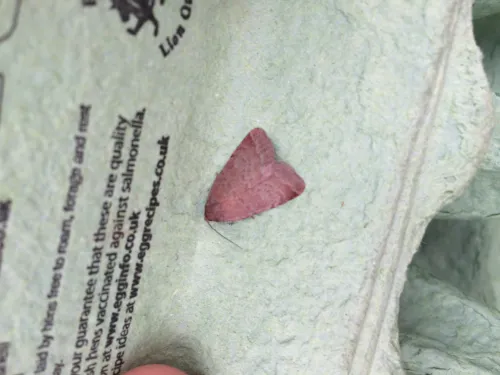
Reddish buff
A very rare species, this moth is now limited to one site in the UK. Males can be a striking reddish buff in colour.
One of our most wild-seeming landscapes, heathland has actually been shaped by human actions. It began at least 5000 years ago, when humans started clearing trees growing on infertile soils, probably to entice game into clearings to make hunting easier. Later they used it to graze livestock. In some areas, layers of charcoal show that the forest was cleared repeatedly by fire for grazing or crops. Most heathlands are thought to date from the Bronze Age some 3000 years ago.
A very rare species, this moth is now limited to one site in the UK. Males can be a striking reddish buff in colour.
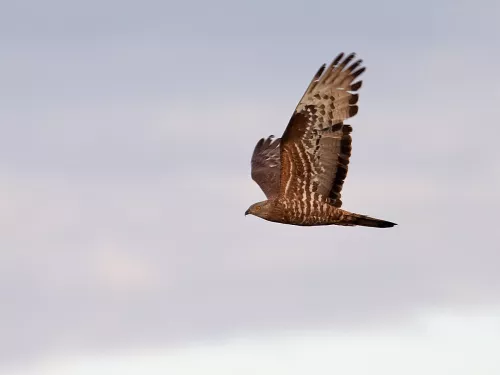
Rare summer visitors, honey buzzards breed in open woodland where they feed on the nests and larvae of bees and wasps.
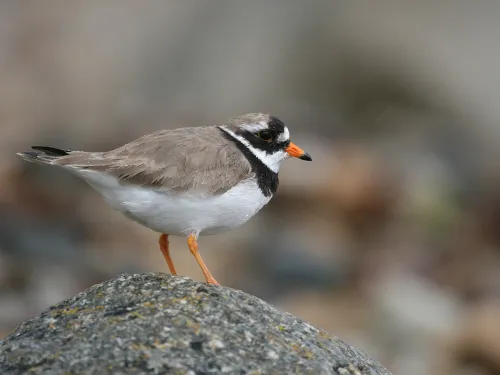
The ringed plover is a small wader that nests around the coast, flooded gravel pits and reservoirs. It is similar to the little ringed plover, but is a little larger, has an orange bill and legs, and doesn't have a yellow ring around its eye.
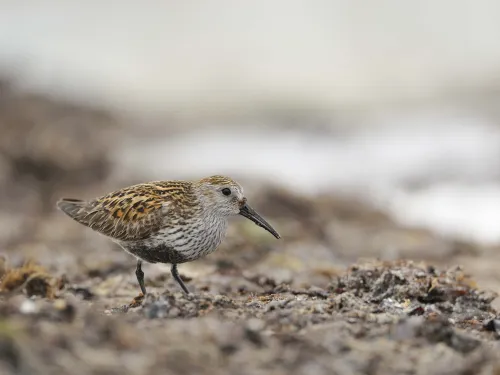
Found along the coast all year-round, the dunlin is a small sandpiper that breeds and winters in the UK. It can be seen in its upland breeding grounds in summer, when it turns brick-red above and sports a black patch on its belly.
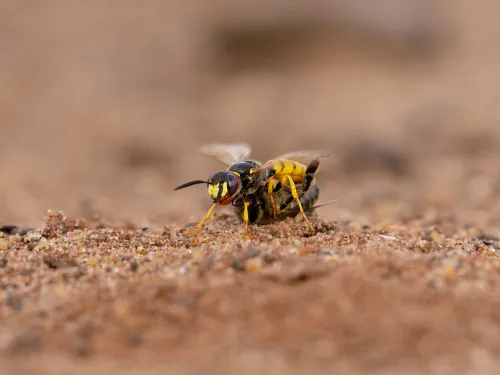
One of our largest and most impressive solitary wasps, the bee wolf digs a nest in sandy spots and hunts honey bees.
Stone curlews are unusual waders with large yellow eyes - perfect for hunting beetles at night.
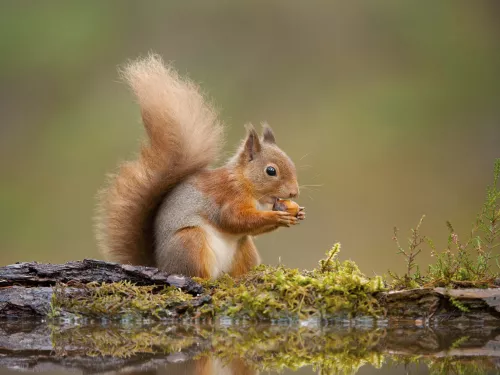
Red squirrels are native to the UK but are a lot rarer than their grey cousins. They live in a few special places across the UK thanks to reintroduction projects.
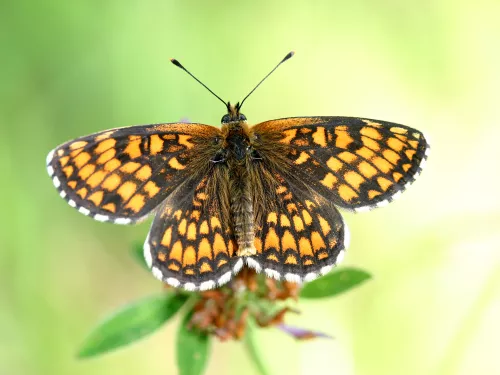
The rare heath fritillary was on the brink of extinction in the 1970s, but conservation action turned its fortunes around. It is still confined to a small number of sites in the south of England, however.
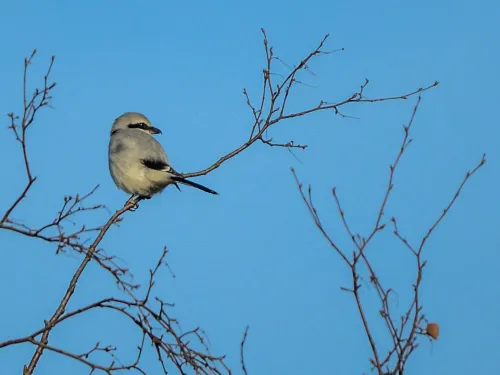
This large shrike visits the UK in small numbers each year, passing through on migration or spending the winter here.
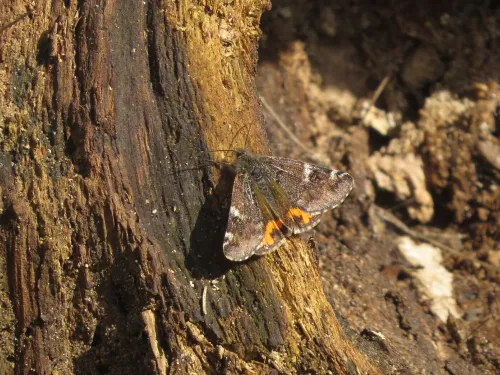
This birch-loving moth can be seen flying on sunny days in early spring.
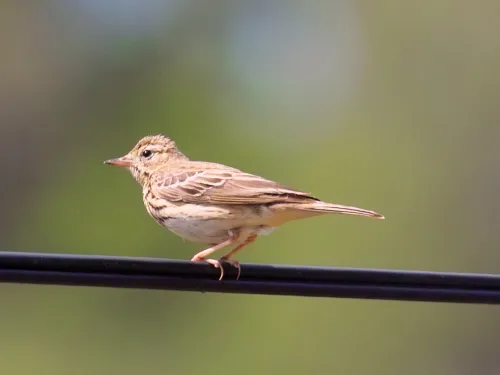
This streaky brown bird is a summer visitor to Britain, favouring open woodlands in the north and west.
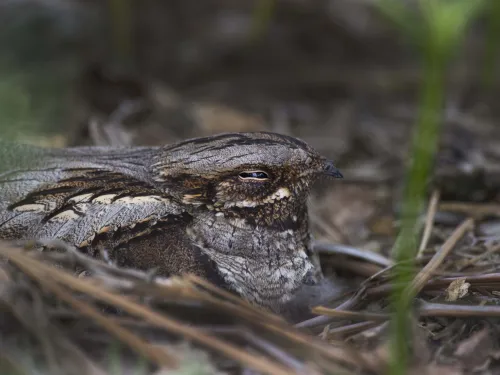
The easiest way to find out if the nocturnal and well-camouflaged nightjar is about is to listen out for its distinctive 'churring' call at dusk. A summer visitor, it is most numerous in southern England.
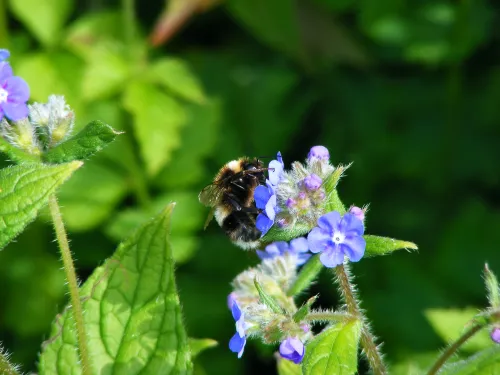
The Heath bumblebee is not only found on heathland, but also in gardens and parks. It nests in small colonies of less than 100 workers in all kinds of spots, such as old birds' nests, mossy beds and even roofs!
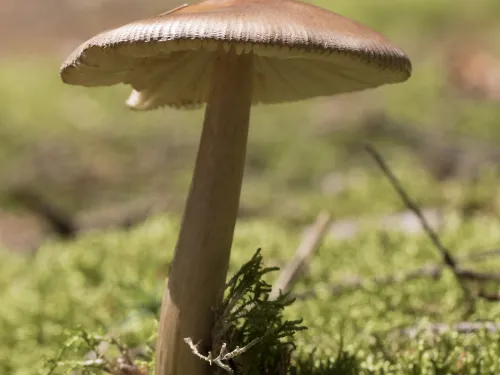
The tawny grisette has an orange-brown cap and a tall, slender stem that arises from a conspicuous cup-like sack. It can be found in woodlands, particularly those with Birch, but also on heaths.
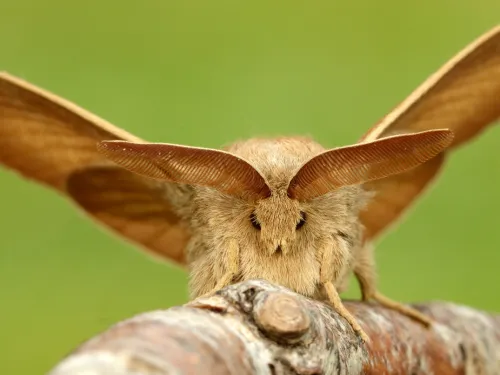
The large, fluffy caterpillars of this moth are often seen in summer and early spring.
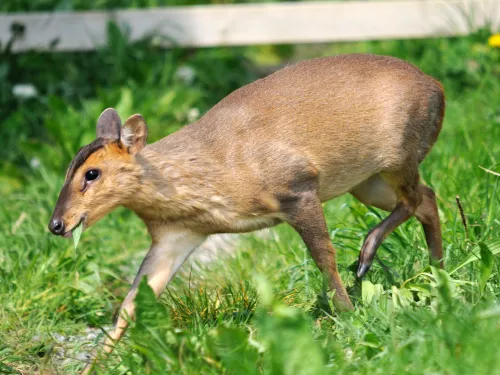
The muntjac deer was introduced into the UK from China in the 20th century. It has gained a stronghold in southeast England, where it can cause damage to our woods through browsing.
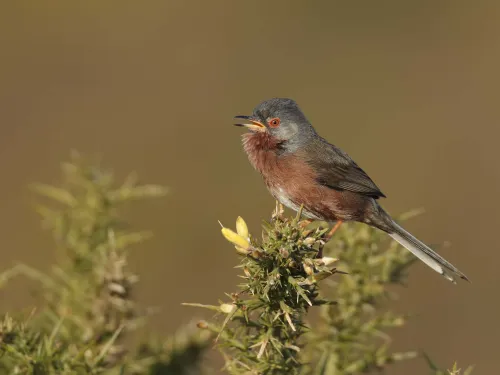
The small, brown Dartford warbler is most easily spotted when warbling its scratchy song from the top of a gorse stem. It lives on lowland heathland in the south of England, where it nests on the ground.
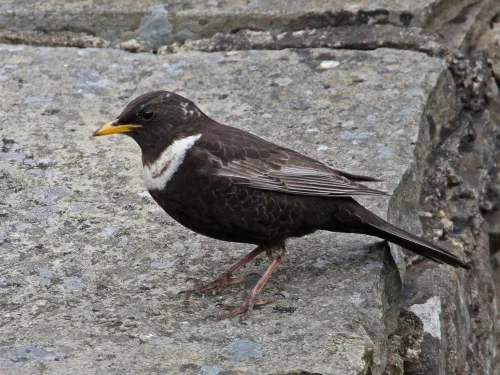
The blackbird of the mountains, ring ouzels can be found breeding on upland moors and rocky crags in summer.
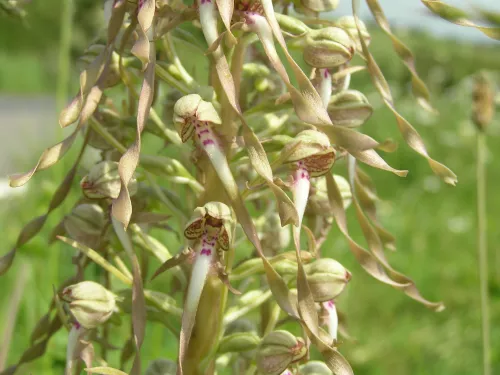
The petals of the rare Lizard orchid's flowers form the head, legs and long tail of a lizard. They are greenish, with light pink spots and stripes, and smell strongly of goats! Spot this tall plant on chalk grasslands and dunes in the South East.
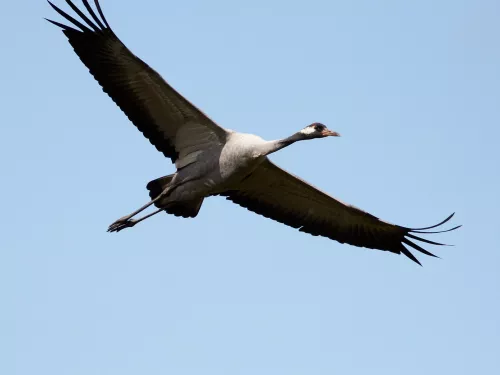
As the UK’s tallest bird the common crane is instantly recognisable with the ruffle of tail feathers and very long legs. Their bugling call is also very distinctive.
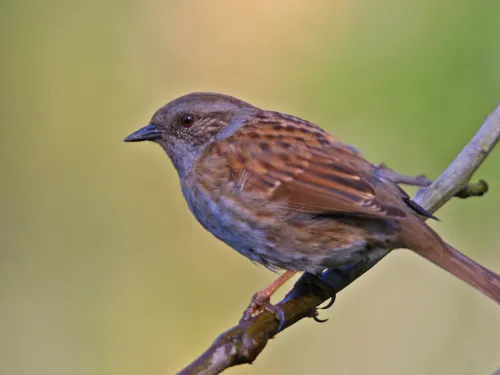
The shy dunnock can be seen hopping about under hedges as its other name, 'hedge sparrow', suggests. It inhabits gardens, woodlands, hedgerows and parks.
The bramble is the thorny shrub of hedges, woods and scrub that gives us delicious blackberries in autumn. Gathering wild food can be fun, but it's best to do it with an expert - come along to a Wildlife Trust event to try it.
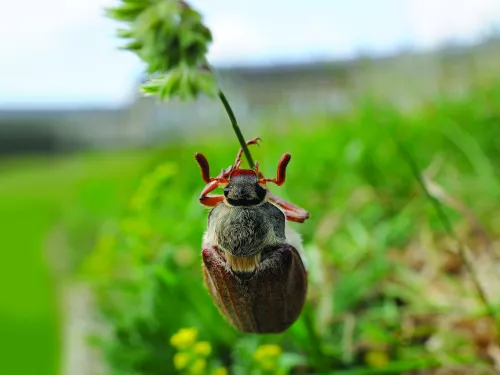
This large, brown beetle can be seen swarming around streetlights in spring. They live underground as larvae for years and emerge as adults often in large numbers. Listen for their characteristic buzzing sound.
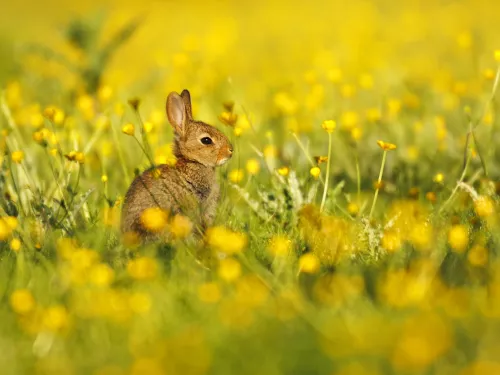
Who doesn’t love spotting rabbits hopping through long grass during a walk in the countryside? They are a common sight but it is always a treat to see their curious faces popping up, ears stood tall on the look out for predators.
As its name suggests, Red bartsia does have a red tinge to its stem, leaves and small flowers. Look for it on roadside verges, railway cuttings and waste ground in summer.
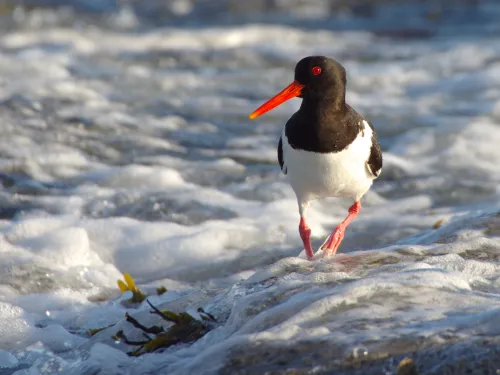
The loud 'peep-ing' call of an oystercatcher is a recognisable and familiar sound of the seashore. Look out for it hunting on rocky and muddy shores for shellfish to eat. It can also be spotted on some inland waterbodies where it has started to breed.
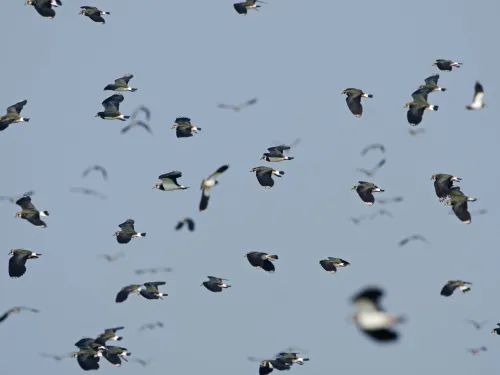
The distinctive rounded wings of the lapwing are displayed beautifully when it wheels around a winter sky in a massive flock. In spring, these flocks disperse and some birds breed in the UK. Listen out for their 'peewit' calls on grasslands and wetlands.
A spindly tree of heathland and moorlands, and damp soils, the Downy birch is well known for its paper-thin, white bark. It is so-called for the hairy stalks from which its leaves grow; the Silver Birch is hairless.
The carnivorous lifestyle of the round-leaved sundew makes this heathland plant a fascinating species. The round leaves have sticky, 'dew'-covered tendrils that tempt in unsuspecting insects as prey.
Common sorrel is a common plant of grasslands, woodland edges, roadside verges and gardens. It is also known as 'sour ducks' because its leaves taste tart.
Great mullein is an impressive, tall plant of waste ground, roadside verges and gardens. Its candle-like flower spikes rise from rosettes of furry, silver-green leaves.
The Wild strawberry produces miniature, edible versions of the juicy red fruits we so enjoy. Gathering wild food can be fun, but it's best to do it with an expert - come along to a Wildlife Trust event to try it.
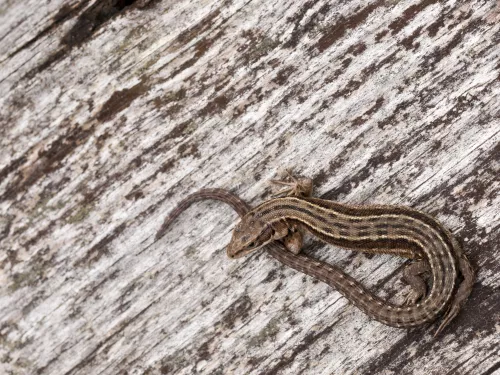
Look out for a common lizard basking in the warm sun as you wander around heathlands, moorlands and grasslands. You might even be lucky enough to spot one in your garden, too!
A common thistle of roadside verges, rough grassland and waste ground, the Musk thistle has large, purple, nodding flower heads that appear in summer. It is attractive to a wide range of insects.
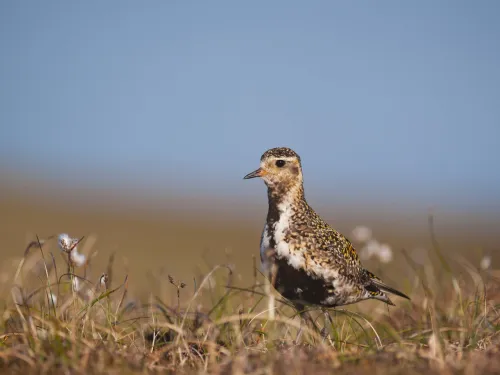
From spring, look out for the beautiful, speckled gold-and-black breeding plumage of the golden plover. It can be found in its upland moorland breeding grounds from May to September, moving to lowland farmland and fields in winter.
Common whitebeam is not a common tree, despite its name. It can be found growing wild in a variety of habitats, but is also planted in towns and gardens. Look for shiny, oval leaves with white undersides.
Hairy bitter-cress is an edible weed of rocky places, walls, gardens and cultivated ground. Gathering wild food can be fun, but it's best to do it with an expert - come along to a Wildlife Trust event to try it.
Look for the delicate, pink flowers of Common bistort in wet meadows, pastures and roadside verges. It is also known as 'Pudding Dock' in North England because it was used to make a dessert at Eastertime.
The nodding, blue bells of the harebell are a summer delight of grasslands, sand dunes, hedgerows and cliffs. They are attractive to all kinds of insects, too.
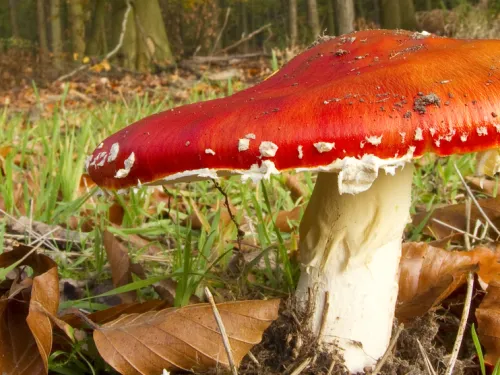
The classic fairy tale toadstool, this red and white fungus is often found beneath birch trees in autumn.
As its name suggests, Silverweed has silvery leaves with toothed edges. It can be found in grassy places, along roadsides and on waste ground - look for yellow, saucer-shaped flowers and red runners.
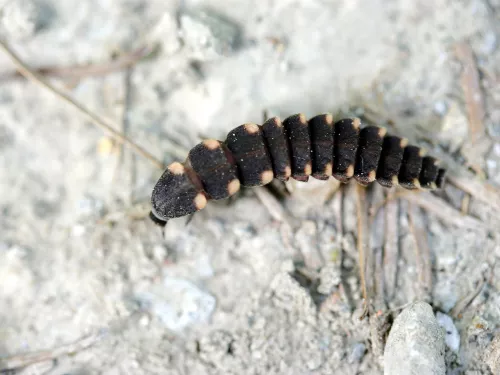
The glow-worm is not actually a worm, but a beetle. Males look like typical beetles, but the nightly glow of a female is unmistakeable - lighting up to attract a mate in the darkness of their grassland habitats. Look for the adults in summer.
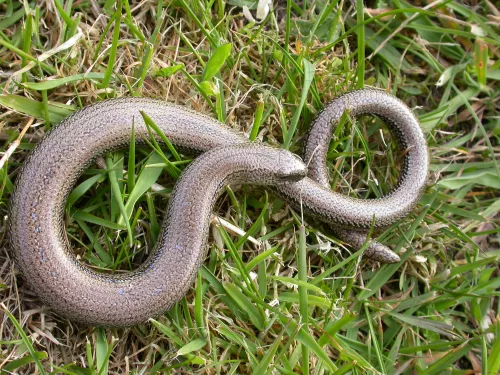
Despite appearances, the slow worm is actually a legless lizard, not a worm or a snake! Look out for it basking in the sun on heathlands and grasslands, or even in the garden, where it favours compost heaps.
Look for the round, cottony, purple flower heads of the Woolly thistle on chalk and limestone grasslands in summer. It is mainly found in Southern England.

The eerie, 'cur-lee' call of the curlew is a recognisable sound of wet grasslands, moorlands, farmland and coasts. Its long, downcurved bill is an unmistakeable feature and perfect for probing the mud for prey.
A familiar shrub of hedgerows and woodland edges, blackthorn comes alive in spring when it bursts into a froth of white blossom. It is well known for its sloes, too - the blue-black fruits used in sloe gin.
An introduced species, Common evening-primrose is now naturalised on waste ground, roadside verges and railway cuttings. It has long been used to produce the herbal remedy, evening-primrose oil.
The dark-blue flowers of Common milkwort pepper our grasslands from May to September. It can also appear in pink and white forms.
With its fluffy-looking, light blue flower heads, sheep's-bit is a pretty plant of dry grassland, heaths and clifftops. Sometimes carpeting an area, it is popular with nectar-loving insects.
Tormentil can be found growing on acid grassland, heathland and moorland, but even pops up alongside roads. It bears yellow, buttercup-like flowers, but with only four petals (buttercups have five).
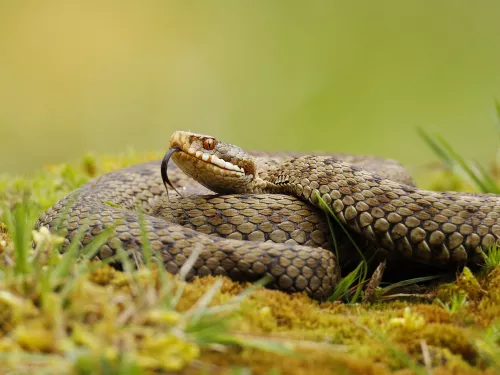
Our only venomous snake, the shy adder can be spotted basking in the sunshine in woodland glades and on heathlands.
The ragged-edged, purple flower heads of Greater knapweed bloom on sunny chalk grasslands and clifftops, and along woodland rides. They attract clouds of butterflies.
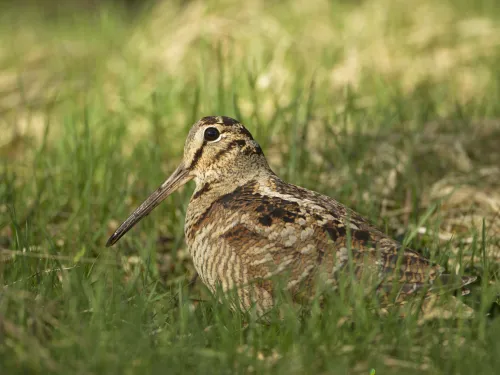
Sometimes known as the snipe of the woods, the exquisitely camouflaged woodcock is mainly nocturnal, hiding in the dense undergrowth of woodlands and heathlands during the day.
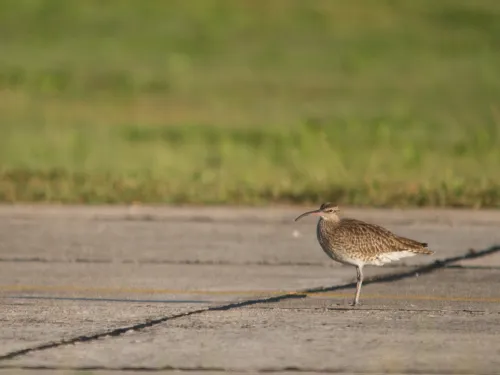
The whimbrel is very similar to the curlew, but a little smaller and with a striking face pattern. Its eerie call is a series of seven whistles; listen out for it around the coast as its passes through on migration.
Holly is a much-loved evergreen tree - its shiny, spiky leaves and bright red berries being a favourite in Christmas decorations. Found in all kinds of habitats, it provides an important winter food source for birds.
The carnivorous lifestyle of common butterwort makes this heathland plant a fascinating species. Its leaves excrete a sticky fluid that tempts unsuspecting insects to land and become its prey.
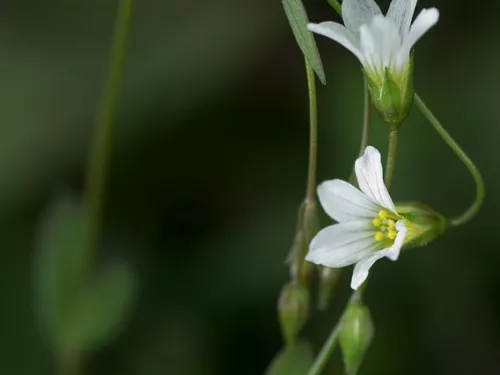
A small and delicate plant of chalk grasslands, Fairy flax can be seen in bloom from May to September - look out for its nodding, white flowers.
Crosswort gets its name from the position of its leaves - they surround the stem in groups of four, making a cross shape. The tiny, yellow flowers sit atop these crosses and bloom from April to June.
Bilberries appear in summer and early autumn and are often turned into jams, pies and sauces...
Also known as 'Goldmoss' due to its dense, low-growing nature and yellow flowers, Biting stonecrop can be seen on well-drained ground like sand dunes, shingle, grasslands, walls and pavements.
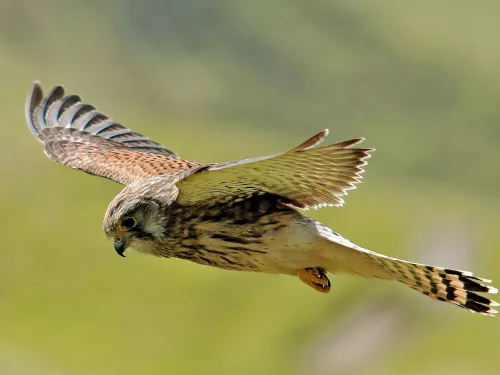
The kestrel is a familiar sight hovering over the side of the road, looking out for its favourite food: small mammals like field voles. It prefers open habitats like grassland, farmland and heathland, but can be seen in towns and villages.
The tightly packed, thistle-like purple flower heads of common knapweed bloom on all kinds of grasslands. Also regularly called 'black knapweed, this plant attracts clouds of butterflies.
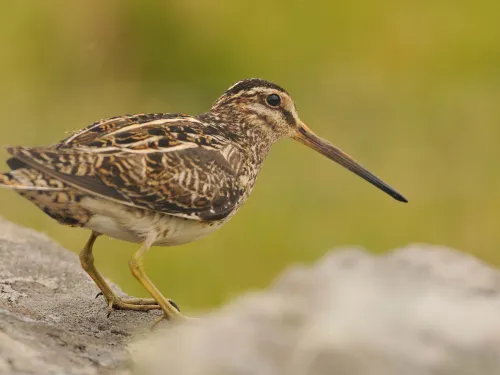
Listen out for the 'drumming' sound of a male snipe as it performs its aerial courtship display. It's not a call, but actually its tail feathers beating in the wind. Snipe live on wet grassland, marshes and moorlands throughout the UK.
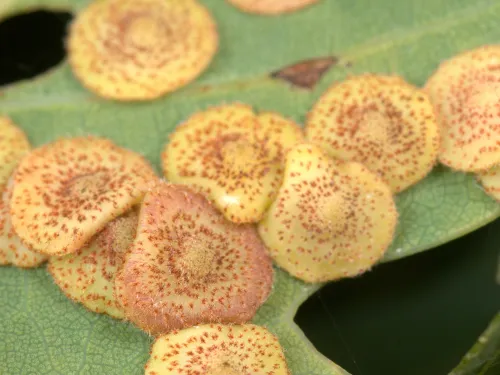
The common spangle gall wasp produces a small, disc-shaped growth, or 'gall', on the undersides of oak leaves. Inside the gall, the larvae of the wasp feed on the host tissues, but cause little damage.
The yellow, star-like flowers of bog asphodel brighten up our peat bogs, damp heaths and moors in early summer, attracting a range of pollinating insects.
The bill-shaped seed pods of Common Stork's-bill explode when ripe, sending the seeds flying! This low-growing plant has pretty pink flowers and can be seen on grasslands and coastal sands.
In summer, the 'frothy' flowers of lady's bedstraw can carpet the grasses of meadows, heaths and coasts with yellow and fill the air with a sweet, honey-like scent.
The stately Grass-of-parnassus displays pretty, white flowers with green stripes. Once widespread, it is now declining as its wetland habitats are disappearing.
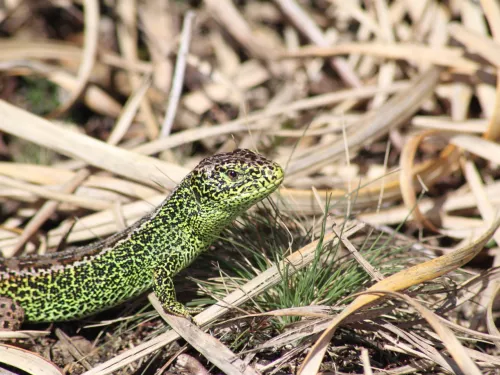
The sand lizard is extremely rare due to the loss of its sandy heath and dune habitats. Reintroduction programmes have helped establish new populations.
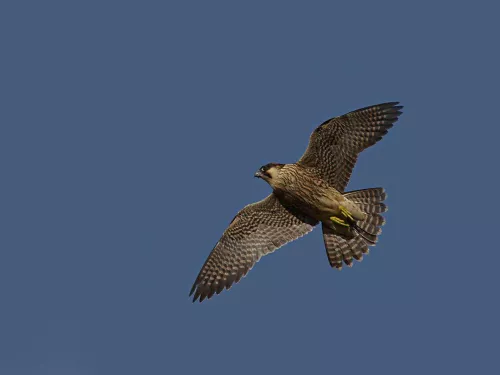
Like many of our birds of prey, the peregrine falcon was so persecuted, numbers fell dramatically. Thankfully, this super-speedy flyer is now making a comeback, particularly in our towns, where it nests on tall buildings.
Looking a bit like a ragged version of a dandelion, mouse-ear hawkweed has lemon-yellow flower heads that are tinged with red at their outer edges. It likes grassy places with short turf and chalky soils.
The marsh hair moss is the largest moss in the UK. Look out for it in damp woodland and on boggy heathlands where it forms large, green and spikey 'cushions'.
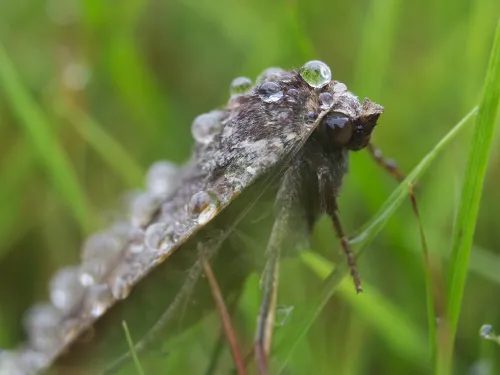
Found almost everywhere, the large yellow underwing is a night-flying moth that is often attracted to lights. It is brown with orangey-yellow hindwings.
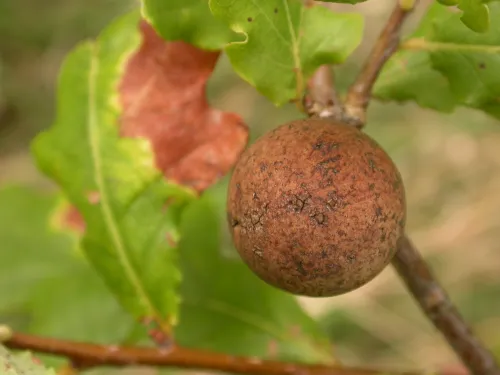
The oak marble gall wasp produces brown, marble-shaped growths, or 'galls', on oak twigs. Inside the gall, the larvae of the wasp feed on the host tissues, but cause little damage.
Common cow-wheat is a delicate annual that brightens up the edges of acid woodland and heaths with deep golden flowers in the summer.
Bloody crane's-bill has striking magenta flowers that pepper our rare limestone pavements, grasslands and sand dunes with summer colour. It is a favourite of all kinds of insects, including bumblebees.
A true wildlife 'hotel', Honeysuckle is a climbing plant that caters for all kinds of wildlife: it provides nectar for insects, prey for bats, nest sites for birds and food for small mammals.
A tall plant, Rosebay willowherb is a successful coloniser; it can form dense stands of bright pink flower spikes on disturbed ground, such as woodland clearings, verges and waste ground.
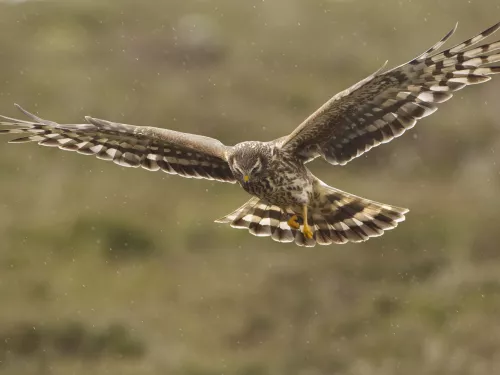
The hen harrier has been severely persecuted for taking game species and has suffered massive declines in numbers as a result. Thankfully, conservation projects are underway to reduce conflict surrounding its controversial prey.
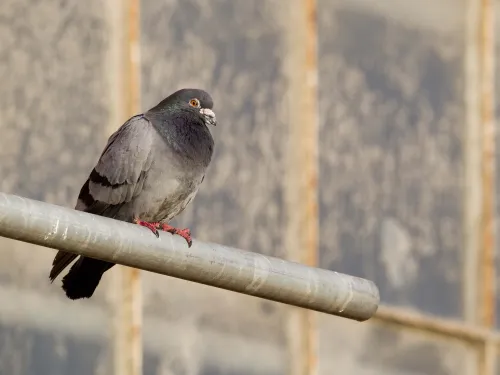
The wild rock dove is the ancestor to what is probably our most familiar bird - the feral pigeon, which is often found in large numbers in our towns and cities.
Dyer's greenweed is a classic plant of hay meadows, heaths and open woodlands. It has upright stems with loose clusters of bright yellow, pea-like flowers in summer.
Fir clubmoss is a primitive plant found in rocky, moorland and mountain habitats. The stems of this tufted, upright fern look like tiny conifers.
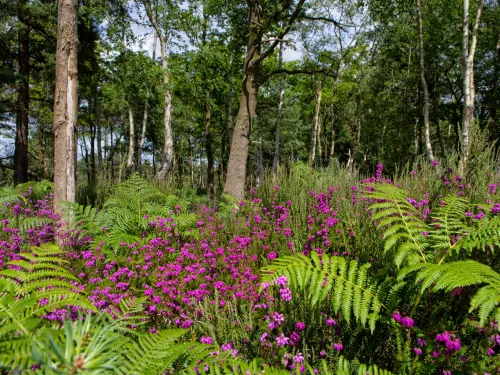
Our most familiar fern, bracken can be found growing in dense stands on hillsides, moorland, heathland and in woodlands. It is very large and dies back in winter, turning the landscape orangey-brown.
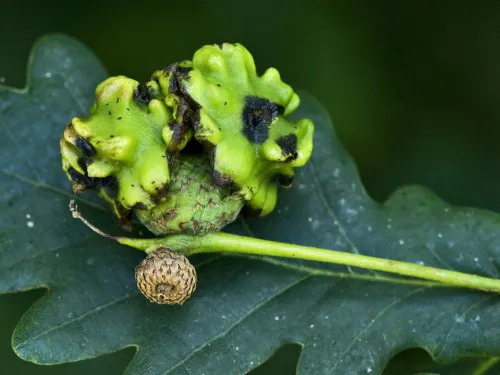
The knopper gall wasp produces knobbly red, turning to brown, growths, or 'galls', on the acorns of Pedunculate Oak. Inside the gall, the larvae of the wasp feed on the host tissues, but cause little damage.
The Scots pine is the native pine of Scotland and once stood in huge forests. It suffered large declines, however, as it was felled for timber and fuel. Today, it is making a comeback - good news for the wildlife that depends on it.
Herb-robert is a low-growing plant, with small, pretty, pink flowers. Look for it in shady spots in woodland, hedgerows and coastal areas.
The brown, oval, spiky seed heads of the teasel are a familiar sight in all kinds of habitats, from grassland to waste ground. They are visited by goldfinches and other birds, so make good garden plants.
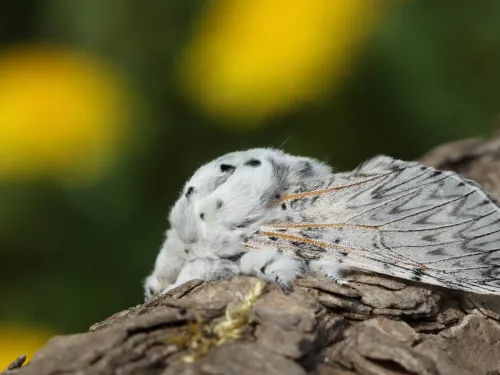
The puss moth is a large and fluffy moth, with a very strange looking caterpillar.
Ivy is one of our most familiar plants, seen climbing up trees, walls, and along the ground, almost anywhere. It is a great provider of food and shelter for all kinds of animals, from butterflies to bats.
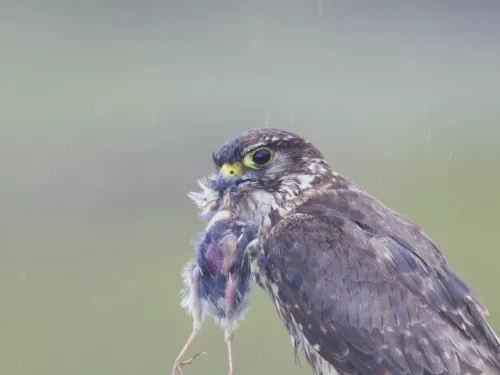
Our most diminutive falcon, the merlin is a pretty bird of prey. It chases small birds, flying low to the ground or hovering in the breeze because of its small size. Resident merlins are joined in winter by Icelandic migrants.
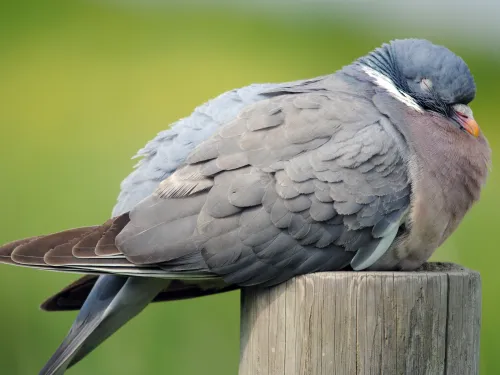
The large, plump woodpigeon is a familiar sight in our gardens and parks, but can also be found on farmland and in woodlands almost everywhere. You may hear its cooing call before you see the bird itself.
The aromatic fragrance of Large thyme can punctuate a summer walk over a chalk grassland. It is an evergreen that grows low to the ground, with erect spikes of tiny, lilac flowers appearing over summer.
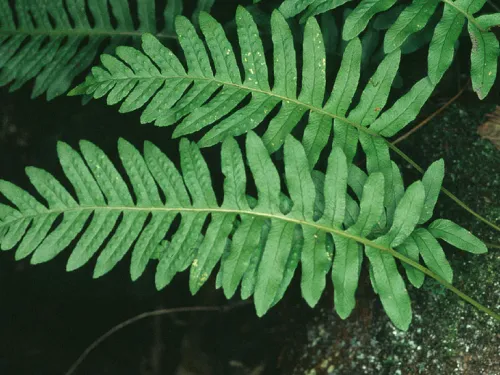
The common polypody is a hardy fern of damp, shady places in woodlands. It also makes a good garden fern. It has ladder-like, leathery foliage with pimply undersides - these spots are the spores.
Toadflax-leaved St John's-wort has star-shaped, bright yellow flowers. It is a rare plant, with most of its population existing on Dartmoor. It likes steep, sunny slopes, acidic soils and plenty of space.
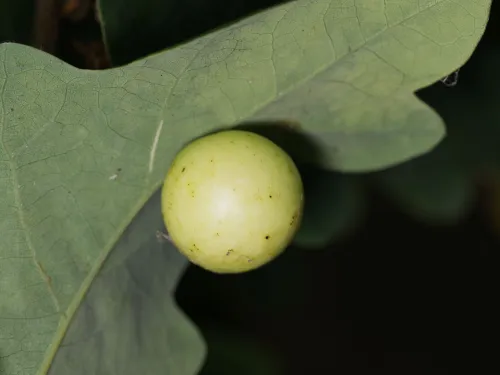
Living up to its name, the cherry gall wasp produces growths, or 'galls', on oak leaves that look like red cherries. Inside the gall the larvae of the wasp feed on the host tissues but cause little damage.
Aspen is a slender poplar tree that can be spotted on heathland and in woodlands, particularly in Scotland. It displays hanging catkins in spring and its fluttering leaves turn vibrant yellow in autumn.
The small, yellow flowers and woolly appearance of kidney vetch make this plant easy to spot. Look for it growing low to the ground on sand dunes, chalk grasslands and cliffs in summer.
A renowned 'weed' of paddocks, pastures and waste ground, the yellow flower heads of common ragwort are actually highly attractive to bees and other insects, including the cinnabar moth.
Pignut is a small umbellifer, with edible tubers, that is found in woods, hedges and grasslands.
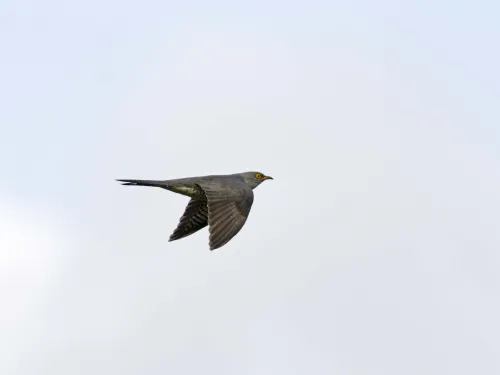
Considered to be an early sign of spring, the song of the cuckoo sounds the same as its name: ‘cuck-oo’. It can be heard in woodlands and grasslands. Cuckoos famously lay their eggs in the nests of other birds.
Windy, open moors covered in bright yellow, spiky common gorse bushes and purple heathers are synonymous with what we call 'wild' landscapes, but it can be seen in many habitats, from coast to town.
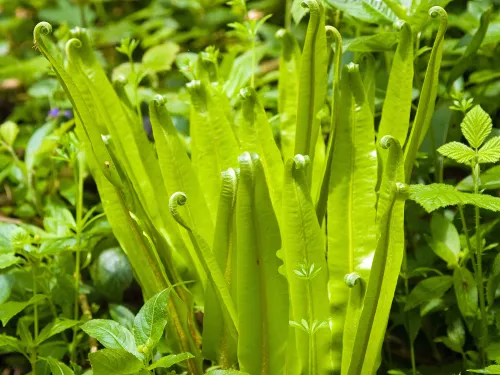
The hart's-tongue fern is a hardy fern of damp, shady places in woodlands. It also makes a good garden fern. It has simple, tongue-shaped, glossy, green leaves that have orange spores on their undersides.
The subject of much myth and legend, and a herbal remedy, Perforate st John's-wort is a familiar flower. It has star-shaped, bright yellow flowers and lots of tiny holes in its leaves that give off a 'foxy' smell.
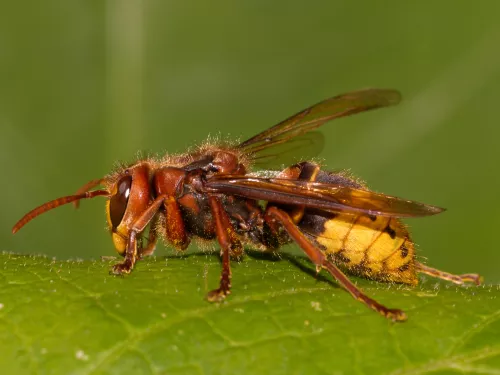
The fearsome-looking hornet may not be a well-loved insect, but it is actually much less aggressive than the common wasp. It is also an important pollinator and a predator of species that feed on plants and crops, so can be a gardener's friend.
Often a lone figure on a windswept mountainside or heath, the Rowan tree can stand for up to 200 years. It is well known for its masses of red berries that attract all kinds of birds, including thrushes.
Look for the small, pink, pea-shaped flowers of Common restharrow on chalk and limestone grasslands, and in coastal areas, during summer.
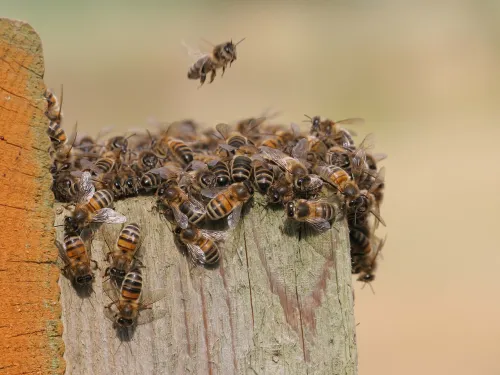
Honeybees are famous for the honey they produce! These easily recognisable little bees are hard workers, living in large hives made of wax honeycombs.
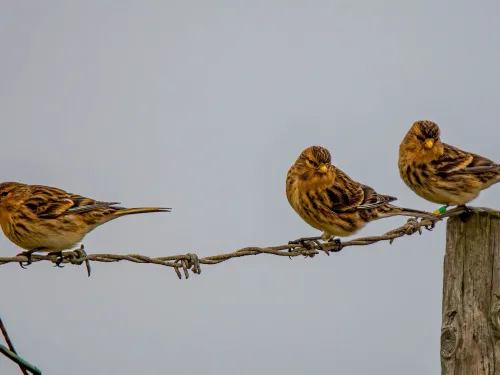
This small finch nests on moorlands and coastal crofts, spending the winter on the coast. The UK population has declined dramatically.
A low-growing plant of sand dunes, heaths and grassy places, Common centaury is in bloom over summer. Look for clusters of pretty, pink, five-petalled flowers.
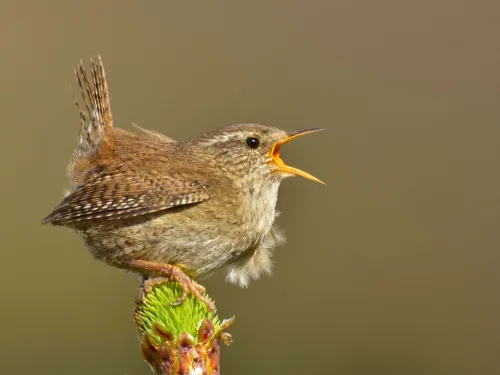
The tiny wren, with its typically cocked tail, is a welcome and common visitor to gardens across town and countryside. It builds its domed nests in sheltered bushes and rock crevices.
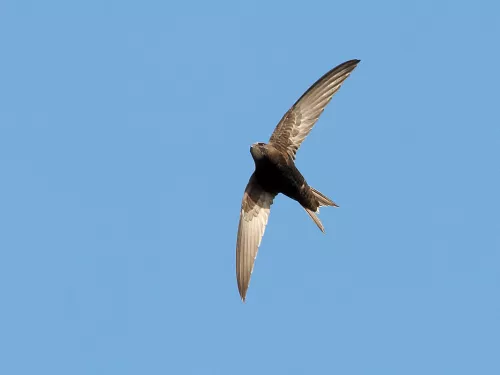
Swifts spend most of their lives flying – even sleeping, eating and drinking – only ever landing to nest. They like to nest in older buildings in small holes in roof spaces.
Broom is a large shrub of heaths, open woodlands and coastal habitats. Like gorse, it has bright yellow flowers, but it doesn't have any spines and smells of vanilla.
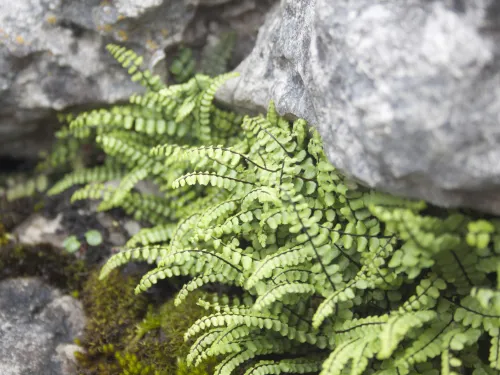
A small, tufted fern, maidenhair spleenwort can be found growing out of crevices between rocks, in walls and on mossy branches across the UK.
Our most familiar wild violet, the Common dog-violet can be spotted in a range of habitats from woodland to grassland, hedgerows to pastures. Its pansy-like, purple flowers appear from April to June.
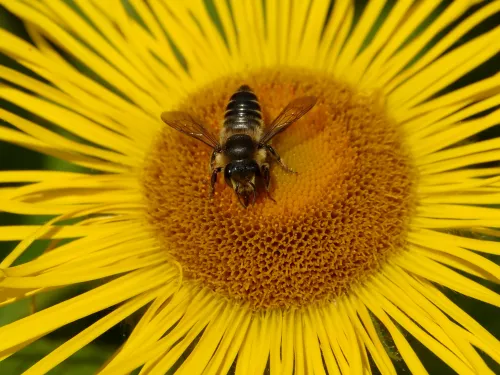
The appearance of semi-circular holes in the leaves of your garden plants is a sure sign that the patchwork leaf-cutter bee has been at work. It is one of a number of leaf-cutter bee species present in the UK.
An uncommon tree of wet woodlands, riverbanks and heathlands, Alder buckthorn displays pale green flowers in spring, and red berries that turn purple in autumn.
The downy hairs that cover the pale pink flowers of Hare's-foot clover give it the look of a Hare's paw - hence the common name. Look out for this clover around the coast and on dry grasslands.
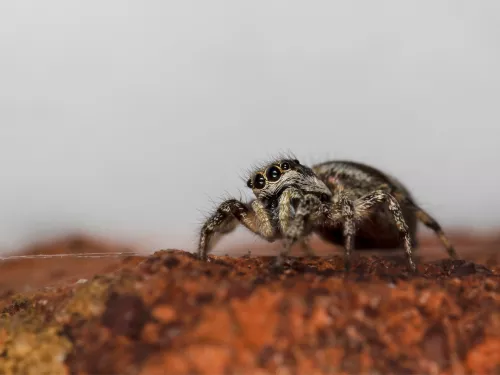
As its name suggests, the zebra spider has the familiar black-and-white stripes of a zebra, making it very distinctive. It can be found stalking its prey on rocks, trees and walls, particularly in gardens.
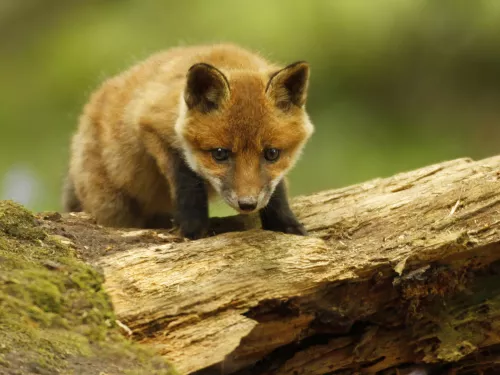
Famed for their cunning and stealth, these orangey-red dogs with their bushy tails can be seen in towns and the countryside. They come out mostly at night but can also be seen during the day if you’re lucky!
Eyebright has small, white flowers with purple veins and yellow centres. It likes short grasslands, from clifftops to heaths, and is one of a number of species and hybrids that are hard to tell apart.
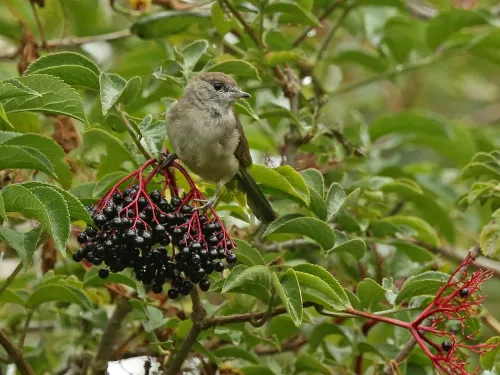
As the name suggests, the male blackcap has a black cap, while the female has a gingery one. Look for this distinctive warbler in woodland, parks and gardens.
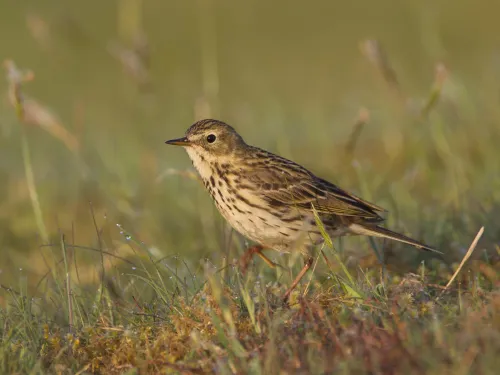
The meadow pipit favours moorland and grassland. It is an unfortunate victim of cuckolding behaviour - their own young being pushed out of the nest, so they can look after the 'parasitic' Cuckoo chick.
Look for the pinky-white flowers of the dog-rose in summer, and its bright red rosehips in autumn. It is a scrambling shrub of hedgerows, woodlands and grasslands.
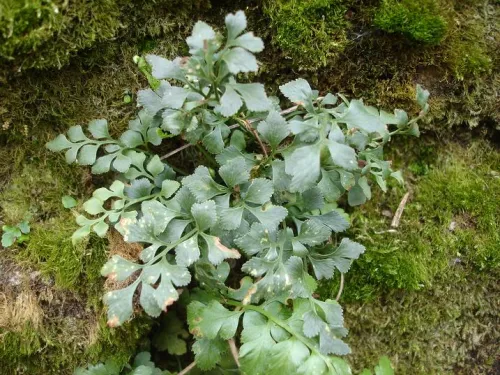
With club-shaped leaflets on its fronds, wall-rue is easy to spot as it grows out of crevices in walls. Plant it in your garden rockery to provide cover for insects.
The fluffy, white seed heads of Traveller's-joy give it the evocative, alternative names of 'Old Man's Beard' and 'Father Christmas'. A clematis-like climber, it can be seen scrabbling over hedgerows and in woods.
Common bird's-foot-trefoil has a vareity of names that conjure up some interesting images: 'Eggs and Bacon', for instance! Its small, yellow, slipper-like flowers can be seen in all kinds of grassy places.
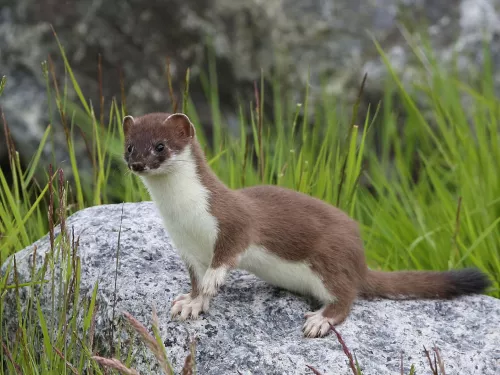
The stoat is a small mustelid, related to the weasel and otter. It has an orange body, black-tipped tail and distinctive bounding gait. Spot it on grassland, heaths and in woodlands across the UK.
The Foxglove is a familiar, tall plant, with pink flower spikes and a deadly nature. In summer, it can be spotted in woodlands and gardens, and on moorlands, roadside verges and waste grounds.
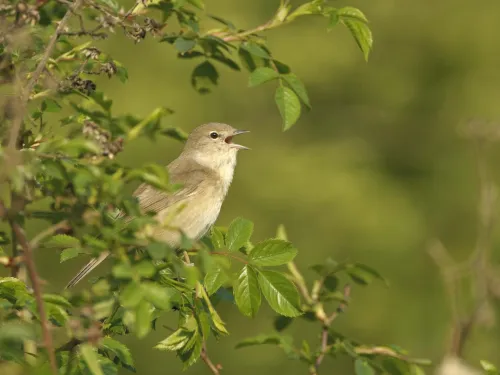
A plain-looking warbler, the garden warbler is a summer visitor to the UK. It is a shy bird and is most likely to be heard, rather than seen, in woodland and scrub habitats.
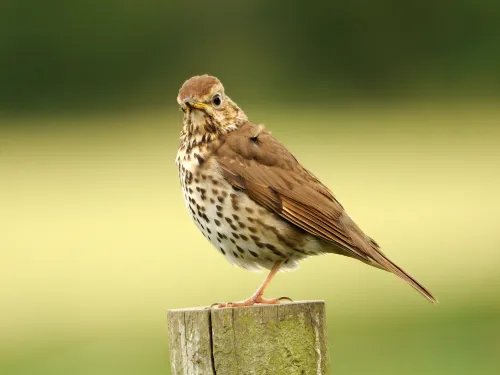
The song thrush is a familiar garden visitor that has a beautiful and loud song. The broken shells of their blue, spotty eggs can often be found under a hedge in spring.
The wayfaring-tree is a small tree of hedgerows, woods, scrub and downland. It displays creamy-white flowers in spring and red berries in autumn, which ripen to black and are very poisonous.
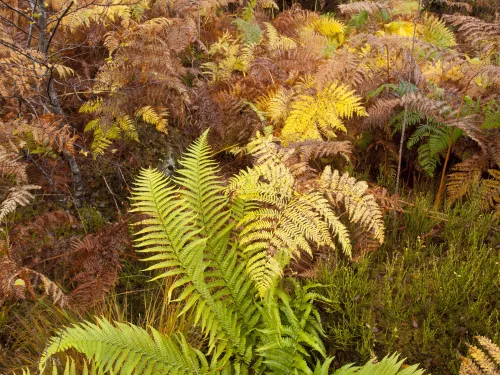
A classic fern of woodlands across the UK, the male-fern is also a great addition to any garden. It grows impressive stands from underground rhizomes, dying back in autumn.
Golden banks of common rock-rose make a spectacular sight on our chalk and limestone grasslands in summer. A creeping shrub, it is good for bees, moths and butterflies.
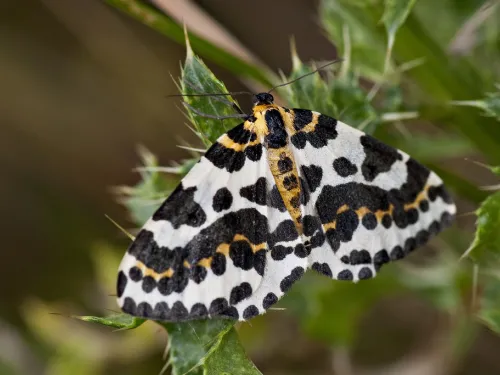
The magpie is a distinctive moth with striking black and yellow spots on white wings. It is a frequent garden visitor, but also likes woodland, scrub and heathland.
Despite having the familiar sage-green leaves, Wood sage has very little scent, so is not a good cooking herb. It can be found on acidic soils on sand dunes, heaths and cliffs, and along woodland rides.
A scrambling plant, Tufted vetch has violet flowers. It is a member of the pea family and can be seen along woodland edges, on scrubland and grassland, and at the coast.
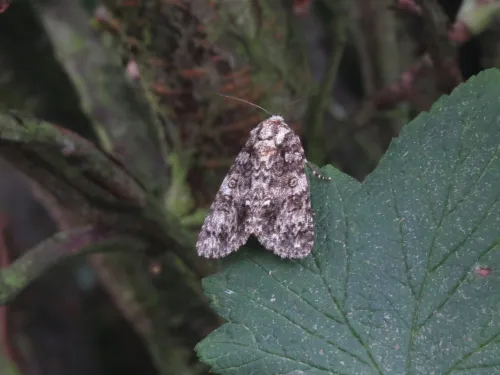
A common moth across most of the UK. The large, hairy caterpillars are often seen in late summer.
The delightful fragrance of wild thyme can punctuate a summer walk over a chalk grassland. It forms low-growing mats with dense clusters of purple-pink flowers.
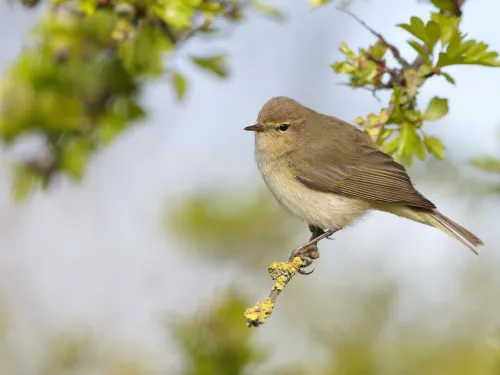
In early spring, listen out for the 'chiff chaff chiff chaff' song of the appropriately named chiffchaff. It can be heard in woodland, scrub, parks and gardens across the UK.
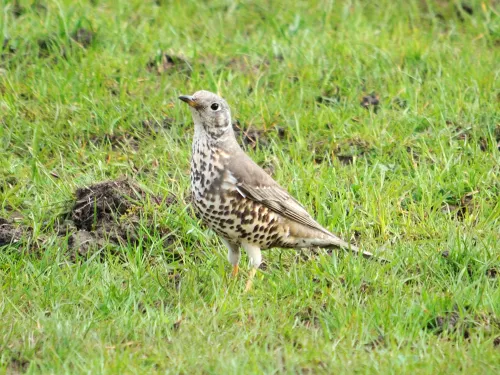
The mistle thrush likely got its name from its love of mistletoe - it will defend a berry-laden tree with extreme ferocity! It is larger and paler than the similar song thrush, standing upright and bold.
The guelder-rose is a small tree of hedgerows, woods, scrub and wetlands. It displays large, white flowers in summer and red berries in autumn, which feed all kinds of birds, including Bullfinches.
Cross-leaved heath is a type of heather that likes bogs, heathland and moorland. It has distinctive pink, bell-shaped flowers that attract all kinds of nectar-loving insects.
Common mallow is a handsome 'weed' of waste ground, roadside verges and gardens. Its deep pink, stripey flowers provide nectar for insects throughout the summer.
Despite its name, Ground-ivy is actually a member of the dead-nettle family. It is a clump-forming, aromatic plant that likes woodlands, hedgerows and damp places.
The bright blue, trumpet-shaped flowers of the marsh gentian contrast deeply with the pinks and purples of the wet heaths it inhabits. The New Forest holds a large population of this late-flowering plant.
A scrambling plant, Bush vetch has lilac-blue flowers. It is a member of the pea family and can be seen along woodland edges and roadside verges, and on scrubland and grassland.
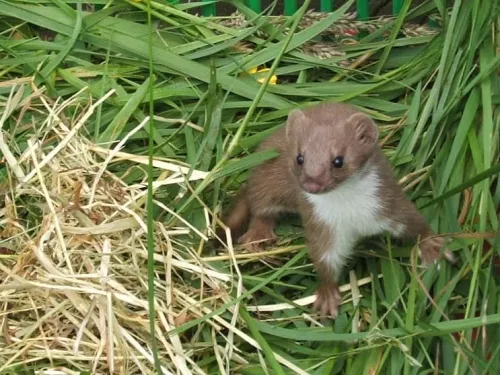
Weasels may look adorable, but they make light work of eating voles, mice and birds! They are related to otters and stoats, which is obvious thanks to their long slender bodies and short legs.
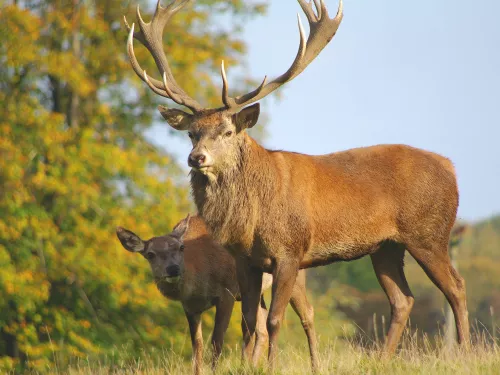
Standing proud and tall, the red deer is our largest deer. With its massive antlers, it is an unmistakeable icon of the Scottish Highlands, but can be seen in northwest and southern England, too.
The Common fragrant-orchid lives up to its name: it produces a sweet, orangey smell that is very strong in the evening. Look for its densely packed, pink flower spikes on chalk grasslands in summer.
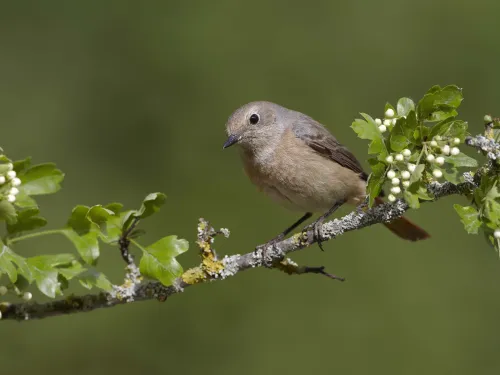
A summer visitor to the UK, the red-tailed redstart is a robin-sized bird that can be spotted in woodlands, parks and hedgerows, mainly in the north and west of the UK.
The Yew is a well-known tree of churchyards, but also grows wild on chalky soils. Yew trees can live for hundreds of years, turning into a maze of hollow wood and fallen trunks beneath dense foliage.
Bell heather is our most familiar heather. In summer, it carpets our heaths, woods and coasts with purple-pink flowers that attract all kinds of nectar-loving insects.
With its familiar features, the Field pansy is a delicate version of a garden favourite. Usually creamy-yellow in colour, it can be seen in fields and on roadside verges and waste ground.
Often found carpeting damp grassland and woodland clearings, the blue flower spikes of bugle are very recognisable. A short, creeping plant, it spreads using runners.
A scrambling plant, Common vetch has pink flowers. It is a member of the pea family and can be seen on grassland, farmland and waste ground, as well as at the coast.
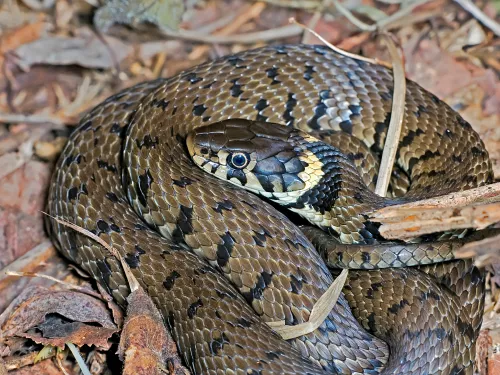
The grass snake is our longest snake, but don't worry if you find one in the compost heap - it's harmless! Look out for this green and yellow beauty in grasslands and wetlands, too.
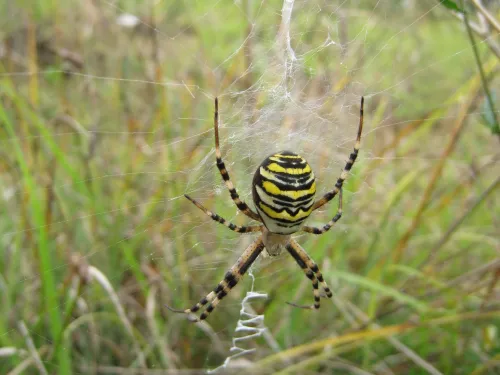
The wasp spider is a great mimic - looking just like a common wasp keeps it safe from predators, even though it is not dangerous itself. It can be found in southern England, but is spreading north.
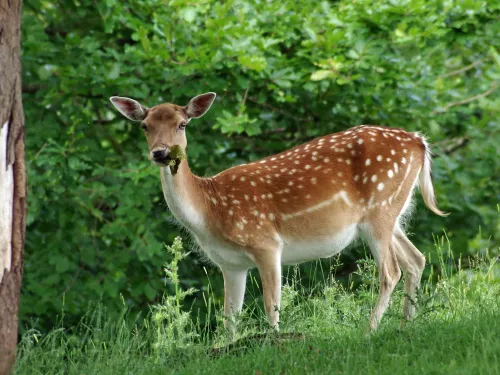
Although introduced by the Normans, the fallow deer has been here so long that it is considered naturalised. Look out for groups of white-spotted deer in woodland glades.
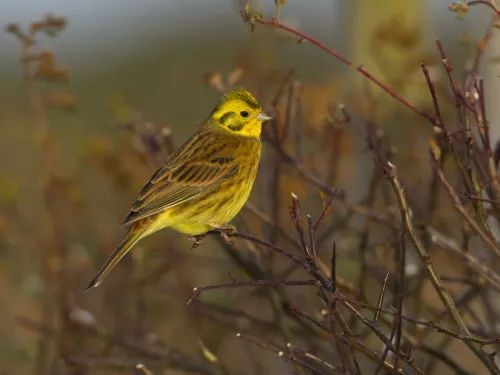
Like many of our farmland birds, the yellowhammer has declined in number in recent years. Spot this bright yellow bird singing from the top of a bush or fence, or in a mixed-species flock in winter.
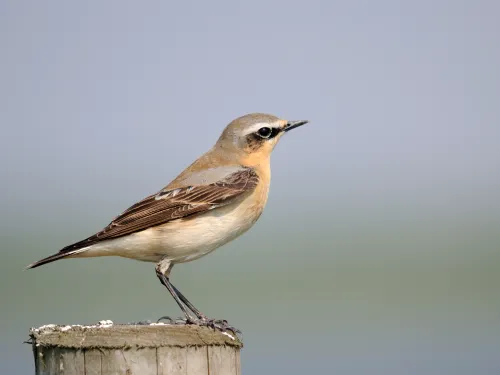
A summer visitor, the wheatear is a handsome chat, with black cheeks, white eyestripes, a blue back and a pale orange chest. Look for it on upland heaths and moors.
A sprawling, spiny evergreen, Common juniper is famous for its traditional role in gin-making. Once common on downland, moorland and coastal heathland, it is now much rarer due to habitat loss.
Heather is also called 'ling'. Look for it on our heaths, moors and bogs, where its delicate, loosely arranged pink flowers attract all kinds of nectar-loving insects.
The stinging nettle is a familiar and common plant, often firmly rooted in our memories after our first, hands-on experience - a prickling irritation that's not forgotten easily!
The upright, blue flower spikes of Viper's-bugloss can be spotted on chalk grassland, sand dunes, cliffs and banks. Its spotted stem is thought to resemble a viper.
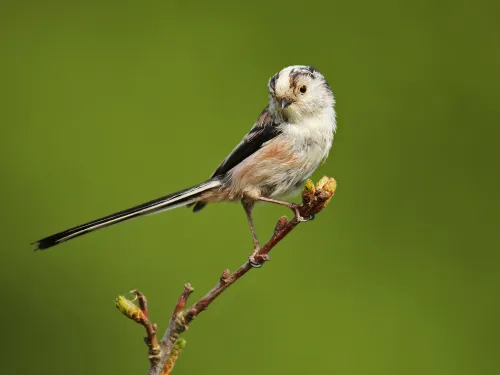
Living up to its name, the long-tailed tit can be easily recognised by its long tail. It is a small, pretty, pink, black and white bird that can be seen in woodlands, gardens and parks.
A scrambling plant, Meadow vetchling has yellow flowers. It is a member of the pea family and can be seen on rough grassland, waste ground and roadside verges.
As its name suggests, Meadowsweet is a sweet-smelling flower of damp meadows, ditches and riverbanks. Look for frothy clusters of cream flowers on tall stems.
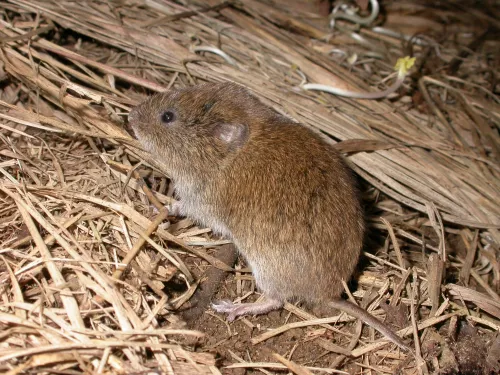
With a population of 75 million, the field vole is one of the UK's most common mammals. Hidden among the vegetation of grassland, heathland and moorland, it is not as easily spotted as the similar bank vole.
The common spotted-orchid is the easiest of all our orchids to see: sometimes, so many flowers appear together that they create a pale pink carpet in our woodlands, old quarries, dunes and marshes.
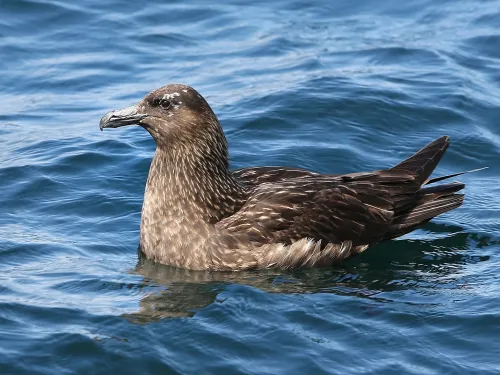
A fierce pirate of the sea, the great skua is renowned for stealing fish from other seabirds and dive-bombing anyone that comes near its nests. It breeds on the Scottish Isles.
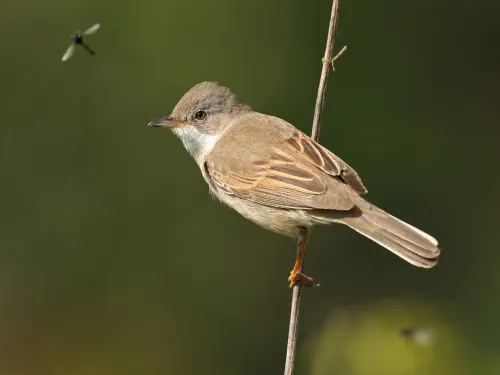
The male whitethroat does, indeed, have a white throat! Arriving from Sub-Saharan Africa in April, it can be spotted on grassland and scrub, and along hedgerows. It is bigger than the lesser whitethroat.
A spindly tree of heathland and moorlands, and dry and sandy soils, the Silver birch is well known for its paper-thin, white bark. It is a great coloniser and can quickly spread in an area.
A scrambling 'weed' of waste ground, fields and gardens, Common fumitory can be found on dry and disturbed soils. Its pink flowers appear over spring and summer.
Common mouse-ear is a persistent 'weed' of fields and gardens, verges and hedgerows - all kinds of habitats. But, like many of our weed species, it is still a good food source for insects.
As its name suggests, Deadly nightshade is a highly poisonous plant. Its black, shiny berries may be tempting but fatal. Found on chalky and disturbed ground, such as scrub or verges, it has bell-shaped flowers.
Sphagnum mosses carpet the ground with colour on our marshes, heaths and moors. They play a vital role in the creation of peat bogs: by storing water in their spongy forms, they prevent the decay of dead plant material and eventually form peat.
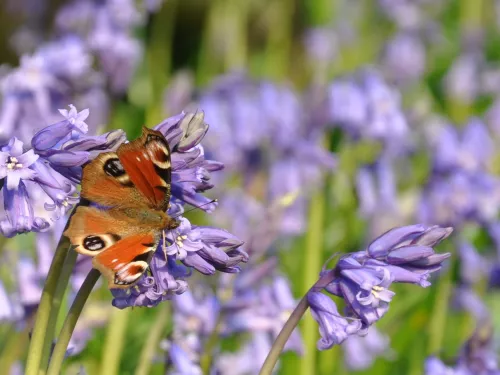
Ancient woodland with heathland and bog
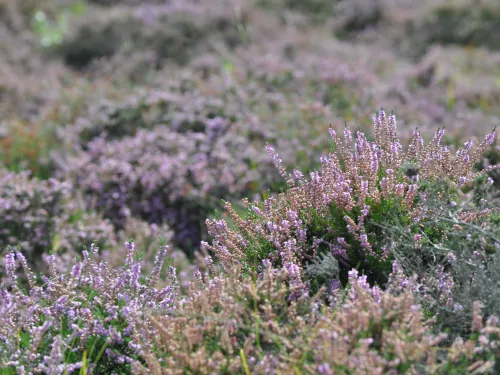
Rich in flora and fauna, this important reserve contains Kent's last four valley bogs and one of its few remaining fragments of open heath.
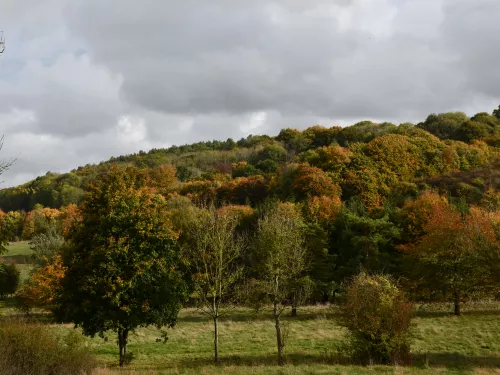
Heather Corrie Vale is located in the Darent Valley, which is an extremely valuable part of the Nature Recovery Network.
Chalk rivers are a particularly lovely type of lowland river characterised by clear water and a diverse flora. All have been modified in some way, usually for milling, fishing, irrigation or watercress beds, but despite weirs, impoundments and abstraction, the best chalk rivers still support a fine aquatic flora and a diversity of invertebrates and fish: England’s chalk rivers and streams are world famous for trout and salmon fishing, and the river corridor can often support a rich fen vegetation.

The Banded demoiselle can be seen flitting around slow-moving rivers, ponds and lakes. The males are metallic blue, with a distinctive dark band across their wings, and the females are a shiny green.

A fierce predator of small fish and flying insects, the brown trout is widespread in our freshwater rivers. It is has a golden body, flanked with pale-ringed, dark spots.
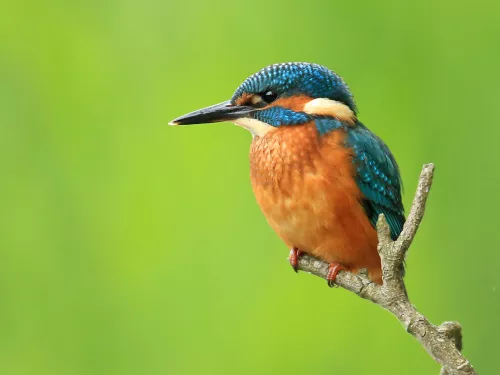
Blink and you may miss the fantastic kingfisher! This beautiful bird is easy to recognise thanks to its bright blue and metallic copper colours. It darts along the riverbank or sits patiently on a low branch over the water waiting for its next meal to swim by.
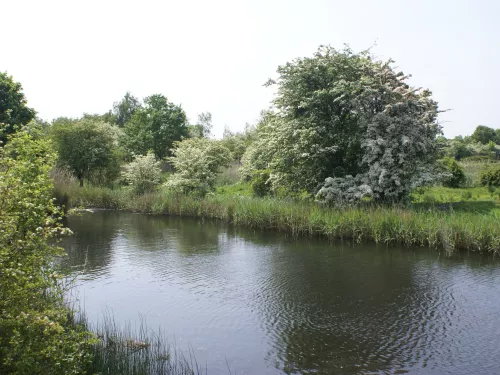
Lying along the edge of the river Medway, this patchwork of wet fields and scrub is criss-crossed by ditches and home to many rare and unusual plants and animals.
Broadly, a lake is a very slow moving body of water surrounded by land. There are many open standing water types, ranging from the impressively large and deep nutrient-poor and acidic lakes of the uplands to the shallow, often artificial, nutrient-rich lakes found in the lowlands.

A great way to get up close and personal with the magnificent osprey is via one of the many nestcams set-up in the places that it breeds: Scotland, Cumbria, Wales and the East Midlands.
Blink and you may miss the fantastic kingfisher! This beautiful bird is easy to recognise thanks to its bright blue and metallic copper colours. It darts along the riverbank or sits patiently on a low branch over the water waiting for its next meal to swim by.

This small duck is an uncommon winter visitor to the UK, where they're usually found on lakes, reservoirs and gravel pits.

The shy and retiring bittern is a master of blending in and can be very difficult to spot in its reedbed home. It does sound like a booming foghorn, however, when it calls, so can often be heard if it cannot be seen.

The distinctive sight of a spoonbill is becoming increasingly common in the east and southwest of England, with colonies of breeding birds now established.

The large, dark grey water shrew lives mostly in wetland habitats. It's a good swimmer that hunts for aquatic insects and burrows into the banks.
The grass snake is our longest snake, but don't worry if you find one in the compost heap - it's harmless! Look out for this green and yellow beauty in grasslands and wetlands, too.
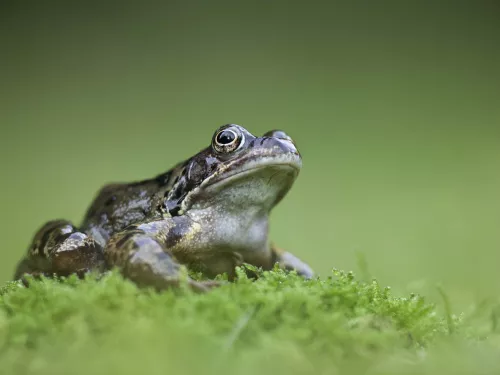
Our most well-known amphibian, the common frog is a regular visitor to garden ponds across the country, where they feast on slugs and snails. In winter, they hibernate in pond mud or under log piles.

The palmate newt looks similar to the smooth newt, but favours shallow pools on acidic soils like heathlands. During the breeding season, males grow distinctive black webbing on their hind feet.
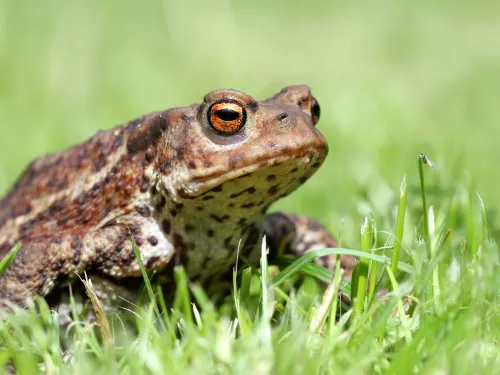
Despite its warts and ancient associations with witches, the common toad is a gardener's friend, sucking up slugs and snails. It is famous for migrating en masse to its breeding ponds.
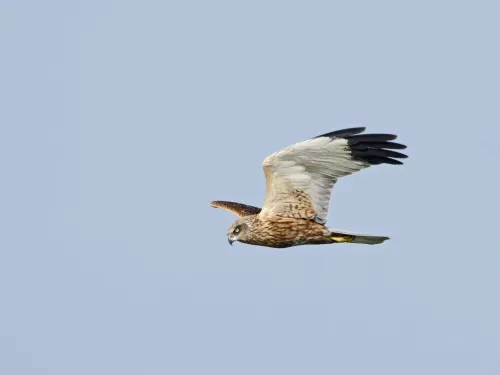
The courtship of the marsh harrier is certainly a sight to behold - wheeling and tumbling through the sky, male and female partners lock talons in mid-air. Look out for this rare bird over reedbeds in East Anglia, Somerset and the South East.

Look out for the swift-like shape of the hobby as it darts over heathlands and wetlands in summer. They are keen hunters, chasing and catching fast-flying dragonflies and small birds on the wing.
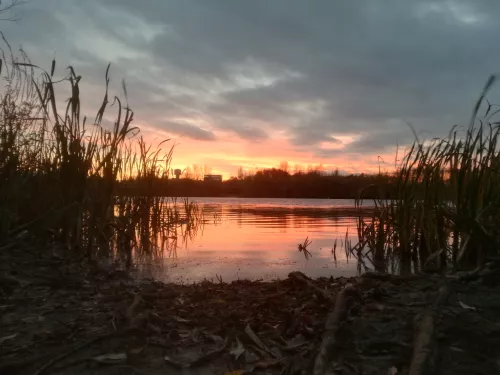
Conningbrook Lakes is made up of a series of lakes, ponds, river, wet woodland and grasslands – creating a great place for a riverside stroll, and host to a variety of wildlife.

A small woodland reserve centred around a lake

Welcome back to the refurbished Harrison Visitor Centre! This 73 hectare site was the first example of a gravel pit site being developed for the purpose of nature conservation. It is home to a diverse range of plants, fungi, birds and dragonflies & damselflies.
Arable land is cultivated to provide annual crops such as wheat, sugar beet, potatoes and beans. Under traditional agricultural management, arable fields supported a wide range of ‘arable weeds’ such as poppies, fluellens, corn marigold, and corncockle. Many of the plants we now cherish are ancient introductions that arrived with seed when agricultural culture spread across Europe and into Britain, some potentially as far back as the Neolithic age.
Rare summer visitors, honey buzzards breed in open woodland where they feed on the nests and larvae of bees and wasps.

This tiny gamebird is rarely seen, but its distinctive "wet my lips" call can be heard ringing out over areas of farmland on summer evenings.

Dung beetles are an often overlooked but hugely important ecosystem engineer. Learn more about them and why we need them in our landscape.
The glow-worm is not actually a worm, but a beetle. Males look like typical beetles, but the nightly glow of a female is unmistakeable - lighting up to attract a mate in the darkness of their grassland habitats. Look for the adults in summer.

This unique fungus is one of the most sought after spring fungi of them all.
Stone curlews are unusual waders with large yellow eyes - perfect for hunting beetles at night.

You are likely to spot the smooth newt in your garden or local pond. It breeds in water in summer and spends the rest of the year in grassland and woodland, hibernating over winter.
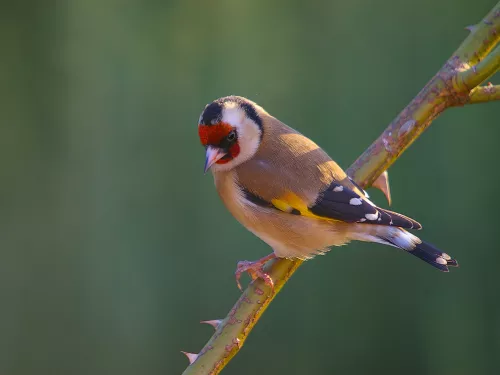
The striking red crown, golden back, and bright yellow wings of the goldfinch make it one of our prettiest garden birds. It happily visits birdtables and feeders across the UK.

The diminutive pygmy shrew has a distinctively pointy nose and tiny eyes. It lives life in the fast lane, eating every 2-3 hours to survive, and only living for a year or so. Look out for it in the garden.
The striking red twigs and crimson, autumnal leaves of Dogwood make this small shrub an attractive ornamental plant. It can be seen growing wild along woodland edges and hedgerows.

The attractive roe deer is native to the UK and widespread across woodland, farmland, grassland and heathland habitats. Look for its distinctive pale rump and short antlers.

You're more likely to see the attractive, brightly coloured caterpillars than the mullein moth itself.
The attractive roe deer is native to the UK and widespread across woodland, farmland, grassland and heathland habitats. Look for its distinctive pale rump and short antlers.
The sand lizard is extremely rare due to the loss of its sandy heath and dune habitats. Reintroduction programmes have helped establish new populations.

Introduced into the UK in the 19th century, the diminutive little owl can now be seen along hedgerows, on farmland and in parkland across England and Wales. It often perches on a pole or rock, looking out for its unsuspecting prey.

The tiny, brown wood mouse is one of our most common rodents and is very likely to be found in the garden. It is similar to the house mouse, but has larger ears and eyes relative to its size.
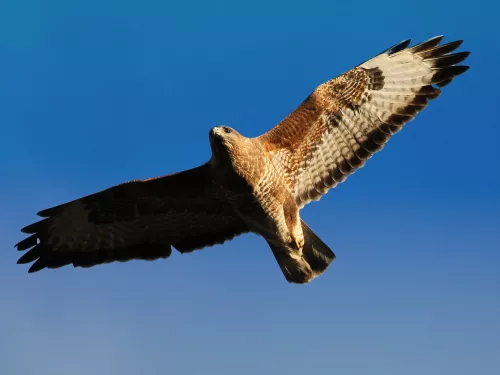
Listen out for the cat-like, 'kee-yaa' calls of the buzzard as it soars high over farmland and woodland. Once suffering from severe persecution and pesticide poisoning, it has made a stunning comeback to most of the UK.
The striking red twigs and crimson, autumnal leaves of Dogwood make this small shrub an attractive ornamental plant. It can be seen growing wild along woodland edges and hedgerows.
Who doesn’t love spotting rabbits hopping through long grass during a walk in the countryside? They are a common sight but it is always a treat to see their curious faces popping up, ears stood tall on the look out for predators.
Introduced into the UK in the 19th century, the diminutive little owl can now be seen along hedgerows, on farmland and in parkland across England and Wales. It often perches on a pole or rock, looking out for its unsuspecting prey.
The striking red twigs and crimson, autumnal leaves of Dogwood make this small shrub an attractive ornamental plant. It can be seen growing wild along woodland edges and hedgerows.

Seeing a red kite soaring high in the sky is a true delight! Once a very rare bird, thanks to successful reintroduction projects these wonderful birds can now be seen in lots of places in the UK.

Fat hen is a persistent 'weed' of fields and gardens, verges and hedgerows. But, like many of our weed species, it is a good food source for birds and insects.
The attractive roe deer is native to the UK and widespread across woodland, farmland, grassland and heathland habitats. Look for its distinctive pale rump and short antlers.
The kestrel is a familiar sight hovering over the side of the road, looking out for its favourite food: small mammals like field voles. It prefers open habitats like grassland, farmland and heathland, but can be seen in towns and villages.

Sometimes called 'Wild spinach', Sea beet can be cooked and eaten. It grows wild on shingle beaches, cliffs and bare ground near to the sea, as well as in saltmarshes.
As its name suggests, the zebra spider has the familiar black-and-white stripes of a zebra, making it very distinctive. It can be found stalking its prey on rocks, trees and walls, particularly in gardens.
Like many of our birds of prey, the peregrine falcon was so persecuted, numbers fell dramatically. Thankfully, this super-speedy flyer is now making a comeback, particularly in our towns, where it nests on tall buildings.
The striking red twigs and crimson, autumnal leaves of Dogwood make this small shrub an attractive ornamental plant. It can be seen growing wild along woodland edges and hedgerows.
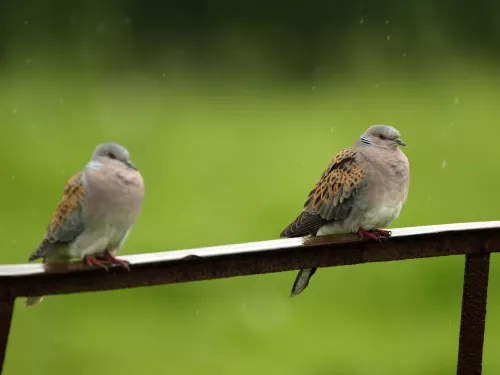
The turtle dove is the UK's fastest declining bird species and is on the brink of extinction. A small and pretty pigeon, it breeds in lowland England and winters in Sub-Saharan Africa.
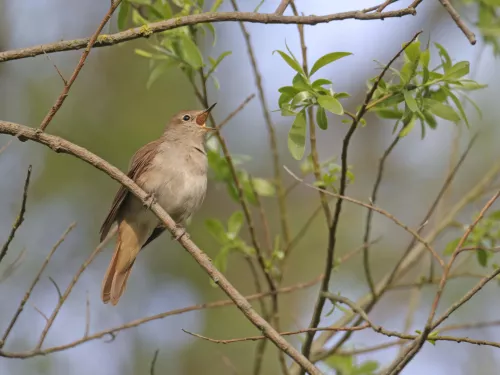
The melodious song of the nightingale is the most likely sign of this bird being about. Shy and secretive, it sings from dense scrub and woodland, day and night.

A lovely pale cream colour to begin with these stout mushrooms begin to turn a buff colour and the cap surface will crack as they age.
Fat hen is a persistent 'weed' of fields and gardens, verges and hedgerows. But, like many of our weed species, it is a good food source for birds and insects.
Sometimes called 'Wild spinach', Sea beet can be cooked and eaten. It grows wild on shingle beaches, cliffs and bare ground near to the sea, as well as in saltmarshes.
Famed for their cunning and stealth, these orangey-red dogs with their bushy tails can be seen in towns and the countryside. They come out mostly at night but can also be seen during the day if you’re lucky!

Sometimes called 'Marsh samphire', wild common glasswort is often gathered and eaten. It grows on saltmarshes and beaches, sometimes forming big, green, fleshy carpets.
Sometimes called 'Wild spinach', Sea beet can be cooked and eaten. It grows wild on shingle beaches, cliffs and bare ground near to the sea, as well as in saltmarshes.
The striking red twigs and crimson, autumnal leaves of Dogwood make this small shrub an attractive ornamental plant. It can be seen growing wild along woodland edges and hedgerows.
The striking red twigs and crimson, autumnal leaves of Dogwood make this small shrub an attractive ornamental plant. It can be seen growing wild along woodland edges and hedgerows.
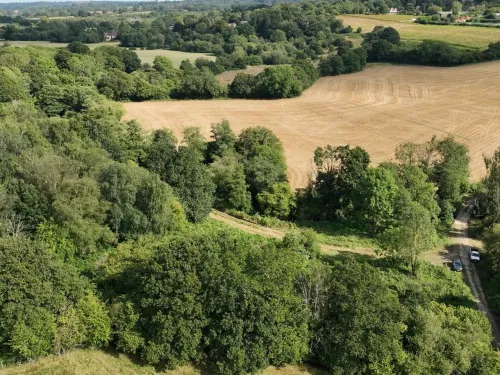
Kent Wildlife Trust's newest flagship nature reserve, where a near-continuous wildlife corridor is being restored across the Kent–Sussex border.
Hedges are strips of woodland edge habitat. Coming in many shapes and sizes, hedges range from narrow strings of closely trimmed scraggy hawthorn bushes sparse in wildlife, to thick bushes, tangled with dog rose, bramble and honeysuckle and overtopped with mature trees. Often the only link between other isolated patches of wildlife habitat scattered across the landscape, thick, flora-rich hedges provide valuable nesting and foraging opportunities for a huge range of wildlife.
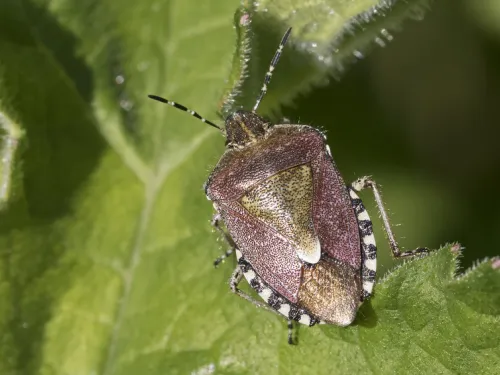
This large shieldbug lives up to its name, bristling with long pale hairs. It's a common sight in parks, hedgerows and woodland edges in much of the UK.
The puss moth is a large and fluffy moth, with a very strange looking caterpillar.
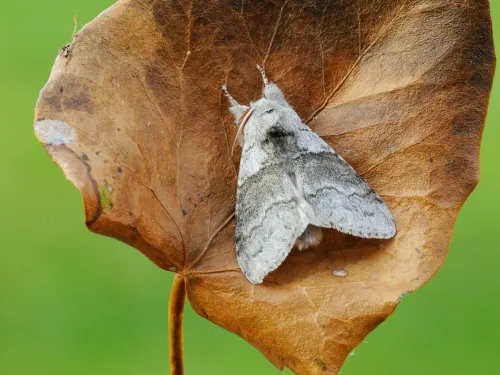
This large, fluffy-legged moth is often attracted to lights in May and June.
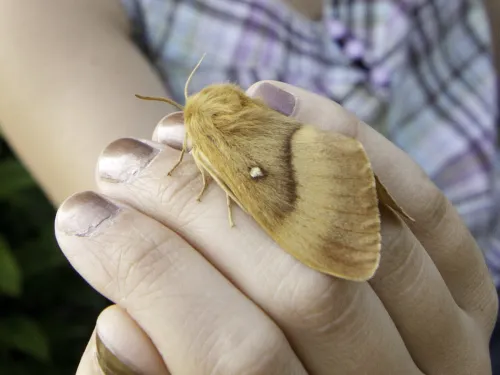
These moths can be seen flying on sunny days, but you're more likely to spot the fuzzy caterpillars crawling over paths.
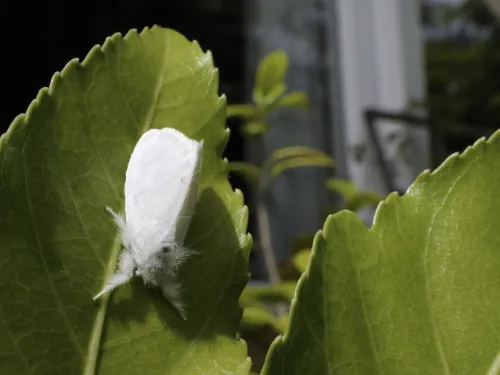
The caterpillars of this fluffy white moth are best admired from a distance, as their hairs can irritate the skin.
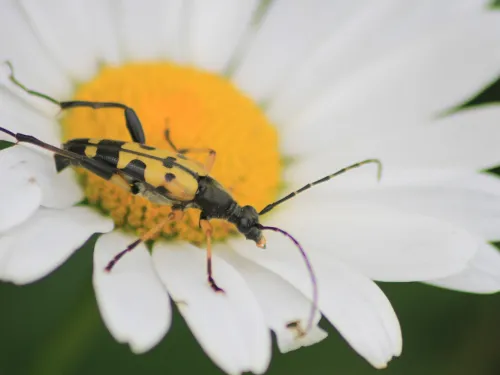
This brightly-coloured beetle is often found feeding on flowers on warm days in late spring and summer.
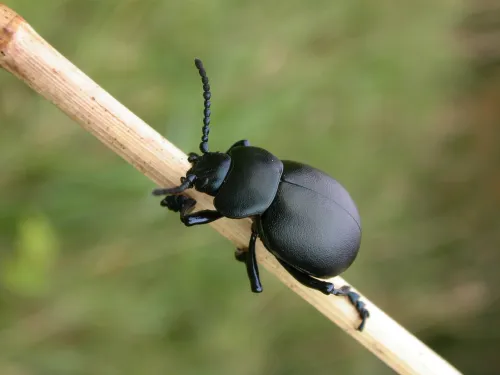
The common name of the Bloody-nosed beetle derives from its unusual defence mechanism: when threatened, it secretes a distasteful blood-red liquid from its mouth. This flightless beetle can be found on grassland and heathland, and along hedgerows.
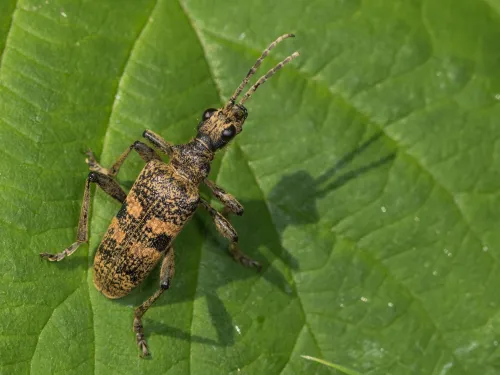
These bulky beetles can sometimes be found on flowers in woodland rides or along hedgerows.
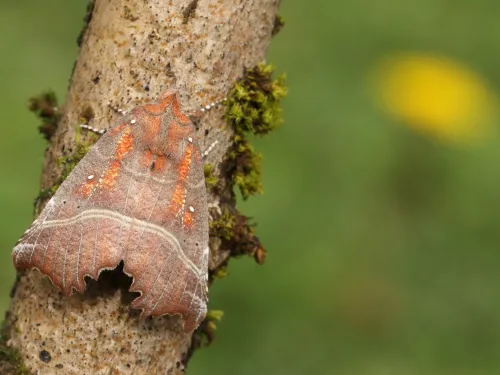
This unmistakable moth spends the winter as an adult, tucked away in a sheltered spot like a cave or outbuilding.
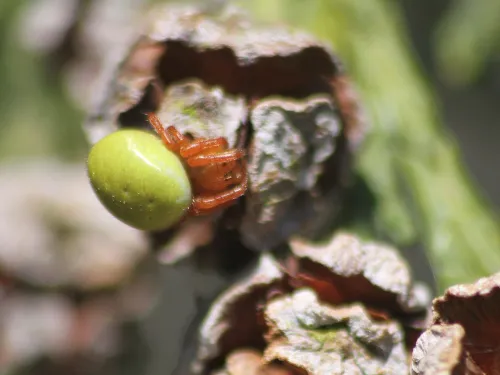
There are several species of cucumber spider, recognised by their bright green abdomen.
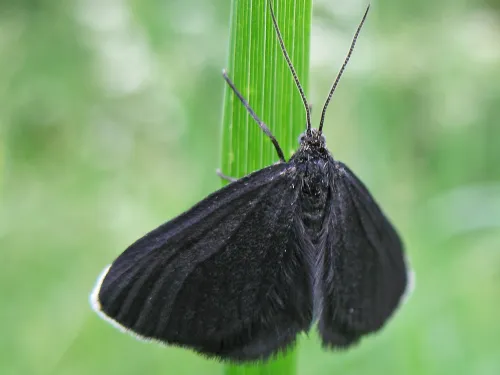
This sooty-black, day-flying moth is active on sunny days, rarely settling in one place for long.
Field elm suffered declines due to the devastating effects of Dutch elm disease, but can still be found across much of the UK.
The striking red crown, golden back, and bright yellow wings of the goldfinch make it one of our prettiest garden birds. It happily visits birdtables and feeders across the UK.
Our most well-known amphibian, the common frog is a regular visitor to garden ponds across the country, where they feast on slugs and snails. In winter, they hibernate in pond mud or under log piles.
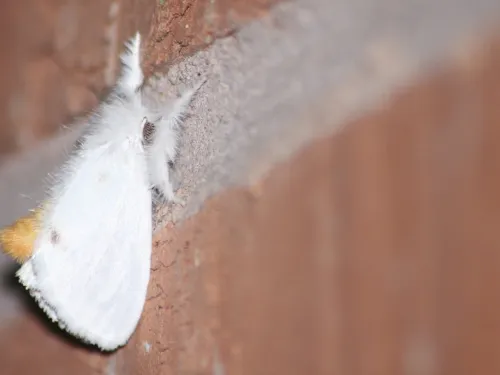
This snowy white moth is easily mistaken for the similar brown-tail, until it lifts its abdomen to reveal a burst of golden-yellow.
The turtle dove is the UK's fastest declining bird species and is on the brink of extinction. A small and pretty pigeon, it breeds in lowland England and winters in Sub-Saharan Africa.
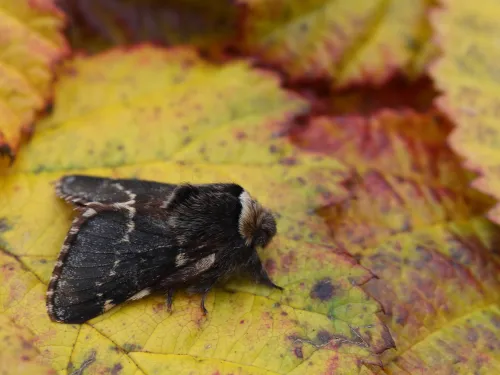
This fluffy moth is one of the few species that fly in winter.
The melodious song of the nightingale is the most likely sign of this bird being about. Shy and secretive, it sings from dense scrub and woodland, day and night.
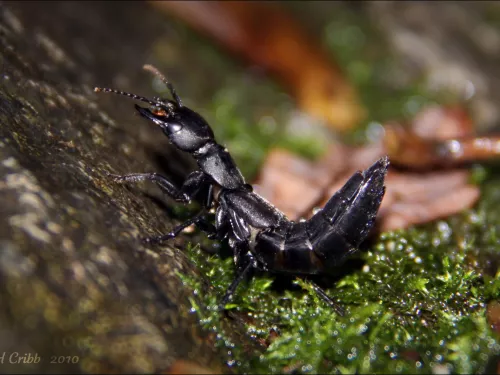
A ferocious and fast predator, the Devil's coach horse beetle hunts invertebrates after dark in gardens and on grasslands. It is well-known for curling up its abdomen like the tail of a scorpion when defending itself.
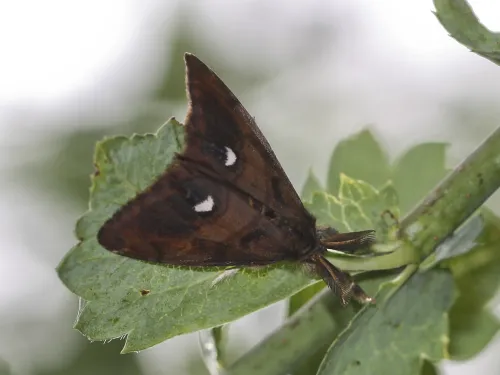
The mohawk-sporting caterpillar of this moth is often seen on shrubs and trees in late summer. As adults the orange-brown males fly by day, but the flightless females don't stray far from their cocoon.
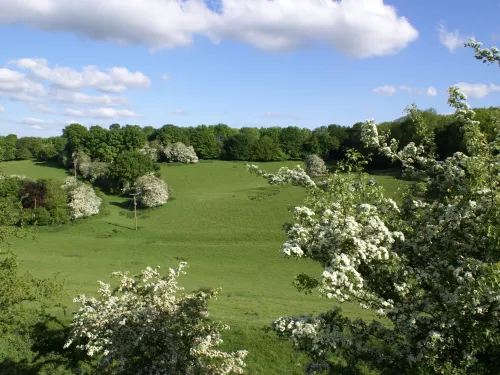
These fragile woods support a diverse mixture of species from mighty oaks and majestic beech to violets and carpets of bluebells.
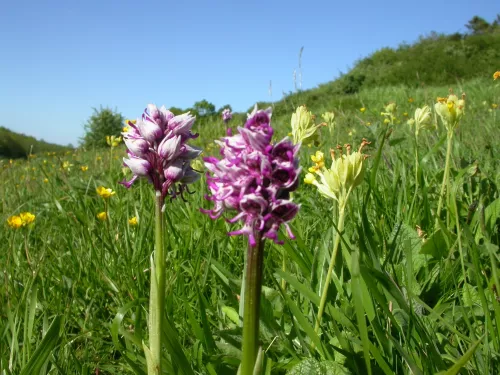
Ancient chalk grassland with a very rich flora.
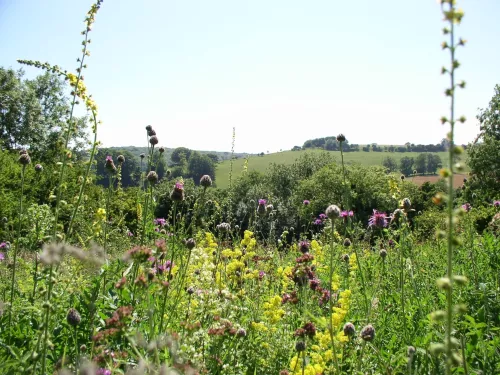
Sweeping downland slopes packed with wildlife on the outskirts of Dover.
Lying along the edge of the river Medway, this patchwork of wet fields and scrub is criss-crossed by ditches and home to many rare and unusual plants and animals.
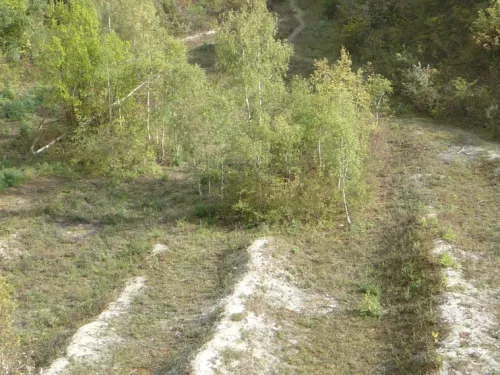
The Culand Pits are a dramatic reminder of the role the cement industry played in shaping the landscape in the Medway Valley. The site is owned by Trenport Investments Ltd who fund the management.
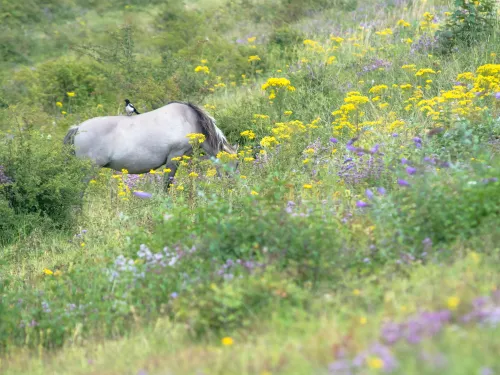
Located next to an industrial estate on the outskirts of Dover, it is hard to believe a nature reserve is there when driving through the estate.
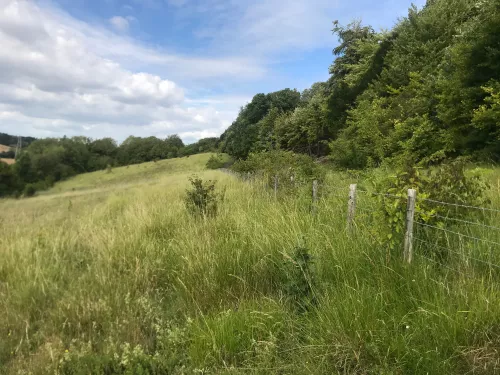
Quilters Wood Reserve is an area of ancient semi natural woodland and chalk grassland situated near Bridge, Canterbury.
Traditional orchards, although essentially a crop, can provide remarkable havens for wildlife. While modern orchards are planted with rows of low-growing, closely planted trees and short grassland, trees in traditional orchards were planted at low densities, were grazed with livestock and cut for hay under the wide canopy. Individual trees are long-lived and managed, and the ground layer is lightly used and free of chemicals.
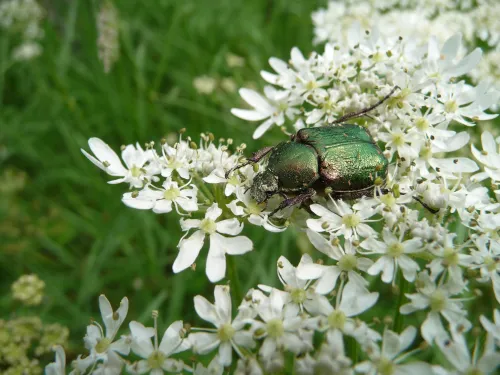
The Noble chafer is a rare and beautiful metallic-green beetle that can be found in traditional orchards. It is on the wing over summer, feeding on umbellifers. The larvae live in the decaying wood of old trees.

The brown long-eared bat certainly lives up to its name: its ears are nearly as long as its body! Look out for it feeding along hedgerows, and in gardens and woodland.

The common pipistrelle is so small, it can fit into a matchbox! Despite its size, it can easily eat 3,000 insects a night: look for it flitting around the garden or a lit lamp post as it chases its prey.

The 'drumming' of a great spotted woodpecker is a familiar sound of our woodlands, parks and gardens. It is a form of communication and is mostly used to mark territories and to display in spring.
Introduced into the UK in the 19th century, the diminutive little owl can now be seen along hedgerows, on farmland and in parkland across England and Wales. It often perches on a pole or rock, looking out for its unsuspecting prey.

The diminutive common shrew has a distinctively pointy nose and tiny eyes. It lives life in the fast lane, eating every 2-3 hours to survive, and only living for a year or so. Look out for it in the garden.

Badgers are the UK’s largest land predator and are one of the most well-known British species. They are famed for their black and white stripes and sturdy body, using their strong front paws to dig for food and to perfect their hobbit-like burrows, called ‘setts’.
The stoat is a small mustelid, related to the weasel and otter. It has an orange body, black-tipped tail and distinctive bounding gait. Spot it on grassland, heaths and in woodlands across the UK.

Ancient Woodland with large areas undergoing restoration from more modern commercial forestry.

This remote and tranquil reserve comprises woodland, nesting within an area of pasture and orchard.