What is an indicator species?
Indicator species can provide valuable insights into the environmental conditions of a particular area. Learn more about them and what they mean...
We have smashed our £120k target and thanks to your help, we've unlocked an incredible £131,415 overall for Amazing Grazing! Whether you donated through the Big Give or otherwise, we have been blown away by your support - thank you.
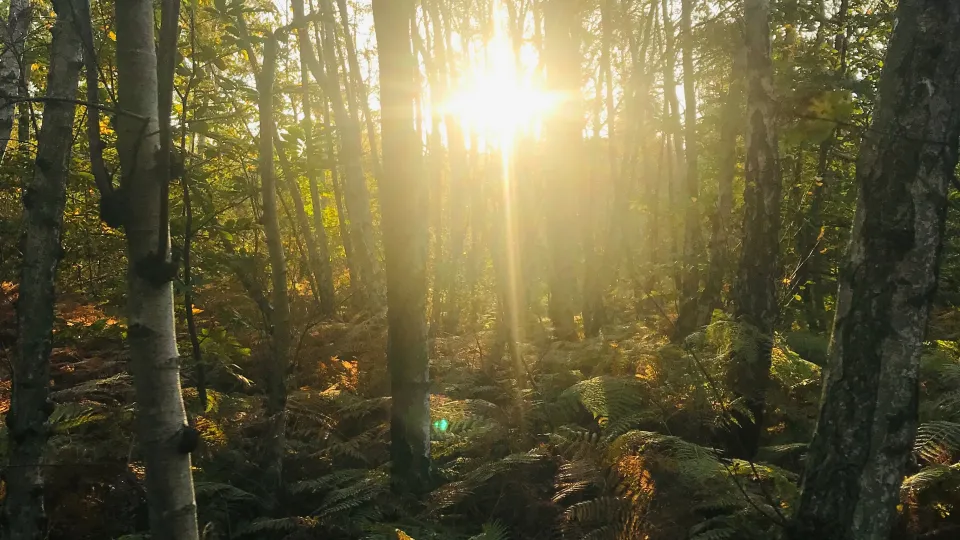
Asked to picture an ancient woodland, our minds conjure thickets of gnarled, towering trees where you could easily slip off the path and find yourself amongst the fellowship on the way to Mordor or perhaps come face to face with a witch. The truth is, though our imaginations may run wild when out amongst nature, it may not be so far off.
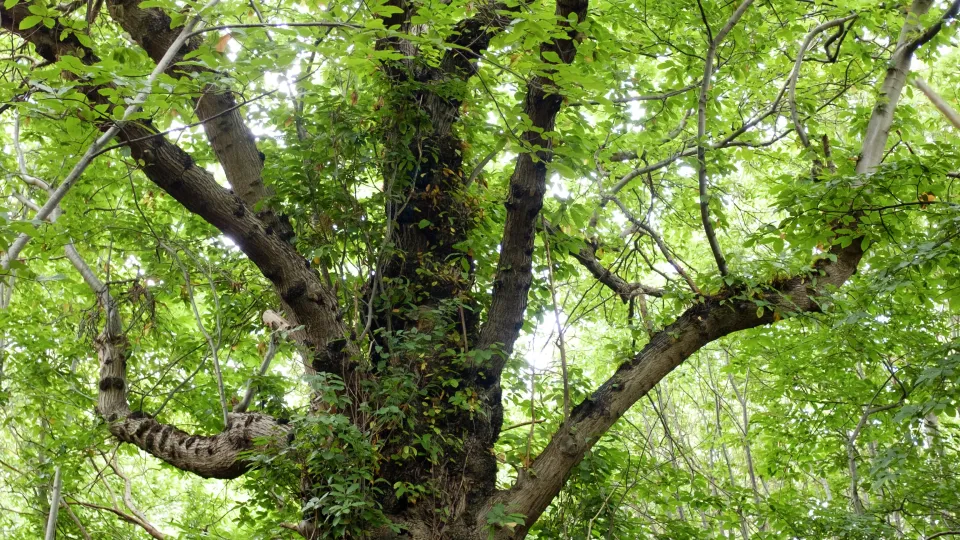
With just 7% of UK woodlands in good ecological condition and ancient woodlands now covering just 2.5% of the country, Kent Wildlife Trust launches an urgent fundraising appeal to save one of Britain's most precious habitats.
Our woodlands are the lifeblood of our county, our country, and our planet. Donate to Wilder Blean: Wilder Woodlands between the 2nd and 9th December to double your impact!
Ever wondered how planting trees or restoring soil can help fight climate change? Carbon sequestration is nature’s quiet housekeeping - learn more in this blog.
Healthy ecosystems give us everything we need to survive: water, clean air, food, and raw materials for building, making medicines... Learn more here.
In this blog, we're taking it all back to our purpose – the ‘why’ behind Kent Wildlife Trust. Not our strategic goals and plans, but what wildlife means to us. Why do we care about creating a wilder county anyway?
Habitat fragmentation poses significant threats to biodiversity and climate stability. In our lifetimes, we’re witnessing dramatic changes in the landscapes around us and the species that inhabit them.