

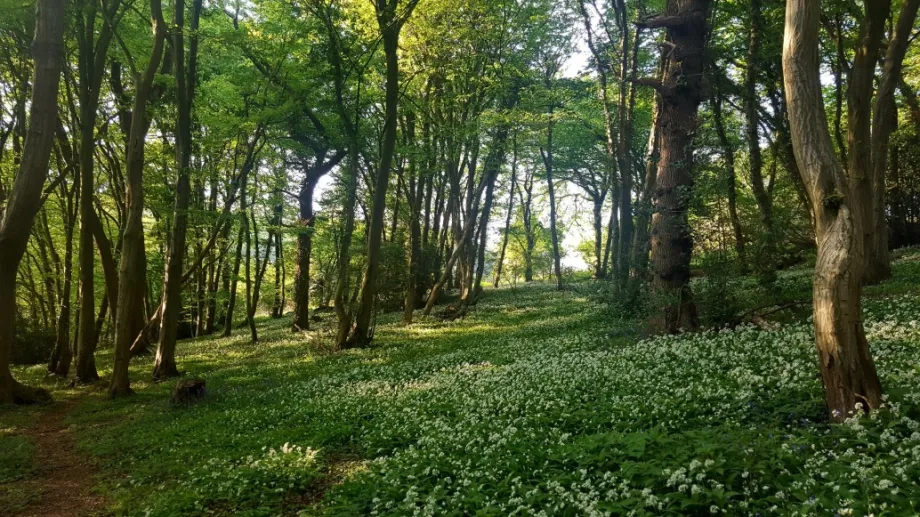
Quarry Wood
So what makes a woodland ancient?
Ancient woodlands are likely to have developed naturally over hundreds of years. However, the key is not actually the trees themselves, but in fact the soil their roots are embedded in. This soil is unique due to hundreds of years of uninterrupted decay that has provided an abundance of nutrients that allow for growth in biodiversity. This distinct environment means that specific plants and fungi thrive here and many species of insects and birds rely on these spaces for habitat. These specific species can also help us identify the woodland, and are used as indicator species.
So how do you identify your local woodland?
Indicator species reflect the state of the environment they’re in, and when they change or disappear, it can alert us to issues within that area. An indicator of ancient woodland is the barnacle lichen, commonly found all across the UK; it grows on the bark of living trees and is indicative of longstanding woodland conditions.
Other species that you can keep an eye out for when walking through woodlands like Brenchley Wood, is wood anemone or enchanter’s nightshade, as these are both indicators that the woodland is ancient.
Unfortunately, most plants that grow in ancient woodland are under threat because they are slow to colonise, this means that they take longer to take root and even longer to spread. Due to this, they are forever in competition with plants with a higher growth rate and are often overtaken by invasive species. Ancient woodland now takes up only 2.5% of the country and is still rapidly declining. There are many reasons for this decline, but the majority of it is due to urban sprawl and with the increase in population, the rise in need for development but also, overgrazing and the influx of conifer plantations have added to these low numbers.
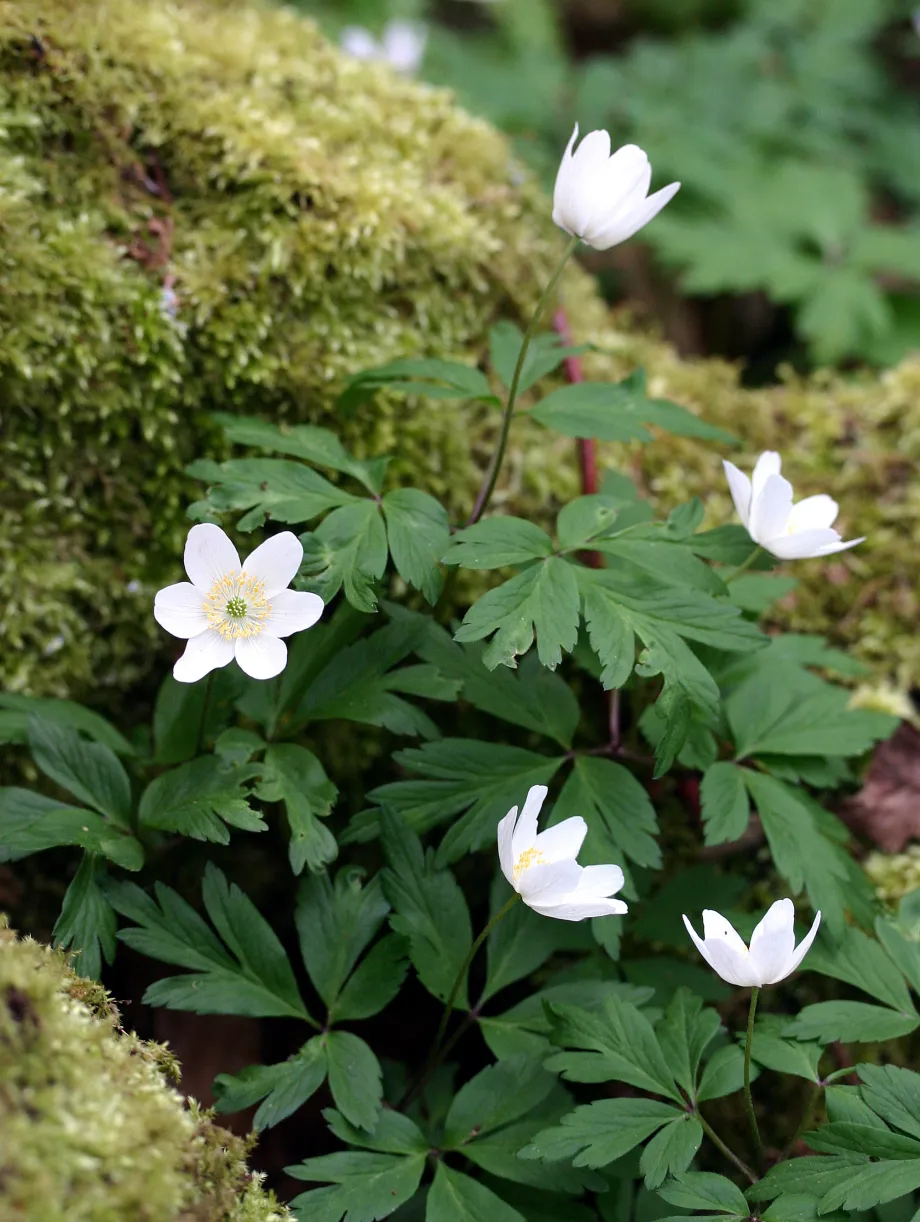
Wood anemones. Jim Higham
Why is ancient woodland so important?
Woodlands help combat climate change in many ways, but most commonly known is their ability to store masses of carbon. Each year, they are able to absorb a potential of 21 million tonnes of carbon dioxide a year. Woodlands are also lesser known for their importance in flood control; woodlands provide canopy cover that slows down rainfall, root systems that expand water storage underground, and dams that help reduce erosion.
Managing woodlands in ways such as coppicing (periodically cutting a tree down to ground level to stimulate growth) has declined and, as a result, woodlands have been left unmanaged and therefore opportunities for wildlife to thrive is declining within these areas.
Recent government data revealed that 59% of woodland bird species have declined since 2015 and as woodland species are not always mobile, the fragmentation of their habitat means these isolated wildlife populations are at risk of extinction. Already in Kent, widespread species like the willow tit are rapidly disappearing from our woodland.
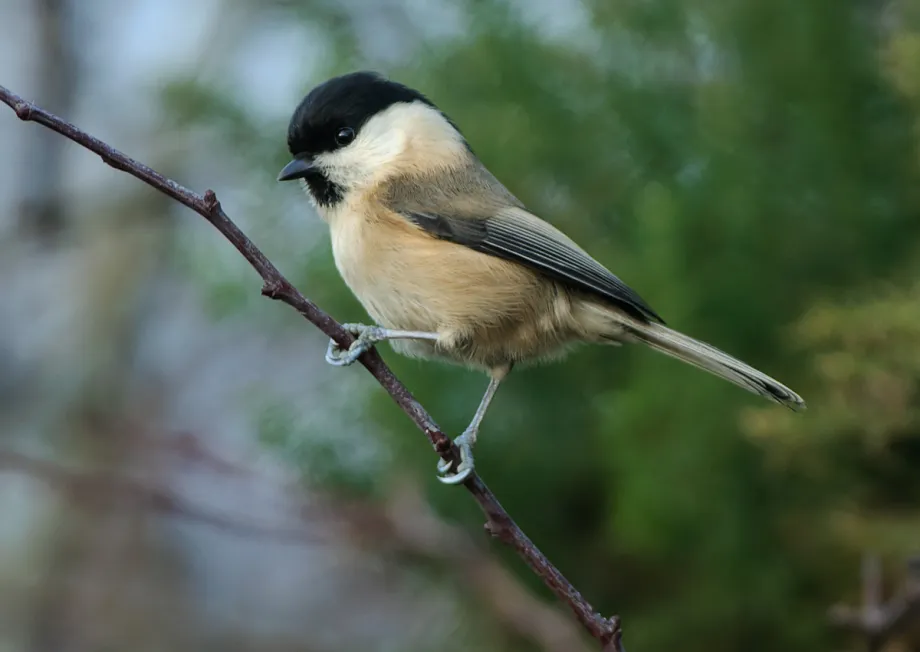
Willow tit. John Bridges
What are we doing to combat this?
The Government has set a target to restore 30% of land and sea for nature by 2030 and we know this is possible with your help.
We’re expanding and regenerating these threatened woodland through projects like Wilder Blean. Bison, known to be natural ecosystem engineers, have been able to enable other species to thrive by grazing, dust bathing, eating bark and felling trees. The presence of bison at the West Blean woodland will transform the woods into a lush, thriving, biodiverse environment once more and allow us to step back from hands-on management.
Through the KWT Nature Restoration Fund, we’re trying to restore these habitats and reverse species decline. It’s our most ambitious fundraiser yet as we’re trying to raise £3 million, but with your help and our expertise, we can turn degraded land back into the thriving ecosystems they were. Your generosity has already seen us purchase, restore, and protect some of Kent's most iconic natural spots, and save our threatened species, but there is still more to do.
There are many ways you can help; donations are always appreciated, but you can also donate your time by volunteering at a local Kent reserve, speaking out about our campaigns, or perhaps adopting a species - the perfect gift! There are many ways to get involved, and your support means so much to us at this time.

Nature Restoration Fund
You can make a real difference to our woodlands in Kent. We’re on a mission to raise £3 million to restore habitats and reverse species decline by 2030. A once-in-a-generation opportunity to fund nature’s recovery in Kent. Will you be part of it?