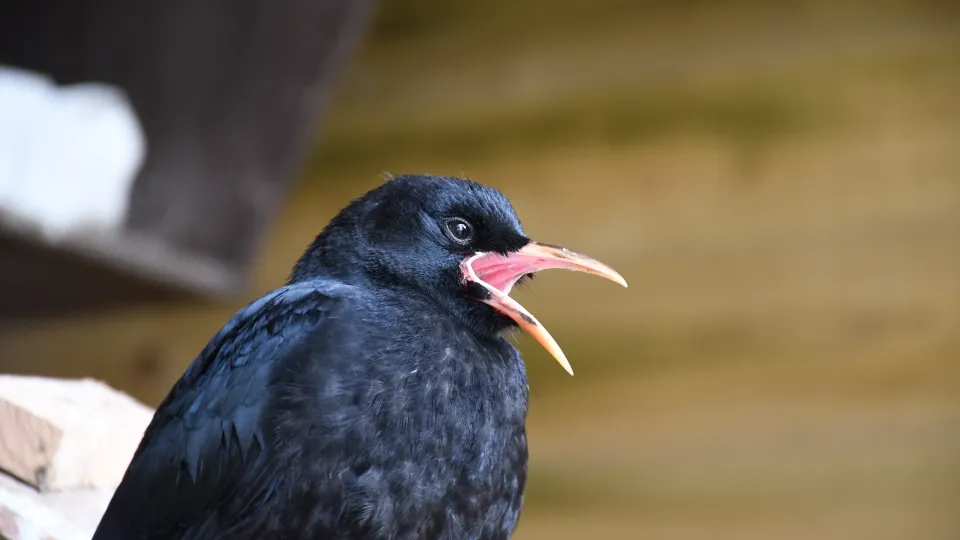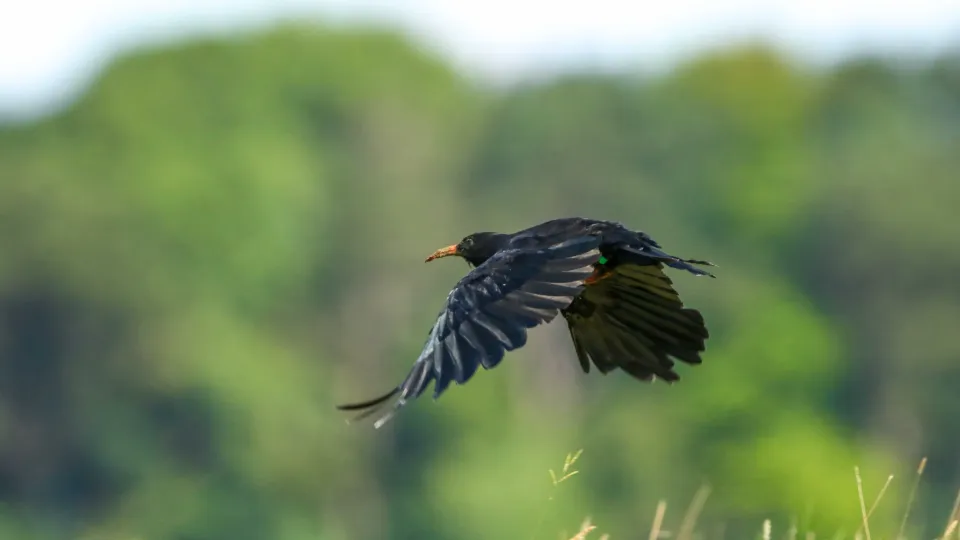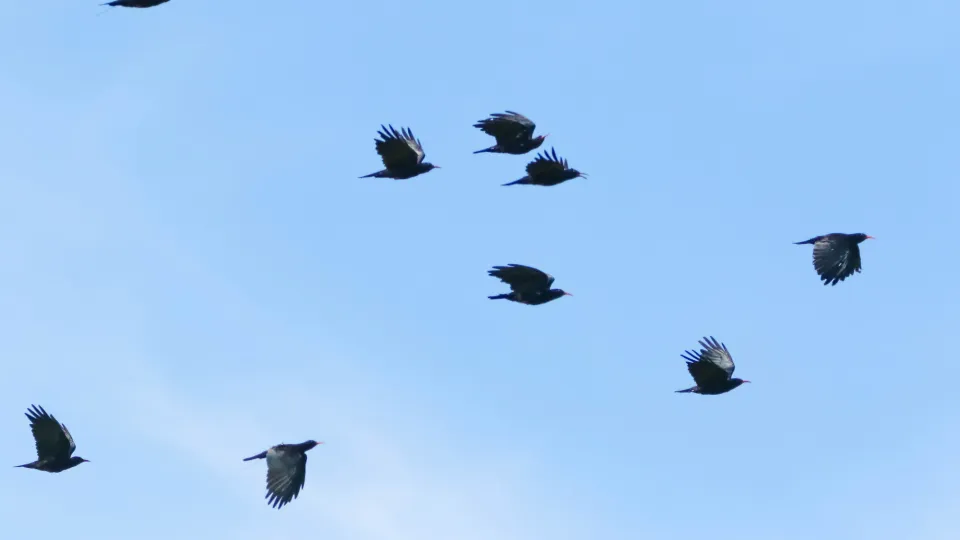
Red-billed chough recovery in Kent takes flight as wild population grows
Eight wild-born chicks this year and an expanding range across county mark a turning point for the species' return after 200 years.
New study maps areas of land across the country that could support the recovery of one of Britain's most iconic mammals.
Three-year funding from Natural England will support projects to strengthen beaver populations, protect rare woodland invertebrates and recover threatened species.
Kent Wildlife Trust's Chough Appeal is more than just a conservation initiative—it’s a powerful tool for community engagement and education. This blog is written by Jenny Luddington, the Youth Education and Engagement Officer for Kent Wildlife Trust...
A total of nineteen red-billed chough have now released into the wild as part of a groundbreaking conservation project to return the at-risk species to Kent.
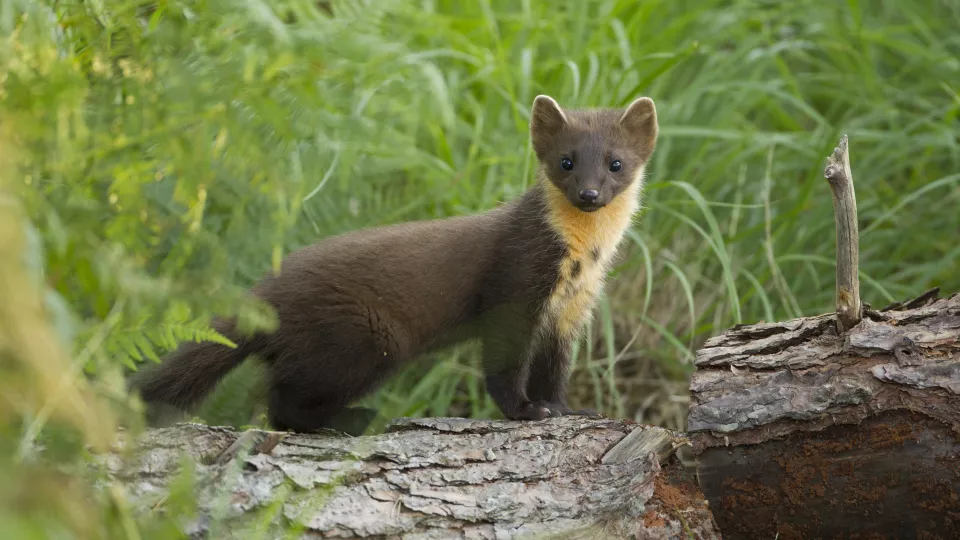
Now what's the difference between a weasel and a stoat? Well, of course one is weaselly recognised while the other one is stoatally different. But could you tell a pine marten from either of them?
Choughs breed in the wild in the Kent for the first time in two centuries as the second season of releases gets underway.
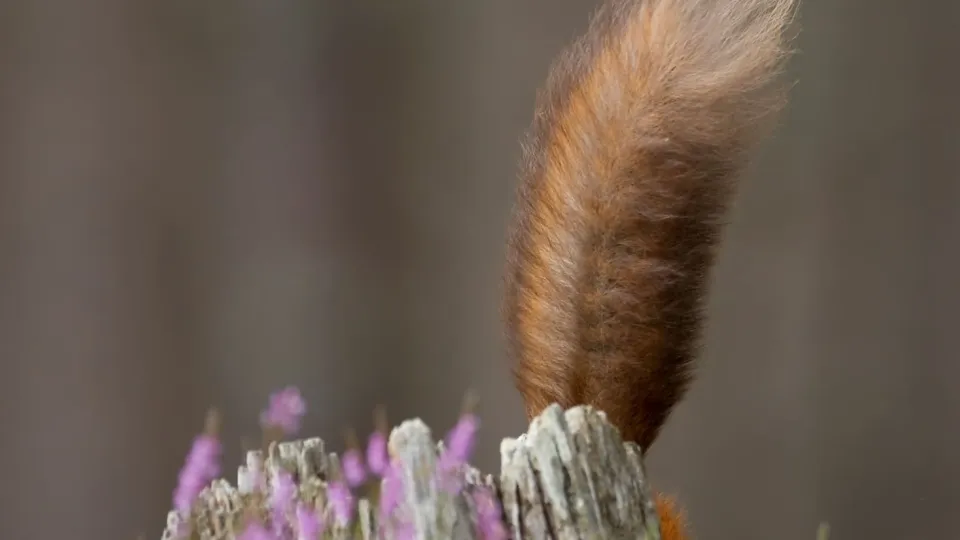
We couldn't let Squirrel Appreciation Day (21st of January) pass without doffing our caps to these agile, speedy, intelligent mammals and shining a spotlight on the grey and red squirrels that live in the UK.
This year, Kent Wildlife Trust, in collaboration with Wildwood Trust and Sussex Wildlife Trust, Ashdown Forest and Forestry England, is beginning to explore the social and ecological feasibility of reintroducing pine martens to Kent and Sussex, while co-developing a ten-year strategy with a wide range of stakeholders to restore the species in the South East.
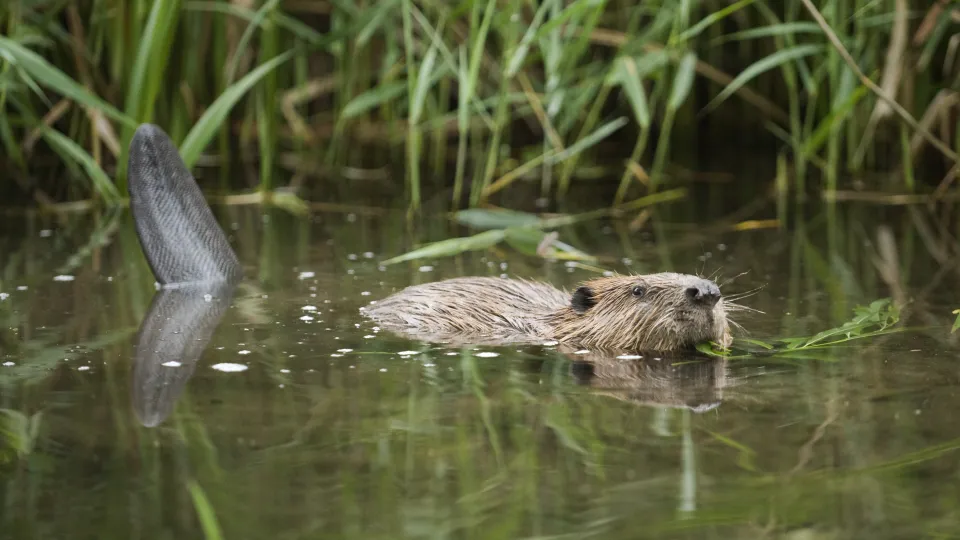
Education Manager Tom White tells us about his first experience seeing a beaver in the wild.