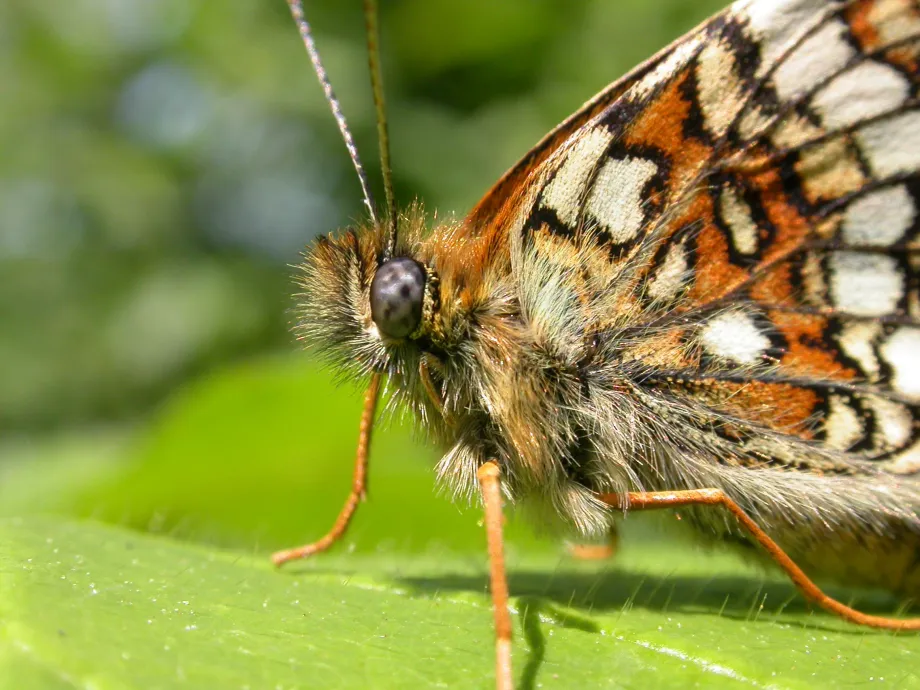
Heath fritillary butterfly. @Kent Wildlife Trust
Alongside this work, Kent Wildlife Trust will contribute to a range of collaborative projects helping threatened species recover across Kent and beyond.
Securing a future for turtle doves
Once a familiar sight and sound of the Kent countryside, turtle dove numbers have declined dramatically in recent decades. Led by the RSPB and in partnership with, Natural England and Marden Wildlife, the project will help improve understanding of where the birds are now and support conservation work in the places where they have the greatest chance of recovery.
Tony Juniper, Natural England Chair, said: "For decades Natural England's vital species recovery work has revealed how even the rarest of the rare can be brought back from the brink. The red kite, lady's slipper orchid, pool frog, beaver and large blue butterfly are among examples that demonstrate the many opportunities at hand and what can be achieved for nature and wider society.
“We know that good science and effective partnerships can help restore species to favourable status, and this funding will enable us to support many initiatives to help halt and reverse the decline of our wonderful wildlife."
Kent Wildlife Trust is also supporting the recovery of a number of other threatened species, including:
- Safeguarding the Dusky-lemon Sallow moth, led by Kent County Council Plan Tree and in partnership with Kent’s Plan Bee, Royal Botanic Gardens Kew, Butterfly Conservation, Kent Countryside Partnerships, The Tree Council and local conservation partners. The project aims to identify which elm trees provide the best habitat for the Dusky-lemon Sallow moth, helping to guide future elm tree planting and habitat management across Kent.
- Ensuring the Future of Threatened Moths, led by Butterfly Conservation. After its discovery last year, the project will learn more about the Dover twist moth, including its diet, habitat and why it is so rare. The team will also plant marshmallow plants to encourage the marsh mallow moth and use drones to study the breeding behaviour of the scarce aspen knot- horn moth.
- Wart-biter cricket recovery, led by Buglife. The wart-biter is one of the UK's largest crickets, restricted to a handful of sites nationally. Kent Wildlife Trust will deliver habitat management work at its Lydden Temple Ewell nature reserve to help this species spread beyond its current range.
- Red-billed chough reintroduction, led by Wildwood Trust. The project will use DNA analysis to uncover the diet of Kent's reintroduced choughs, combined with surveys of key foraging habitats, to identify the best places to support future population expansion. Kent Wildlife Trust will support the project with survey design, GIS mapping, and data analyses.
- Water vole recovery, led by Waterlife Recovery Trust. The project will deliver water vole recovery across a suite of contiguous counties in Southeast England by means of eradicating American mink. Kent Wildlife Trust will work with partners and farmer clusters to expand trapping within Kent.
- Nightingale recovery - The British Trust for Ornithology is leading a national Species Recovery Programme project on nightingale with Adonis Blue Environmental Consultants (ABEC) as core partner. Kent has the most nightingales in the country so has an important role to play in the species’ recovery. Research will include continued tracking studies to boost knowledge about nightingale habitat use.
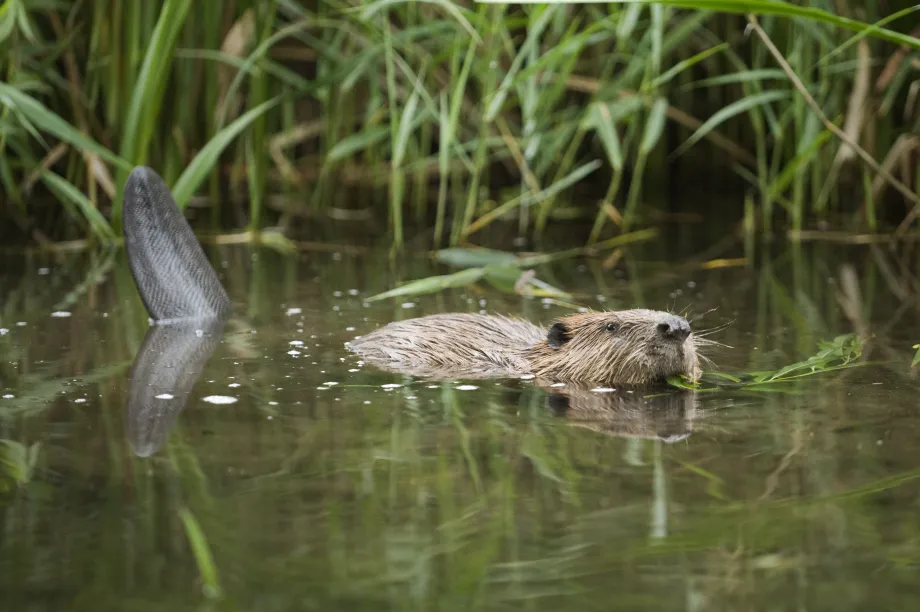
Beaver @ Terry Whitaker