Dragonflies spend a lot of time around water, because they lay their eggs in or near water, which then hatch to produce stumpy, wingless larvae. These larvae spend up to three years under water feeding on other aquatic insects, tadpoles and even small fish. When they are ready to emerge, they climb out of the water onto stems of vegetation and a fully grown adult will squeeze out of the larvae’s abandoned skin.
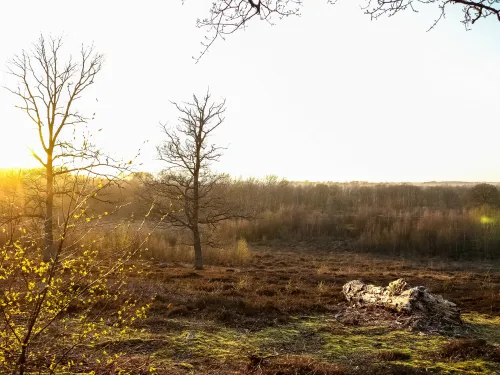
Dragonflies seem to like heaths and bogs. In fact, about a third of all British dragonflies live exclusively on heathlands. The soil and water are very acidic, which means that there are not many fish to eat the young dragonflies – the pools also tend to stay warmer, which speeds up growth.
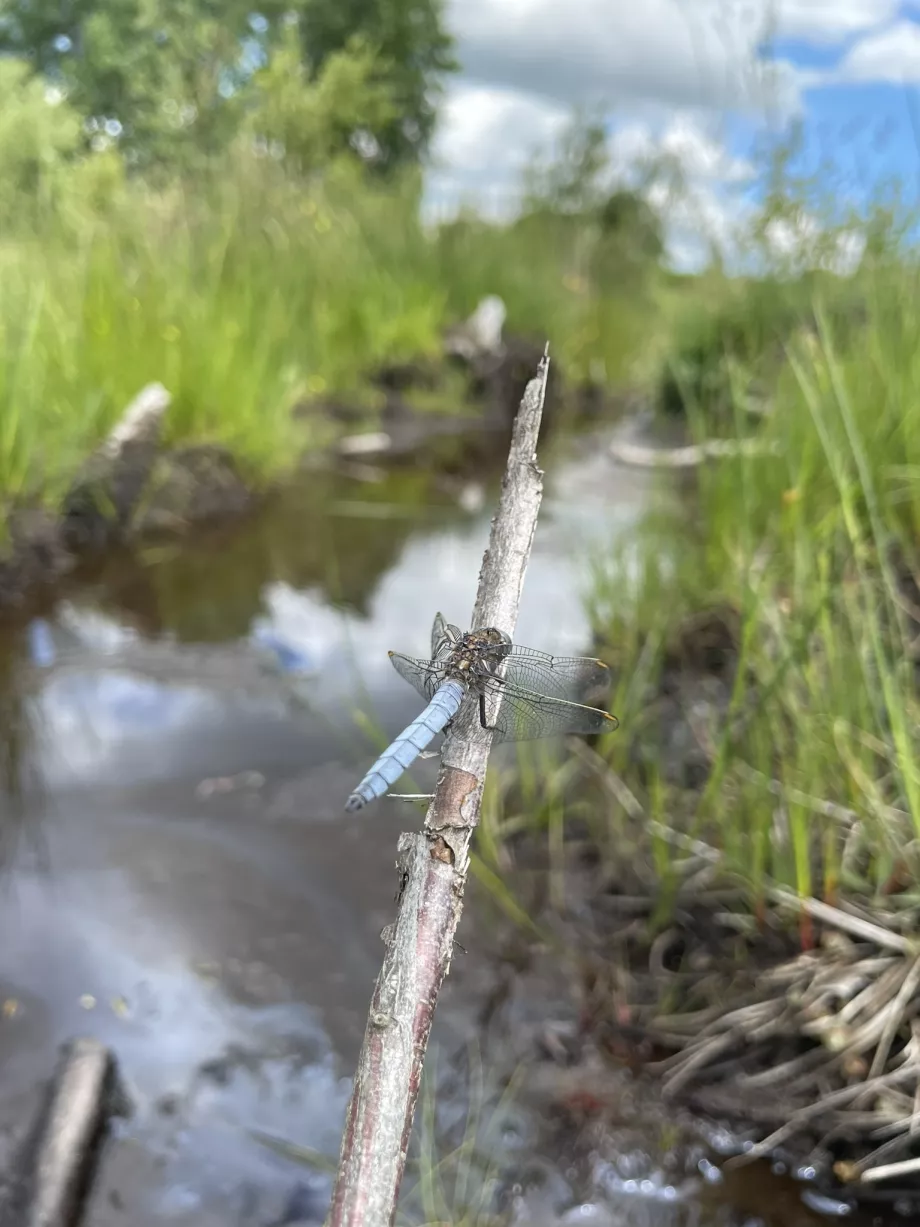
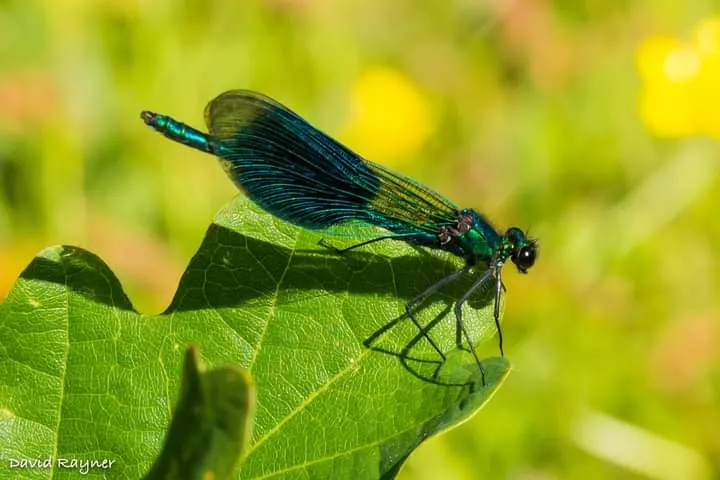
Over 17 species of dragonfly are known to hunt or breed on the reserve, and include the banded demoiselle with it’s metallic blue body and big blue/black band on its wings, the keeled skimmer, found nowhere else in Kent, and the emperor, which, as the name suggests, is one of Britain’s biggest! This year our surveyor Rob Insall has found a colony of the beautiful demoiselle, a species similar to the banded demoiselle, but with solid black wings.