
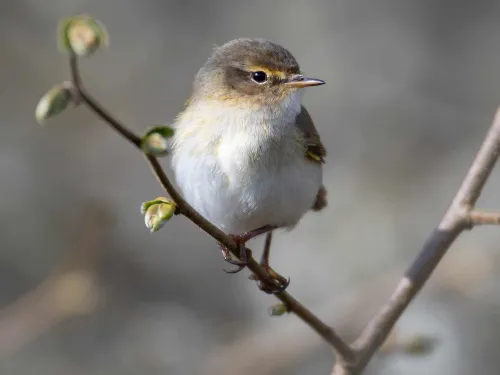
Top migratory birds to spot this spring
Have you heard an extra harmony in the dawn chorus recently? You might be hearing the passerines (songbirds) that have been migrating north to breed after spending the winter feeding in warmer climates.
Learn more about the wildlife and wild places in Kent and beyond.
Have you heard an extra harmony in the dawn chorus recently? You might be hearing the passerines (songbirds) that have been migrating north to breed after spending the winter feeding in warmer climates.
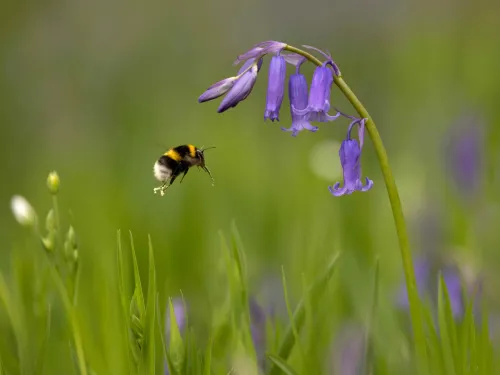
The glossy green spears that pierced dense leaf litter in late winter are now transformed into sheets of violet-purple-blue in the woodland edges of the reserve. The magical bluebell weeks began fairly early, a soft scent and a flood of colour that changes with the light and is tricky to catch accurately in photos since the flowers are not one solid colour.
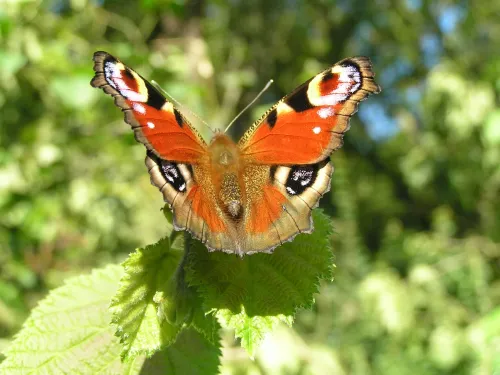
It’s all happening, and unlike February, this month you can see and hear the signs, including the welcome trickling of water thanks to leaky dams and, yes, an awful lot of rain, so the squelch of mud on paths as well. Birds are calling, to defend territory, attract a mate, claim their space in roosts or just celebrate the dawn.
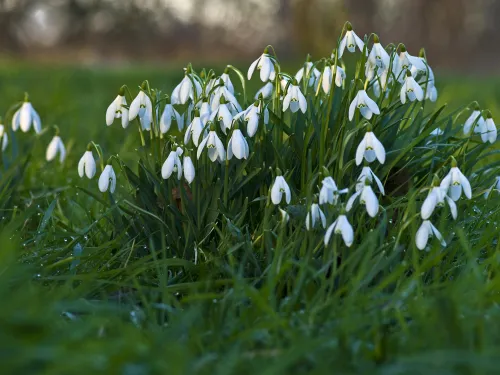
In February, the first British wildflowers are beginning to poke out from the seemingly dormant undergrowth, a sure sign that spring is on the way!
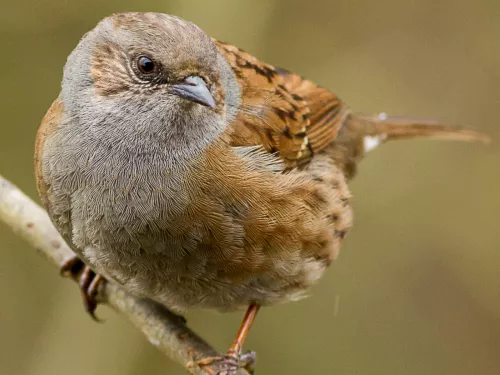
Margery Thomas, volunteer at Hothfield Heathlands, gives us an update from the reserve, where the first signs of spring are stirring!
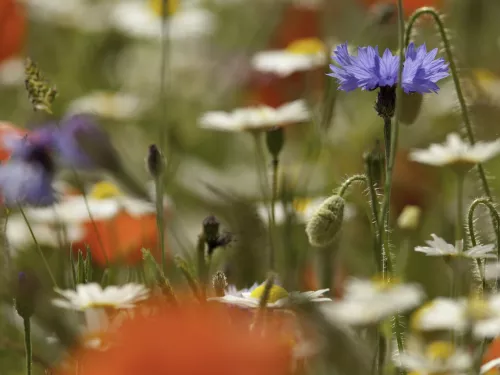
How to help wildlife this season, and tackle the climate and nature crises at the same time.

Please be an aware and responsible dog walker to help us keep Kent’s wildlife safe this spring.
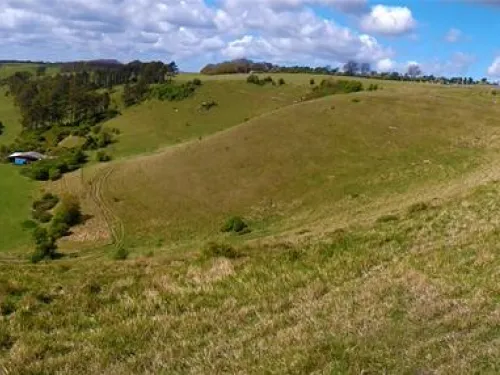
Lydden Temple Ewell is a massive reserve, home to a host of exciting and often rare species of birds, plants and insects - many of which have started emerging in these spring months.