

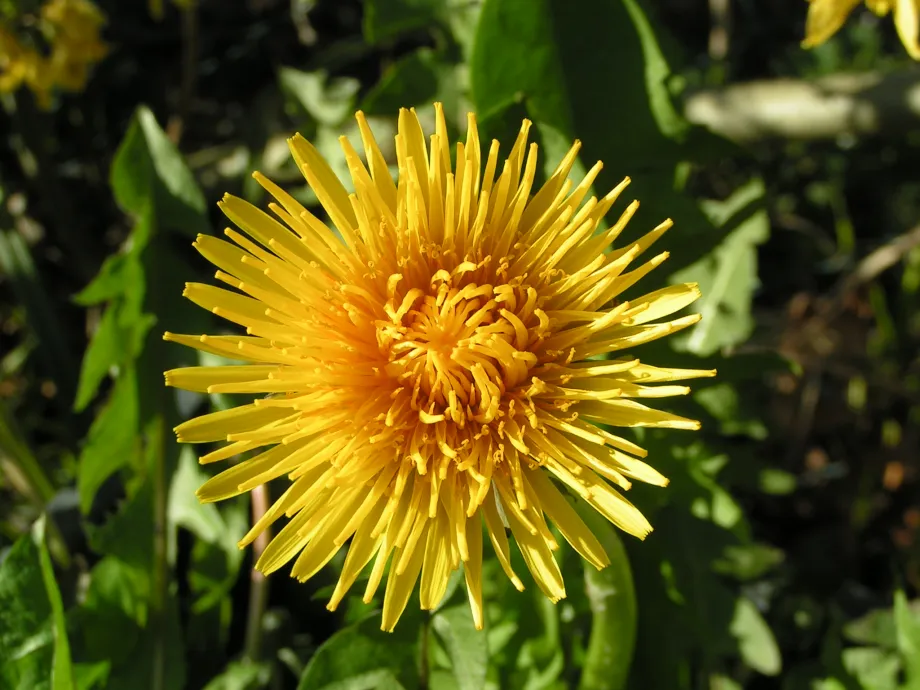
Dandelion. ©️Richard Burkmar
The volunteers work on the reserve regularly, as well as on various sites across Ashford. Areas that they have cleared of trees and shrubs close to existing ling colonies are showing very positive results, with ling seedlings developing well, for example on the slope north of the main bog and on the side of the ‘new’ wooden boardwalk. Ling spreads vegetatively, stems lying on the ground growing adventitious roots. The miniscule seed is dispersed further afield by the wind. With trees no longer sucking up the water, it’s very pleasing to see the boggy puddles and pools that have formed in these cleared areas, increasing the habitat of one of the key plants that makes this reserve so significant.
May the sun shine on walkers, volunteers and early butterflies this month.
Margery Thomas
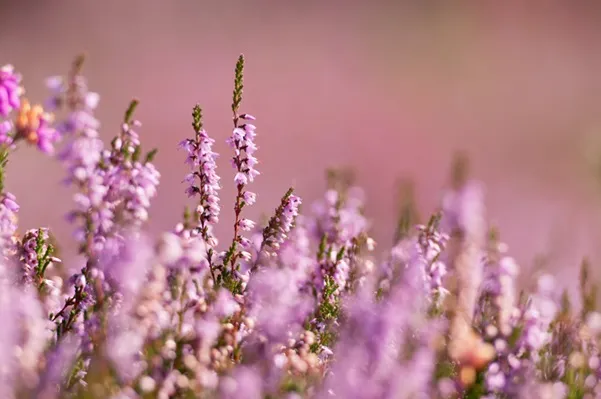
Like the Heather soon to be emerging at Hothfield. ©️Ross Hoddinott/2020VISION
Dogs on leads
Dear neighbours. From the beginning of March until the end of August, we will be asking again for owners to keep dogs on leads across all the open areas of Hothfield Heathlands (grassland, heather, scrub). This is a legal requirement for anyone visiting Open Access land such as this reserve.
Dogs off leads are one of the biggest causes of wildlife disturbance. Ground nesting birds are particularly at risk, with 66% of these species in decline in the UK. Keeping dogs on short leads will benefit other wildlife that can be harmed or disturbed by enthusiastic canines – from snakes to mammals to amphibians. It also prevents problems with dogs chasing grazing livestock. Dogs can remain off lead (under control) through mature wooded areas, around the perimeter of the reserve. Birds nesting in wooded areas are less sensitive to dog disturbance.
The decline in wildlife across our country is reaching catastrophic levels. With increased numbers of visitors to the reserve, we need to ensure there is still space for our wildlife to survive alongside us. With your help we can make a difference to wildlife on our doorstep. Thank-you to everyone for helping us to protect and support our wildlife.
See more information on our dogs policy here.
Ian Rickards, Area Manager, Kent Wildlife Trust
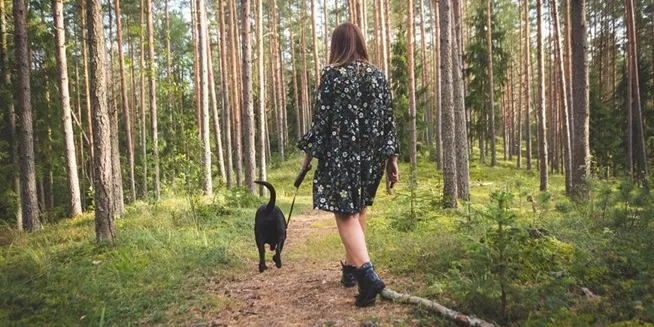
Dog walking on a lead

Visit Hothfield Heathlands
A visit to Hothfield Heathlands is a visit to one of the last remaining heathlands in Kent. After walking through a narrow canopy of broadleaved trees, you break through to reveal the wide-open landscape of Hothfield Heathlands. The spring will bring with it the fresh green growth of Heather, gorse and a myriad of tiny plants.