

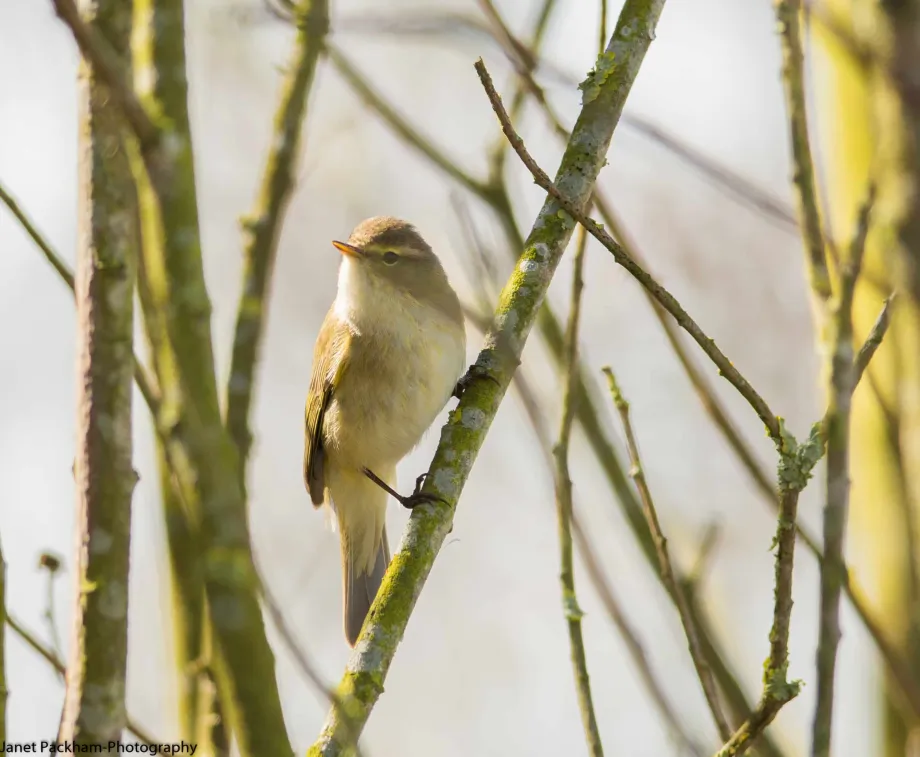
Chiffchaff. ©️ Janet Packham
Whitethroat
Aptly named, these birds are around the size of a great tit and have bold, white throats. Less fond of urban areas, these birds are found in areas like Oare Marshes. You’re more likely to see a male whitethroat first as they arrive in the UK about 10 days earlier than females as they set up their territory and they can be identified by their sandy-grey back, grey head and bright white throats. They nest in hedgerows and scrubby areas so maybe hold off on trimming any hedgerows in rural areas till summer.
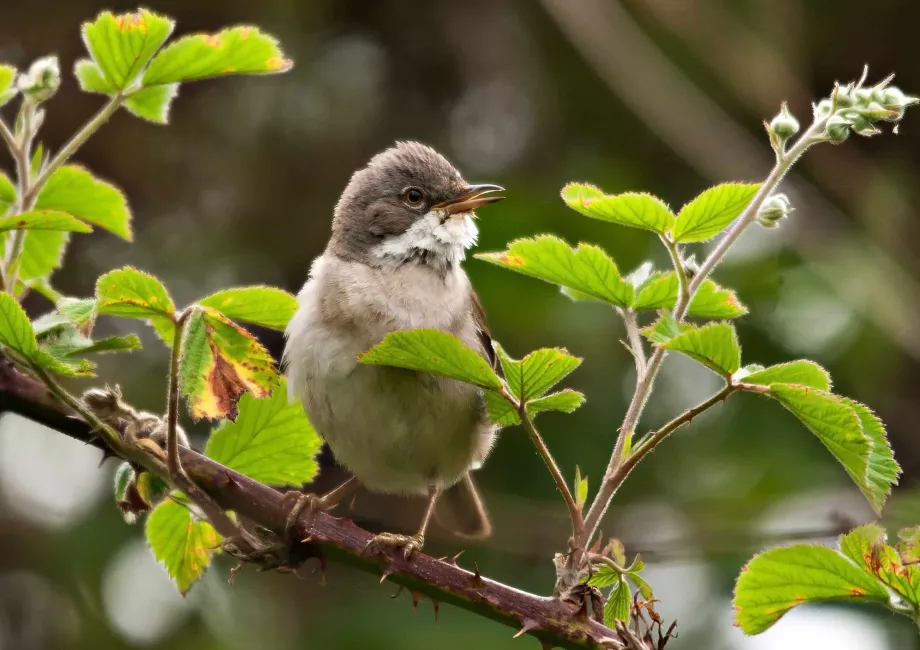
Whitethroat. ©️ Bob Coyle
Cuckoo
Arguably one of the easiest songs to identify, the cuckoo’s song is the sound of spring. A clear “cuck-oo” is their call, but is only made by the male. Keep an ear out for this call in areas like Blean Woods as they’ve been spotted there already this year! Though popular among birdwatchers, these birds are brood parasites, meaning they don’t build their own nests and instead choose to lay their eggs in other birds’ nests, fooling them into raising their young. Despite this, they are in decline as the nest they put their eggs in belongs to species also on the red list. Cuckoos rely on caterpillars as their main food source and as wild areas are disappearing as manicured gardens are on the rise, their food source is at a shortage. Consider letting a patch of your garden go wild as helping caterpillars nest in areas abundant with nettles helps boost the food sources for these birds.
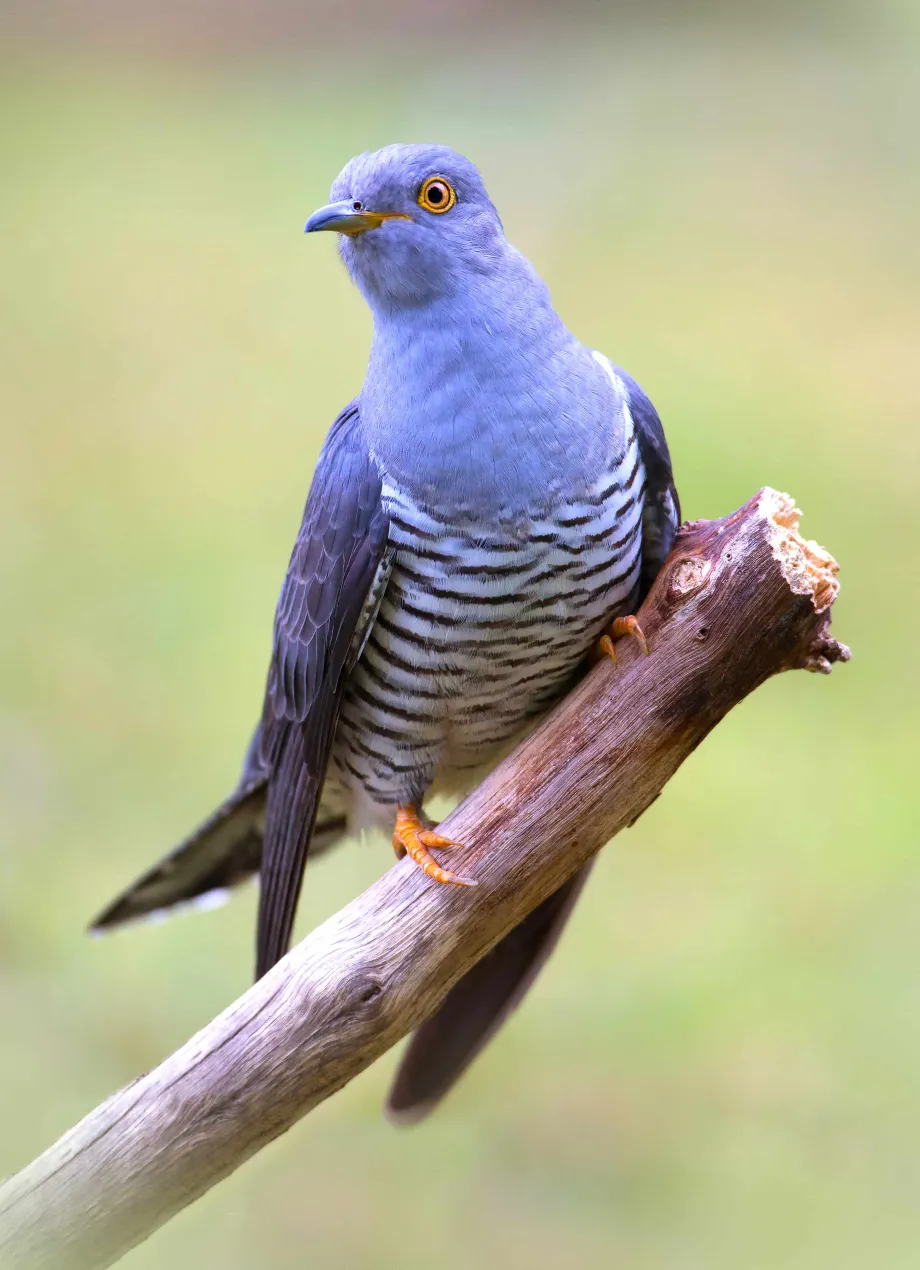
Cuckoo. ©️ Jon Hawkins - Surrey Hills Photography
Swift
The loudest of the bunch come along in screaming parties (yes, the actual term) where they mark their territory and mark their bond as a group. Swifts are the fastest birds in level flight so here’s some identifying things you can spot when you think you catch a glimpse of a Swift: sickle-shaped wings and forked tail. They are usually spotted flying over rooftops because they nest in urban spaces using tiny crevices in roofs and fascia boards leaving very little evidence that they’re there. But unfortunately, these birds are in serious decline because of a reduction in insect population and habitat loss. Installing a swift box on your house is a great way to help these birds nest. Love these birds? Why not consider joining a local group in your area - like Thanet Swifts - to help to monitor the population or log any sightings on Swift Mapper.
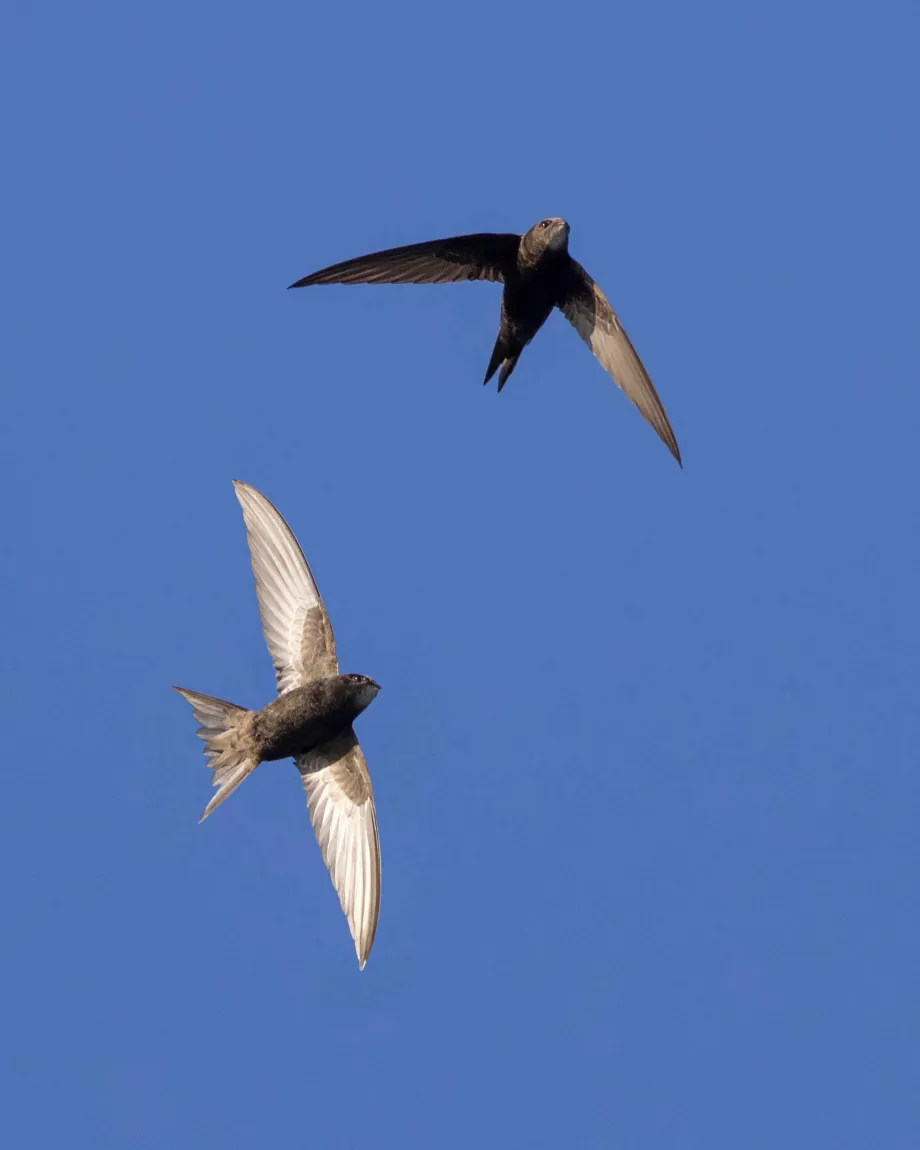
Swifts. ©️ Jon Hawkins - Surrey Hills Photography
Swallow
Swallows are often confused with swifts and house martins because of their similar shaped wings and tail but swallows have a longer forked tail which is quite distinctive in flight. They also have a red and white neck. They are often spotted flying low over fields catching insects and most commonly nest in barns and open buildings. Keep an eye out for them in areas such as Lydden Temple Ewell as they like open areas and farmland.
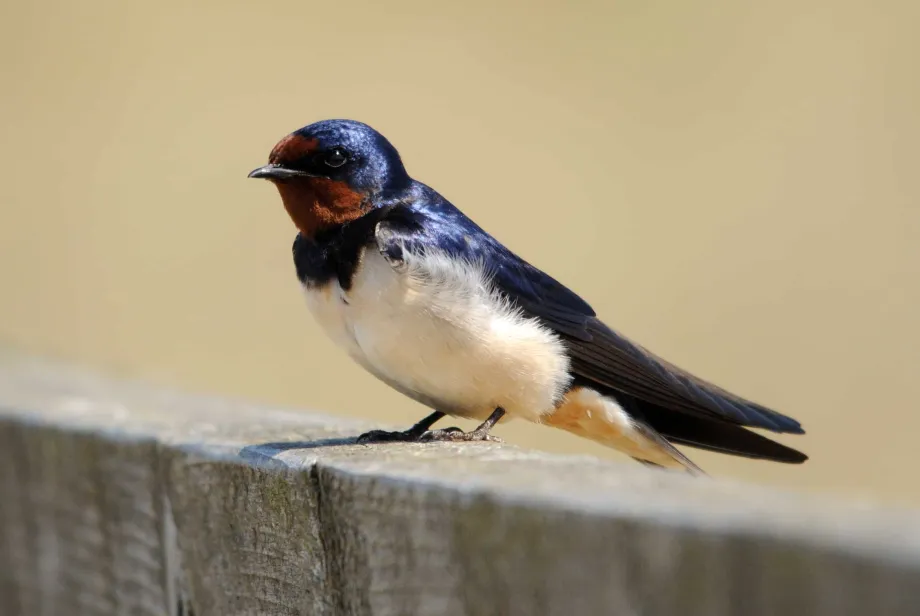
Swallow. ©️ Amy Lewis
House martin
The smaller of the three, house martins are also happy to nest on house fronts but they create mud nests instead which look like cups. They can be distinguished from swallows and swifts by their smaller body, short, forked tail and white front. You can help these birds by ensuring that you keep an area of your garden muddy and wet as with our dryer climate, these birds are struggling to find building material.
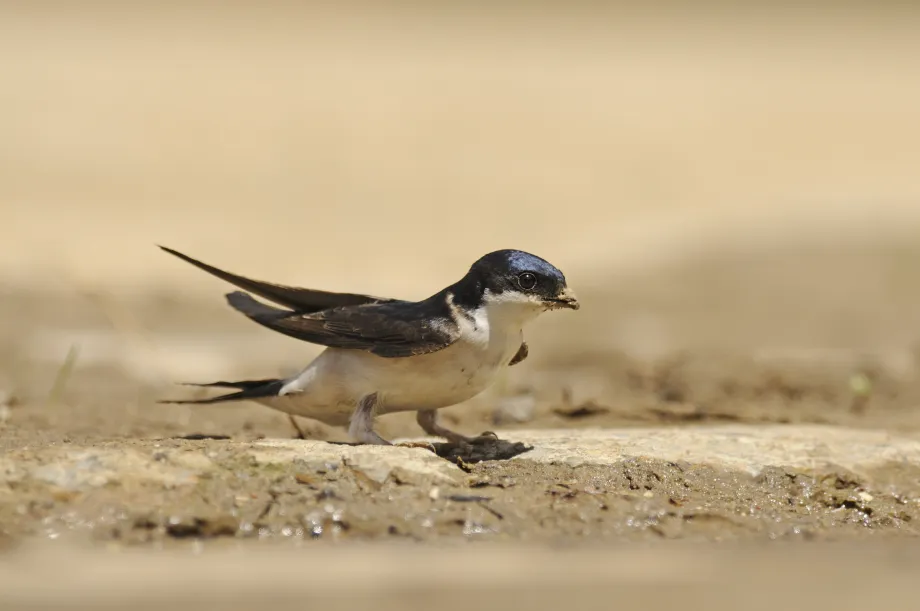
©️ Dawn Monrose
Free beginner’s guide to birdsong
Why not learn to recognise some of the most familiar and distinctive birds you’re likely to hear on your doorstep or out on a walk by signing up to Kent Wildlife Trust’s beginner’s guide to birdsong! It’s a free 7-day email course where we’ll guide you through the songs of seven different birds as well as when and where you can hear them.