

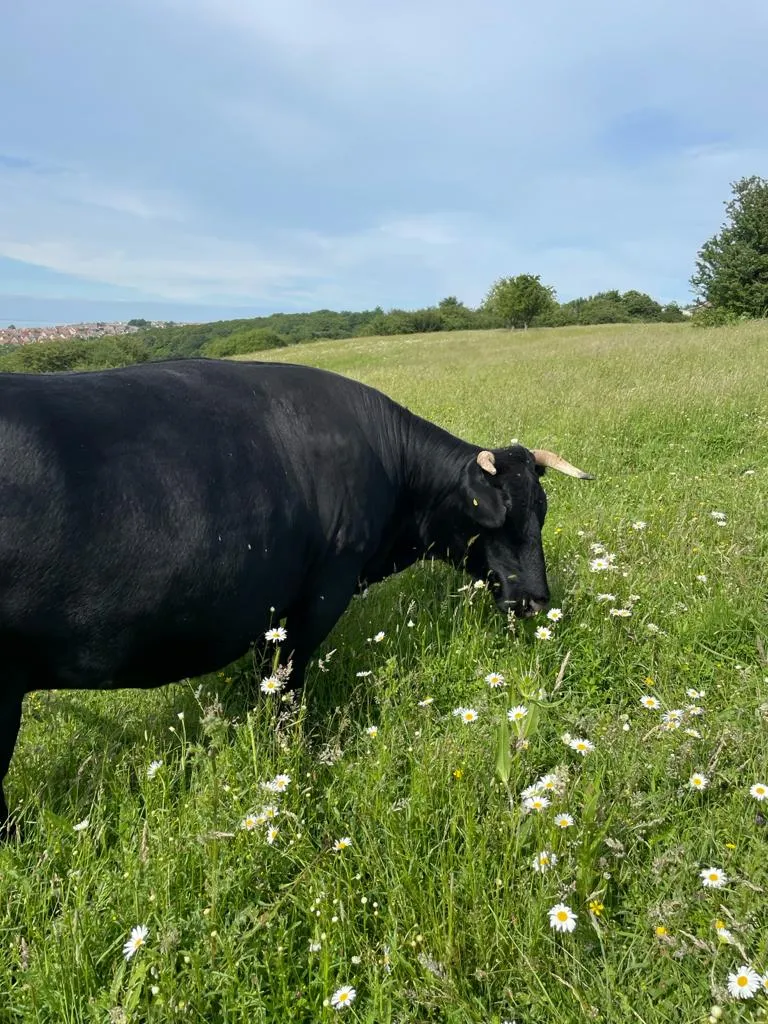
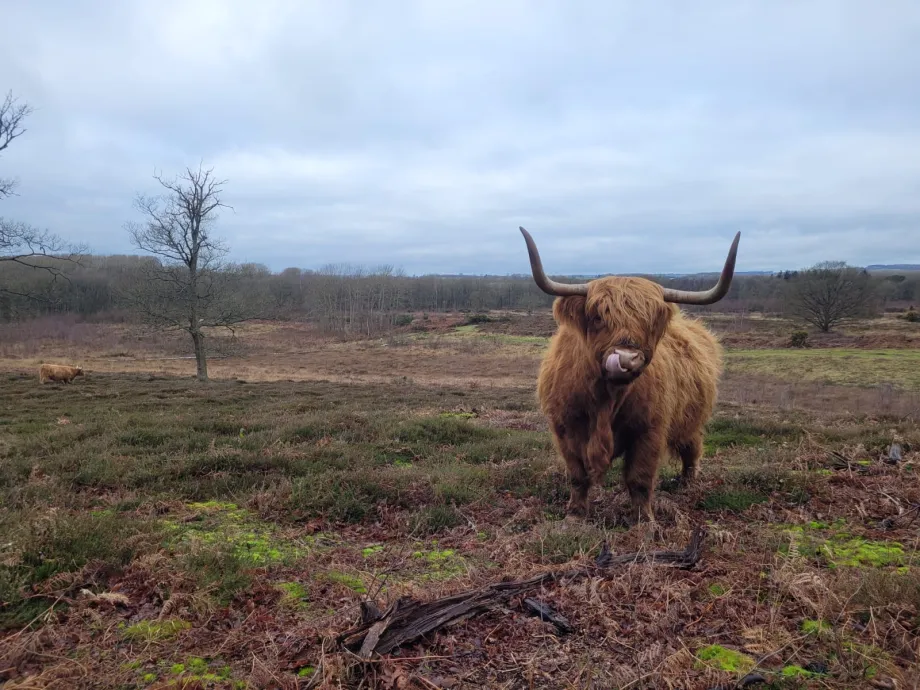
Each breed of cow can provide a different service, for example, Highland cattle like boggy terrain where they eat young tree tips, keeping the vegetation down and letting rare bog plants grow through. Sussex cattle don’t have horns but that doesn’t stop them using their strong necks and head to bring down tall, woody vegetation to where they can reach it. Cattle use their large size and heavy weight to disturb the top soil and seed bed, which allows a variety of wildflowers to germinate in the bare ground they have created. They also avoid grazing around their own dung pats which creates patches of longer vegetation important for insect communities. These insects, in turn, are eaten by birds and bats.
Horses
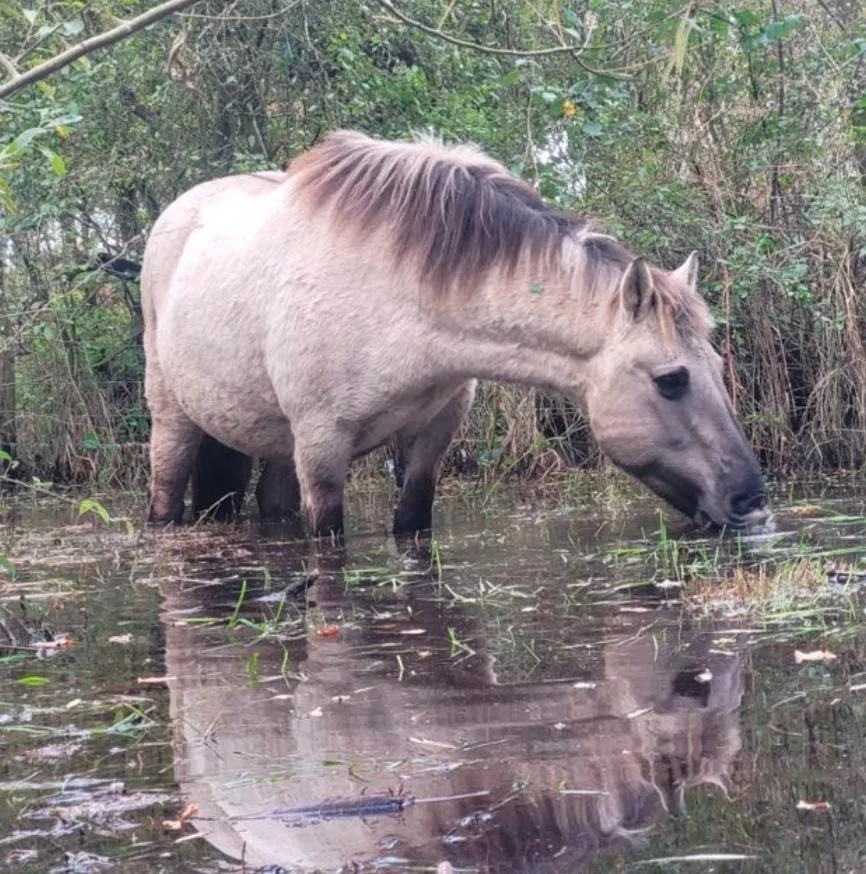
Similar to cows, ponies eat coarse grasses and help maintain a diverse mosaic of habitats that benefit a range of birds, reptiles, and mammals; their chemical-free dung also supports a large variety of insects. Horses are skilled at controlling hardy plants such as thistle and, as they trample competitive plants with their hooves, they create patches of open ground for other plants to sprout. They will work their way through the undergrowth and eat more of the woody vegetation as they’re able to stretch up a bit higher to eat some of the vegetation further afield.
Sheep
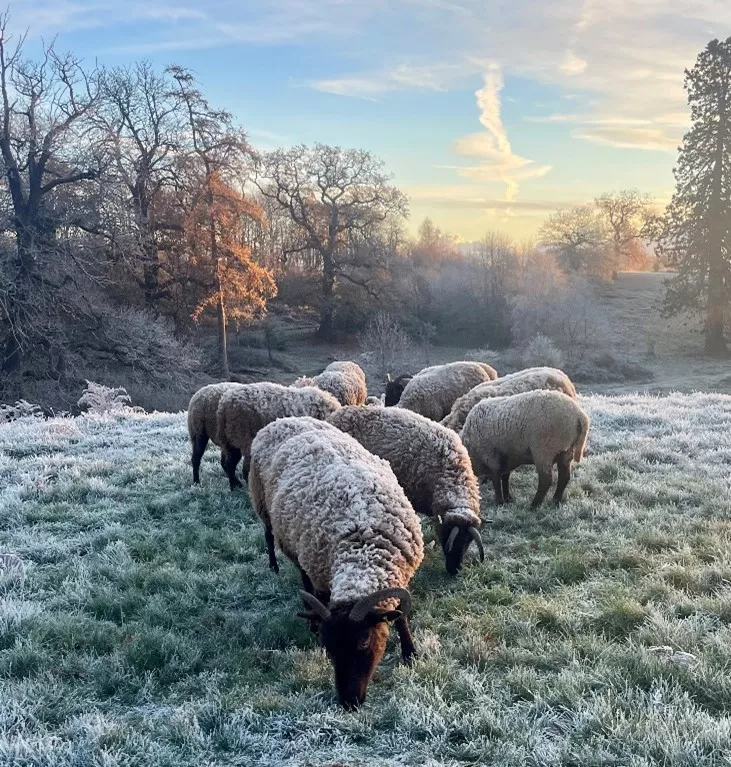
Hardy animals, sheep clear weeds and brambles on steep slopes that would be difficult for humans. The way sheep graze makes the grass spread sideways and grow thicker which is a great protection from erosion and much more effective than maintenance by humans. These grazing animals produce dung that is home to a variety of invertebrates which are great for birds like choughs to feed on. Sheep wool also provides a great nesting material for birds; any tufts caught on branches will be picked up and used for a warm nest. Sheep are often used at sites such as Dover Castle as they don’t cause damage that machinery might to old infrastructure. They’re able to clear woody vegetation from the ramparts and moats without damaging any historical elements of the site.
Goats
Goats are browsers who have better predator visibility when their heads are up so prefer to eat with their heads up. Because of this they have evolved to be more capable of taking bushy vegetation, including thorny things. Their smaller size allows them to browse between the thorns too, but only what they find appetising!
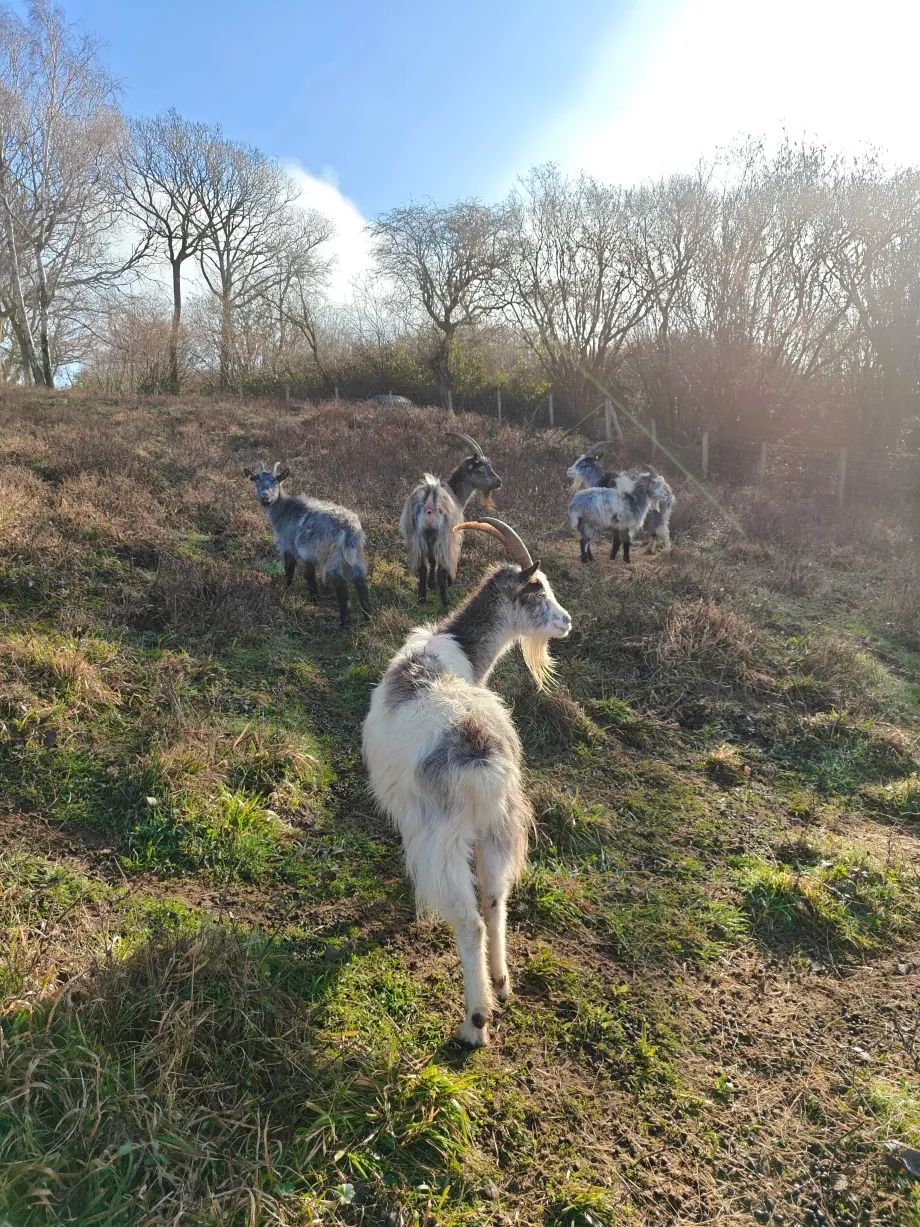
All animals can manoeuvre on ancient archaeology but the lighter size of goats usually means less risk of ground disturbance or physical damage which can better protect above- and below-ground remains.
Pigs
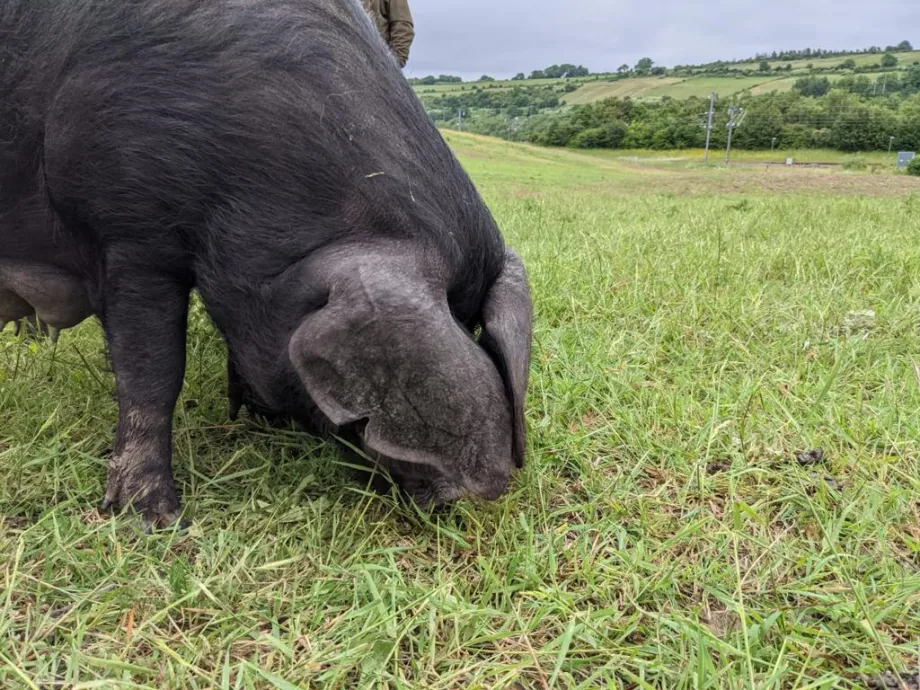
Naturally, pigs have an amazing ability to lift turf and snuffle plant roots using their powerful noses; turning over compacted or damaged soil, they allow in oxygen and encourage new growth. This distinct rootling behaviour clears ground vegetation, therefore reducing the need for weed control whilst simultaneously creating seed beds for natural regeneration. Importantly, pigs’ rootling behaviour doesn’t go as deep as a mechanical plough, protecting the mycelium underground. Mycelium helps plants take up certain nutrients and allows them to communicate with each other about things like disease. This patchy way of clearing dense undergrowth also provides great micro-habitats.
Re-balancing ecosystems
By carefully choosing the breed and number of grazing animals at each site, we are committing to preserving the balance of our ecosystems. Each of these animals help manage vibrant and diverse nature reserves and provide crucial help in promoting biodiversity and supporting the growth of native plants and wildlife on both a small and large scale.
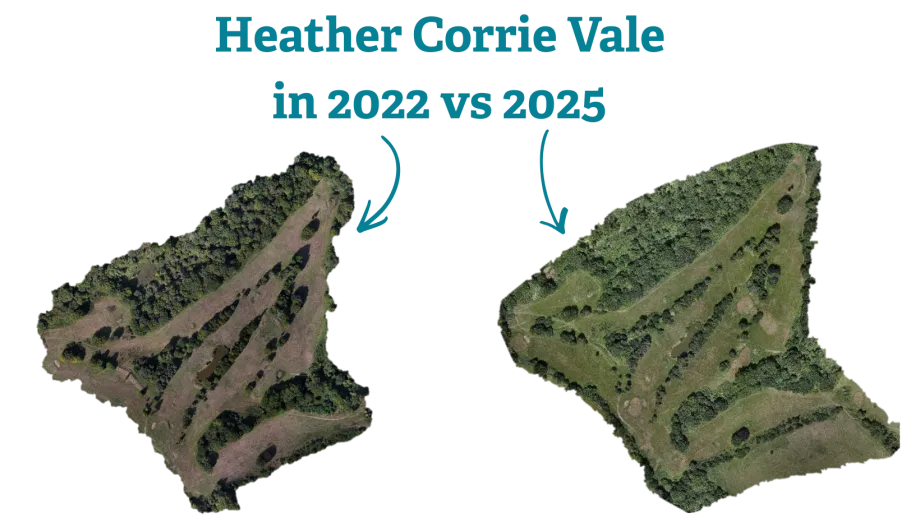
The use of conservation grazing allows us to cover a larger number of habitats while being able to focus on helping specific species in certain areas. For example, the red-billed choughs have recently returned to the valleys in Dover where chalk grassland has been progressively restored. Intensive farming practices, chemical treatments, and habitat fragmentation contributed to the loss of chalk grassland and habitat loss and changes to grazing practices led to the local extinction of choughs. But thanks to the hard work of our grazers, the grasslands have been restored, and these iconic birds have been able to return.
Restoring landscapes
Years ago, the combined work of species such as elk and aurochs would have created a vibrant landscape with a wide range of species and varied habitats and through the work of conservation grazing, we have been able to restore some of this land to its former glory. This work is crucial to keeping dwindling habitats and encroaching woodland in check. So many animals of all sizes need specific areas to nest, feed, and find refuge, and the essential work our grazers do ensure that there is room for these micro-habitats to grow so wildlife can rely on it for survival.
Jess Allam
The work of grazers greatly reduces human management, whilst using machinery can take more time and be more costly when accounting for volunteers and staff – plus, it doesn’t always nurture the land the way these animals do naturally. For example, animals provide distinct behaviors that encourage the land such as bark rubbing, dunging, fur loss, and hosting and distributing seeds. These animals can also be a lot more precise in their work, choosing to graze at different points across the landscape, creating an undulating sward and patches of scrub – something humans would have to put a lot more work into to accurately mimic.
How to help our grazing animals
Volunteer
Though the need for human intervention is reduced by grazing, we do still need to check on the livestock – and this is where you can help!
It’s really easy to volunteer to be a Livestock Checker, and it means you will help us keep our animals safe by checking on them once a week on a day allocated to you. This role is Kent-wide, so wherever you are, you can participate! The average check takes about one hour, but can vary per day, but includes livestock checker induction training and access to beautiful nature reserves. Though if your day-to-day life cannot cater for this, you can help by simply keeping a 10-metre distance (or 2 animal lengths) from them on reserves and ensuring your dogs are kept on leads and do not disturb the animals.
Check the volunteering page below for the list of reserves currently in need of livestock checkers.
Support Amazing Grazing
Most importantly, your love for Kent’s wildlife can power our amazing grazers as we’re launching a new appeal: the Amazing Grazing Appeal! We have the largest and most diverse grazing herd in the county with nearly 900 animals, including longhorn cattle, konik ponies, Hebridean sheep, goats, pigs, and European bison. These animals are restoring habitats across 52 sites and we really need your help to support them. We must raise £120,000 by the end of April to scale up our Wilder Grazing programme and bring more land back to life – and with 2030 just around the corner, we can’t do this alone. We need you and our amazing grazers to lead the way.