


Organic blackberries. ©️Kate Clack
Be a citizen scientist
If you’re anything like me, the swift arrival of spring means it’s almost time to sit outside every morning to watch the wildlife dart around while enjoying a cup of coffee. This time is great for your mental wellbeing as it regulates your nervous system, and if you find yourself spending more time outside as the daylight hours get longer, why not start logging what you see? Using apps such as iRecord or Bugs Matter (survey season launches in May) are brilliant ways to help us learn more about how wildlife populations are progressing and behaving across Kent and beyond. Input from citizens across the country help us to plan how best to manage our nature reserves for different wildlife species and assist us in tracking which species (both animals and plants) might be in trouble.
If you enjoy these short snippets in nature, why not take part in the Big Butterfly Count? Between Friday 18th July and Sunday 10th August choose a place to spot butterflies and moths and for 15 minutes record which species you see. As butterflies and moths are biodiversity indicators, they react quickly to changes in the environment and their decline can be an early warning of other species' decline.
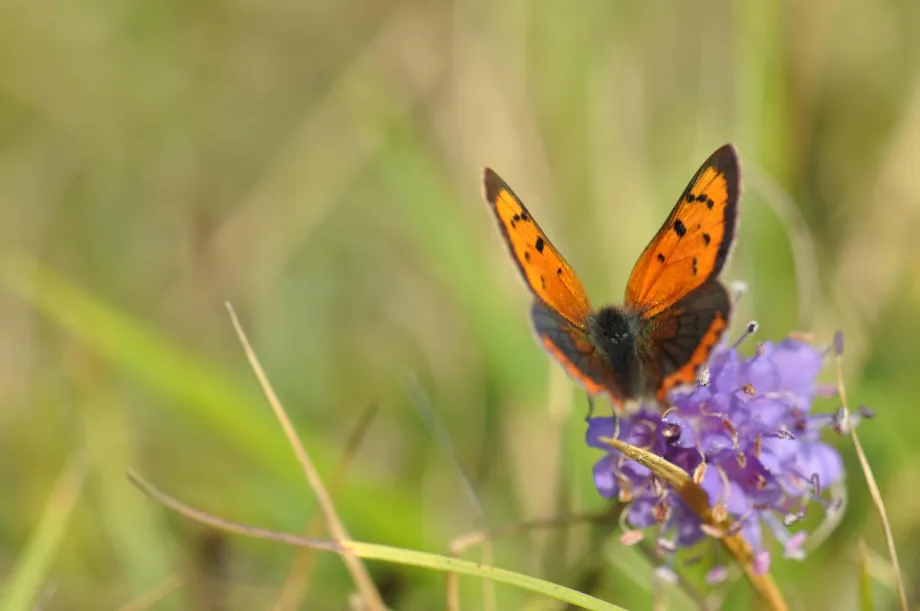
Small Copper butterfly. ©️ B Hukins
No-Mow May
Plantlife’s annual campaign urges everyone to pack away the lawnmower and let your garden go wild for the entirety of May. Approximately 97% of flower-rich meadows have been lost since the 1930s3 and with them, vital food and habitat for wildlife has plummeted. Even the smallest of green spaces left to grow wild can provide food for bees, and it might attract more butterflies and moths for your Big Butterfly Count later on in the year.
If you’re thinking about participating and want some more growth over the month, why not share plants, seeds, and cuttings with neighbours? Collaborating with your community can be a great way to increase the diversity of plants in your garden without breaking the bank and also turns people’s curiosity into conversation!
Though, if you do decide to bring the lawnmower back out in June, be sure to search by hand and cut back gradually as hedgehogs can often be found enjoying the wild spaces. If you’d rather leave the wildlife undisturbed, then why not leave a small corner wild as after all, nature isn’t neat.
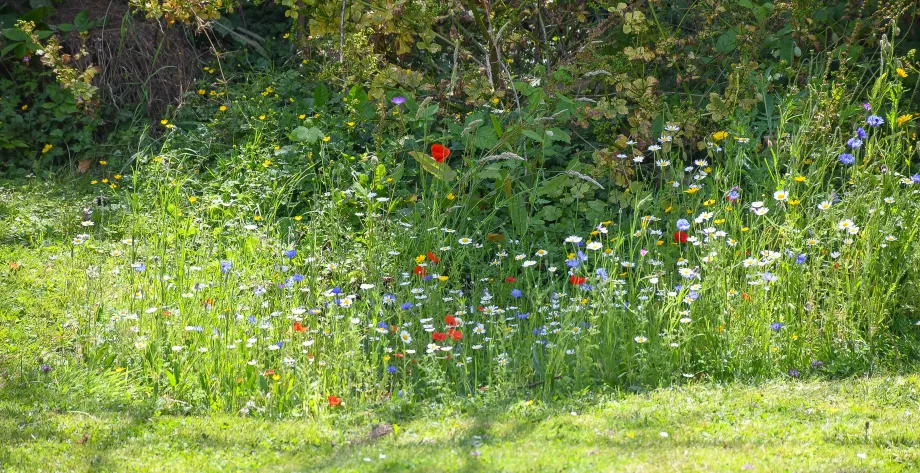
Wildflowers
Commemorate, celebrate, or showcase
Leaving a legacy or sponsoring a plot is a wonderful way to honour a loved one who treasured time in nature. Alternatively, mark a milestone in your life or showcase your love for a particular area in nature. By sponsoring one or more quarter-acre plots on one of our nature reserves today, you can help to secure a brighter future for Kent’s Legacy Landscapes.
Choose from one of three carefully chosen reserves, each picked for their unique habitats and the important role they play in protecting native species and, as each plot is only dedicated once, it’s ensured that your tribute is not only enduring, but unique. If you choose to sponsor Marden Meadows you would help protect rare orchids, butterflies, bees, and birds. Choosing Brenchley Wood would mean your sponsorship would go towards safeguarding rare ancient woodland and heathland. Donations to Lydden Temple Ewell would protect the rare oasis for butterflies.
Hop on the train
If you travel with Southeastern, you may have already seen the optional donation for passengers buying their tickets online. Kent Wildlife Trust has partnered with Southeastern so when you round up the spare change for the price of your ticket, you’re supporting Kent Wildlife Trust’s efforts to protect and enhance biodiversity across the county. This collaboration builds on Southeastern’s ongoing work with KWT in developing biodiversity plans to help ensure its network of over 180 stations and depots is more welcoming to nature.
So far, passengers have helped raise more than £4,500 for the Kent Wildlife Trust! Southeastern’s Sustainability Strategy - of which this collaboration is a part - has seen a 32.8% reduction of emissions 2019 and 2024. They’ve also launched a carbon footprint calculator on the Southeastern website and app, to help passengers become more aware of rail as a sustainable form of transport.
Grow your community
Lastly, and most importantly, it takes a village to make change happen but first of all, you have to be a villager. So why not get involved with your town council and local communities by joining in with litter picks? It’s not just marine life at risk from litter; mammals like hedgehogs and birds frequently suffer from getting caught up in waste, so collect any litter on your local walk or join an organised beach clean.
You could also volunteer with likeminded people at a local nature reserve; you might learn about harmful developments and get involved with campaigns or write to your MP to let them know what the local people care about.
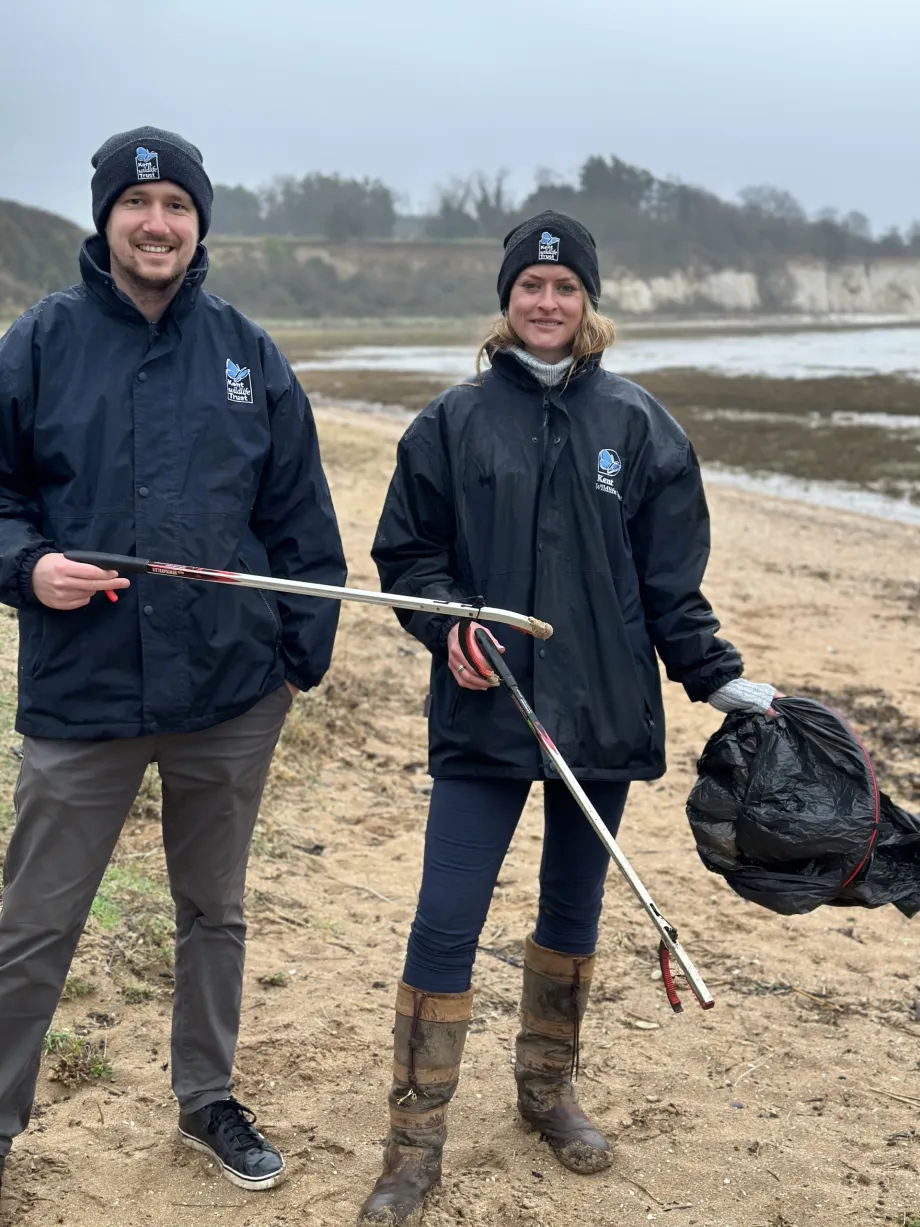
Litter picking. ©️Kent Wildlife Trust

Log your actions on MyWilderKent
MyWilderKent is your digital gateway to greener communities, designed to make taking action for nature simple, rewarding, and accessible to everyone.