Lodge Hill In Autumn

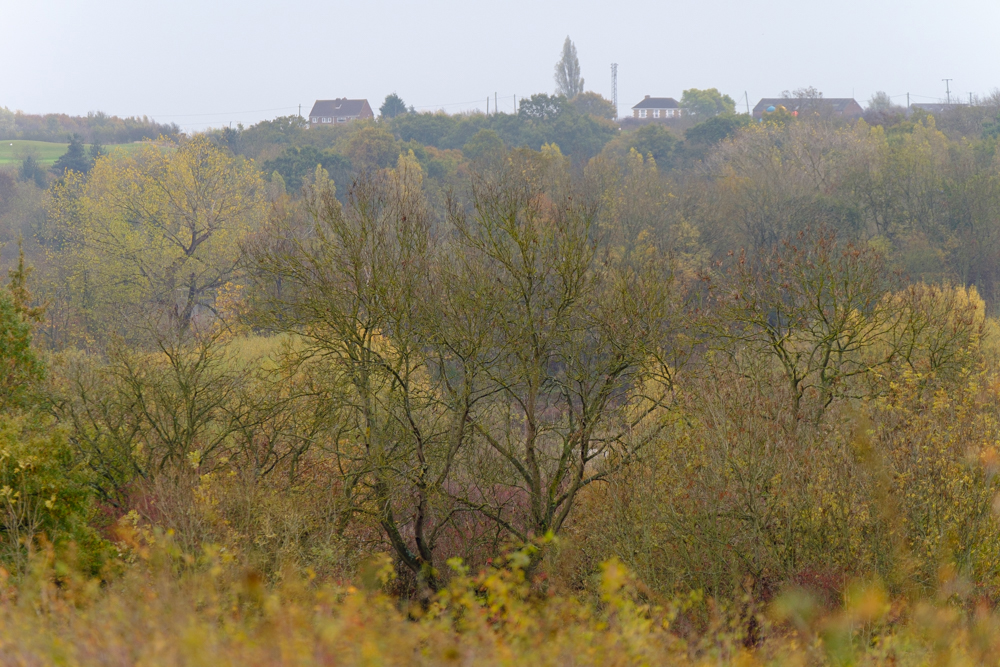
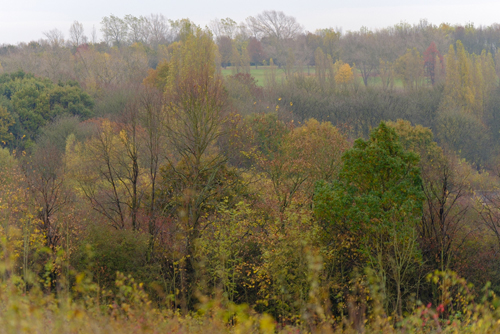
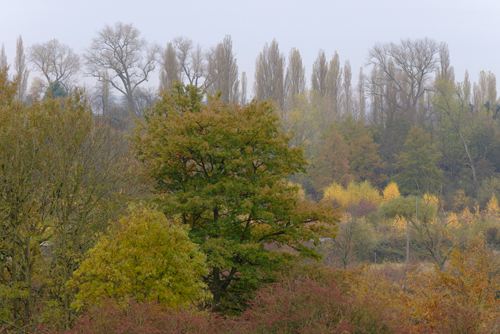
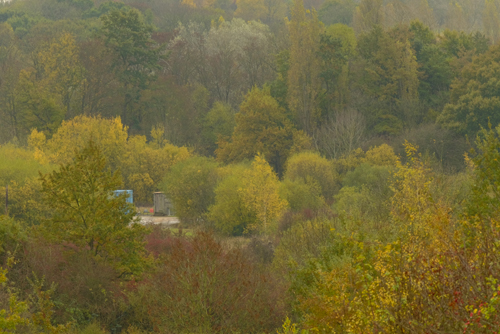
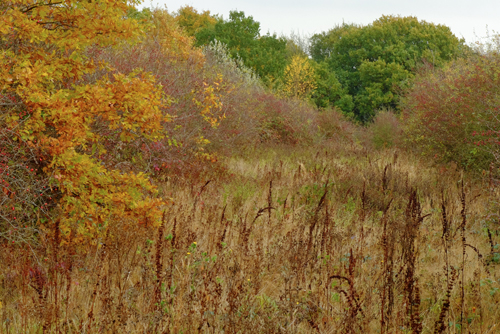
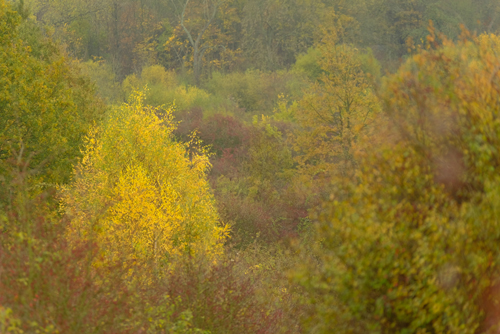
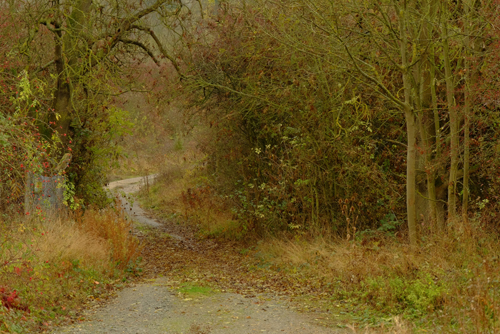
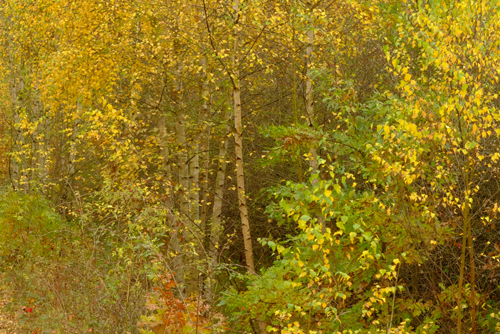
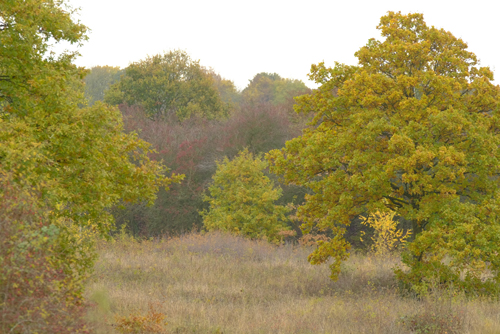
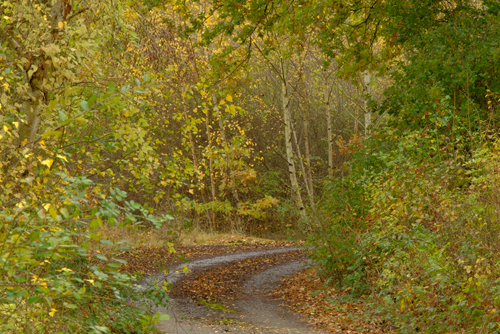
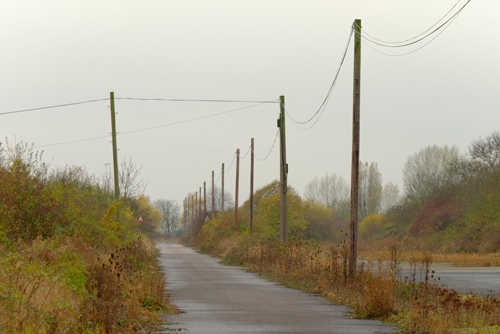
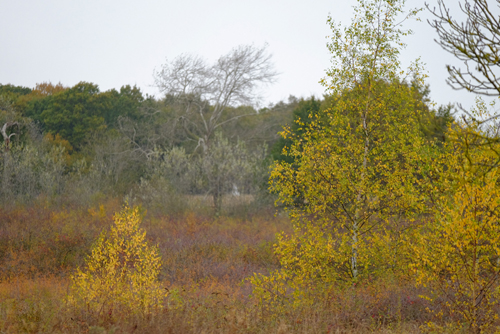
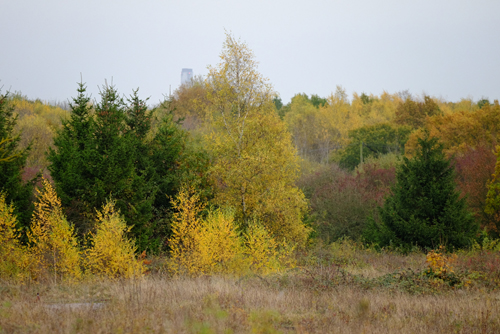
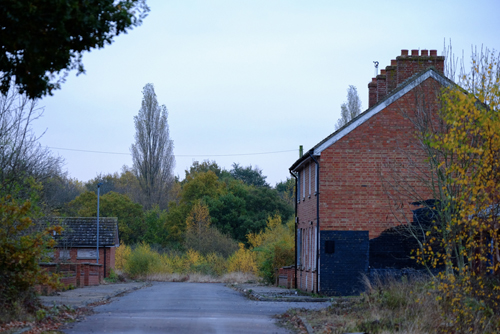
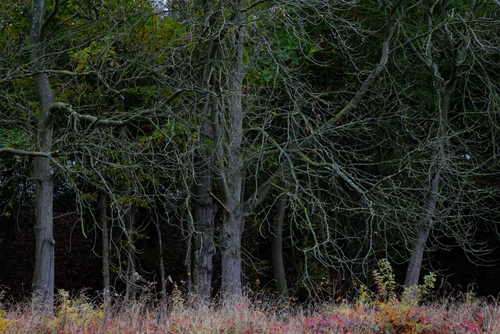
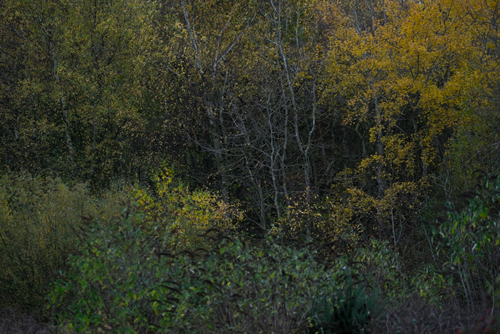
Our Thames Gateway Officer Greg Hitchcock shares a gallery of narrated photos to show the beauty of the Lodge Hill site that is currently at risk from Medway Housing Plans.


One of the frustrations we have faced over the past several years’ of campaigning to #SaveLodgeHill is communicating what the site is like. No amount of quoting the findings of survey reports can replace actually visiting the site. The scale and complexity of it are hard to conceive without being able to wander around it for a day or so, despite the availability of aerial photographs. Unfortunately, the site is not open to the public, and only parts of it are visible from public rights-of-way. Media coverage of the site has by default shown these areas – images of derelict buildings, chain-link fencing and ‘Keep Out’ signs.

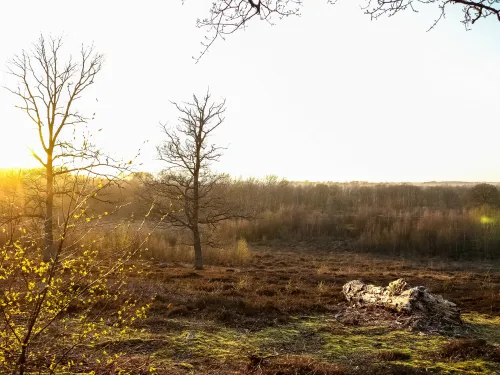
There is much more to the site than this, however, and most of it is a rich mosaic of grasslands, scrub and woodland. Even those parts that remain from the use of the area for military training are being taken over by nature – the disused and derelict buildings support bat roosts, and rubble piles are home to reptiles.

In November 2016, with the permission of the site’s owners, the RSPB and Kent Wildlife Trust visited Lodge Hill. Photos from that trip are below. More photos can be seen on the RSPB’s blog.

Hopefully, these photos will give you a better idea of what we’re trying to save. What you can do to help can be found HERE.

Learn more about our nature reserves

Bumblebee and a bluebell
©️Jon Hawkins – Surrey Hills Photography

The magical bluebell weeks - May on Hothfield Heathlands

Blog

The glossy green spears that pierced dense leaf litter in late winter are now transformed into sheets of violet-purple-blue in the woodland edges of the reserve. The magical bluebell weeks began fairly early, a soft scent and a flood of colour that…

Yellow hammer with lunch
©️ Val Butcher

April on Hothfield Heathlands - Highland cows and nesting birds

Blog

We are into full nesting season including the birds who nest on the ground or very low down in scrub, which is over half of Britain’s breeding species including the stonechat, robin, blackbird, skylark, yellow hammer, tree pipit and chiff chaff, not to…

Deploying SLAM trap
Richard Bradley

Wilder Blean's invertebrate sorting volunteers

Blog

The invertebrate sorting volunteers are the unsung heroes of the Wilder Blean project - working hard over the winter months at Tyland Barn to ID & record West Blean & Thornden Wood's insect species.