
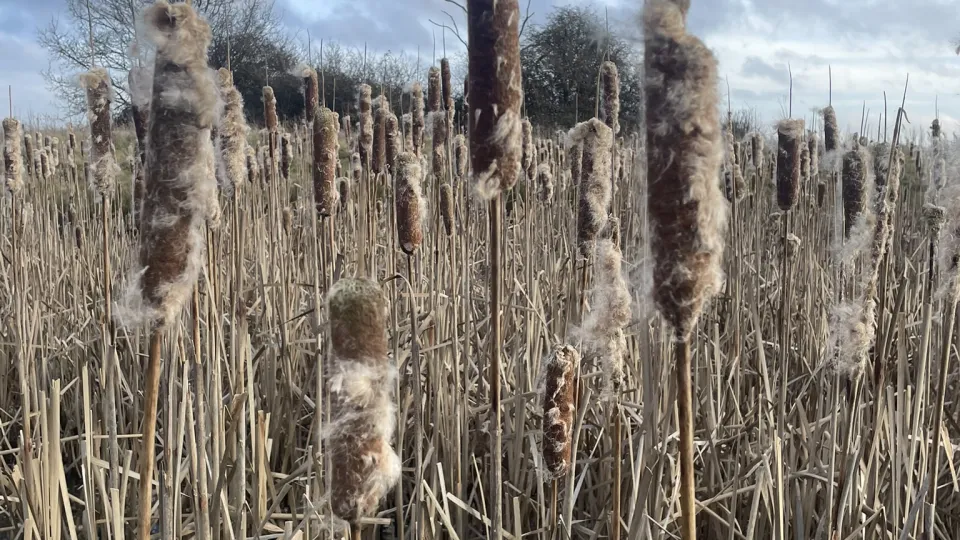
February on Hothfield Heathlands: A spotlight on reed mace
Long-time volunteer Margery Thomas explores the wildlife at Hothfield Heathlands in February, where reedmace tells a story...
Long-time volunteer Margery Thomas explores the wildlife at Hothfield Heathlands in February, where reedmace tells a story...
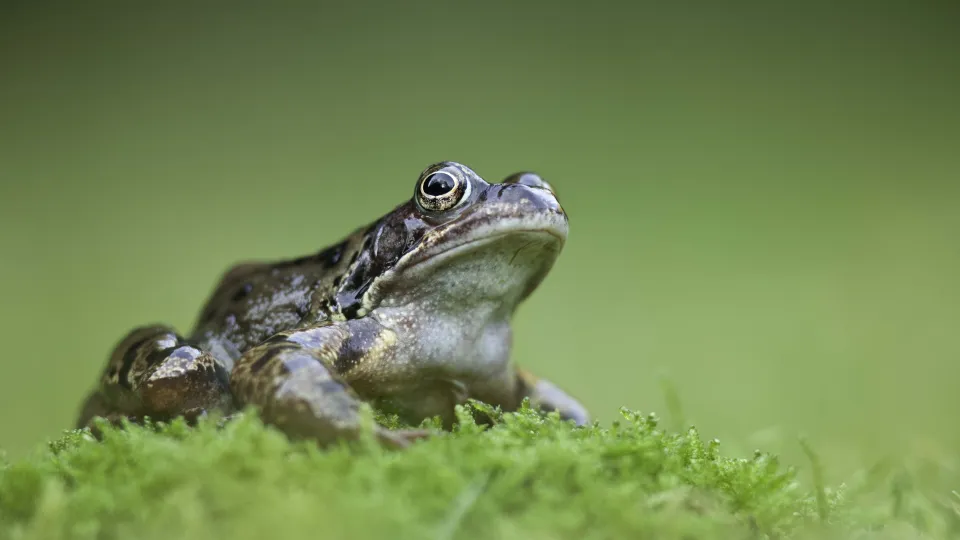
Hibernation, brumation, and torpor - these 6 species adopt these survival strategies to survive the long, cold UK winters.
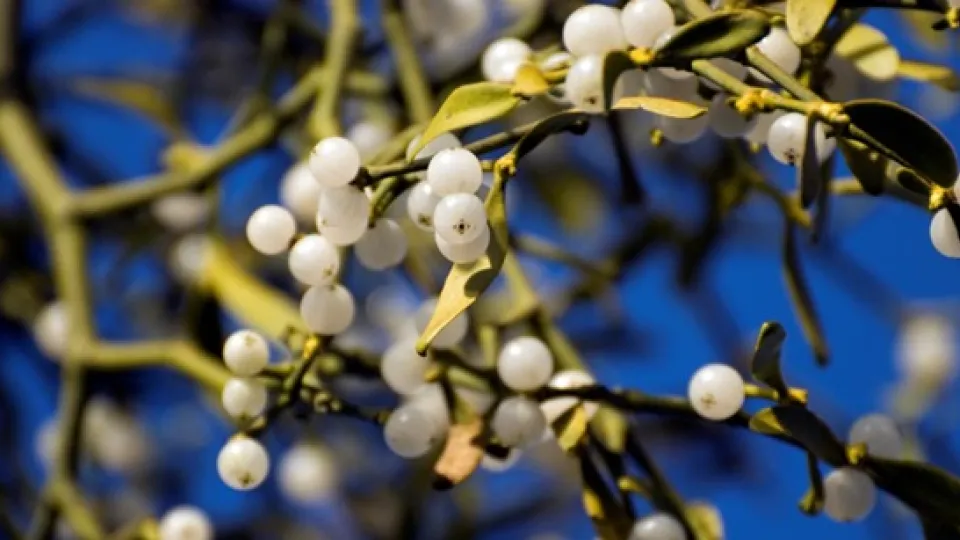
Did you know, mistletoe is a hemiparasitic plant - meaning they attach to their host using a structure called the haustorium. They're fascinating plants with a rich cultural history. Learn more in this blog.
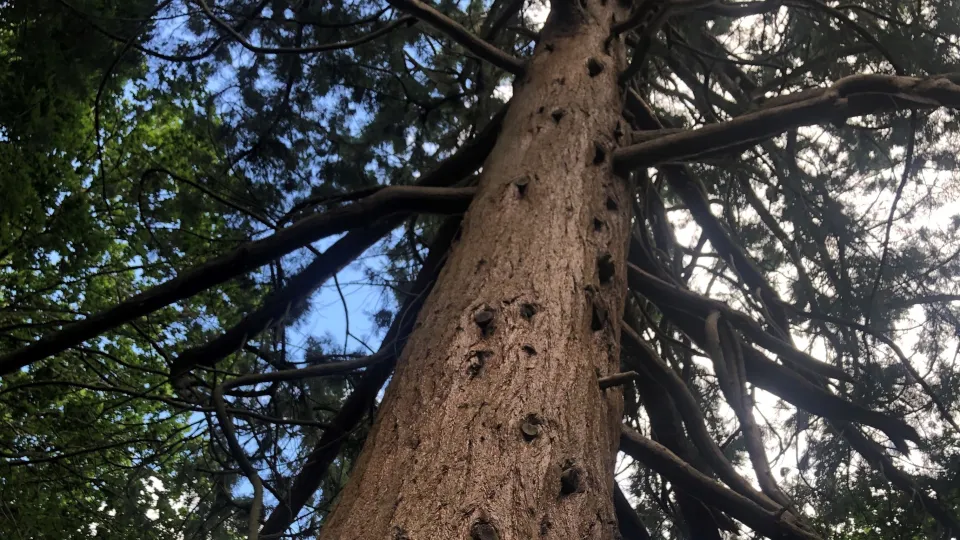
Field studies amongst the largest collection of conifers in the UK. Linked to previous day.
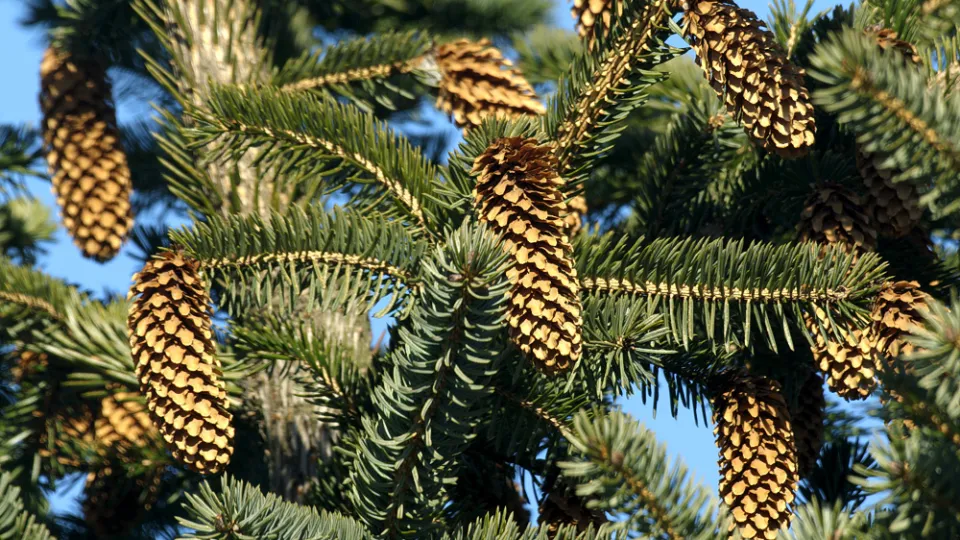
Pine, spruce, larch, fir, cedar, redwood… a classroom introduction to the identification of conifers using their foliage and cones. Linked to the following Study Day ‘Conifers at Bedgebury Pinetum’
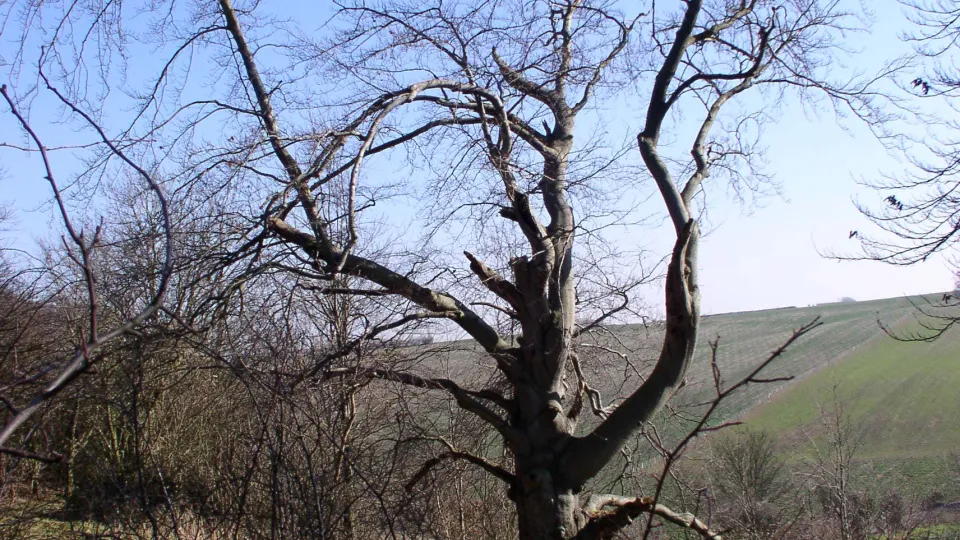
Learn to how identify native broad-leaved trees and shrubs by their twigs, and buds and bark.
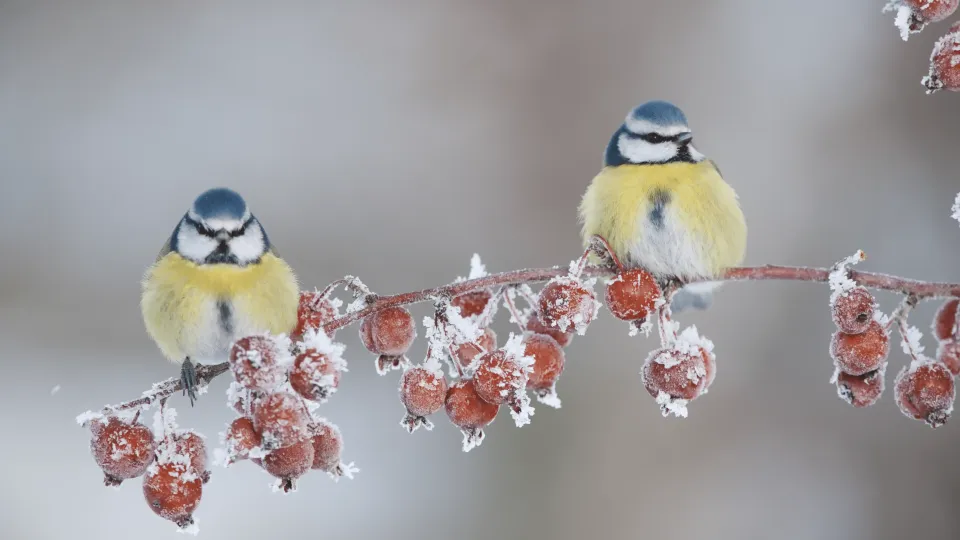
Wilder Gardens Officer, Ellen Tout, talks about her favourite parts of the winter garden and what you can do to make your space a sanctuary for wildlife.

Discover the magic of the great outdoors this winter with a FREE guided walk led by our knowledgeable Protected Area Warden, NIna! Explore the stunning coastal landscape of Pegwell Bay, learn how you can help protect vulnerable wildlife, and enjoy a family-friendly adventure that’s both fun and inspiring. Don’t miss this opportunity to connect with nature and make a difference!

As winter takes hold, and you repeatedly find yourself commenting on how dark it is at 5pm, don’t despair. The colder months give us some excellent opportunities to connect with nature. Here are our top five tips for connecting with nature this winter…
Learn to how identify native broad-leaved trees and shrubs by their twigs, and buds and bark.