

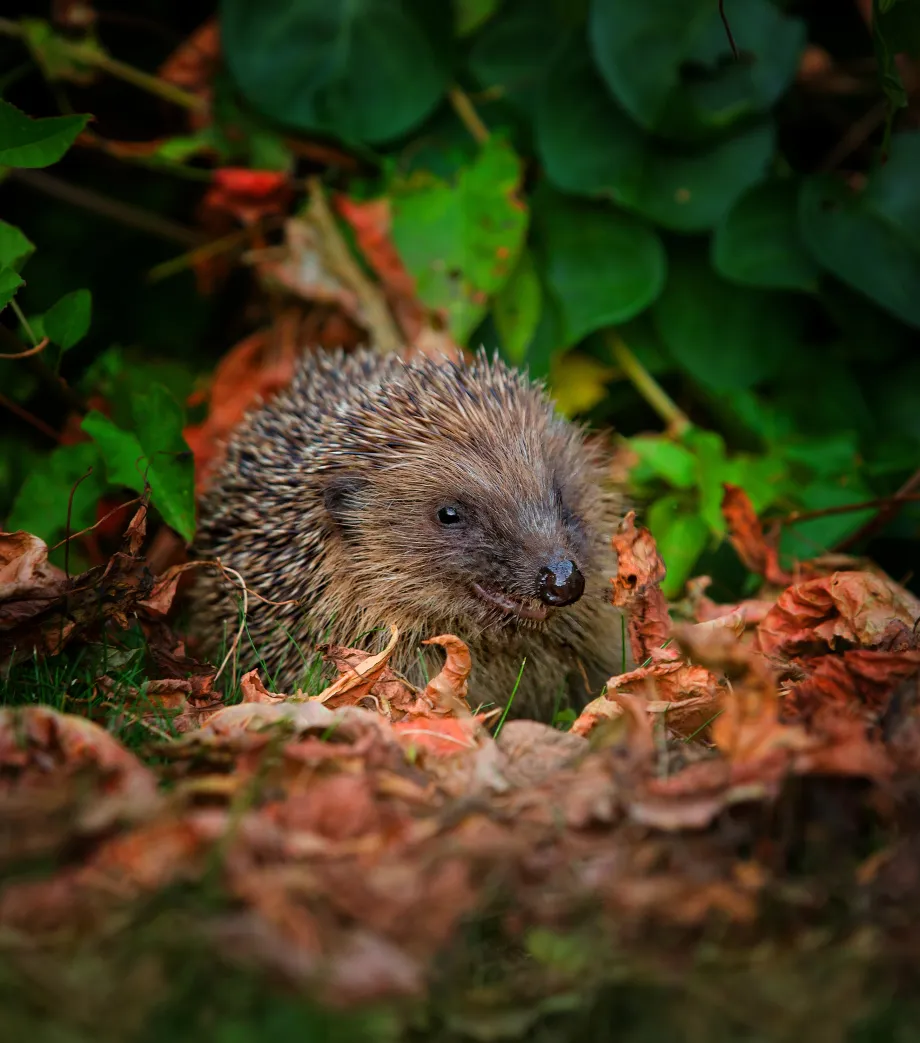
©️ Jon Hawkins – Surrey Hills Photography
Along with dormice and all our native bats, hedgehogs are one of the only true hibernating mammal species in the UK. When winter arrives, they build a nest (called a hibernaculum), crawl in and stop moving. Their heart rate decreases from approximately 190 beats per minute to just 20, their body temperature falls from 35°C to 10°C or less and respiration almost stops (they breathe once every few minutes). Most hedgehogs wake up frequently during their hibernation but rarely leave the nest.
2. Adder (Vipera berus)
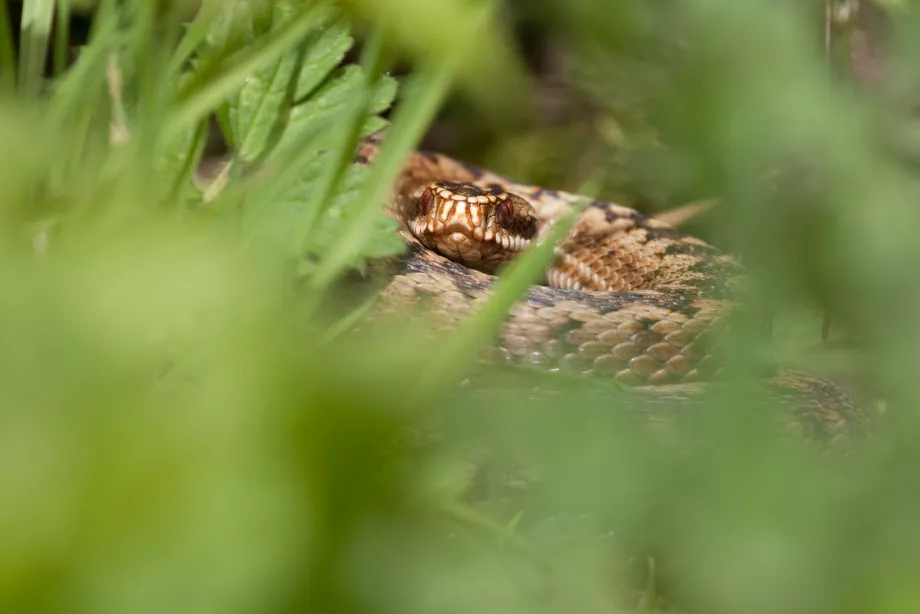
Vaughn Matthews
Like other reptiles and amphibians, adders undergo a process called brumation: essentially a reptilian version of hibernation. They are ectothermic, which means their body temperature is dependent on their environment, and in autumn they become more lethargic and are less able to hunt. They choose a secluded, stable place to overwinter, such as a leaf pile or tree hollow. During their rest they may wake to feed and move a little – and can become active for longer periods in unseasonably warm weather.
3. Ladybird (Coccinellidae)
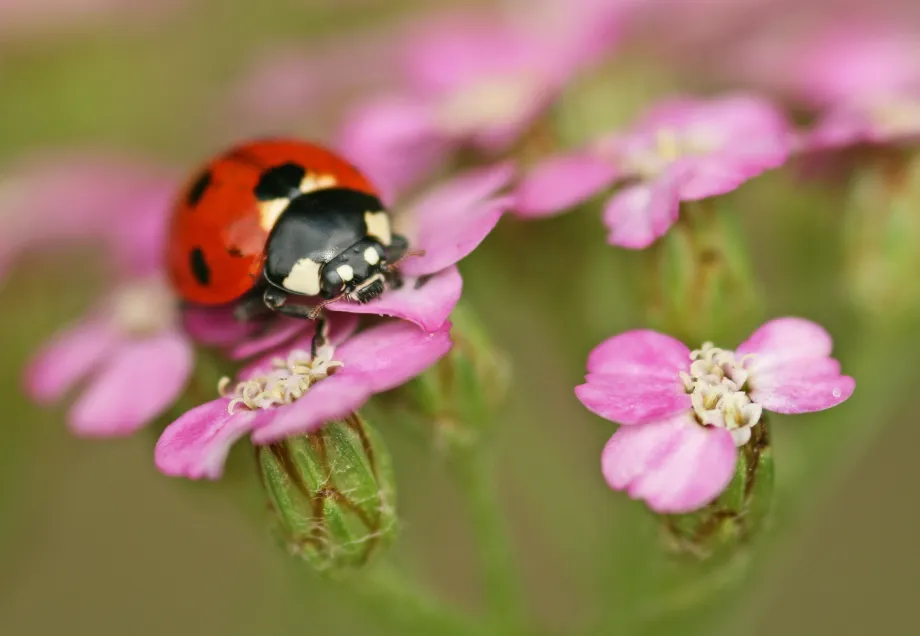
©️ Rachel Scopes
It’s looking like a mass migration year for ladybirds, so you may find large clusters of them in the house over the coming months. This marks another variation of “hibernation” called diapause – an interruption of an insect’s development as a response to environmental pressures, in this case colder outdoor temperatures – which ladybirds enter in their adult state. However, lodging in our warm homes can result in them waking up prematurely, before aphids or other food are available, so it’s good to provide outdoor alternatives such as a bug hotel.
4. European badger (Meles meles)
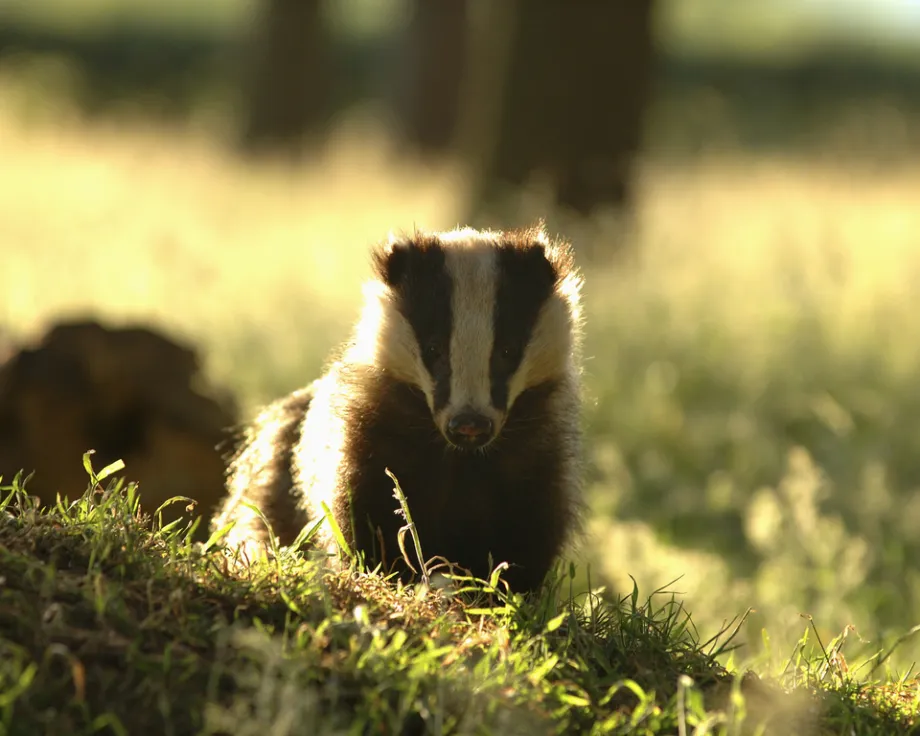
Andrew Parkinson
In the UK, badgers don’t go into true hibernation, but they can enter a period of torpor during very cold spells, when they lower their body temperature by a few degrees and sleep deeply for days or even weeks. Having built up reserves of fat during the autumn when food is plentiful, they can sustain normal body functions while they rest. They shelter in family groups in their sett, even digging a toilet pit to avoid having to step out into the cold.
5. Common pipistrelle (Pipstrellus pipistrellus)
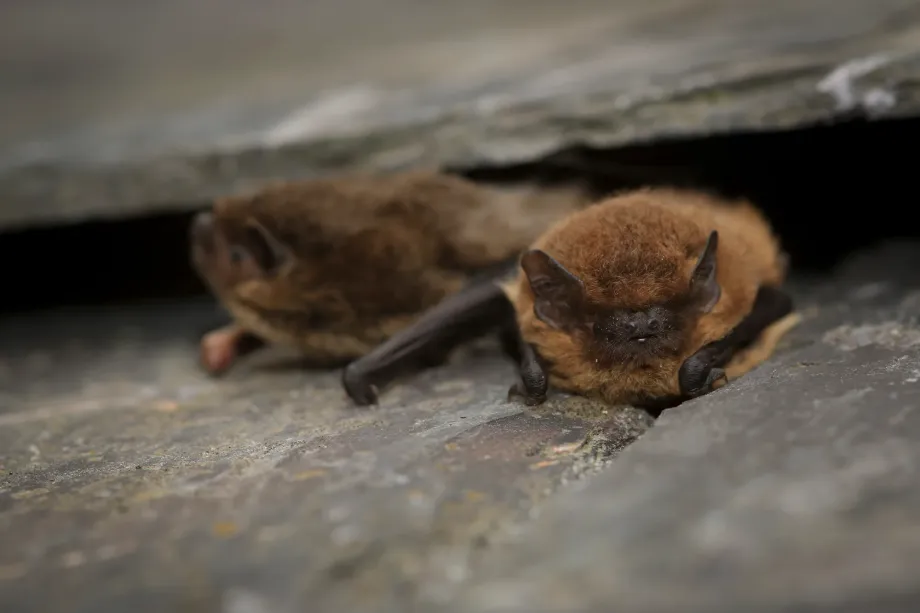
©️ Tom Marshall
Like all bats, the pipistrelle can enter torpor during cold spells at any time of year, as well as being a true hibernator. It chooses winter roosts that are cool and remain at a constant temperature, often moving into underground sites such as caves. This may explain why we haven’t found enough hibernation roosts to account for the numbers we see in summer. After mating in autumn and sometimes winter, the females store the sperm and don’t become pregnant until spring.
6. Common frog (Rana temporaria)
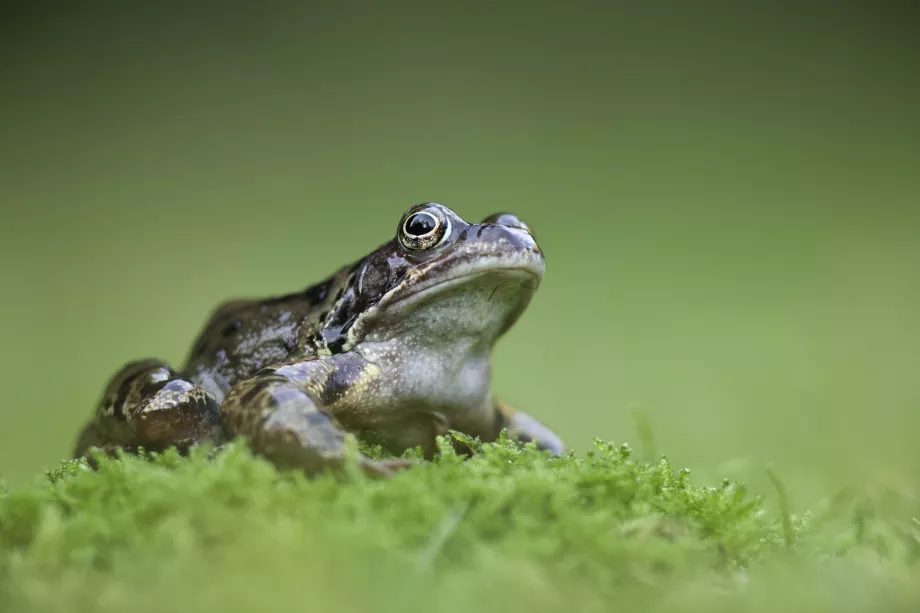
© Guy Edwardes
Being ectothermic, frogs become less active as the temperature drops. In the UK, common frogs largely overwinter in a moist place on land, such as a mammal burrow or a compost heap. Some adult males spend their brumation in the mud and leaves at the bottom of a pond, although if the water freezes over, they risk dying through lack of oxygen. It may be a risk worth taking if they are first in the pond when females arrive in spring.
Can you help our hibernators?
Even if you can’t see them, you can make winter easier for our wildlife by building a bug hotel, leaving leaf piles, or checking campfires and bonfires before lighting them. If you’ve created wildlife-friendly spaces in your garden or elsewhere, please share your photos with us on social media @KentWildlife