
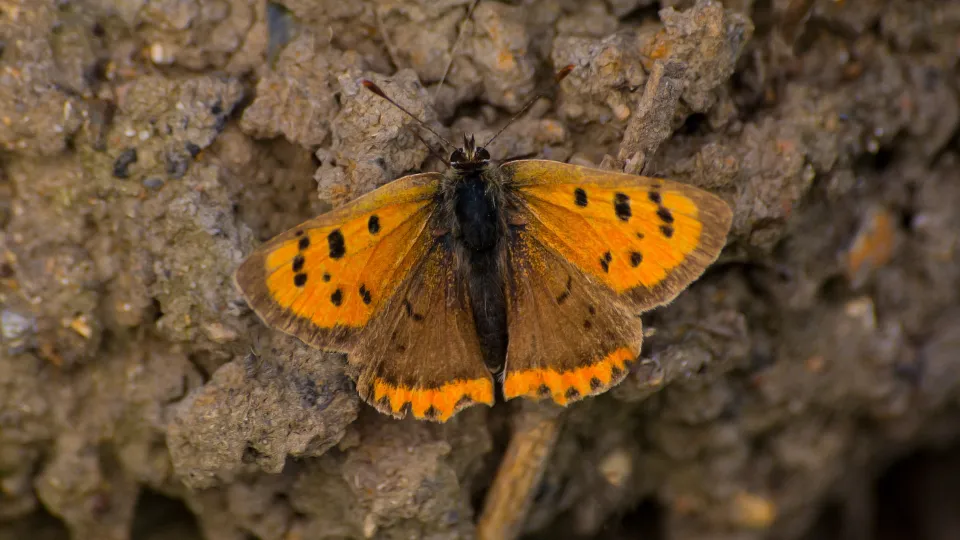
Small copper
The small copper lives up to its name in both colour and size! Look out for it from April onwards in dry, sunny habitats like heathland, downland and woodland. It can be spotted in gardens, too.
The small copper lives up to its name in both colour and size! Look out for it from April onwards in dry, sunny habitats like heathland, downland and woodland. It can be spotted in gardens, too.
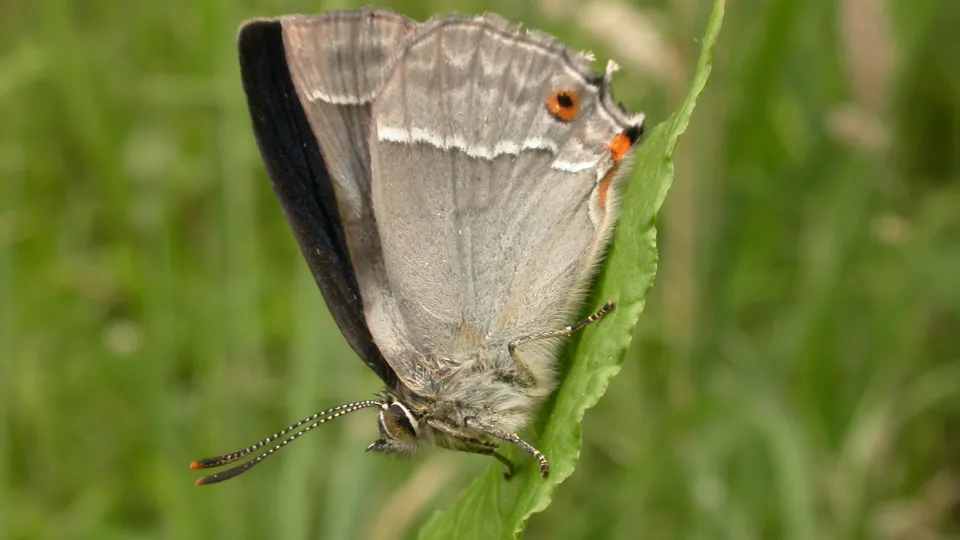
The Purple hairstreak is an elusive butterfly with a brilliant purple sheen. It is entirely reliant on oak trees and can be spotted chasing around the treetops in woodlands and parks.
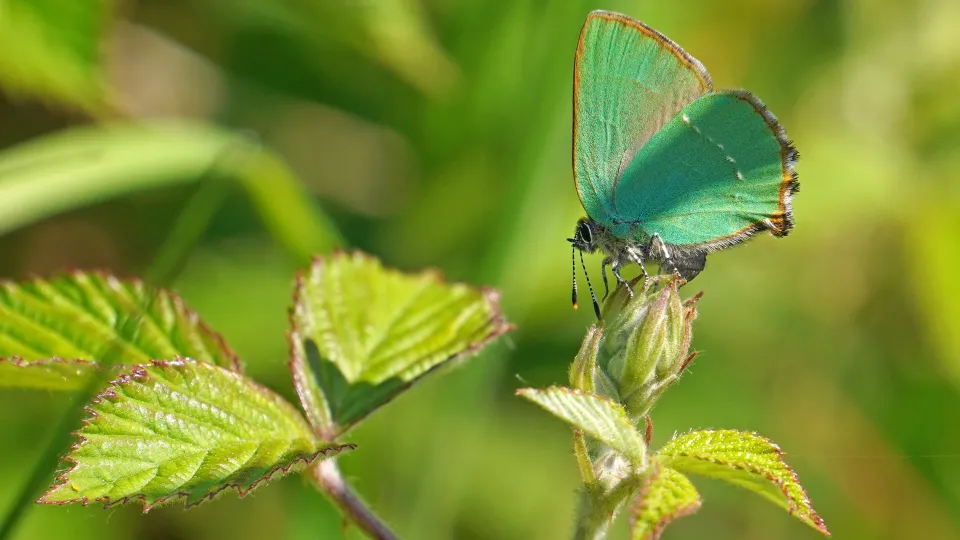
The green hairstreak is the UK's only green butterfly. Look out for the vibrant, metallic sheen of the undersides of its wings on grassland and moorland, and along woodland rides.
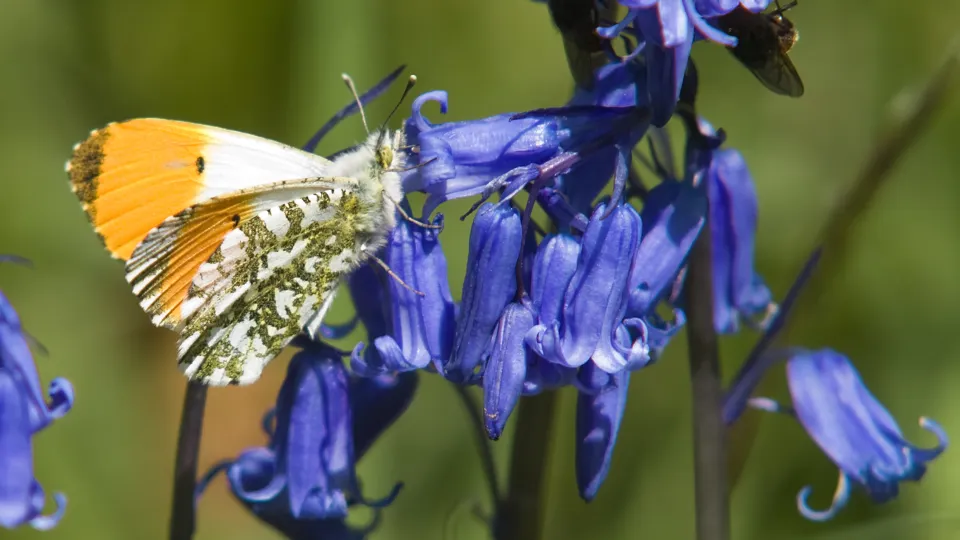
It’s easy to see where these butterflies get their name – the males have bright orange tips on their wings! See them from early spring through to summer in meadows, woodland and hedges.
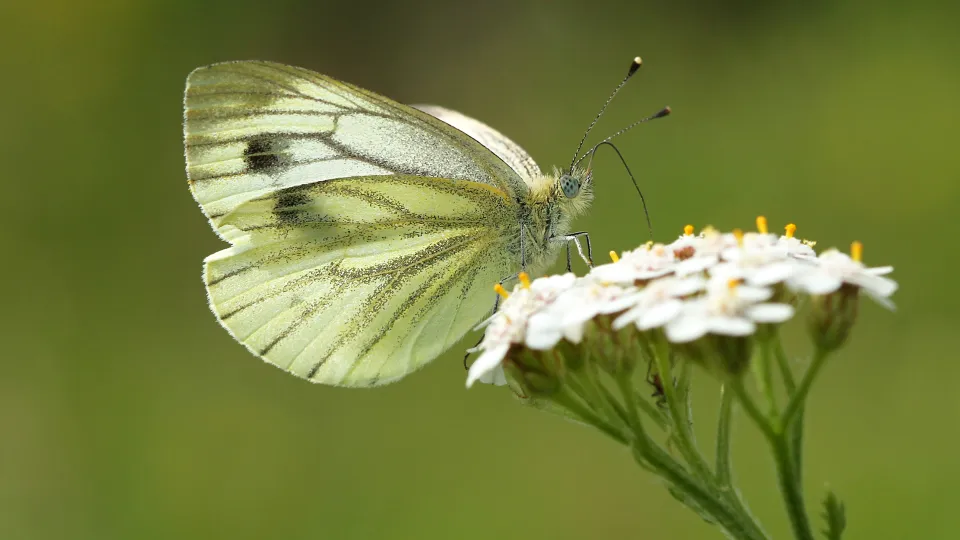
The green-veined white is a common butterfly of hedgerows, woodlands, gardens and parks. It is similar to other white butterflies, but has prominent green stripes on the undersides of its wings.
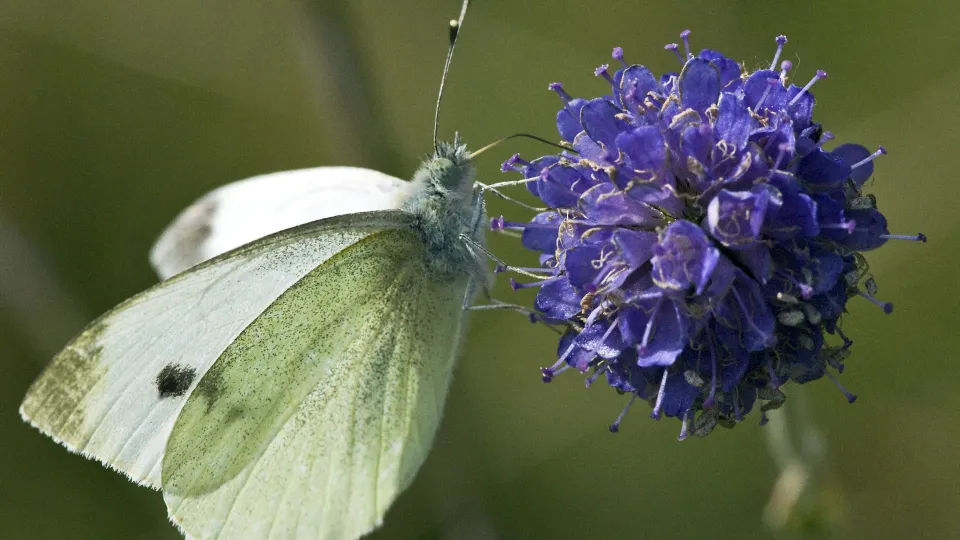
The small white is a common garden visitor. It is smaller than the similar large white, and has less black on its wingtips.
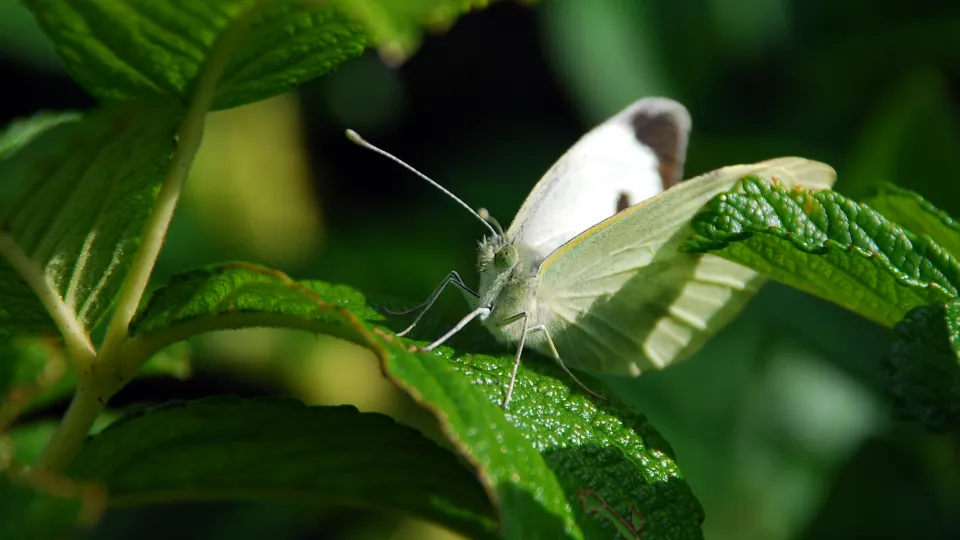
The large white is a common garden visitor - look out for its brilliant white wings, tipped with black.
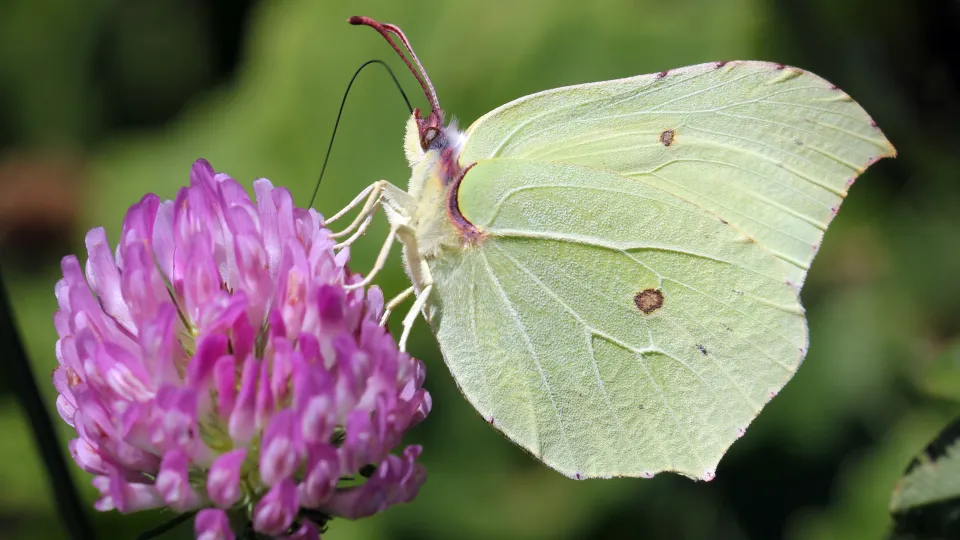
One of the joys of a spring day is watching a fluttering, lemon-yellow brimstone alight on a flower - an early sign that the seasons are changing. It is commonly spotted in gardens, woodland and parks.
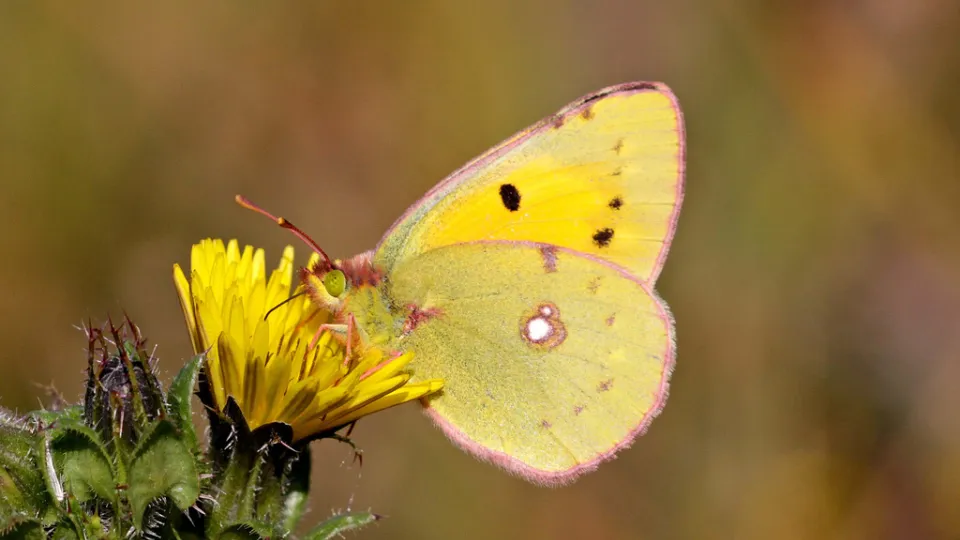
The clouded yellow is a migrant that arrives here from May onwards. Usually, only small numbers turn up, but some years see mass migrations. It prefers open habitats, particularly chalk grassland.
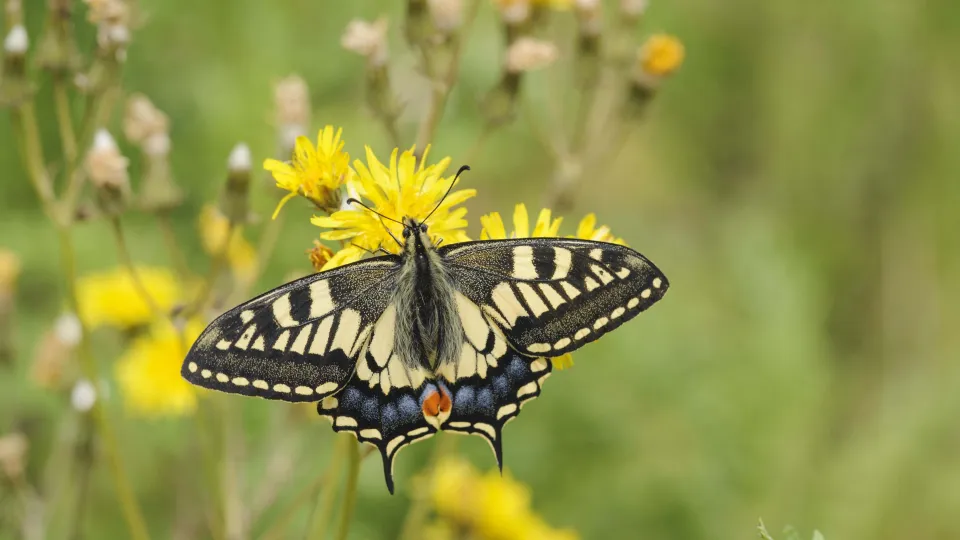
The exotic and beautiful swallowtail is the UK's largest butterfly. A strong flier, residents can be spotted over wetlands in Norfolk during summer. Migrants occasionally appear in southern England.