
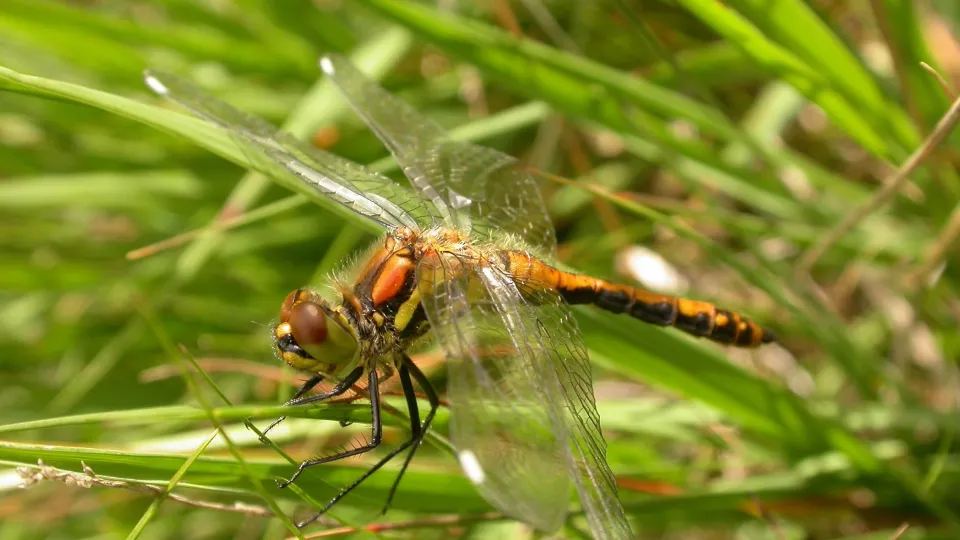
Black darter
The Black darter is a black, narrow-bodied dragonfly that can be seen throughout summer and autumn. It is hovers around damp moors, heaths and bogs, darting out to surprise its prey.
The Black darter is a black, narrow-bodied dragonfly that can be seen throughout summer and autumn. It is hovers around damp moors, heaths and bogs, darting out to surprise its prey.
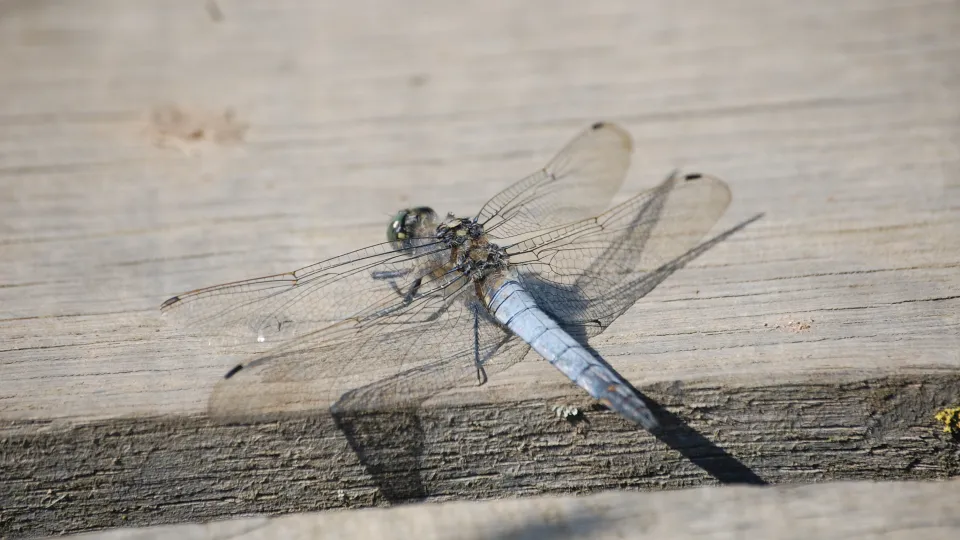
The Black-tailed skimmer is a narrow-bodied dragonfly that can be seen flying low over the bare gravel and mud around flooded gravel pits and reservoirs. It is on the wing from May to August.
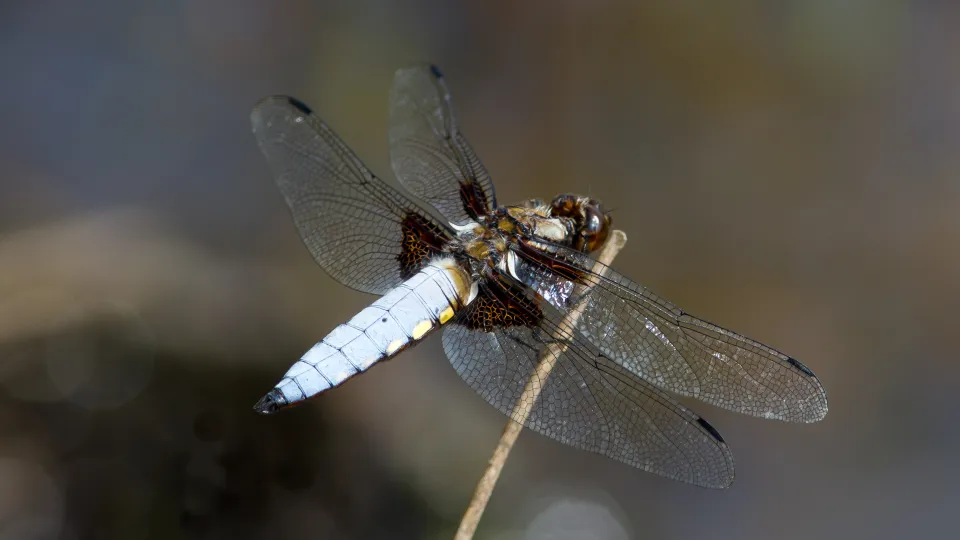
The Broad-bodied chaser is a common dragonfly that can be seen in summer around ponds and lakes, and even in gardens. It lives up to its name: its flattened body gives it a fat, broad look.
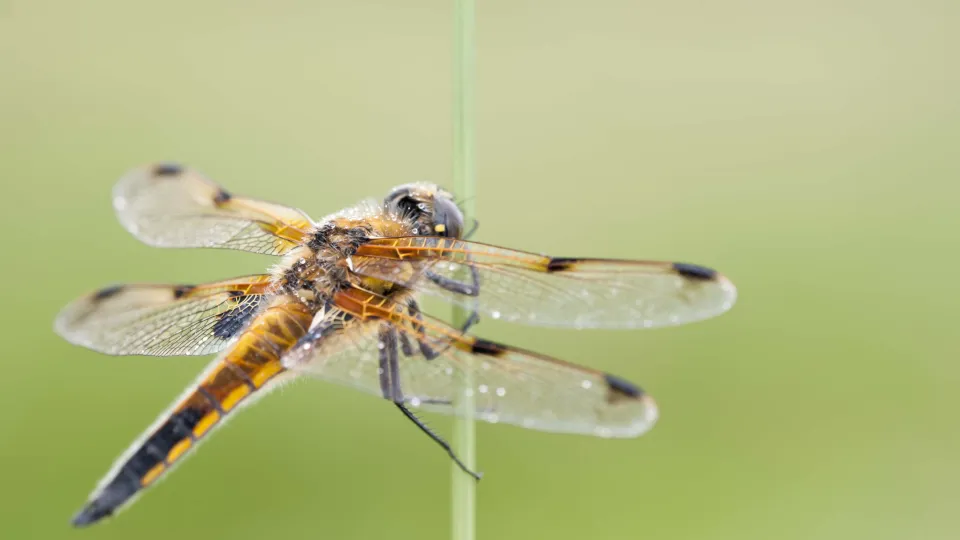
The Four-spotted chaser is easily recognised by the two dark spots on the leading edge of each wing - giving this species its name. It can be seen on heathlands and near ponds and lakes.
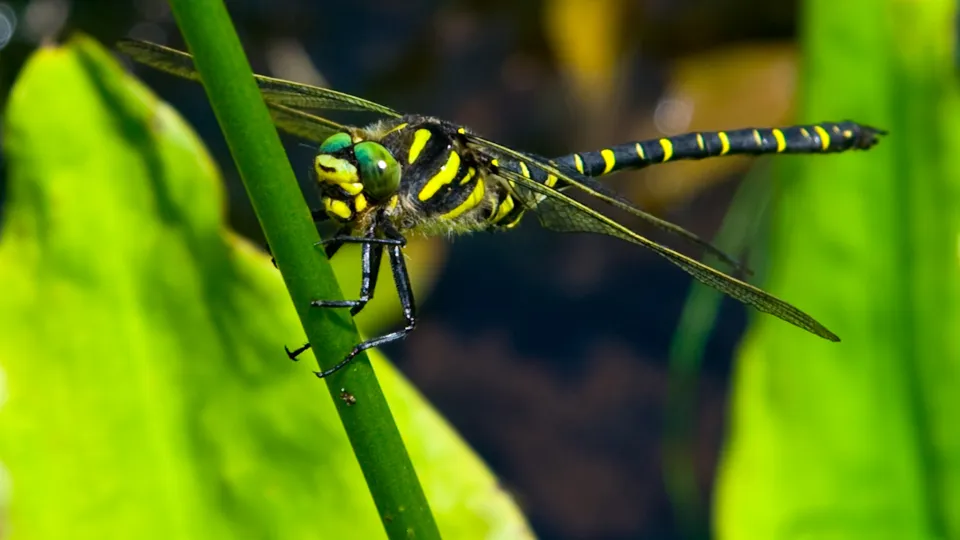
A voracious predator that will even eat other dragonflies, the golden-ringed dragonfly is the UK's longest species. It can be found around acidic streams in moorland and heathland habitats.
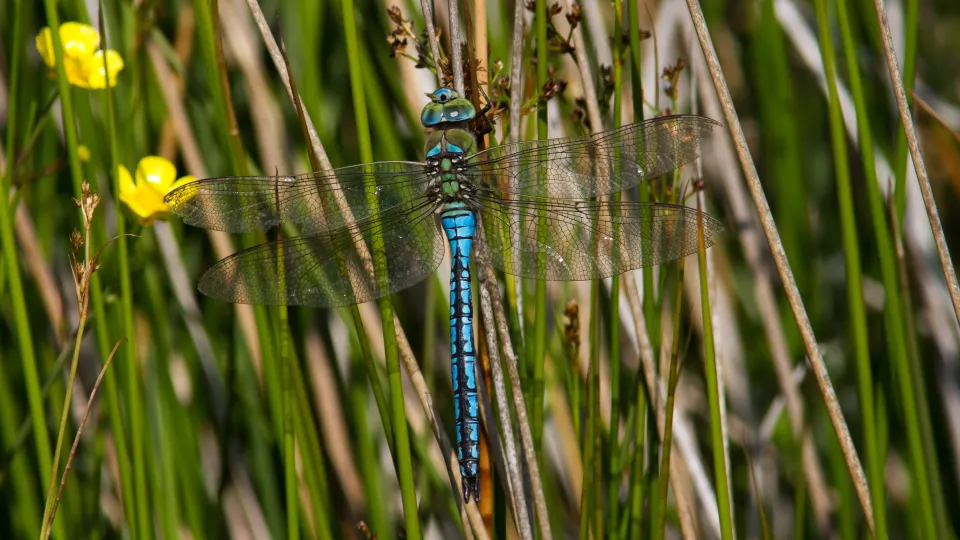
The emperor dragonfly is an impressively large and colourful dragonfly of ponds, lakes, canals and flooded gravel pits. It flies between June and August and even eats its prey on the wing.
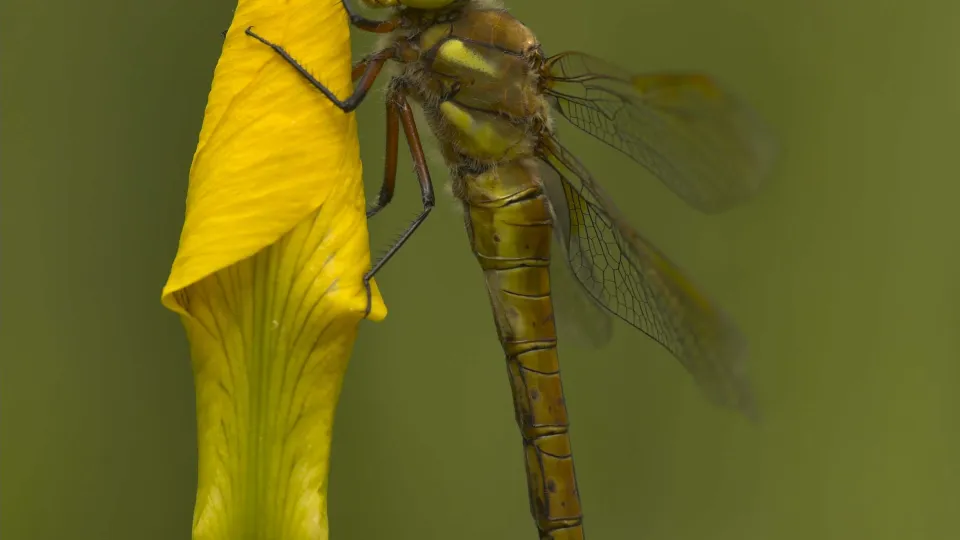
The rare Norfolk hawker is a pale brown dragonfly, with a distinctive yellow triangle on its body. It is only found in unpolluted fens, marshes and ditches of the Broads National Park in Norfolk and Suffolk.
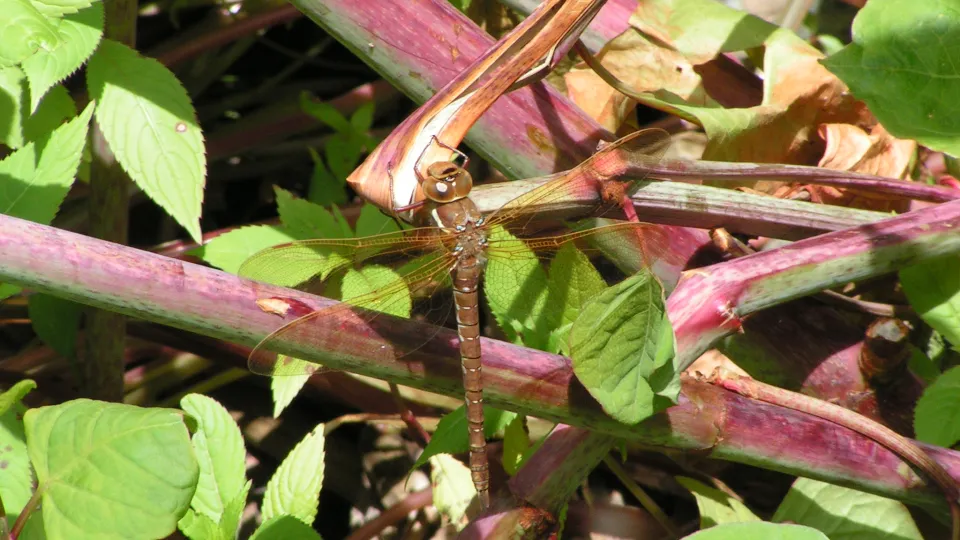
A common dragonfly of canals, marshes, reedbeds and lakes, the Brown hawker can be seen patrolling the water or 'hawking' through woodland rides. It is easily distinguished by its chocolate-brown body.
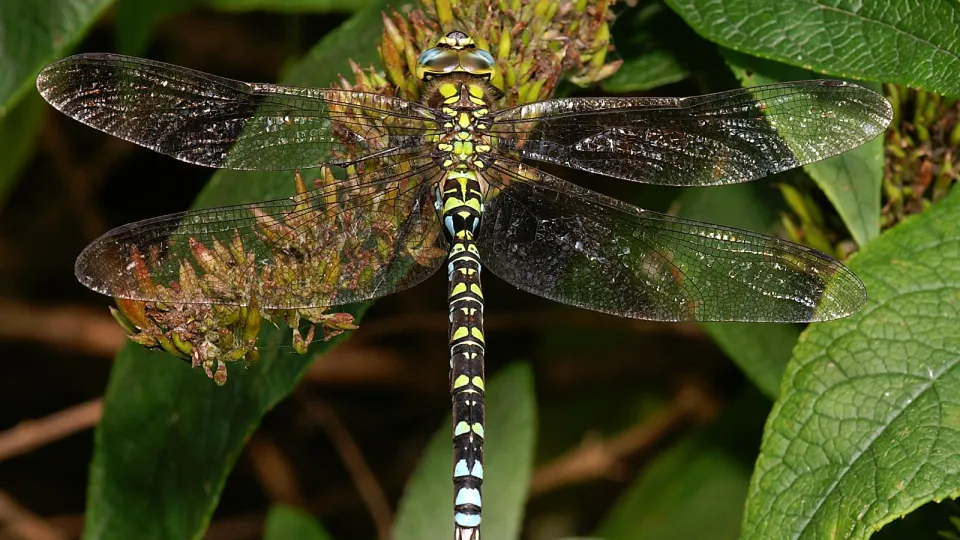
A common dragonfly of ponds, lakes and canals near woodland, the Southern Hawker can be seen patrolling the water or 'hawking' through woodland rides. A fast-flying species, it will catch its prey mid-air.
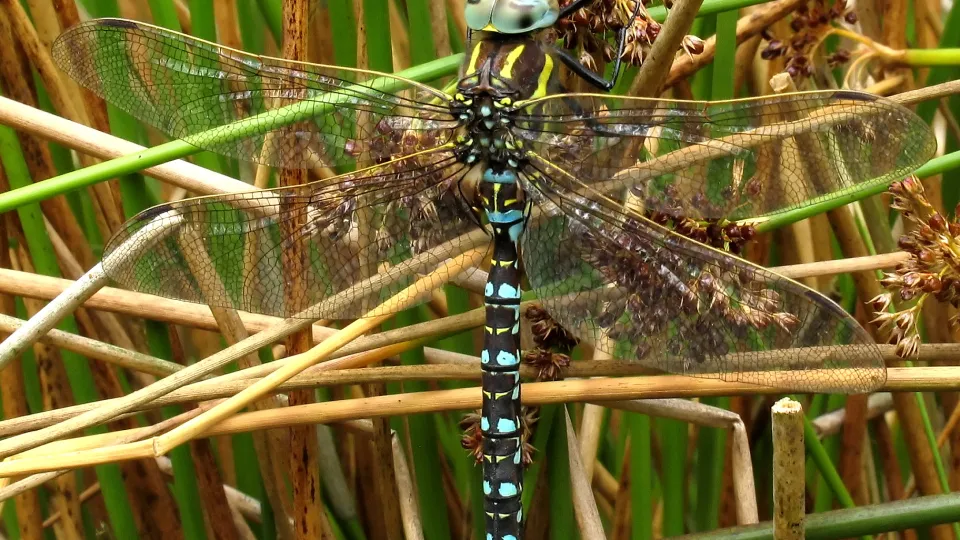
A large hawker, the Common Hawker can be seen throughout the summer and into autumn. A fast-flying insect, it catches its prey mid-air. Look for it around ponds in the uplands of the north and west.