
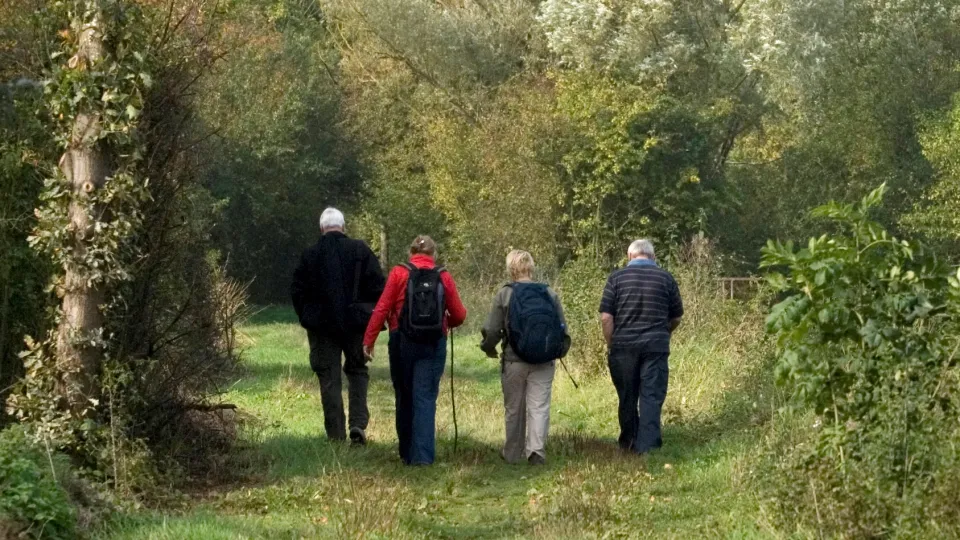
Guided walk: Winter birds
-Sevenoaks Wildlife Reserve is home to many bird species during the winter months; spend some time observing them on this guided walk.
Sevenoaks Wildlife Reserve is home to many bird species during the winter months; spend some time observing them on this guided walk.
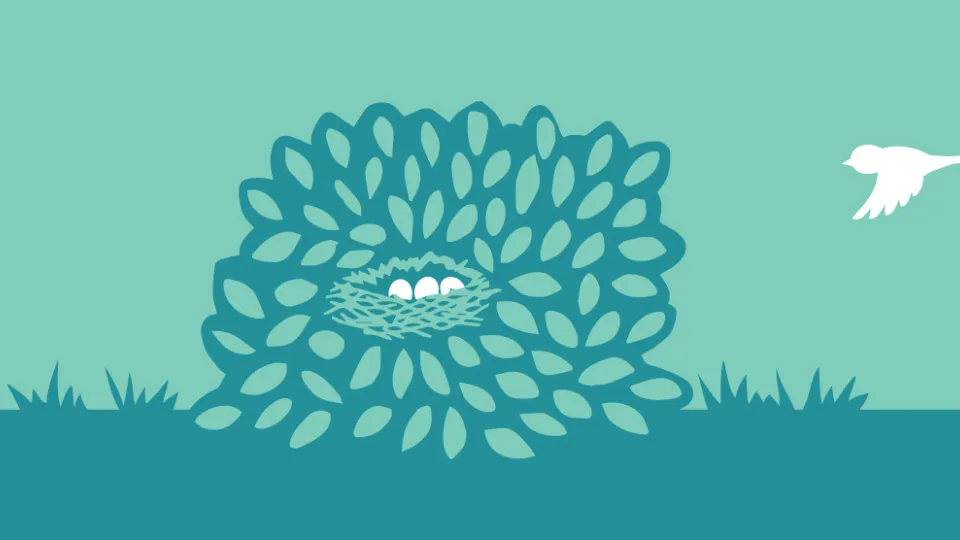
In the spring, birds choose the best locations to build nests, so why not offer them a safe place to settle?
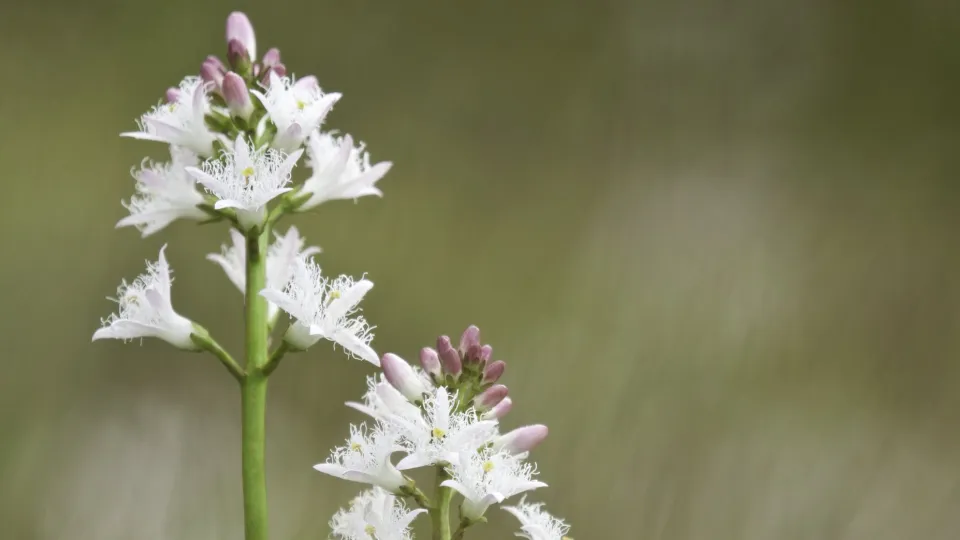
Kent Wildlife Trust Volunteer Margery Thomas explains the nature of heathland habitat at our stunning Hothfield Heathlands Nature Reserve and how our volunteer teams help us to protect this important and beautiful reserve.
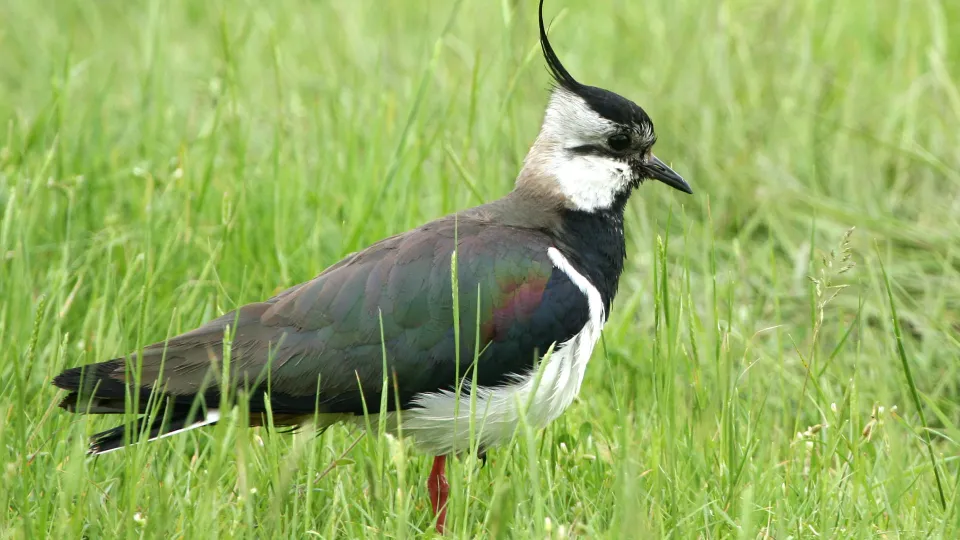
Observe and find out how to identify wetland birds. Discover how birds navigate during autumn migration and learn about the remarkable journeys they make.
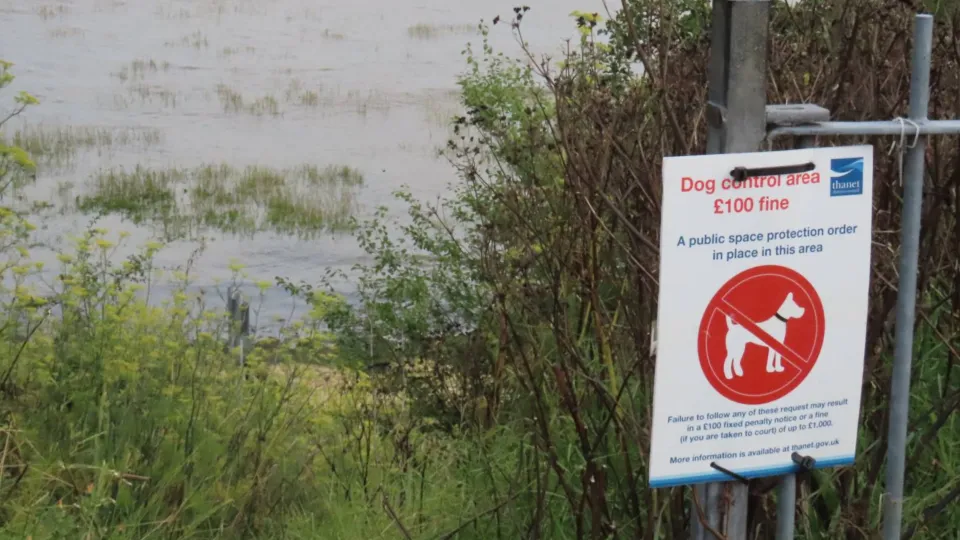
As five more seabird species are placed on the red list, conservations are concerned that recreational pressures are driving them away
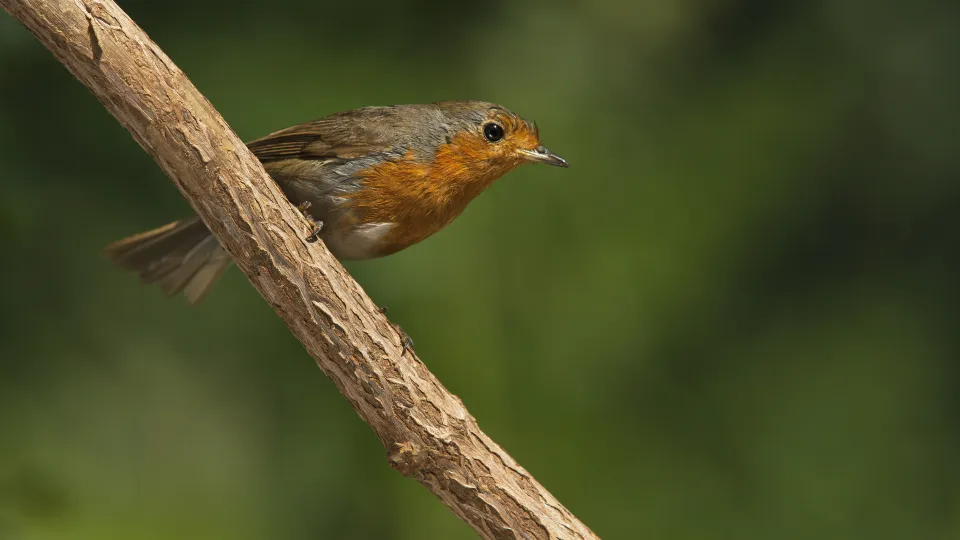
Whether you’ve been recently introduced to the idea of birdwatching through something like the Big Garden Birdwatch, or you already know your robin from your nuthatch, it’s a great hobby to pick up in the winter months.
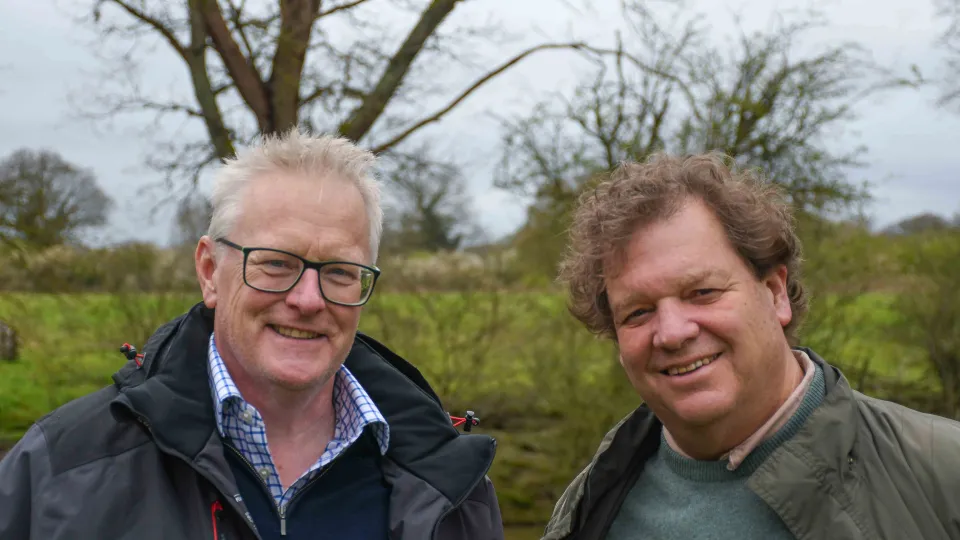
Welcome to a special episode of Talk on the Wild Side dedicated to just one subject, or rather just one place: the Knepp Estate in Sussex...
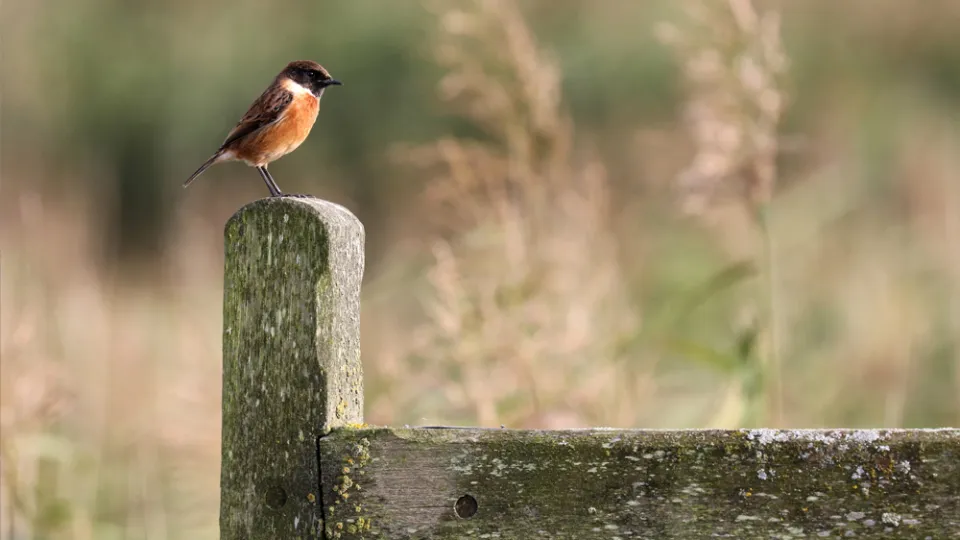
Join Gareth Fulton, Estate Manager at Elmley Nature Reserve to discover the incredible journey of farm to wildlife haven this private estate has taken. This interview looks at their journey and the importance of using eco-tourism to pay for conservation.
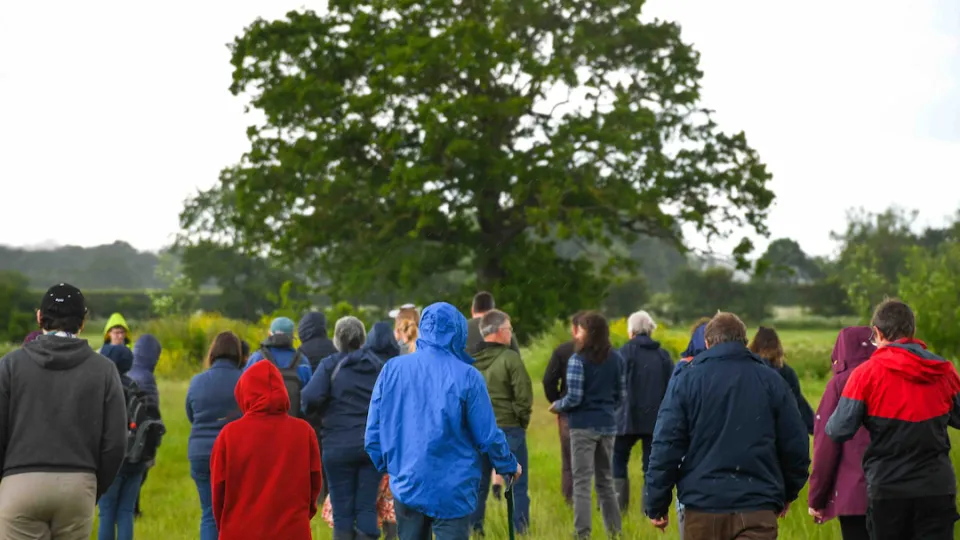
In the last fifty years, both nightingales and turtle doves have suffered a population decline of over 90%. The usual threats of habitat degradation and climate change are partly to blame, but these two species are also at risk from a few more specific challenges.
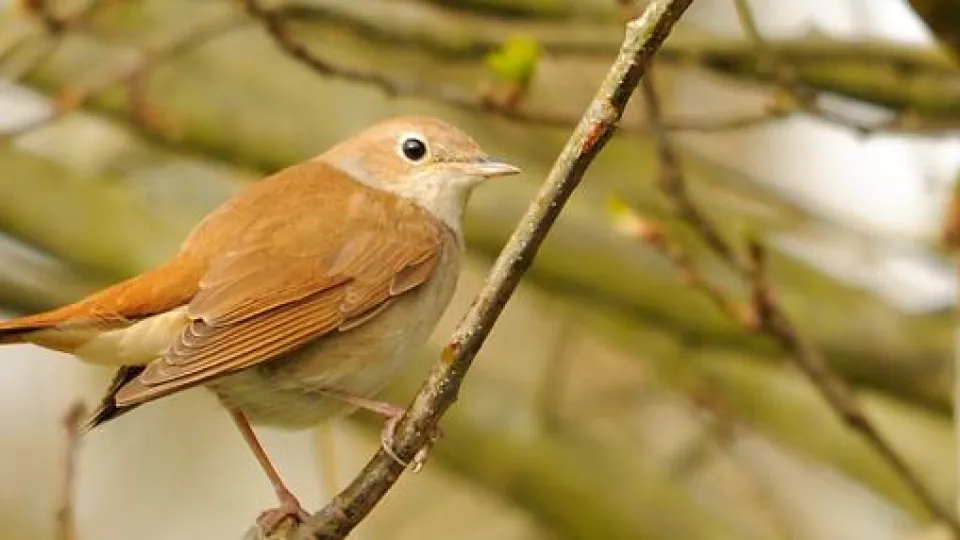
Rob Smith heads to Moat Farm Kent to visit a farmer who's lucky enough to live in a stronghold of a rare and elusive bird species - the nightingale. Find out the facts about Nightingales, listen to their beautiful song and learn how Michael Bax makes sure they have the right habitat to keep coming back year after year.