
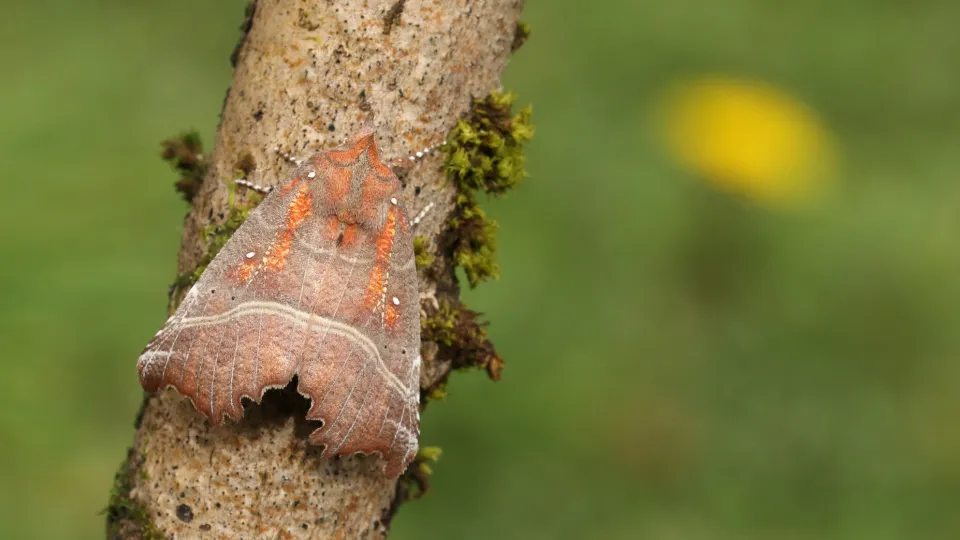
Herald
This unmistakable moth spends the winter as an adult, tucked away in a sheltered spot like a cave or outbuilding.
This unmistakable moth spends the winter as an adult, tucked away in a sheltered spot like a cave or outbuilding.
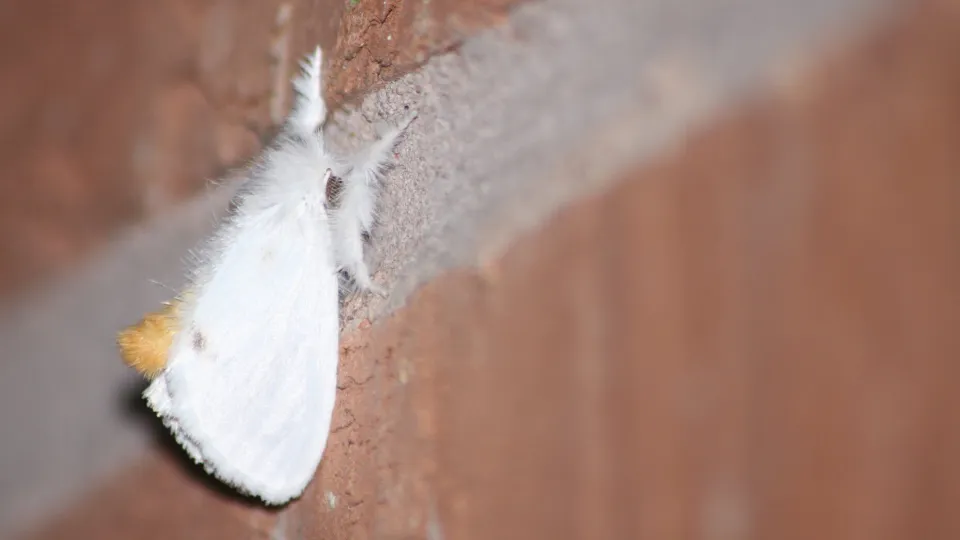
This snowy white moth is easily mistaken for the similar brown-tail, until it lifts its abdomen to reveal a burst of golden-yellow.
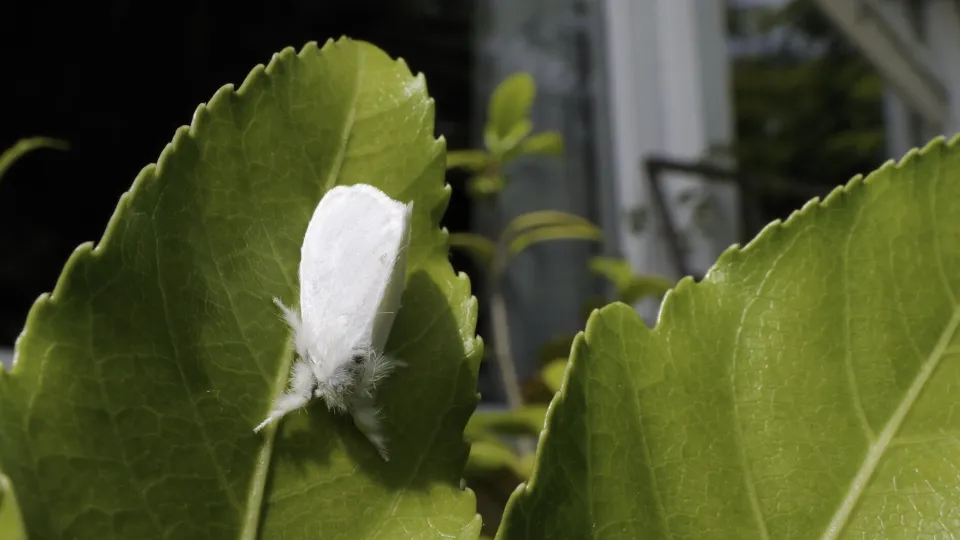
The caterpillars of this fluffy white moth are best admired from a distance, as their hairs can irritate the skin.
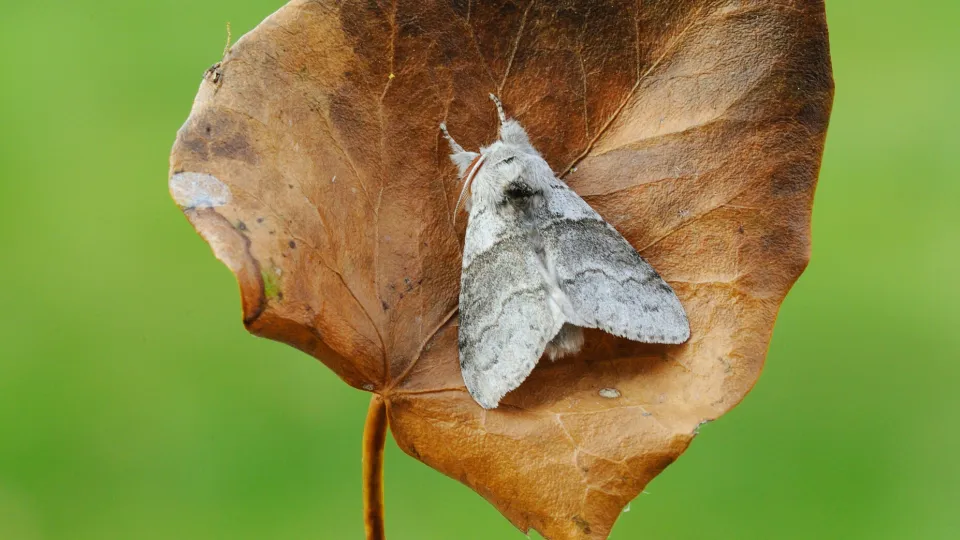
This large, fluffy-legged moth is often attracted to lights in May and June.
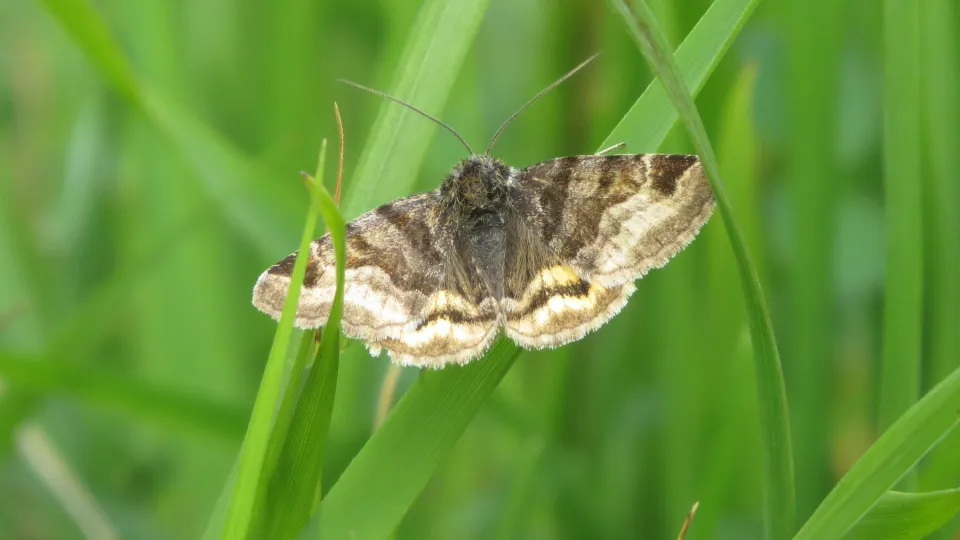
This day-flying moth is found on flowery meadows, often in the company of other moths and butterflies.
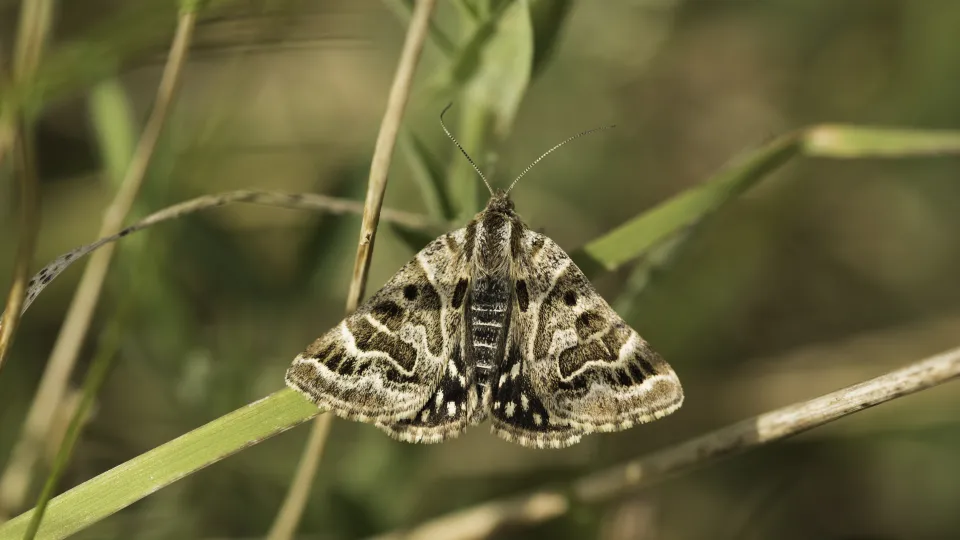
This striking day-flying moth is named after a 16th century witch.
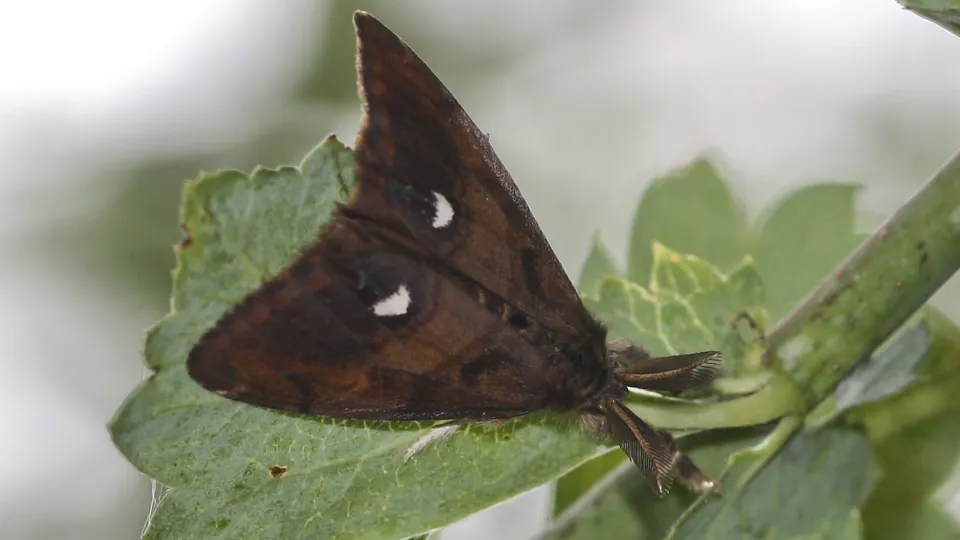
The mohawk-sporting caterpillar of this moth is often seen on shrubs and trees in late summer. As adults the orange-brown males fly by day, but the flightless females don't stray far from their cocoon.
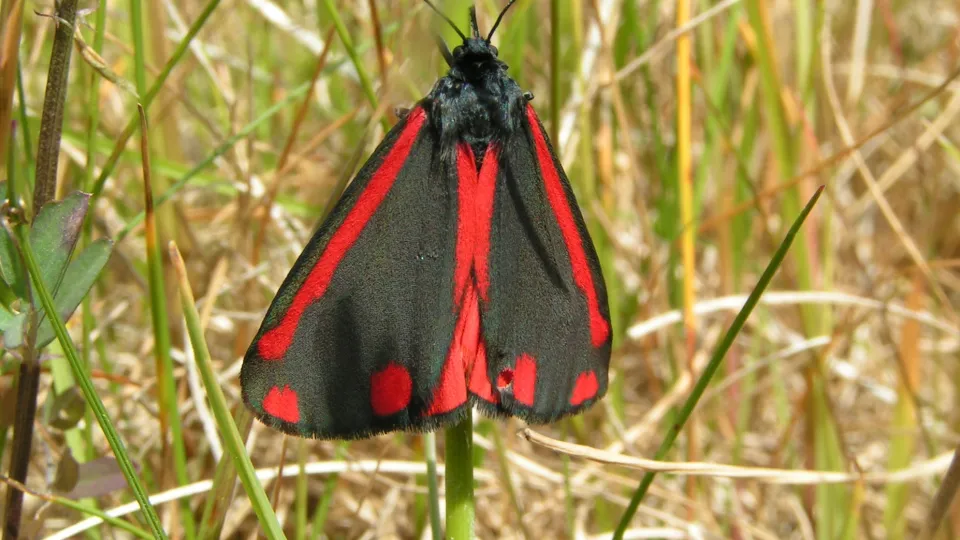
These pretty black and red moths are often confused for butterflies! Their black and yellow caterpillars are a common sight on ragwort plants. The caterpillar’s bright colours warn predators not to eat them, giving a strong signal that they are poisonous!
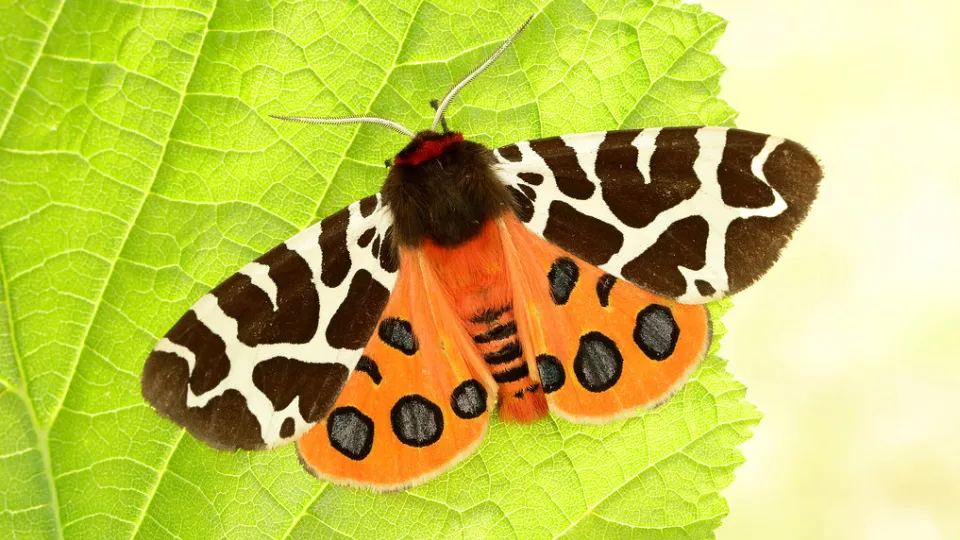
The garden tiger is an attractive, brown-and-white moth of sand dunes, woodland edges, meadows and hedgerows; it will also visit gardens. In decline, it is suffering from the 'tidying up' of our countryside.