
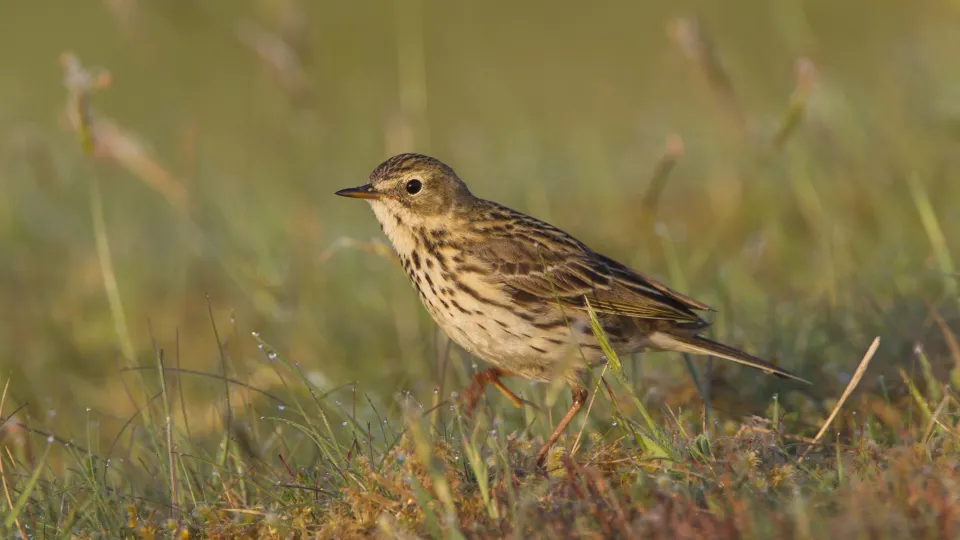
Meadow pipit
The meadow pipit favours moorland and grassland. It is an unfortunate victim of cuckolding behaviour - their own young being pushed out of the nest, so they can look after the 'parasitic' Cuckoo chick.
The meadow pipit favours moorland and grassland. It is an unfortunate victim of cuckolding behaviour - their own young being pushed out of the nest, so they can look after the 'parasitic' Cuckoo chick.
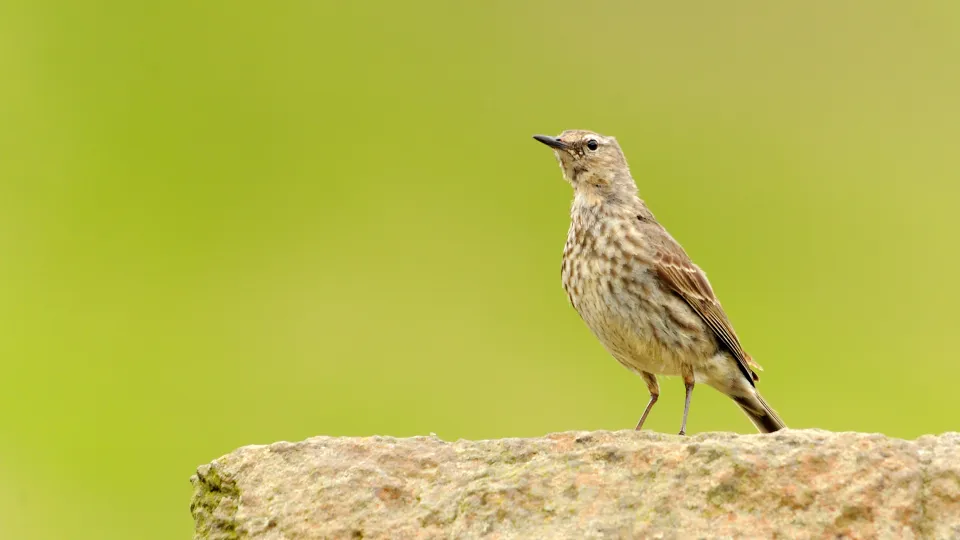
A common and stocky bird of our rocky coasts, the rock pipit can nearly always be seen close to the sea. It is a bit smaller than a starling.
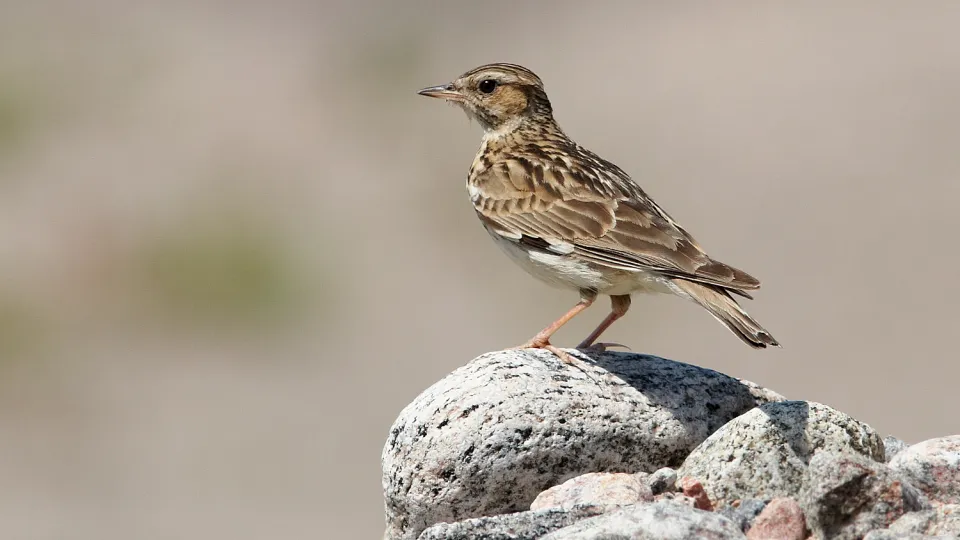
The secretive woodlark can be hard to spot. It nests on the ground on our southern heathlands and uses scattered trees and woodland edges for lookout posts.
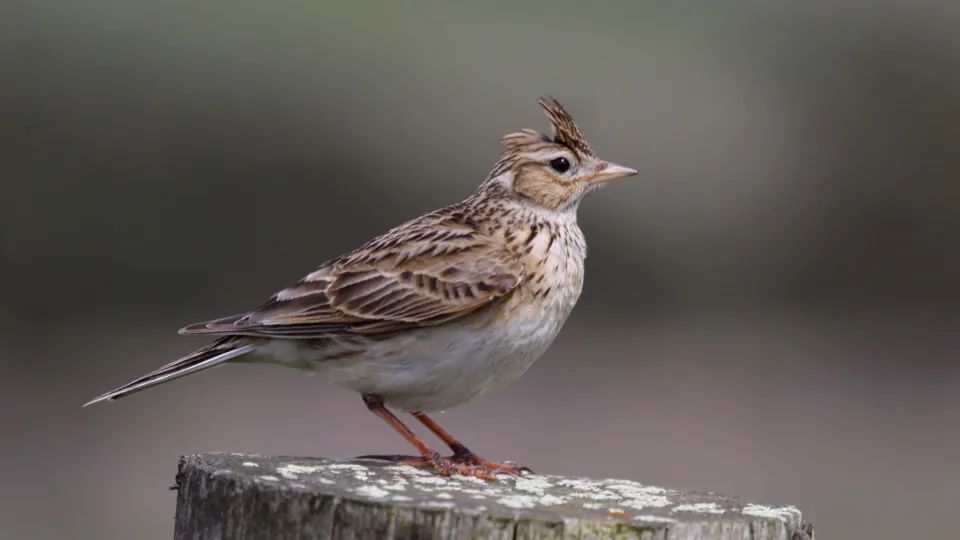
The song of the skylark has been the subject of many great musical and literary works. A quintessential feature of our farmland and grasslands habitats, it is declining rapidly with habitat loss.
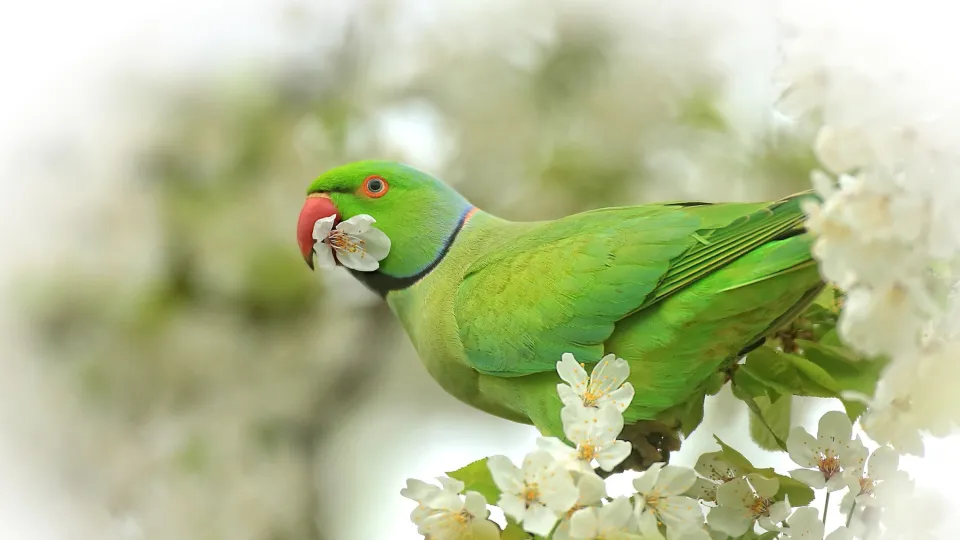
The bright green ring-necked parakeet is an escapee and our only naturalised parrot; its success is likely due to warmer winters. It can be seen in the South East.
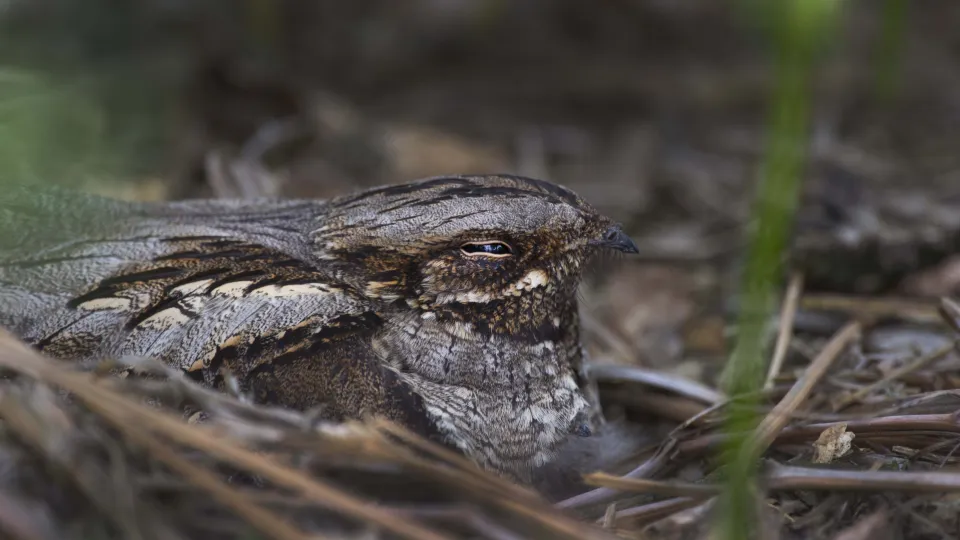
The easiest way to find out if the nocturnal and well-camouflaged nightjar is about is to listen out for its distinctive 'churring' call at dusk. A summer visitor, it is most numerous in southern England.
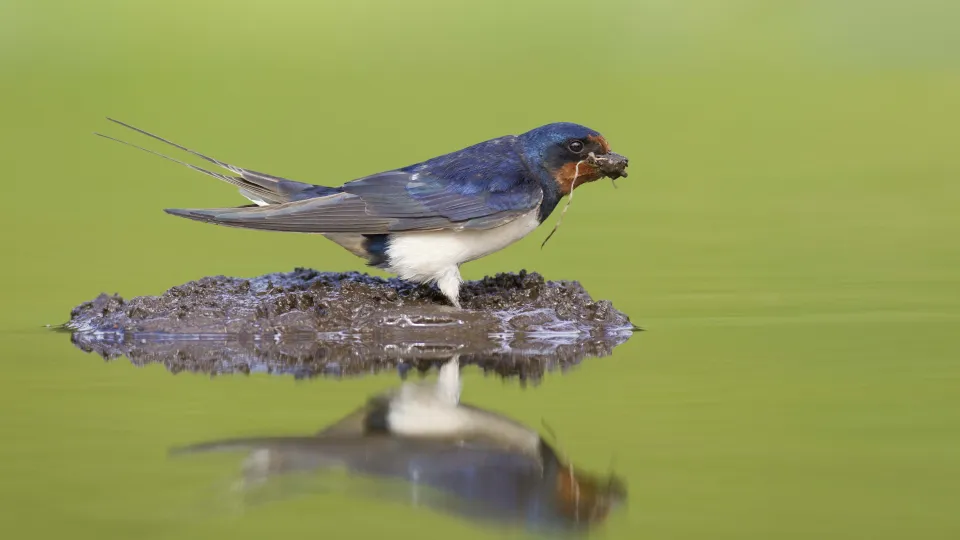
Look out for the swallow performing great aerial feats as it catches its insect-prey on the wing. You may also see it perching on a wire, or roosting in a reedbed, as it makes its way back to Africa for the winter.
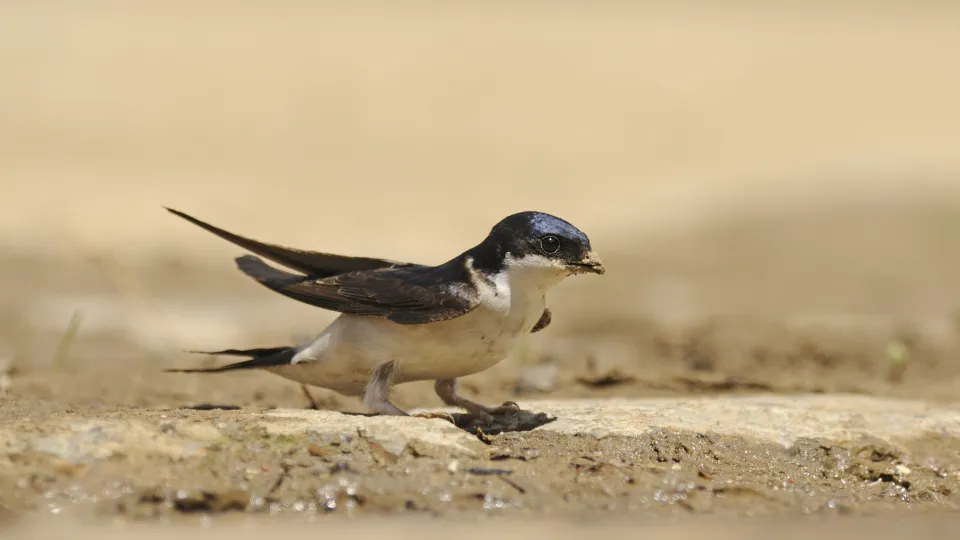
As its name suggests, the house martin can be spotted nesting in the eaves of houses in our towns and villages. Its intricate mud nests take days to build and are often returned to and used in following years.
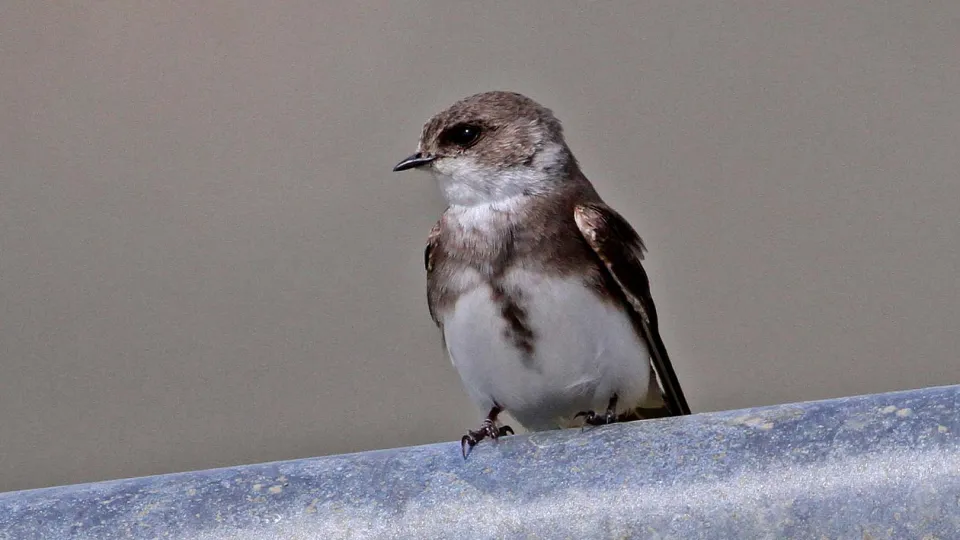
The tiny, brown-and-white sand martin is a common summer visitor to the UK, nesting in colonies on rivers, lakes and flooded gravel pits. It returns to Africa in winter.
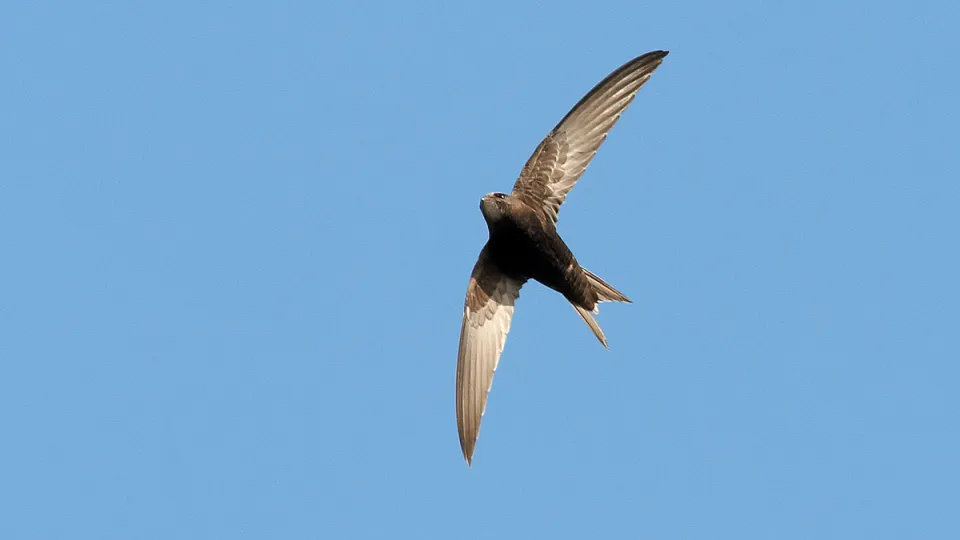
Swifts spend most of their lives flying – even sleeping, eating and drinking – only ever landing to nest. They like to nest in older buildings in small holes in roof spaces.