
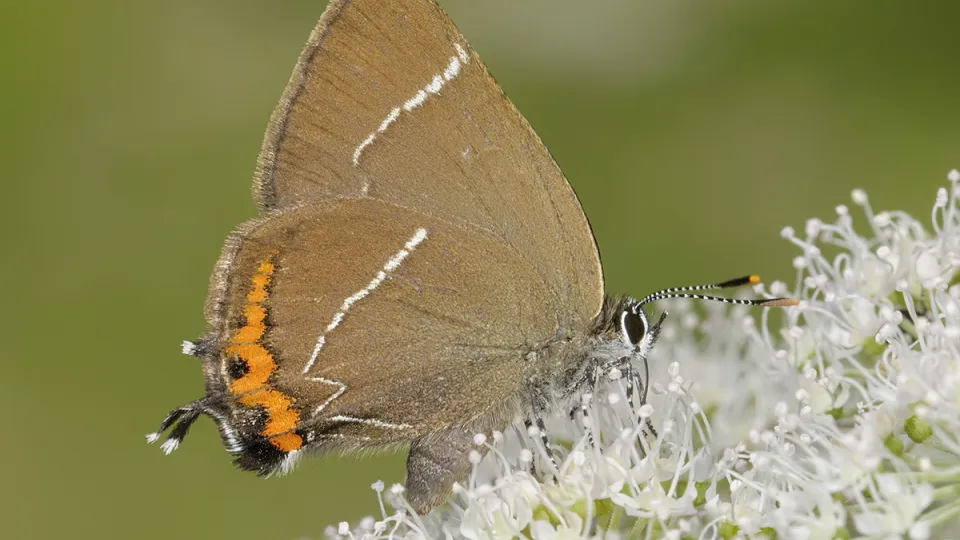
White-letter hairstreak
The white-letter hairstreak gets its name from the white lines that form a 'W' shape on its underside. It is an elusive butterfly, spending much of its time in the treetops.
The white-letter hairstreak gets its name from the white lines that form a 'W' shape on its underside. It is an elusive butterfly, spending much of its time in the treetops.
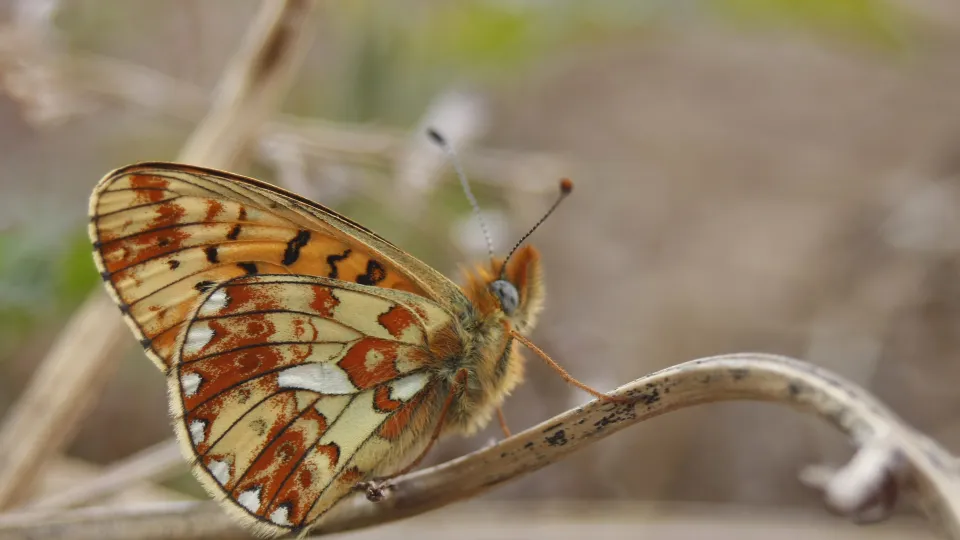
The pearl-bordered fritillary is a striking orange-and-black butterfly of sunny woodland rides and clearings. It gets its name from the row of 'pearls' on the underside of its hindwings.
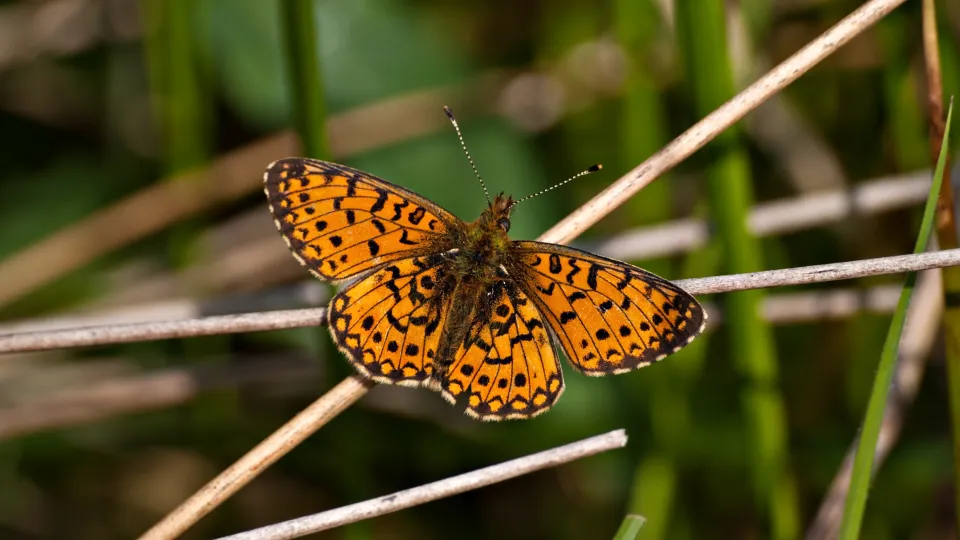
The small pearl-bordered fritillary is a pretty orange-and-brown butterfly of damp grassland, moorland, and open woodland. It gets its name from the row of 'pearls' on the underside of its hindwings.
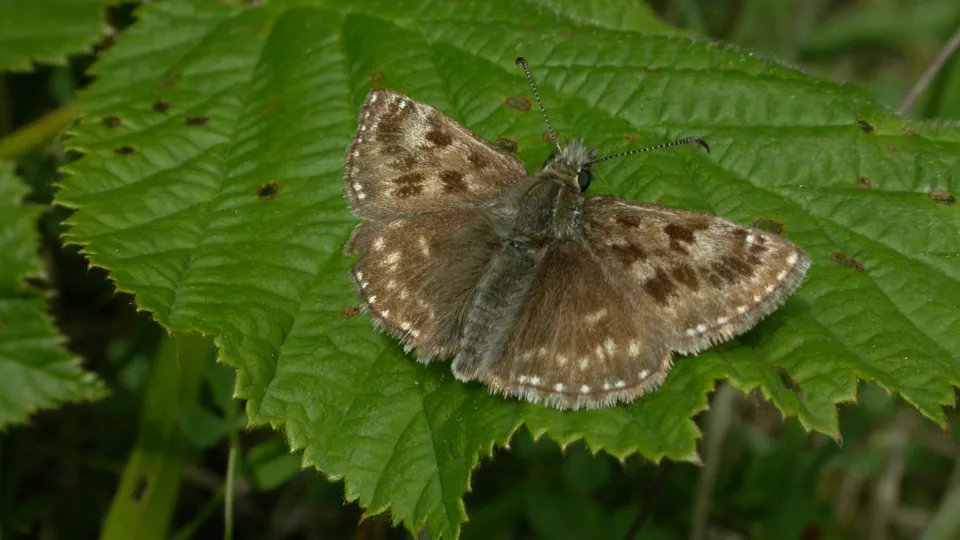
The moth-like dingy skipper is a small, grey-brown butterfly of open, sunny habitats like chalk grassland, sand dunes, heathland and waste ground.
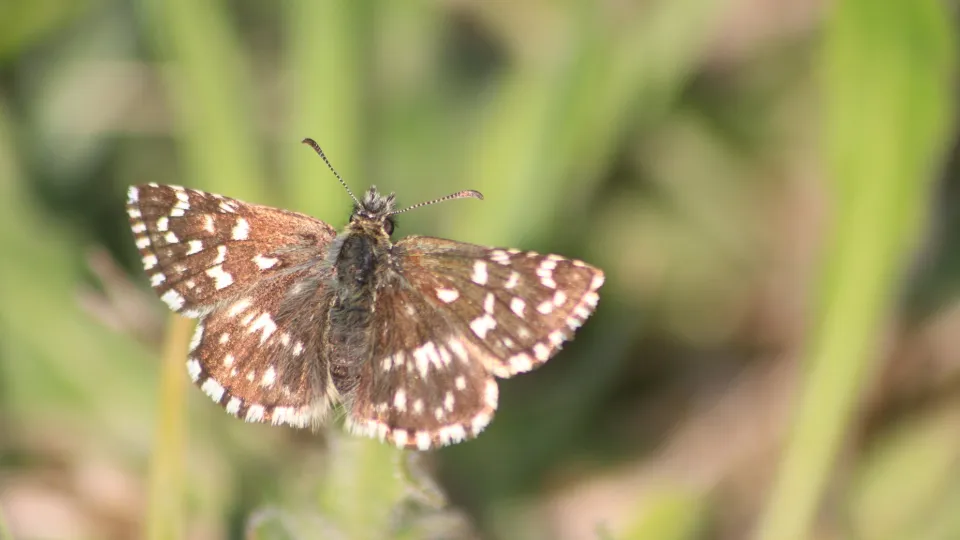
The grizzled skipper has a striking brown-and-white checked wing pattern. It is a fast flier, so is best observed in the morning as it basks in the sun to warm up. It favours chalk grassland and woodland habitats.
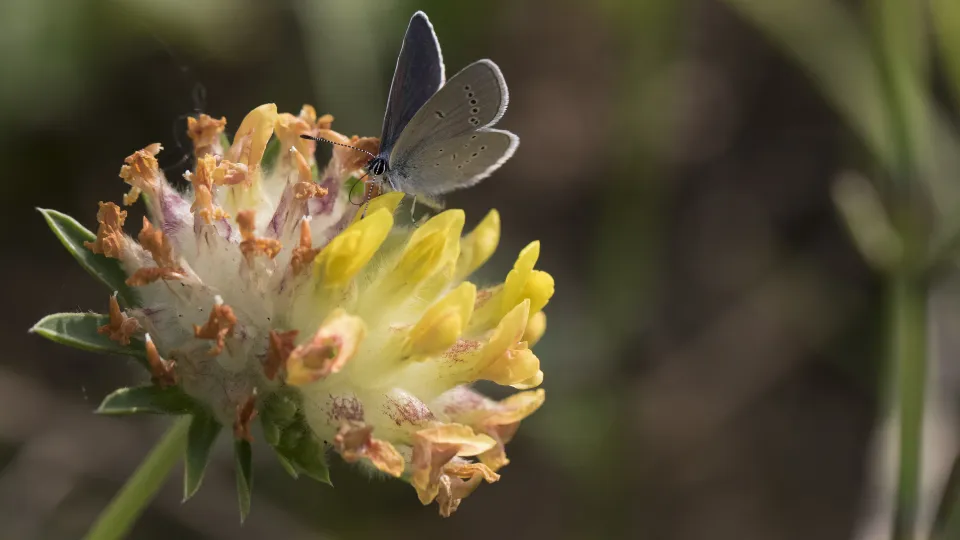
The small blue's name is a little misleading: it is our smallest butterfly, but only shows a dusting of blue on brown wings. It is scarce, occurring on chalk grassland, mostly in southern England.
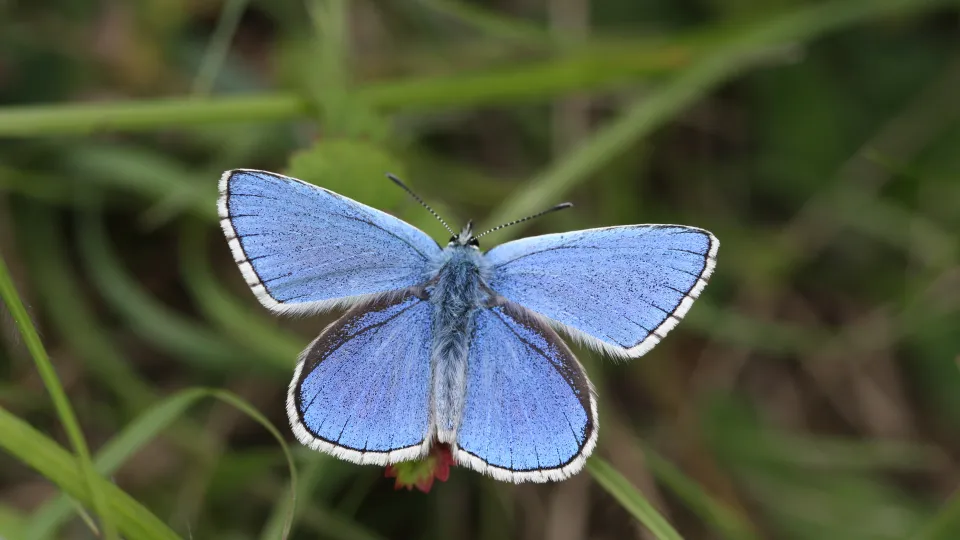
The rare Adonis blue can be spotted on sunny chalk grasslands throughout summer. Males are a dazzling sky-blue in colour, while females are duller brown.
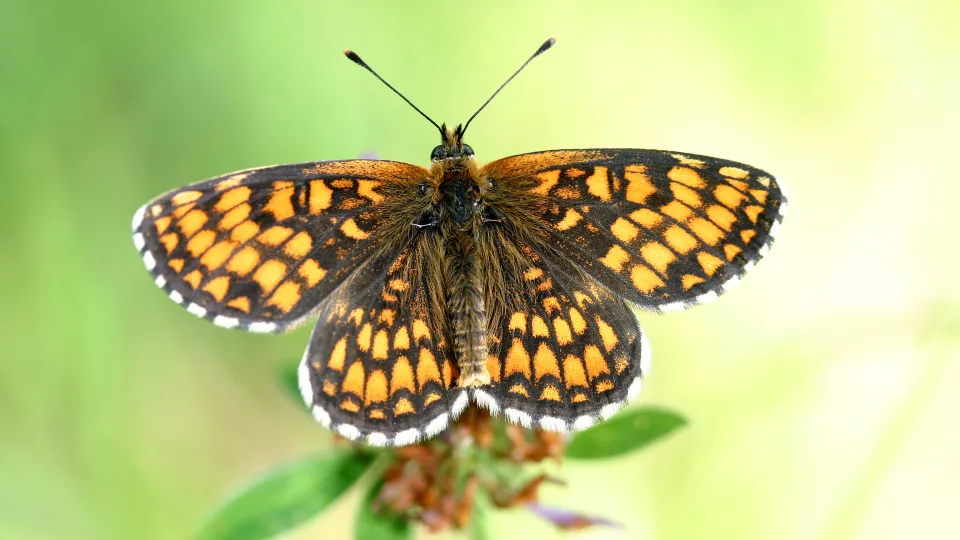
The rare heath fritillary was on the brink of extinction in the 1970s, but conservation action turned its fortunes around. It is still confined to a small number of sites in the south of England, however.
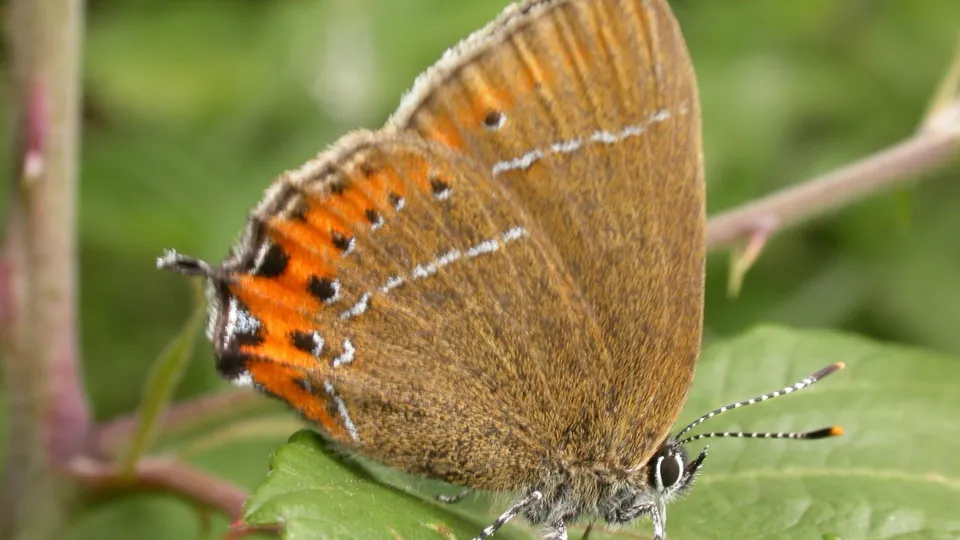
The black hairstreak is a rare butterfly that is restricted to woodlands and hedgerows containing blackthorn - the foodplant of the caterpillar. It is both elusive and hard to tell apart from other hairstreaks.
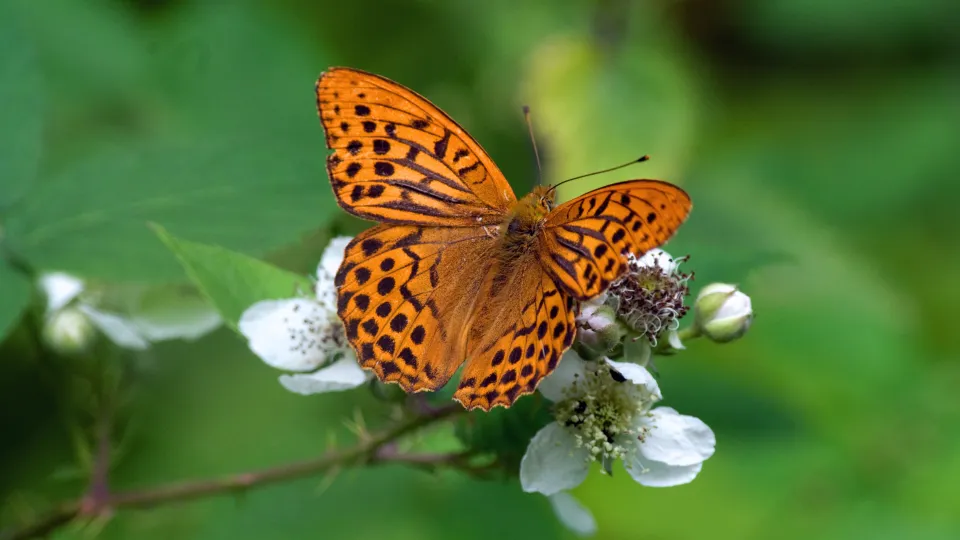
The silver-washed fritillary gets its name from the silver streaks on its underside. It is on the wing in summer, preferring sunny glades in woodlands. Despite declines, its range has spread over recent years.