
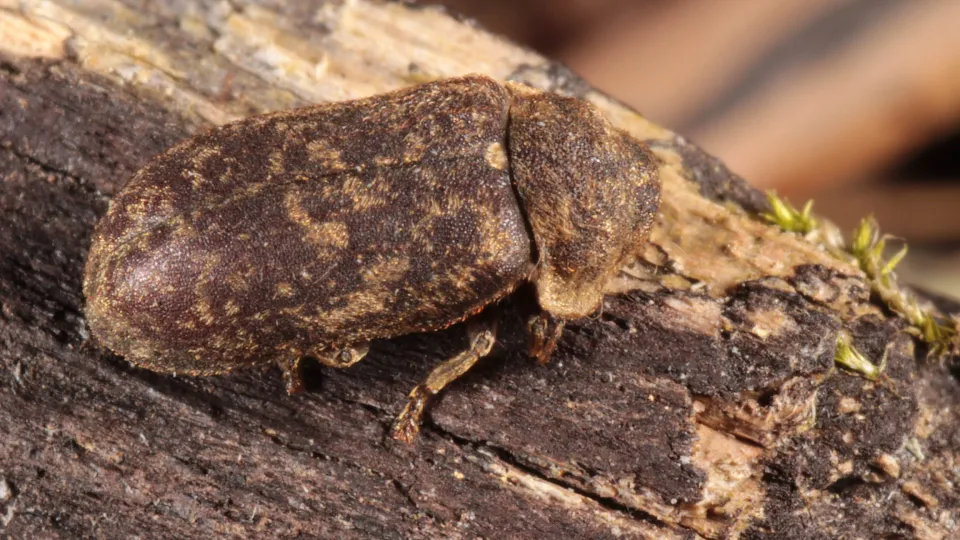
Deathwatch beetle
Famed for its tapping in the middle of the night, supposedly heralding tragedy, the Deathwatch beetle is a serious wood-boring pest. In houses, their tunnelling can cause major damage.
Famed for its tapping in the middle of the night, supposedly heralding tragedy, the Deathwatch beetle is a serious wood-boring pest. In houses, their tunnelling can cause major damage.
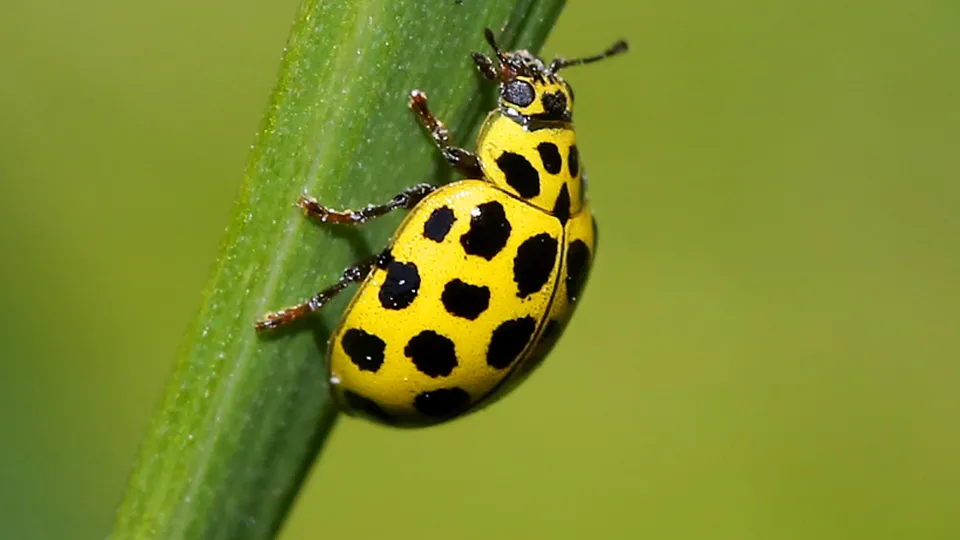
The 22-spot ladybird is one of three yellow ladybirds in the UK. Look for it in grassland, woodland and gardens. Ladybirds are beneficial insects, managing garden pests - encourage them by putting up a bug box.
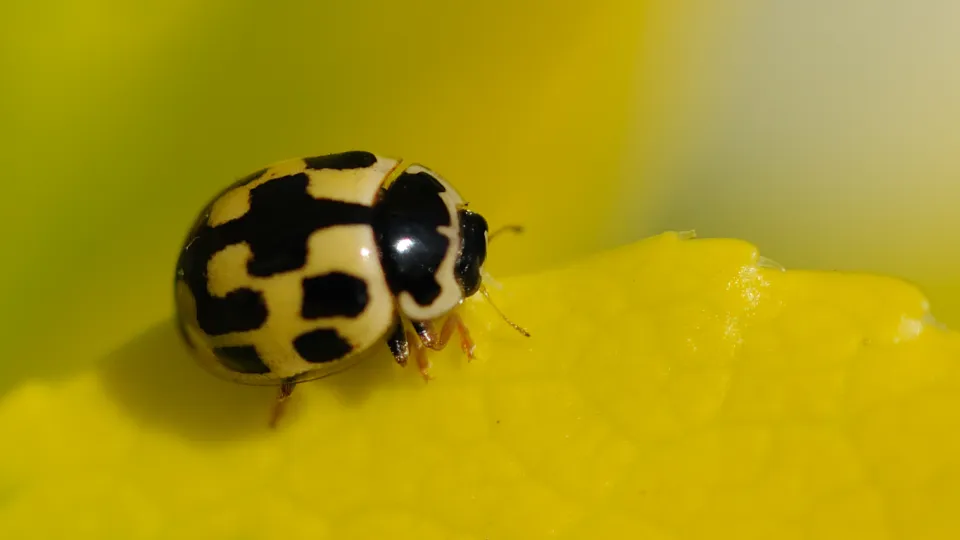
The 14-spot ladybird is one of three yellow ladybirds in the UK. Look for it in grassland, woodland and gardens. Ladybirds are beneficial insects, managing garden pests - encourage them by putting up a bug box.
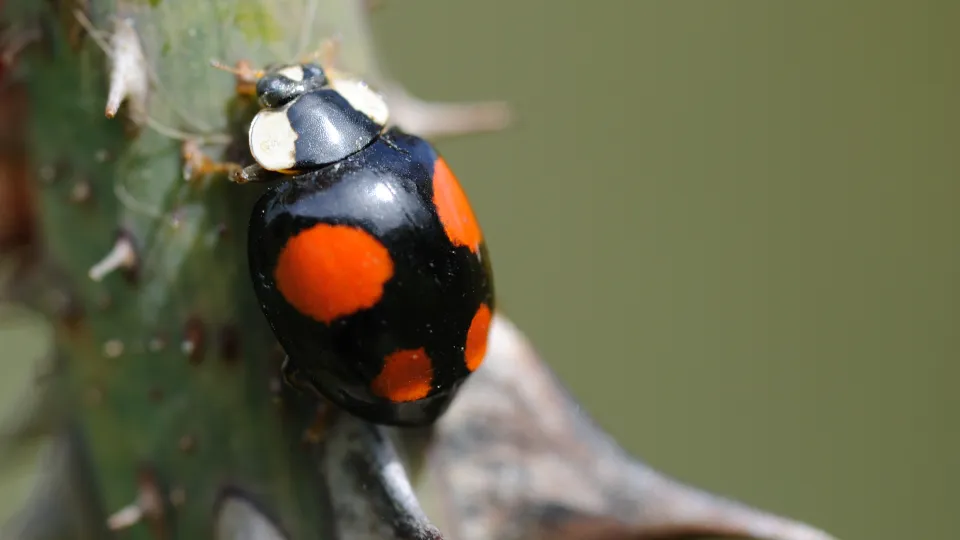
A non-native species originating from Asia, the harlequin ladybird is prevalent in towns and gardens.
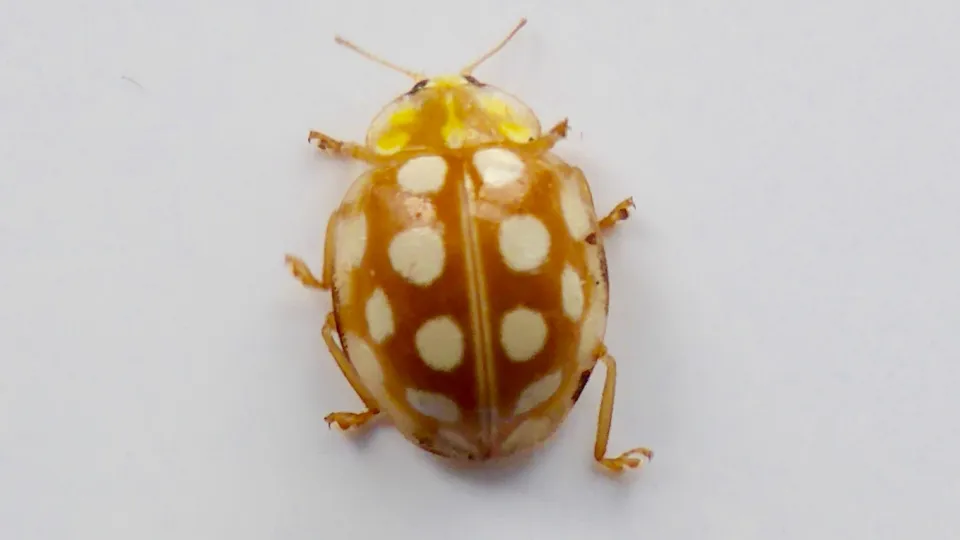
The orange ladybird is pale orange with up to 16 cream spots on its wing cases. It feeds on mildew on trees like sycamore and ash, and hibernates in the leaf litter. It often turns up in moth traps.
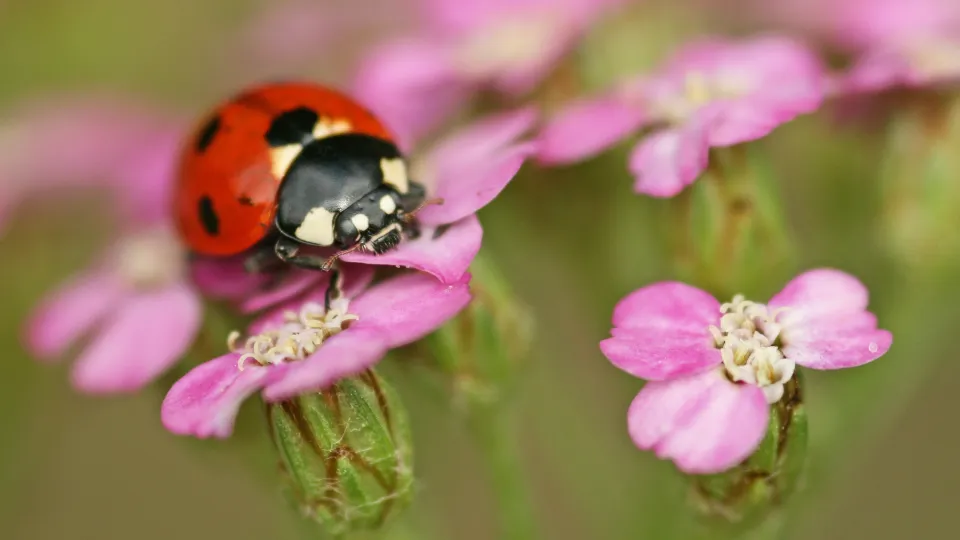
One of our most common ladybirds, the black-on-red markings of the 7-spot ladybird are very familiar. Ladybirds are a gardeners best friend as they eat insects that love to nibble on garden plants! You can encourage them into your garden by putting up a bug box.
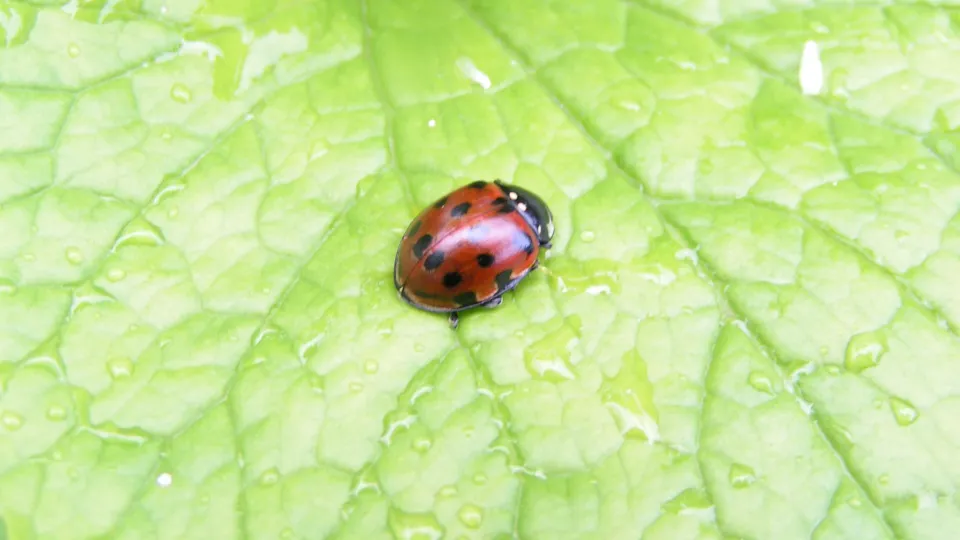
The large eyed ladybird is unmistakeable: it is our only ladybird with yellow rings around its black spots. Ladybirds are beneficial insects, managing garden pests - encourage them by putting up a bug box.
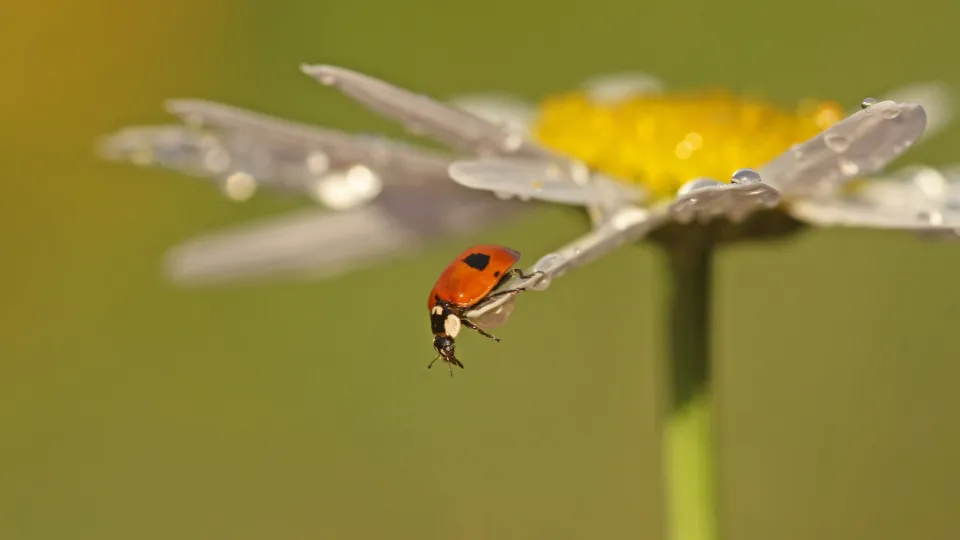
Our most common ladybird, the black-on-red markings of the 2-spot Ladybird are familiar to many of us. Ladybirds are beneficial insects, managing garden pests - encourage them by putting up a bug box.
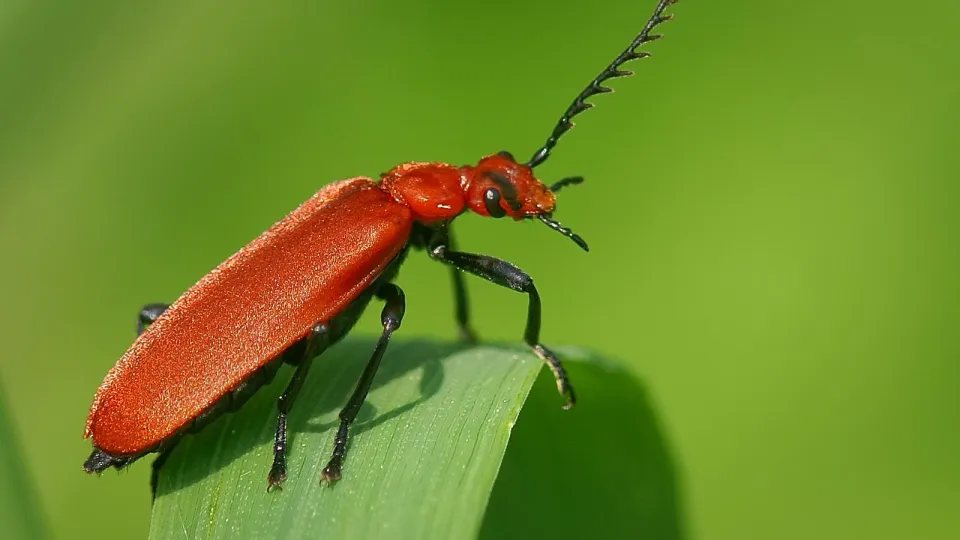
A bright red beetle, with black legs and knobbly antennae, the red-headed cardinal beetle lives up to its name. Look for it in woodland, along hedgerows and in parks and gardens over summer.
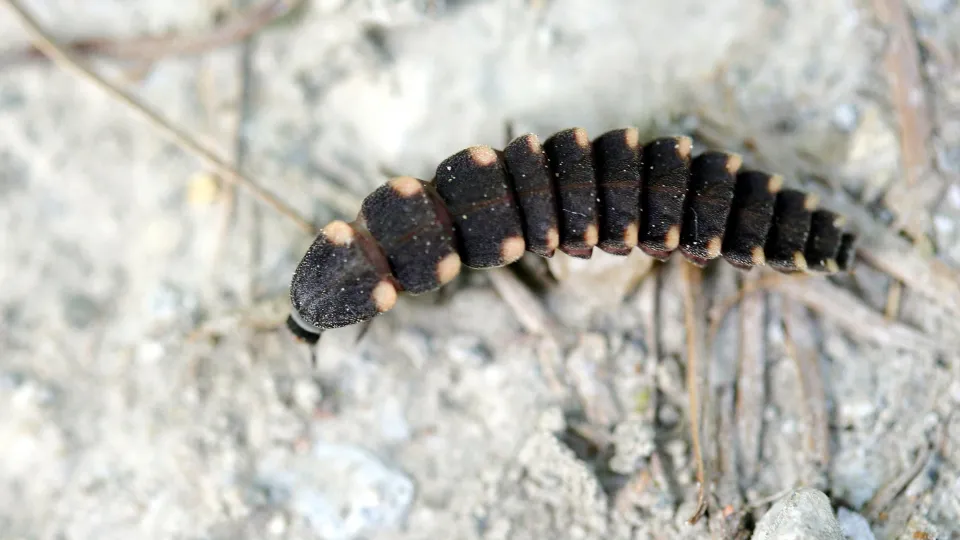
The glow-worm is not actually a worm, but a beetle. Males look like typical beetles, but the nightly glow of a female is unmistakeable - lighting up to attract a mate in the darkness of their grassland habitats. Look for the adults in summer.