
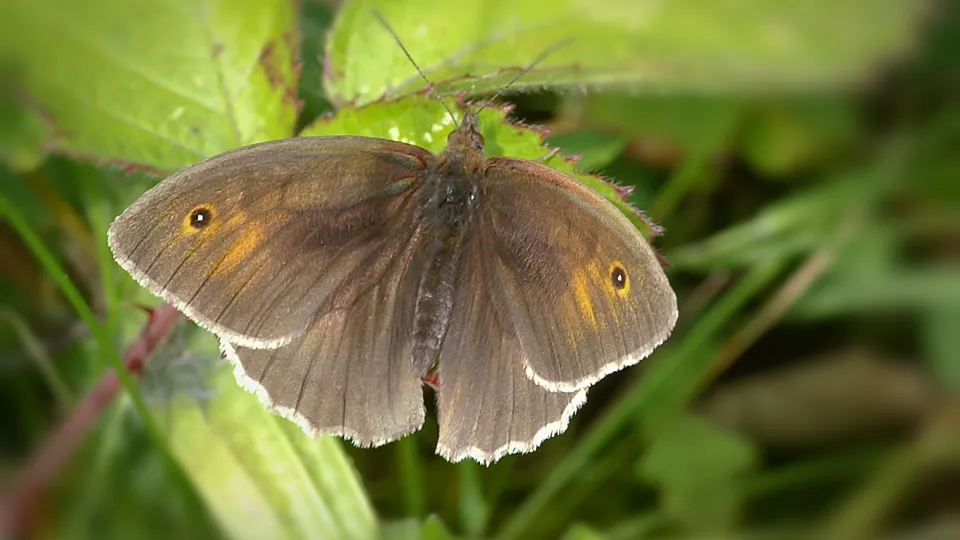
Meadow brown
One of our most common butterflies, the meadow brown can be spotted on grasslands, and in gardens and parks, often in large numbers. There are four subspecies of meadow brown.
One of our most common butterflies, the meadow brown can be spotted on grasslands, and in gardens and parks, often in large numbers. There are four subspecies of meadow brown.
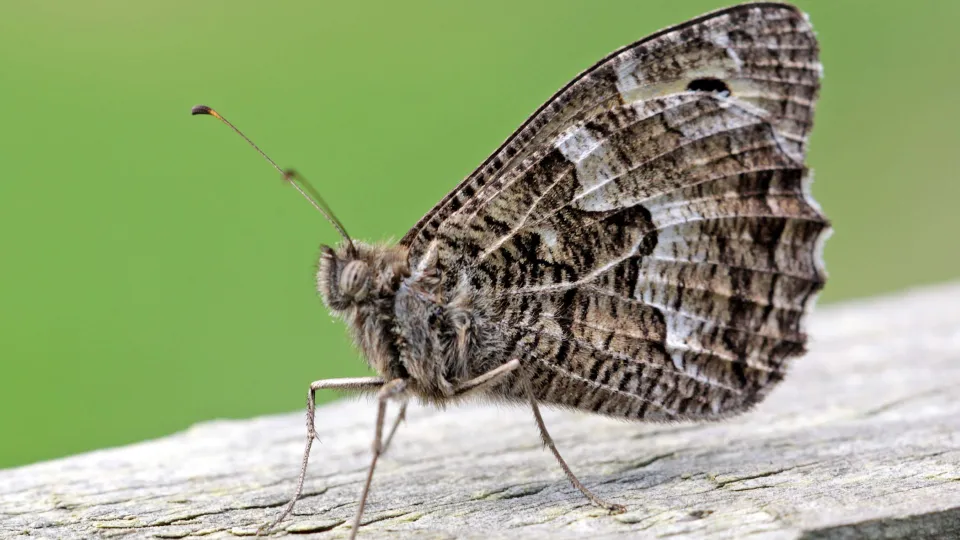
The grayling is one of our largest brown butterflies and a master of disguise - its cryptic colouring helps to camouflage it against bare earth and stones in its coastal habitats and on inland heathlands.
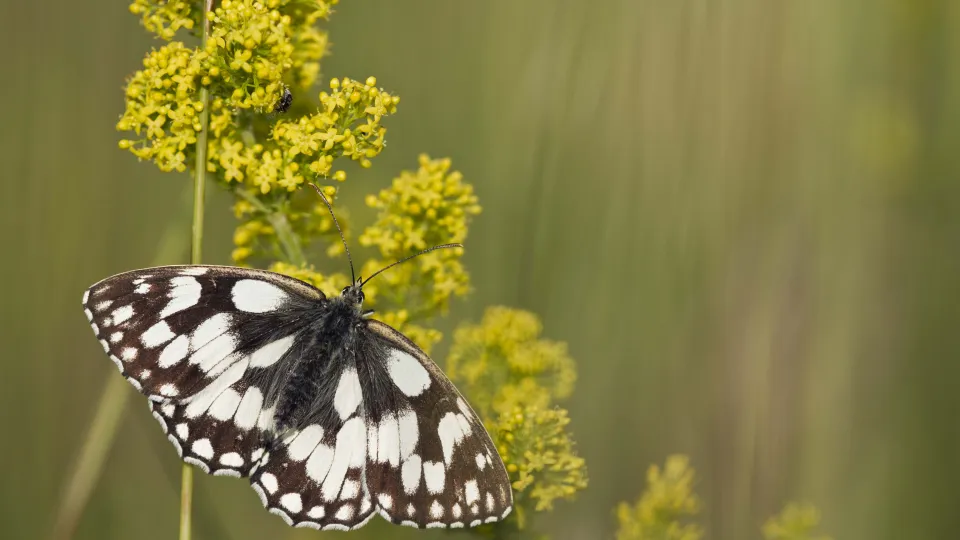
The striking black-and-white checks of the marbled white are unmistakeable. Watch out for it alighting on purple flowers, such as field scabious, on chalk and limestone grasslands and along woodland rides.
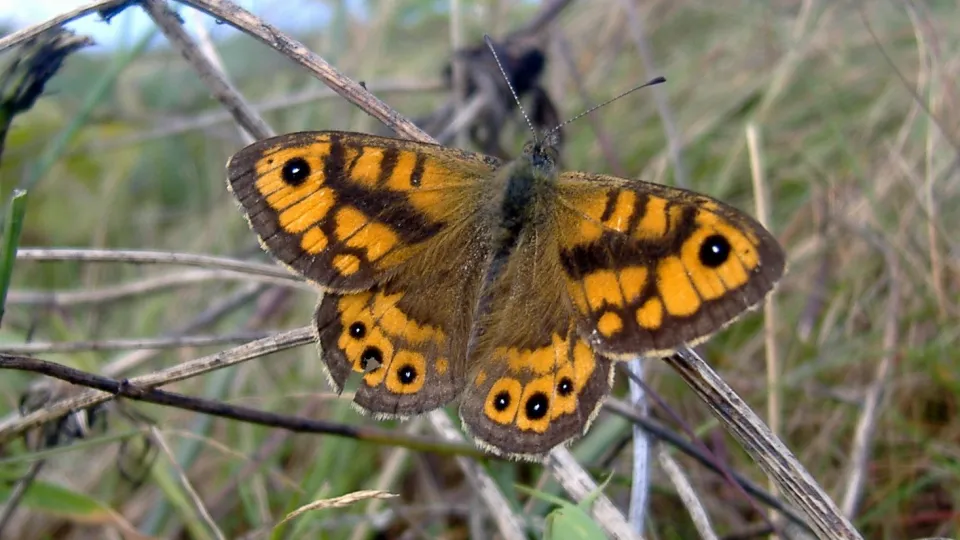
The wall brown or 'wall' gets its name from the fact it rests on any bare surface or wall! It can be found in open, sunny places like sand dunes, old quarries, grasslands and railway cuttings.
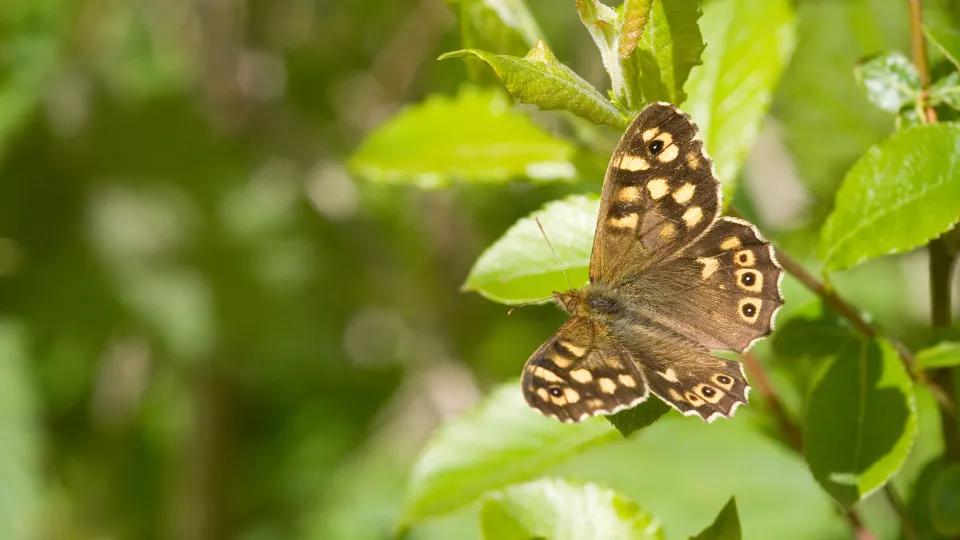
The speckled wood prefers the dappled sunlight of woodland rides and edges, hedgerows and even gardens. Despite declines, its range has spread over recent years.
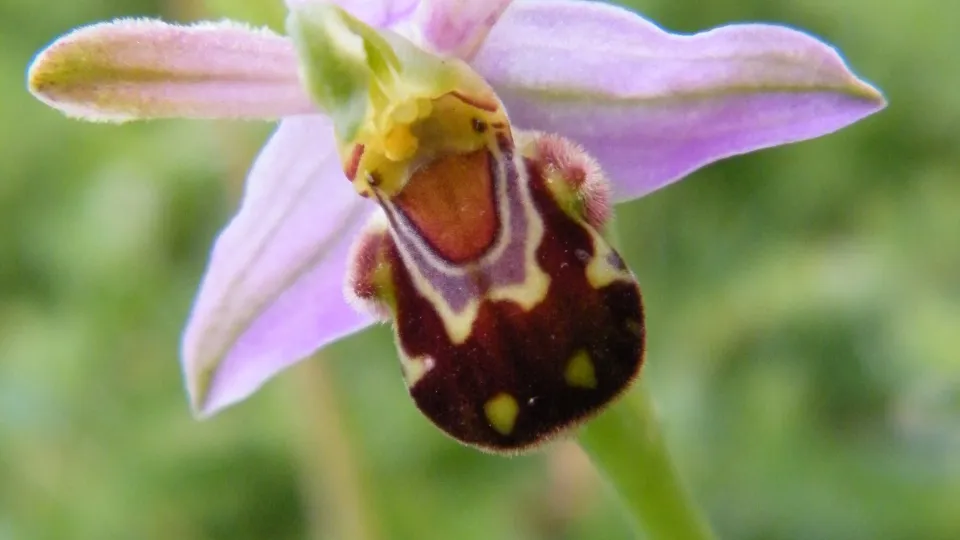
The bee orchid is a sneaky mimic - the flower’s velvety lip looks like a female bee. Males fly in to try to mate with it and end up pollinating the flower. Sadly, the right bee species doesn’t live here, so this orchid is self-pollinated in the UK.

Often growing in swathes along a roadside or field margin, the oxeye daisy is just as at home in traditional hay meadows. The large, white, daisy-like flowers are easy to identify.
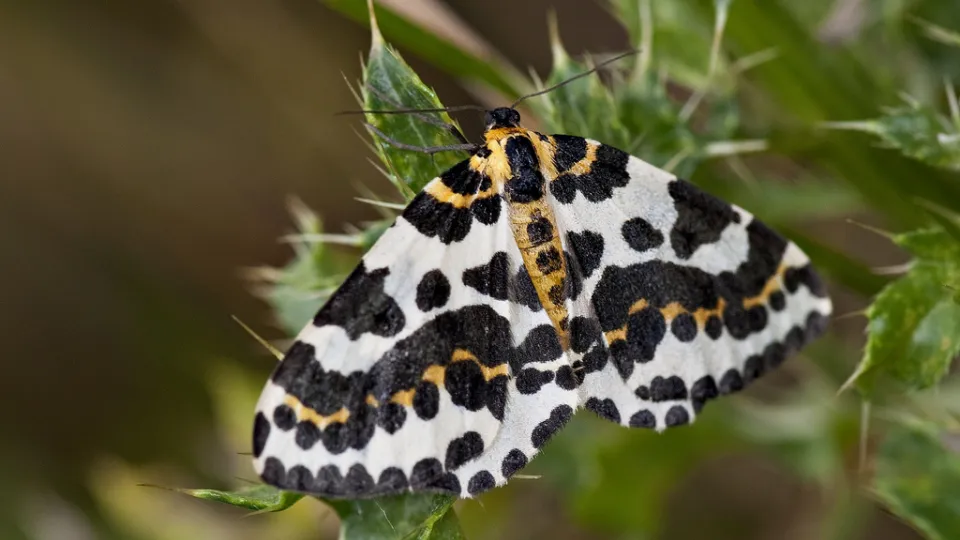
The magpie is a distinctive moth with striking black and yellow spots on white wings. It is a frequent garden visitor, but also likes woodland, scrub and heathland.
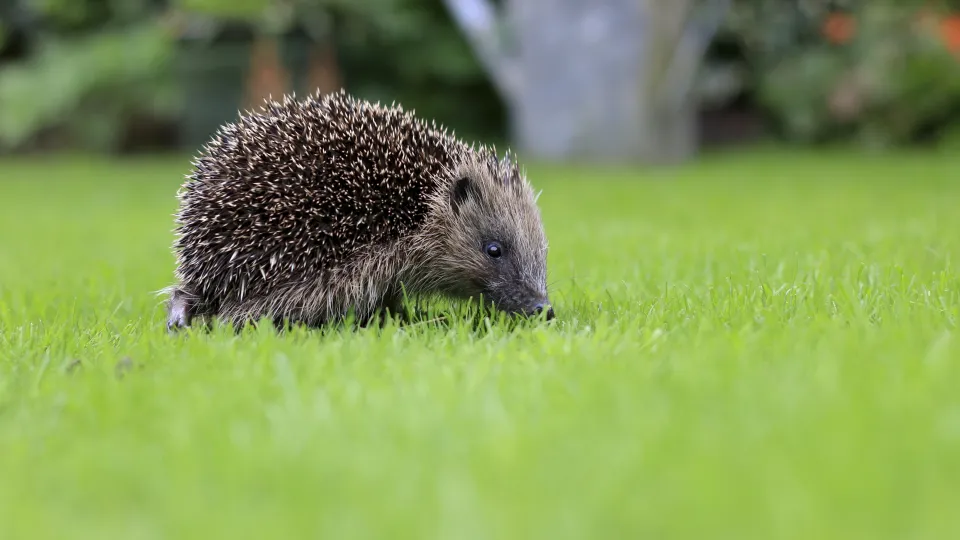
Considered a gardener’s best friend, hedgehogs will happily hoover up insects roaming in vegetable beds. Famously covered in spines, hedgehogs like to eat all sorts of bugs and crunchy beetles. They are most active at night and hibernate through winter.
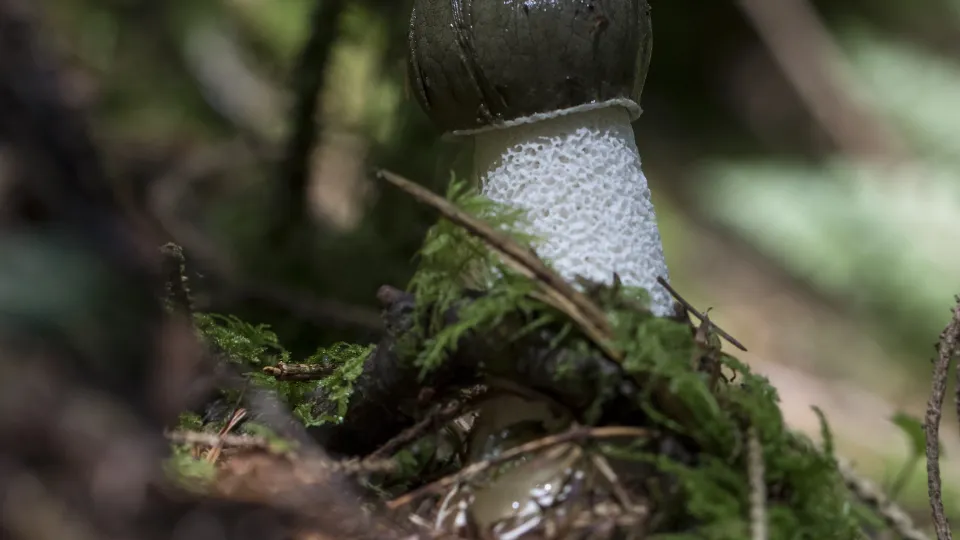
The stinkhorn has an unmistakeable and intense stench that has been likened to rotting meat. Its appearance is also very distinctive: a phallic, white, stem-like structure, with a brown, bell-shaped head.