
Work with us
If you are a local councillor and would like to work with Kent Wildlife Trust on a ‘Rights of the River’ motion, please contact our Planning and Policy Team on [email protected]

Rivers are the lifeblood of our county and country. The River Rights movement seeks to protect them by recognising their legal personhood, like how corporations can have a distinct legal status.
Rivers are living systems, not just resources. The River Rights movement seeks to protect them by recognising their legal personhood, like how corporations can have a distinct legal status.
The Universal Declaration of River Rights outlines:
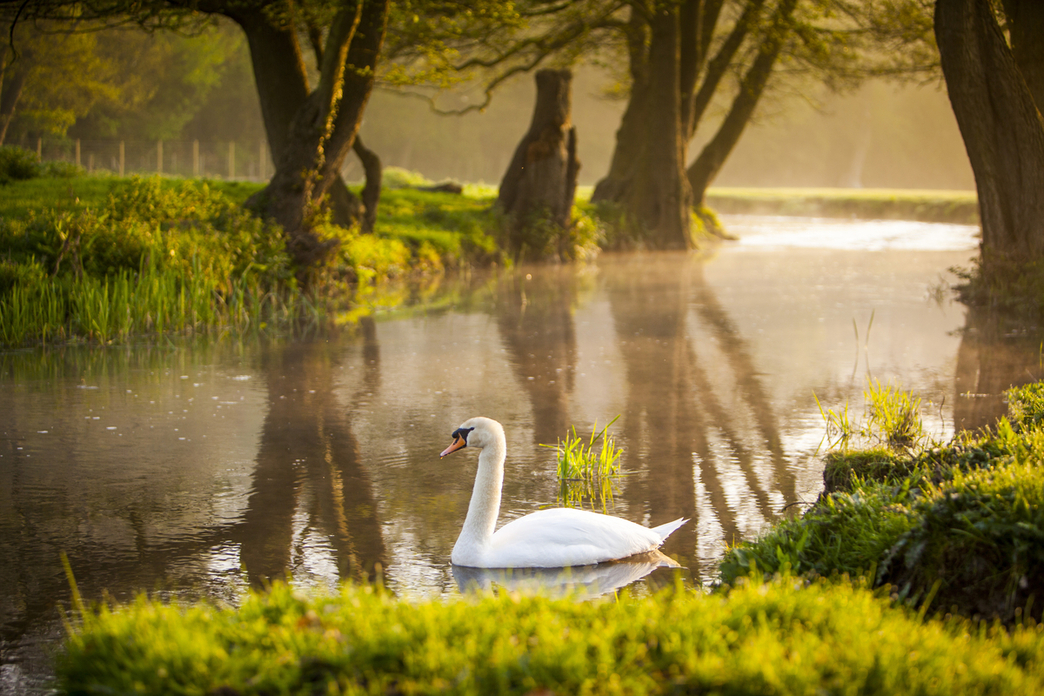
In granting rivers legal rights they can be protected by law, just like a person or a company. This helps communities and decision-makers defend rivers from pollution, over-abstraction and inappropriate development.
The first River Rights motion in England was passed by Lewes District Council for the River Ouse.
As part of our Save Our Chalk Streams campaign, we want to work with local authorities across Kent to raise ‘Rights of the River’ motions at Full Council. Through the river rights framework, we aim to strengthen protections for local rivers and chalk streams to support nature’s recovery.
If you are a local councillor and would like to work with Kent Wildlife Trust on a ‘Rights of the River’ motion, please contact our Planning and Policy Team on [email protected]
You can write to your local councillor using our downloadable template below - just tweak it how you see fit. The more tailored your message, the better!
If you are unsure who your local councillor is, find out here.
Our rare chalk streams are under threat - particularly from agricultural runoff, climate change, and built development. You can help protect them!
Kent Wildlife Trust, alongside other regional Wildlife Trusts and The Royal Society of Wildlife Trusts, as part of the Save Our Chalk Streams Movement, have issued an urgent open letter to the Secretary of State for Housing, Communities and Local…