What these wildlife discoveries mean for Ironhurst Valley
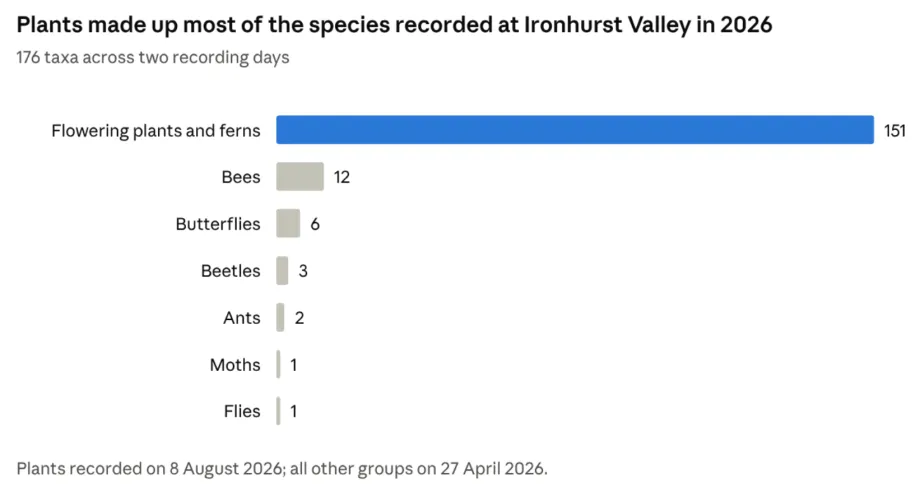
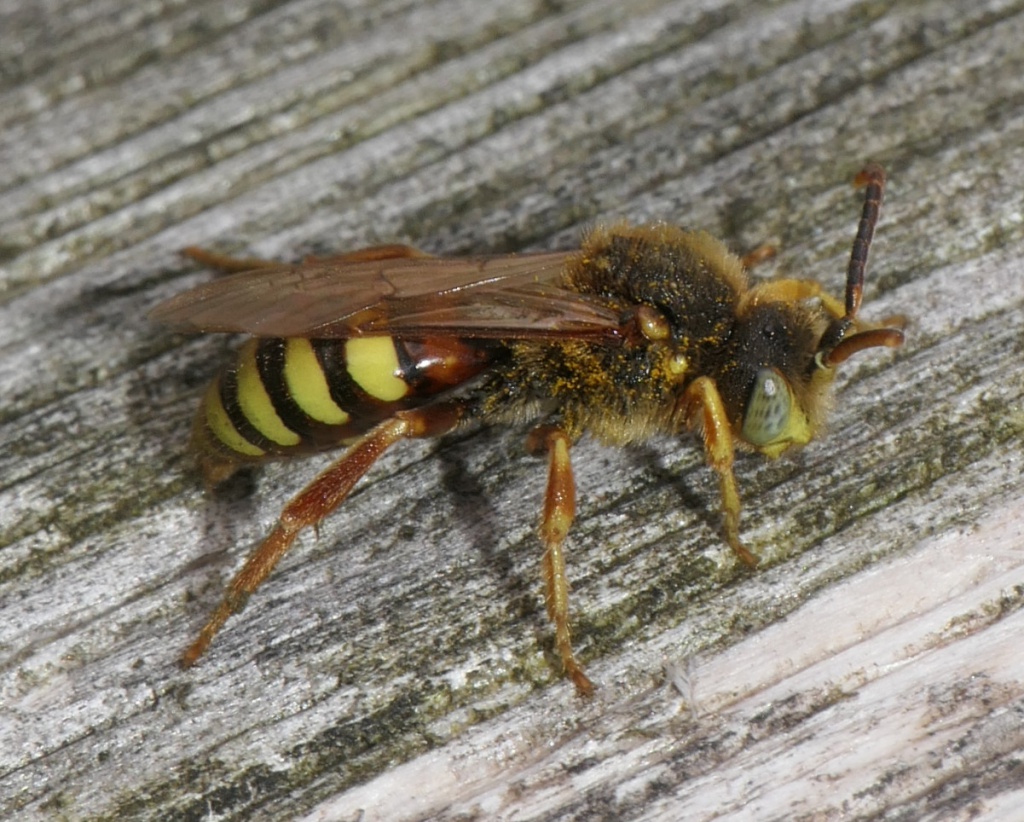
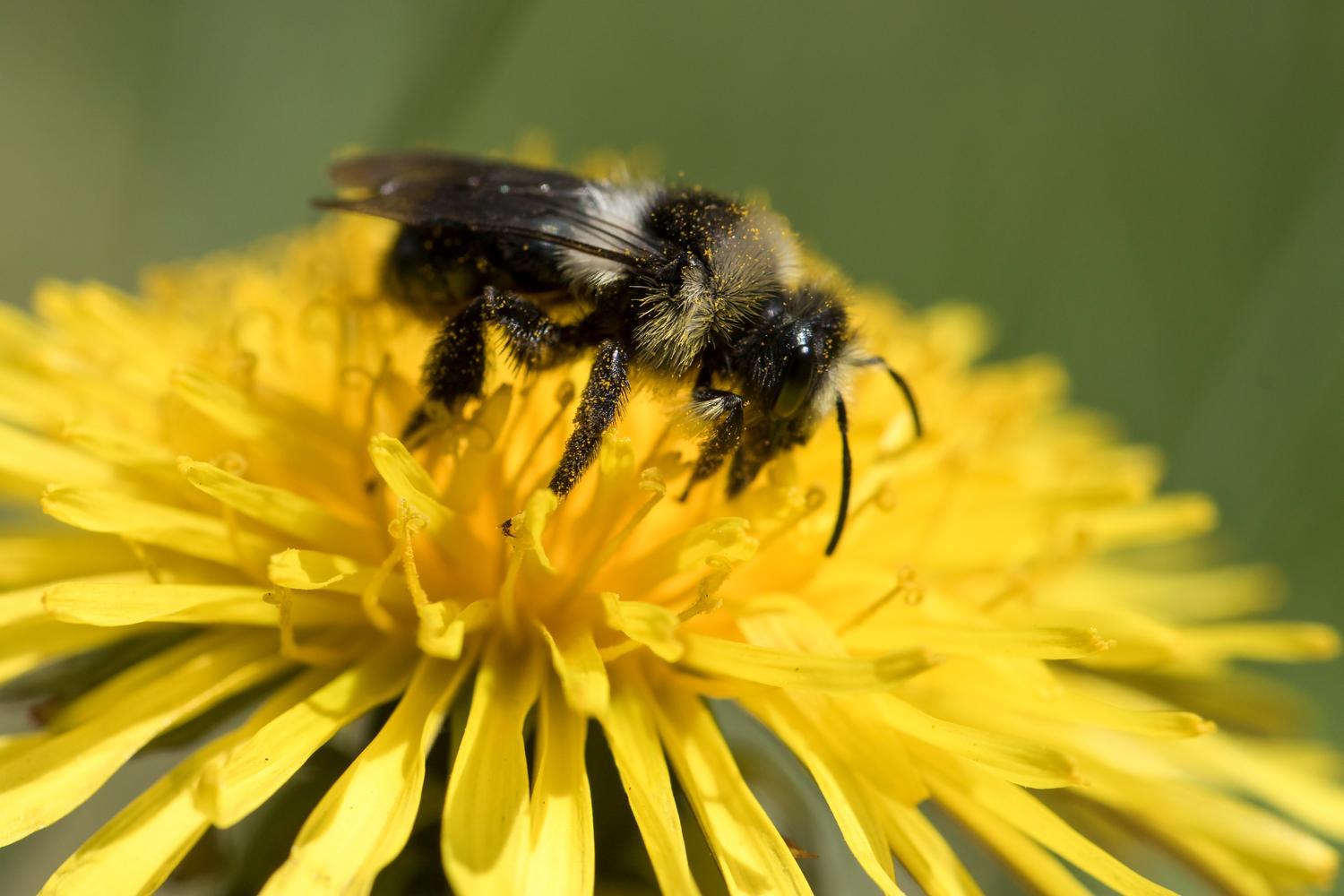
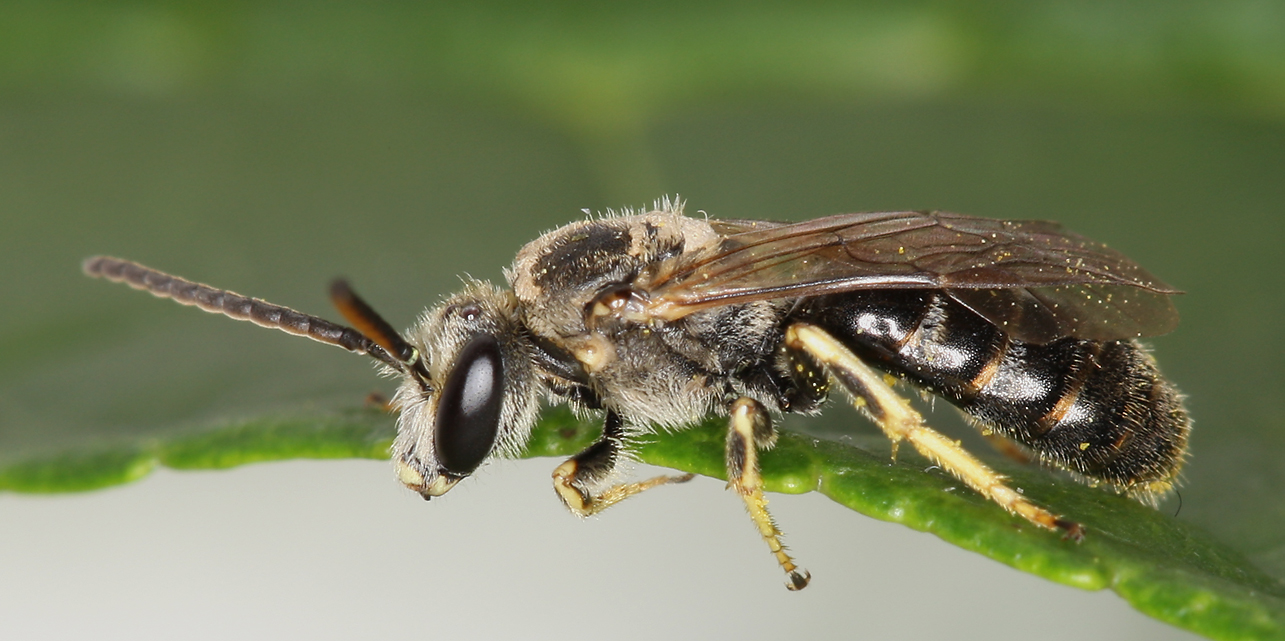
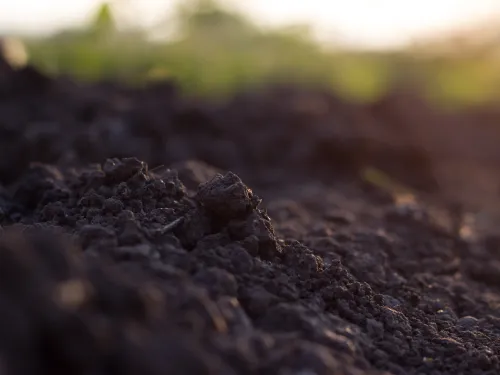
The records from 2026's surveys show that Ironhurst's former arable land is already valuable for wildlife. from a colony of bees occupying a tiny patch of bare earth to rare wildflowers growing in former arable fields.
Our management will aim to maintain open, low-nutrient ground and patches of bare soil alongside flower-rich grassland. This will help retain the conditions needed by arable plants and ground-nesting bees, while supporting the wider range of wildlife found across the reserve.
The surveys also recorded himalayan balsam and giant hogweed along the River Teise. Both are invasive non-native plants that can spread along waterways and affect native vegetation. We will continue to monitor and manage them to help keep their spread in check.
These visits provide a valuable snapshot of life at Ironhurst Valley, as well as a starting point for future discoveries. There is still more to learn about the species living here and the relationships between them, but each new record helps us make better-informed decisions about caring for this special landscape.
Thank you to our volunteer wildlife recorders
None of this knowledge would be possible without the people who give their time and expertise to record wildlife.
Thank you to Geoff Allen, Clare Marshall, Kat Marshall, Cavan Pledge and Michael Grant for their invertebrate records, and to members of the Kent Botanical Recording Group and Sussex Botanical Recording Society for compiling the plant list.
Their careful observations help us look beyond what is immediately visible, revealing the wildlife that makes Ironhurst Valley such a valuable part of Kent’s natural heritage.