
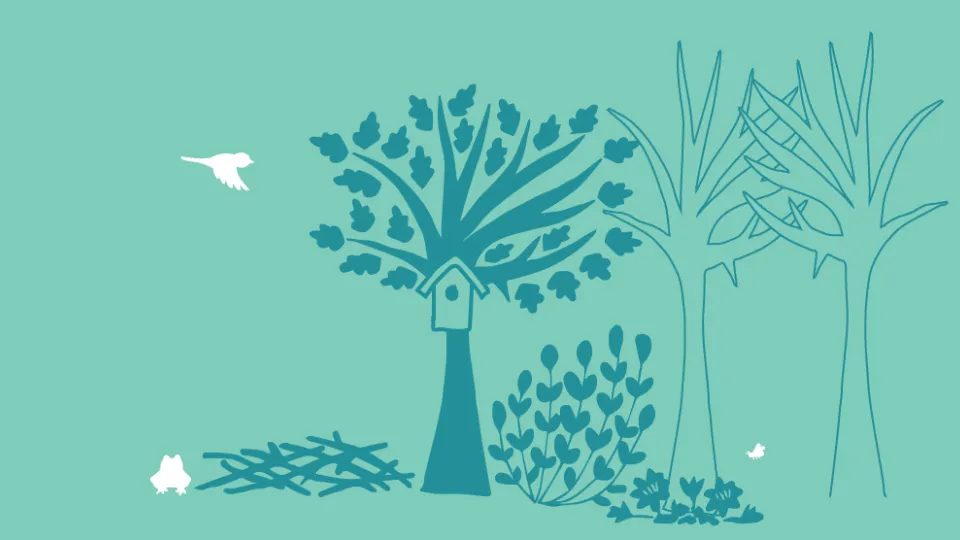
How to make a woodland edge garden for wildlife
Few of us can contemplate having a wood in our back gardens, but just a few metres is enough to establish this mini-habitat!
Few of us can contemplate having a wood in our back gardens, but just a few metres is enough to establish this mini-habitat!
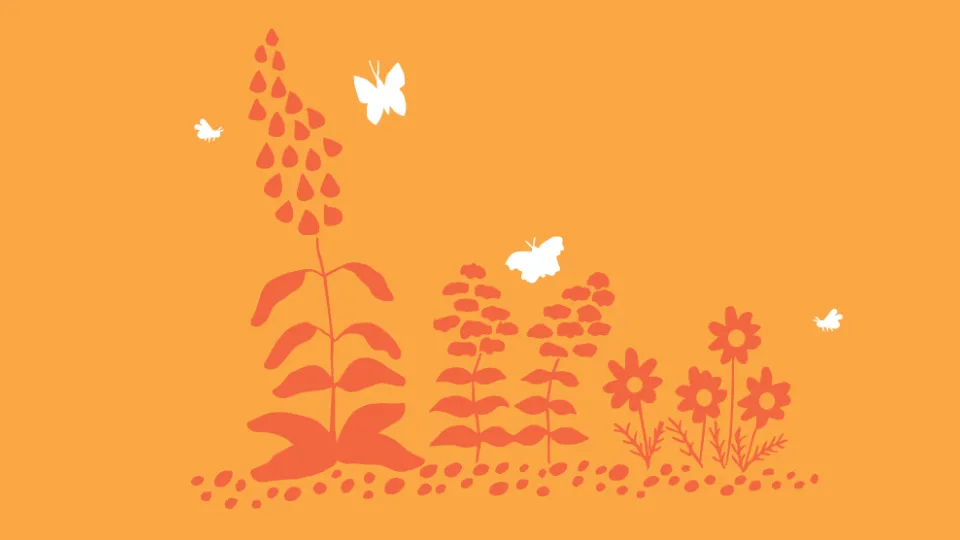
Surfaced spaces needn't exclude wildlife! Gravel can often be the most wildlife-friendly solution for a particular area.
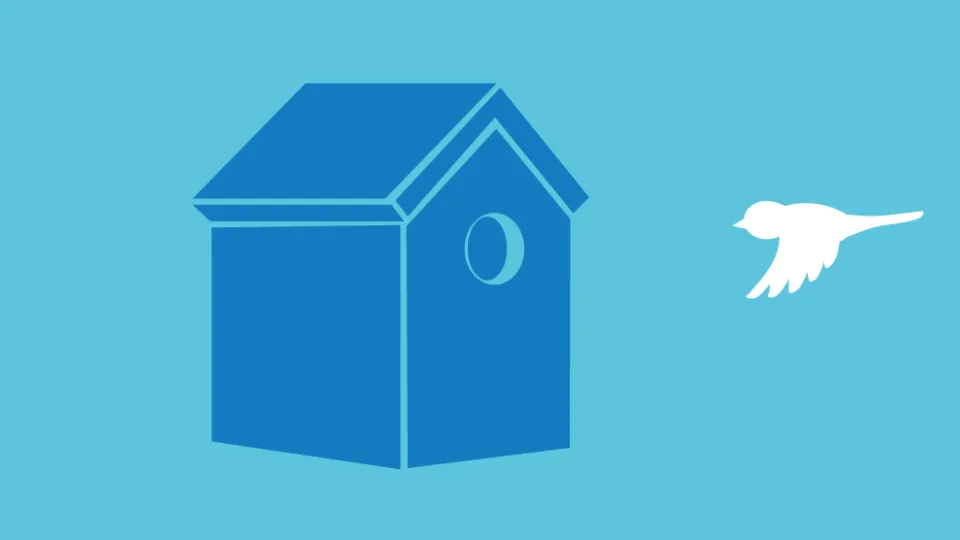
With natural nesting sites in decline, adding a nestbox to your garden can make all the difference to your local birds.
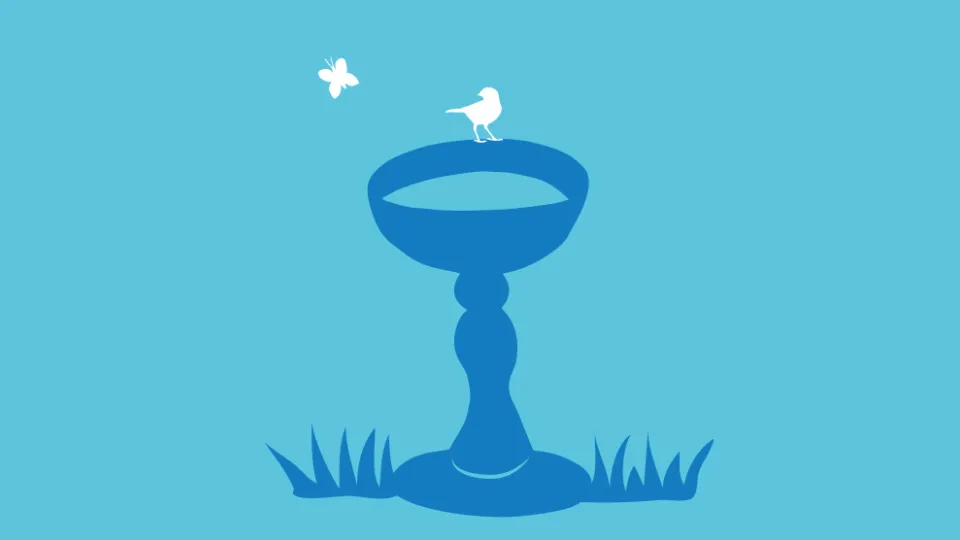
All animals need water to survive. By providing a water source in your garden, you can invite in a whole menagerie!
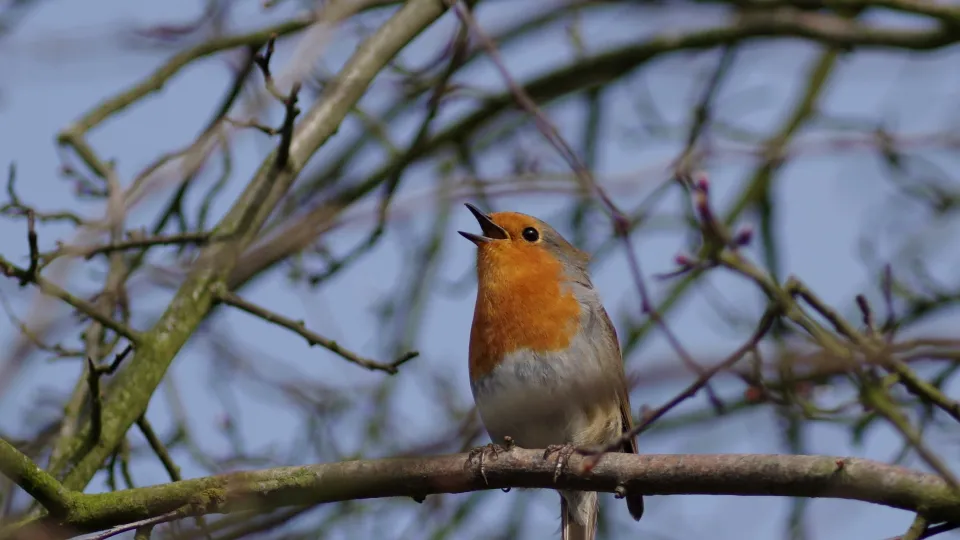
Find out how to attract and feed birds in your garden - safely and seasonally.

It might surprise you, but even the smallest of gardens can accommodate a tree!
Use the blank canvas of your garden to make a home for wildlife.
Attracting wildlife to your work will help improve their environment – and yours!

Whether feeding the birds, or sowing a wildflower patch, setting up wildlife areas in your school makes for happier, healthier and more creative children.
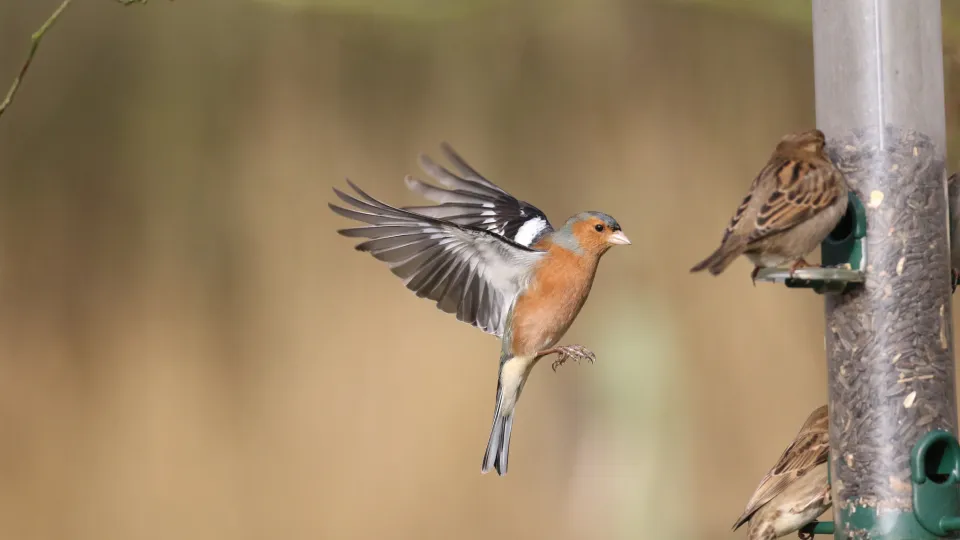
Finches and buntings are seed-eaters though buntings generally feed from the ground while finches tend to feed in trees and shrubs. Learn more about them and how to identify them in our species guides.