
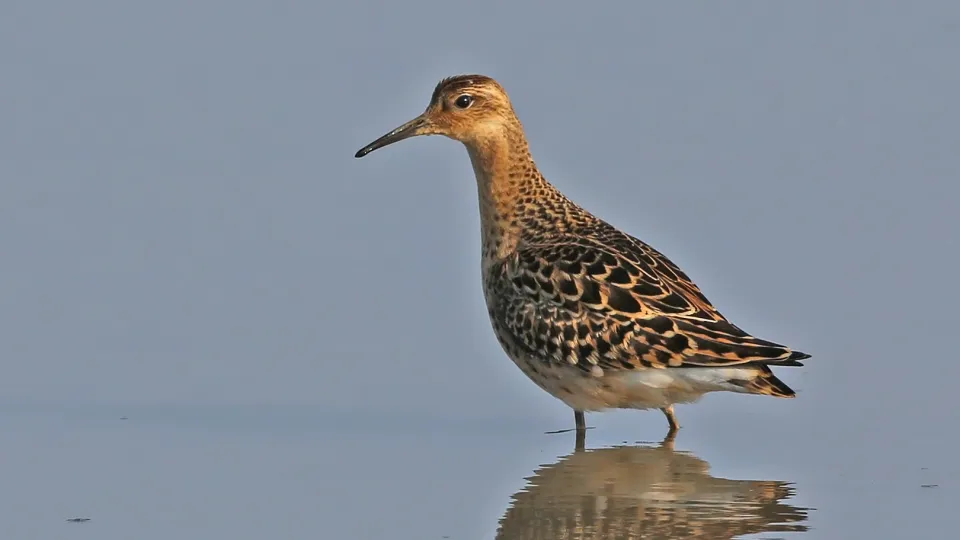
Ruff
The UK hosts a small, but important, breeding population of ruff. The ruff is a large sandpiper that is so-called due to the large ruff of feathers around the males' neck. This is used in a showy display to attract a mate.
The UK hosts a small, but important, breeding population of ruff. The ruff is a large sandpiper that is so-called due to the large ruff of feathers around the males' neck. This is used in a showy display to attract a mate.
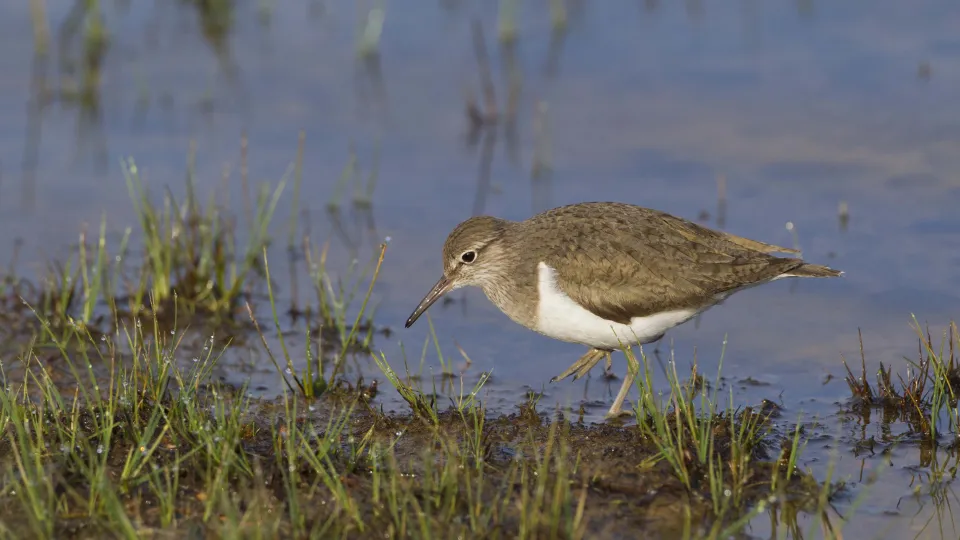
The common sandpiper breeds along rivers, and by lakes, reservoirs and lochs in upland Scotland, Northern England and Wales. It can be spotted as a passage migrant at many inland wetlands across the UK.
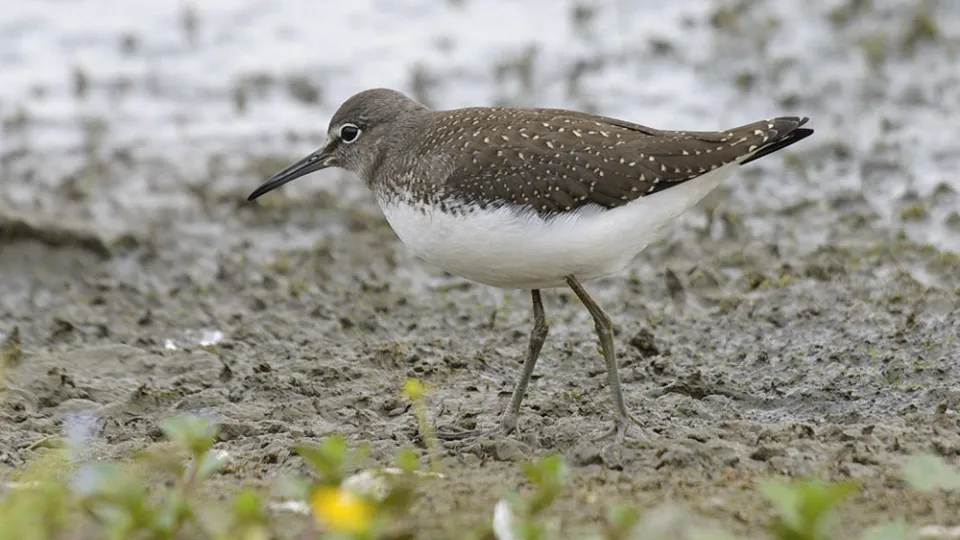
The green sandpiper is a very rare breeding bird in the UK, and is mainly seen on migration in autumn. Look out for it feeding around marshes, flooded gravel pits and rivers. It even likes sewage works!
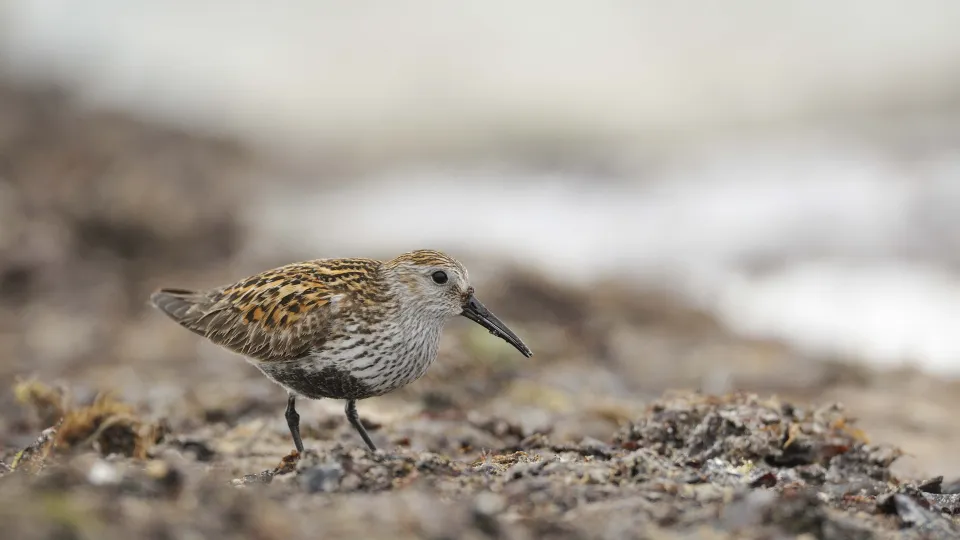
Found along the coast all year-round, the dunlin is a small sandpiper that breeds and winters in the UK. It can be seen in its upland breeding grounds in summer, when it turns brick-red above and sports a black patch on its belly.
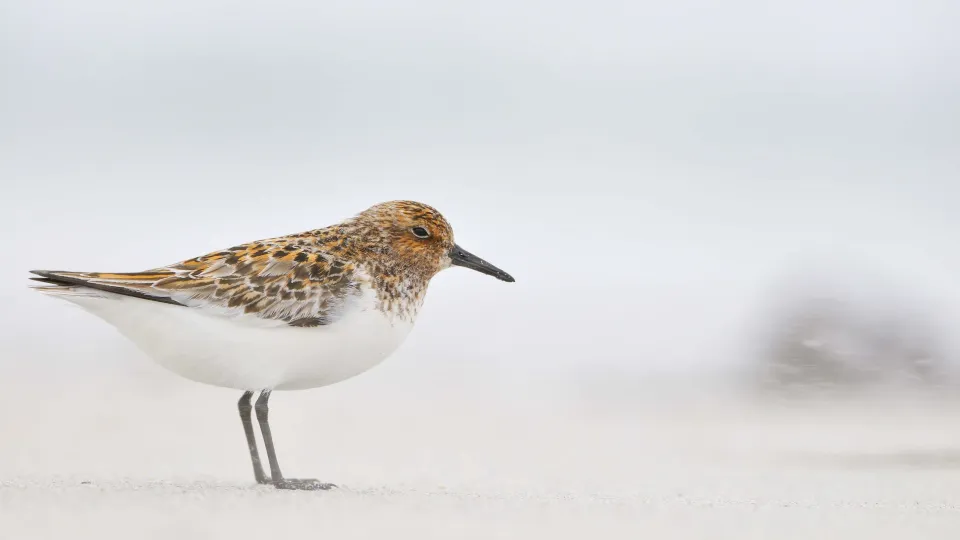
The sanderling scampers about the waves looking for marine crustaceans, fish and even jellyfish to eat. It visits the UK in winter from its Arctic breeding grounds, but can also be seen as it passes through on migration during spring and autumn.
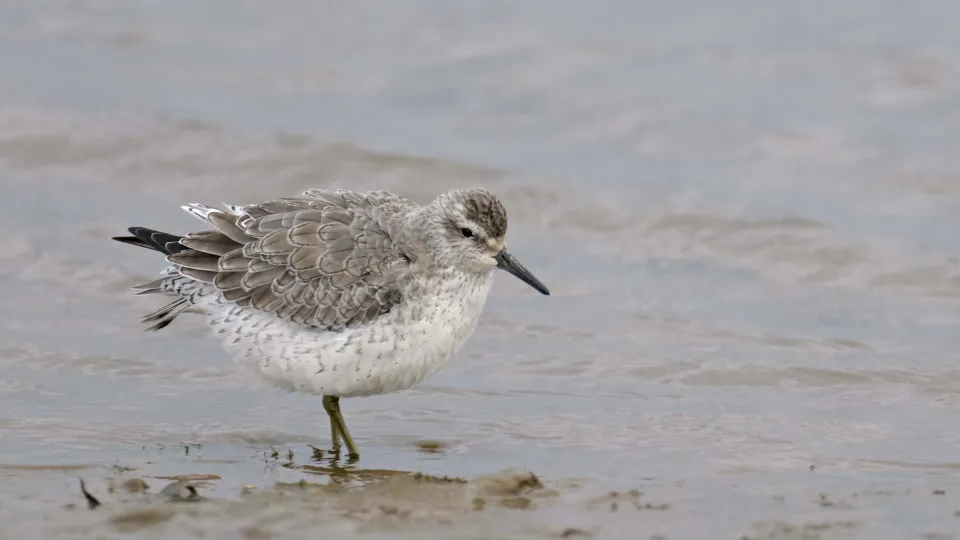
A stocky, little sandpiper, the knot can be spotted in estuaries from August onwards, migrating here from the Arctic where it breeds. Look out for it probing the muddy sand with its specialised bill as it hunts for marine animals to eat.
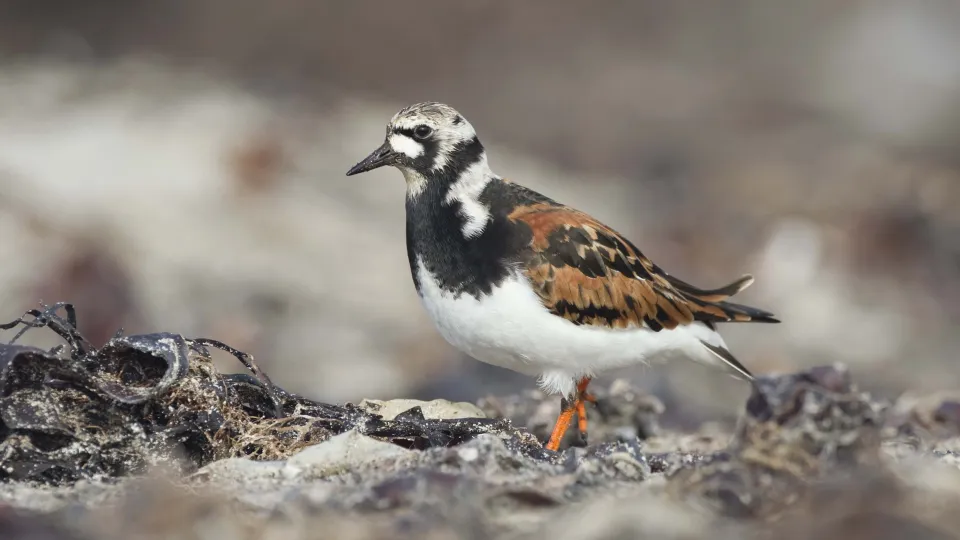
The turnstone can be spotted fluttering around large stones on rocky and gravelly shores, flipping them over to look for prey. It can even lift rocks as big as its own body! Although a migrant to the UK, it can be seen all year-round as different populations arrive throughout the seasons.
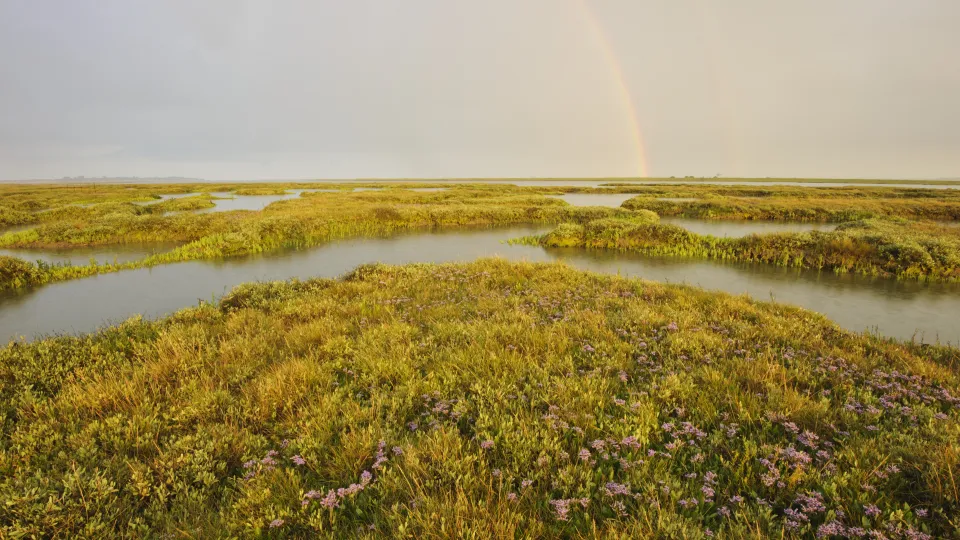
Saltwater marshes and mudflats form as saltwater floods swiftly and silently up winding creeks to cover the marsh before retreating again. This process reveals glistening mud teeming with the invisible life that draws in thousands of birds to feed.
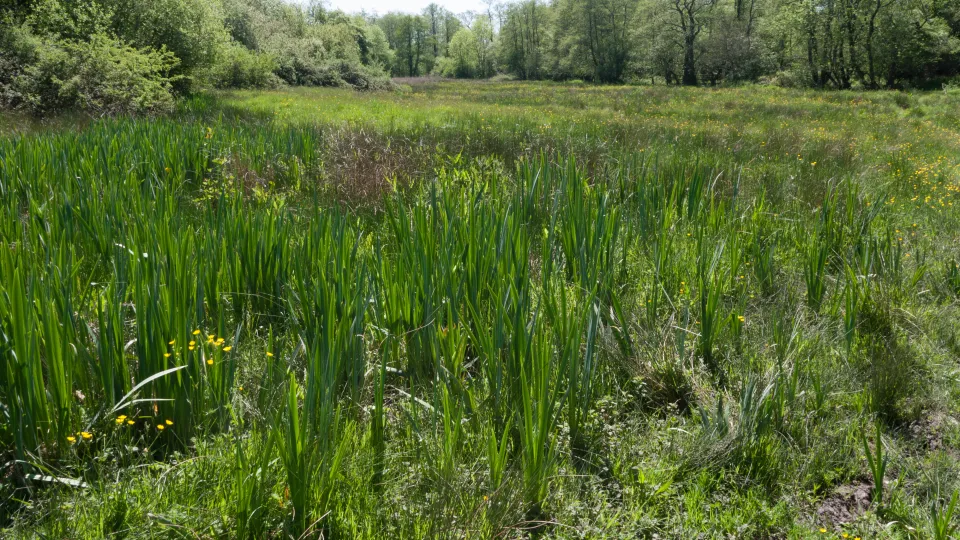
This distinctive type of damp pasture is generally found on commons, as a component of lowland fen, or in undeveloped corners of otherwise intensively farmed landscapes.