
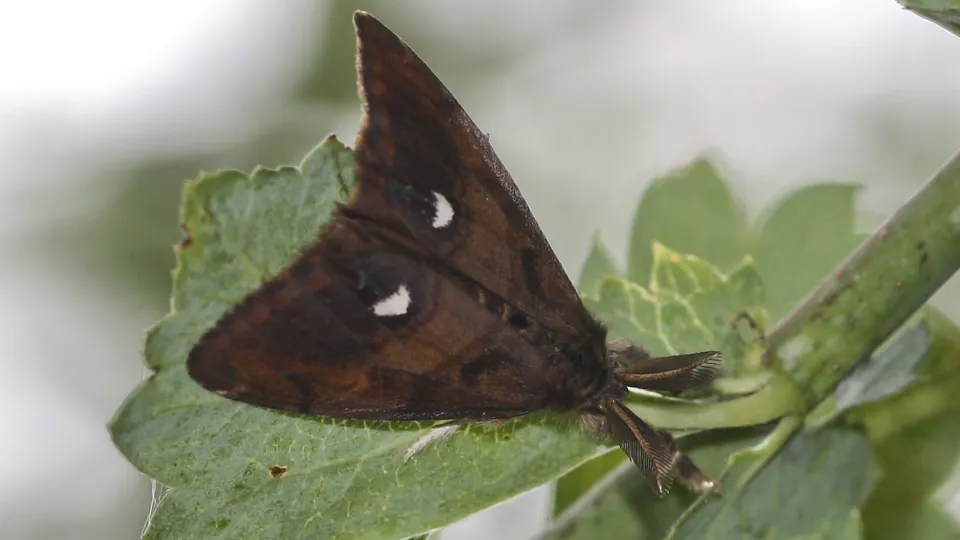
Vapourer
The mohawk-sporting caterpillar of this moth is often seen on shrubs and trees in late summer. As adults the orange-brown males fly by day, but the flightless females don't stray far from their cocoon.
The mohawk-sporting caterpillar of this moth is often seen on shrubs and trees in late summer. As adults the orange-brown males fly by day, but the flightless females don't stray far from their cocoon.
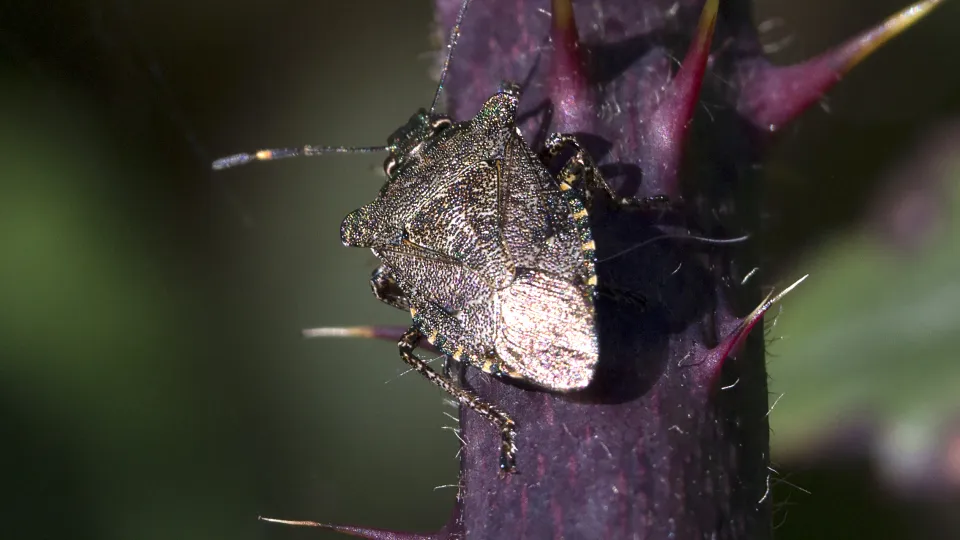
Unlike many of its relatives, this shimmering shieldbug is a predator, feasting on caterpillars and a variety of other insects.
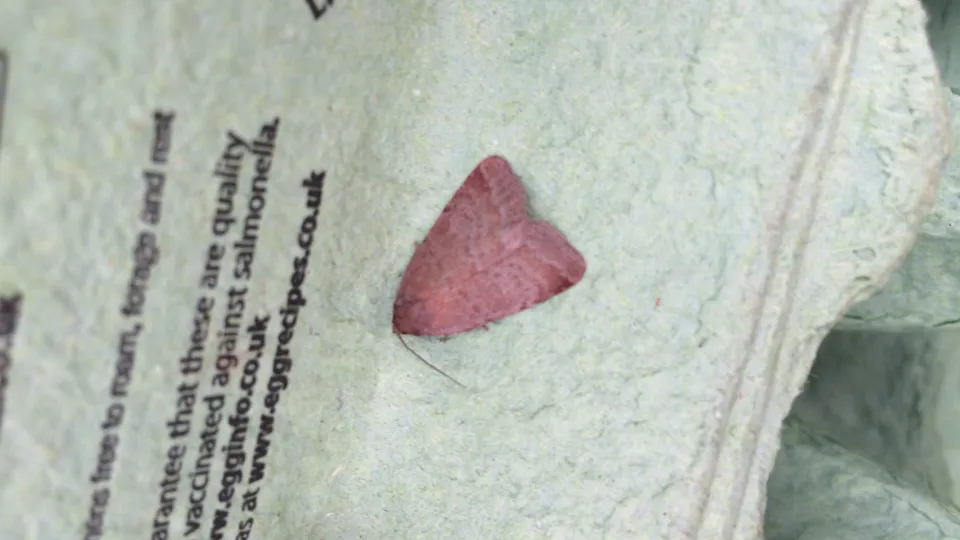
A very rare species, this moth is now limited to one site in the UK. Males can be a striking reddish buff in colour.
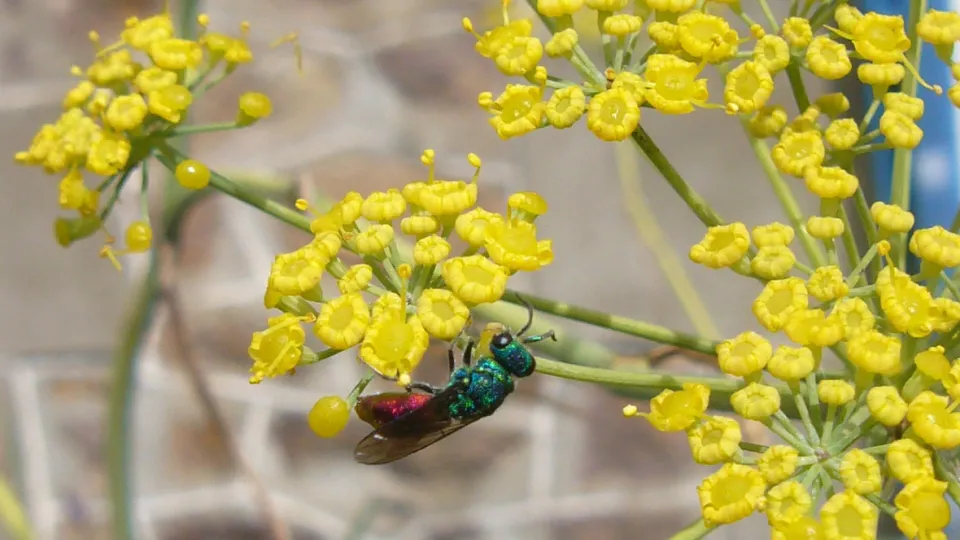
If seen up close, the glittering Ruby-tailed wasp is, perhaps, one of the UK's most beautiful insects. A solitary wasp, it can be found in sandy and rocky habitats like quarries, outcrops and walls.
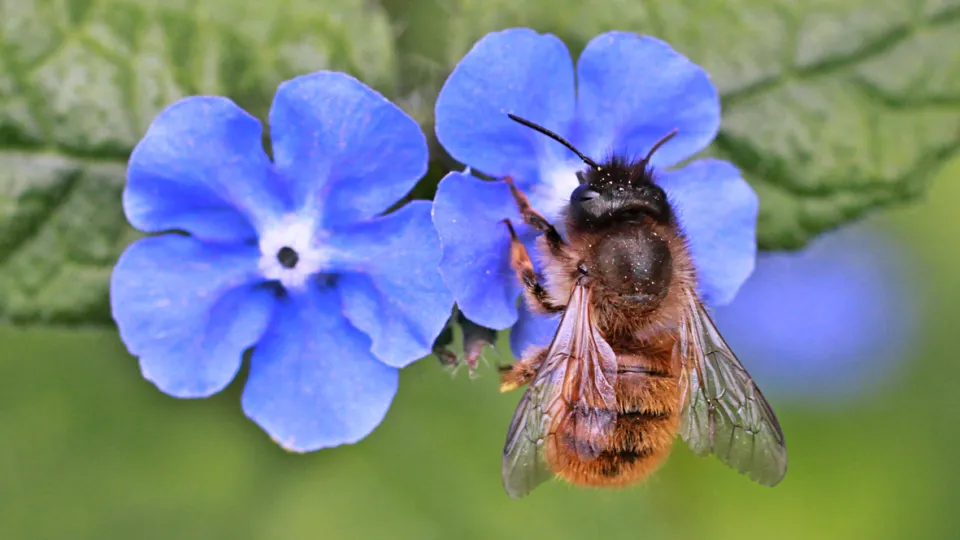
The Red Mason Bee is a common, gingery bee that can be spotted nesting in the crumbling mortar of old walls. Encourage bees to nest in your garden by putting out a tin can full of short, hollow canes.
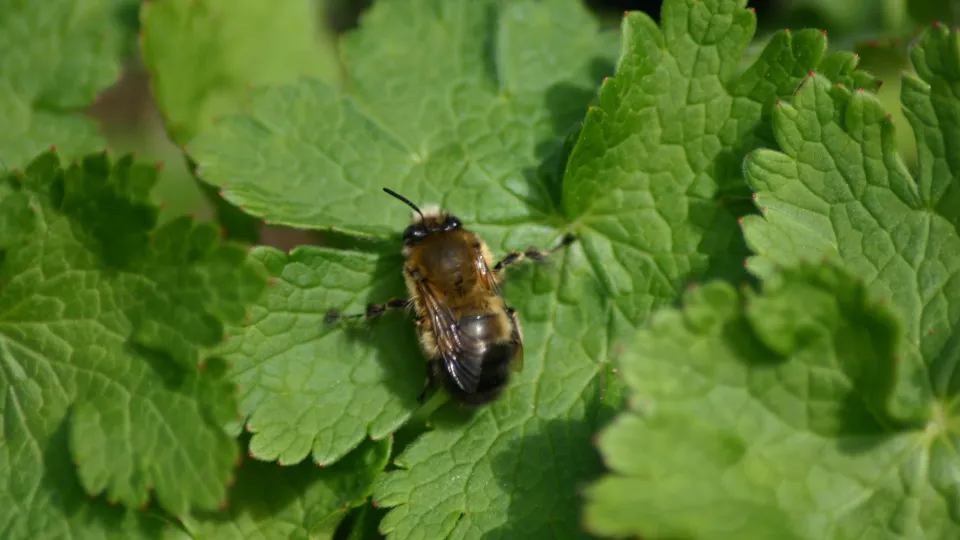
The hairy-footed flower bee can be seen in gardens and parks in spring and summer, visiting tubular flowers like red dead-nettle and comfrey. As its name suggests, it has long, orange hairs on its middle legs.
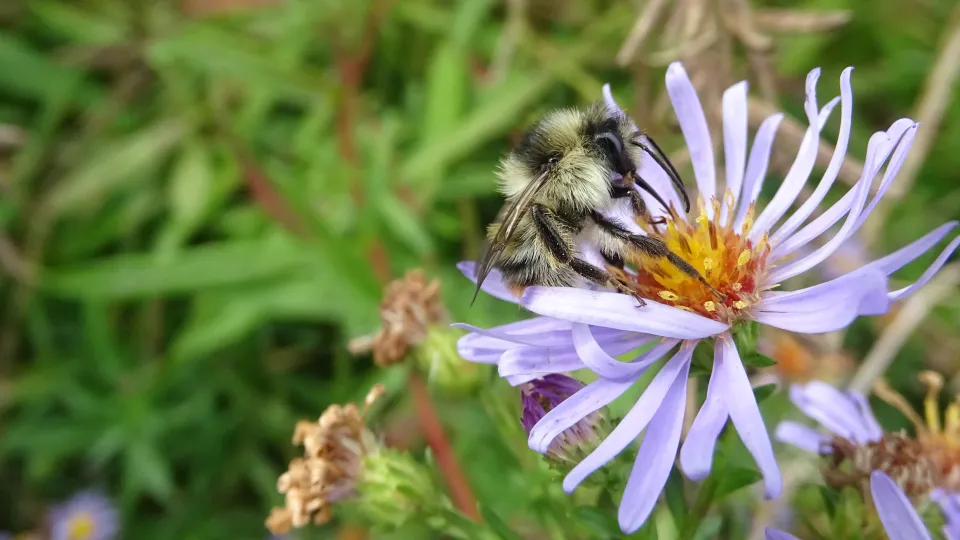
The shrill carder bee can be spotted flying quickly around flowers in unimproved pastures. The queens produce a loud, high-pitched buzz, hence the name. It is declining rapidly and is restricted to just a few locations.
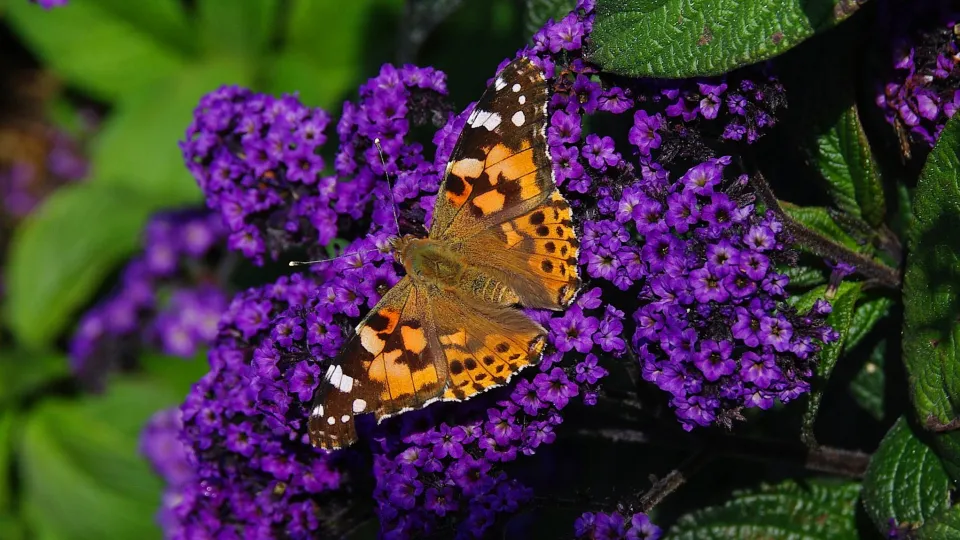
A well-travelled migrant, the painted lady arrives here every summer from Europe and Africa. This beautiful orange-and-black butterfly regularly visits gardens.
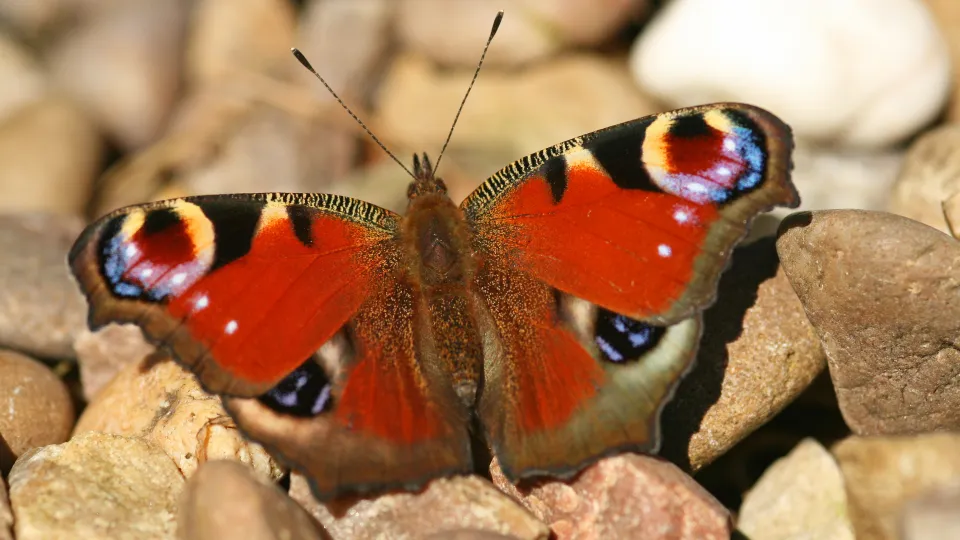
The markings of the peacock are unmistakeable - big, blue 'eyes' just like a peacock's tail feathers. It can be seen feeding on flowers all year-round during warm spells, and overwinters as an adult.
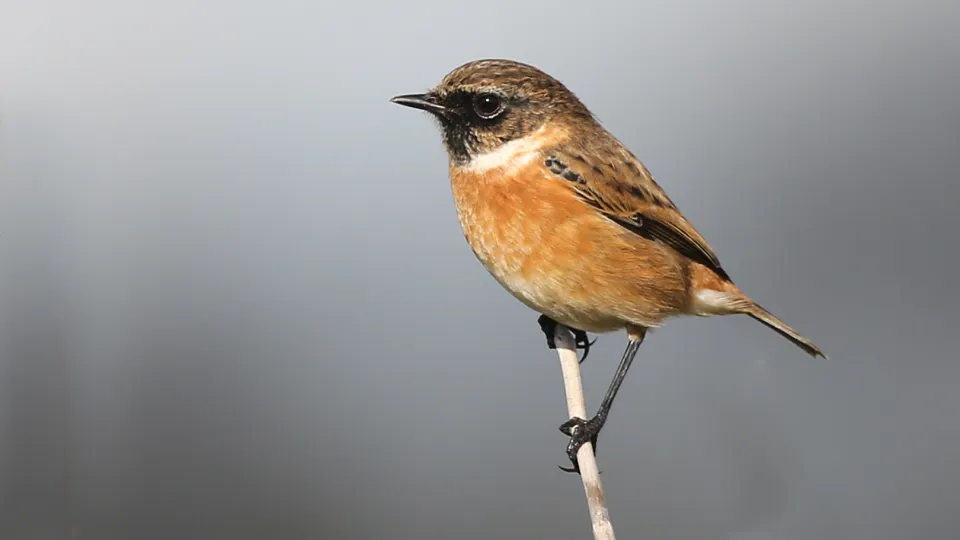
The stonechat is named for its call, which sounds just like two small stones being hit together! It can be seen on heathland and boggy habitats.