
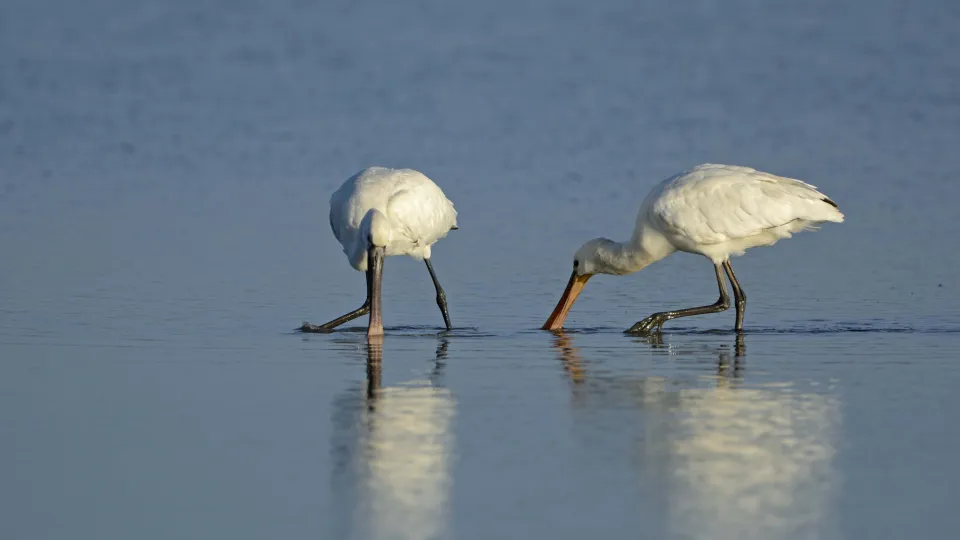
European spoonbill
The distinctive sight of a spoonbill is becoming increasingly common in the east and southwest of England, with colonies of breeding birds now established.
The distinctive sight of a spoonbill is becoming increasingly common in the east and southwest of England, with colonies of breeding birds now established.
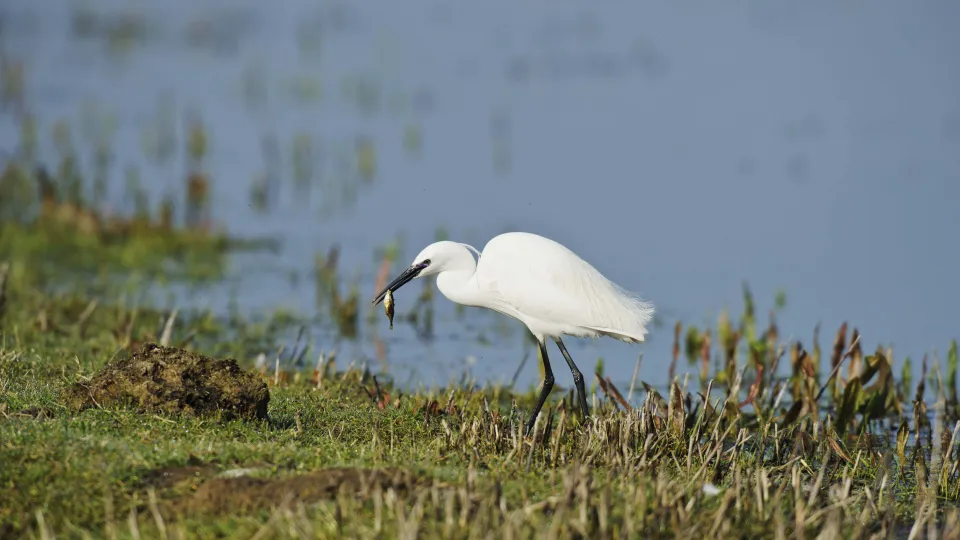
The elegant little egret was once a rare visitor to our shores, but can now regularly be spotted around the coastline of England and Wales. Look out for its beautiful neck plumes that herald the breeding season.
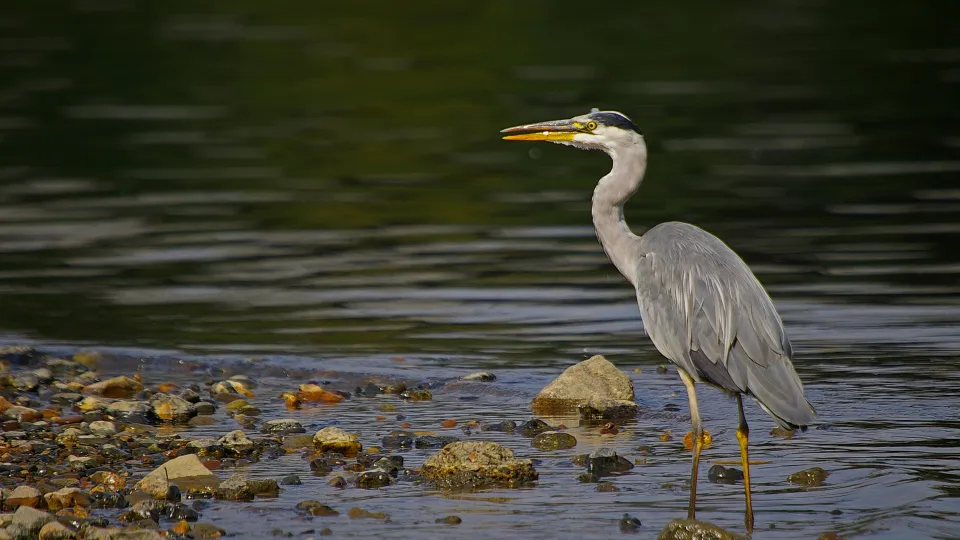
Spot these tall, prehistoric looking birds standing like a statue on the edge of ponds and lakes, contemplating their next meal.
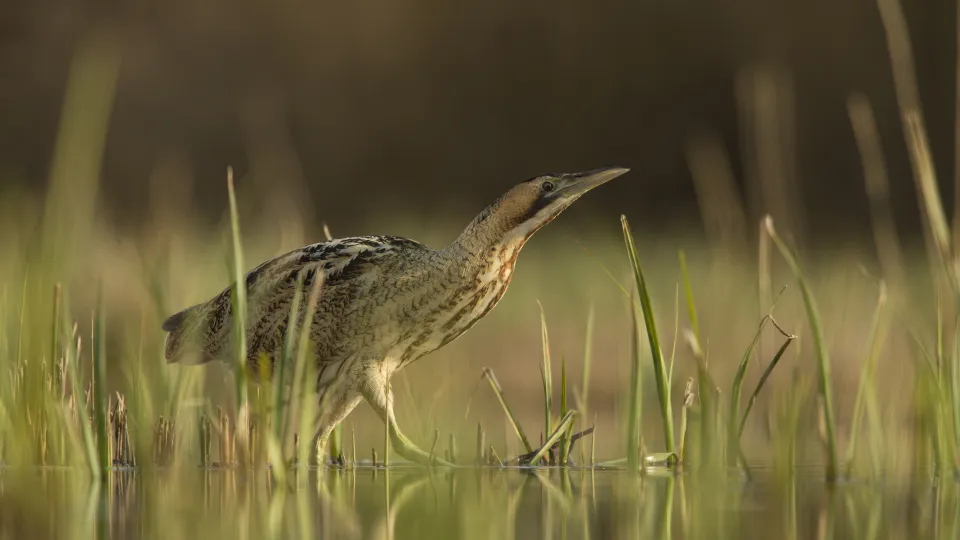
The shy and retiring bittern is a master of blending in and can be very difficult to spot in its reedbed home. It does sound like a booming foghorn, however, when it calls, so can often be heard if it cannot be seen.
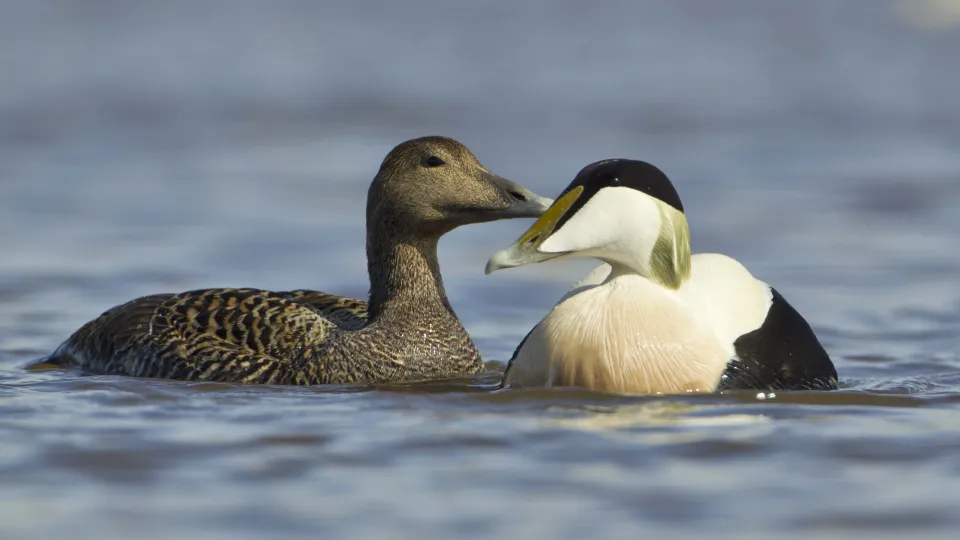
The eider is a large seaduck, famed for its soft, downy feathers that are not only used by the bird to line and insulate its nest, but also by humans to stuff our quilts and pillows. It nests around the northern coastline of the UK.
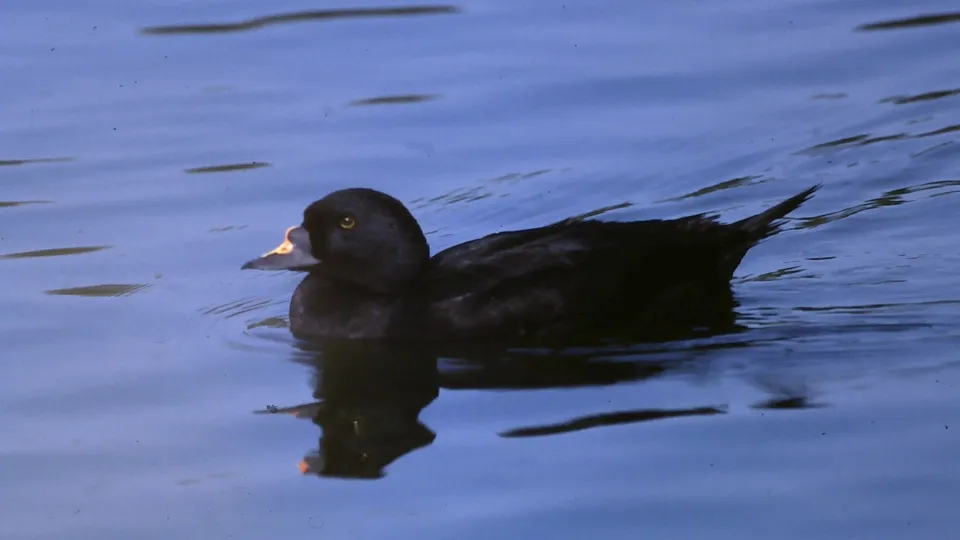
The common scoter has suffered large declines in the UK, threatening its survival here. Look out for this duck feeding at sea in winter when its numbers are bolstered by migrating birds.
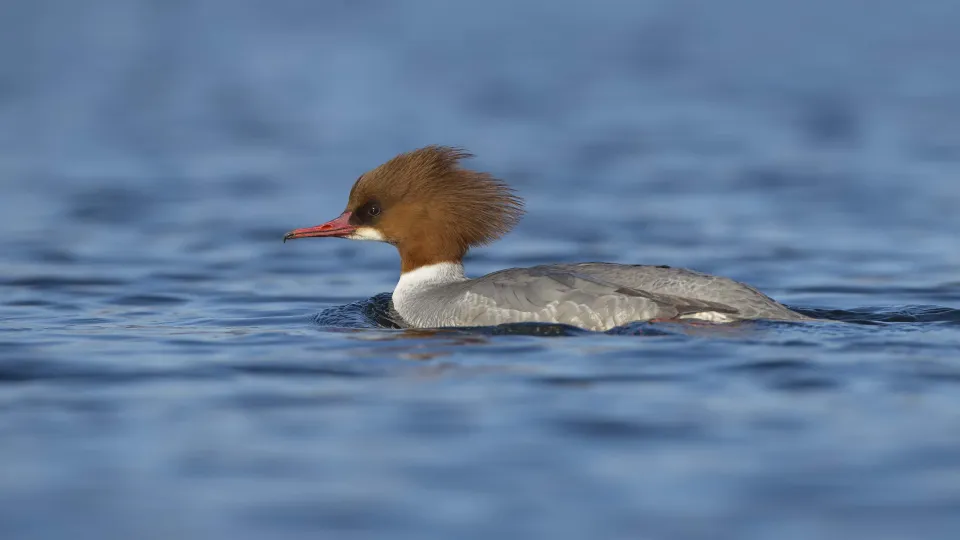
The streamlined goosander is a handsome bird and a great fisher - its long, serrated bill helps it to catch and hold its slippery fish prey. It nests in riverbank trees, but can be seen on lakes and reservoirs in winter.
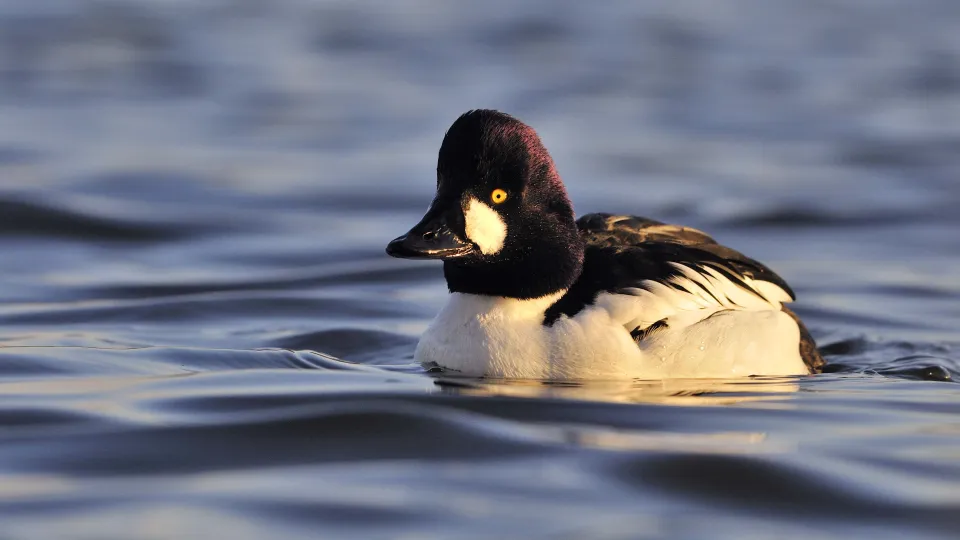
A medium-sized diving duck, the goldeneye can mainly be spotted in winter when birds fly in from Northern Europe. Conservation efforts have helped small numbers of these birds to nest in Scotland.
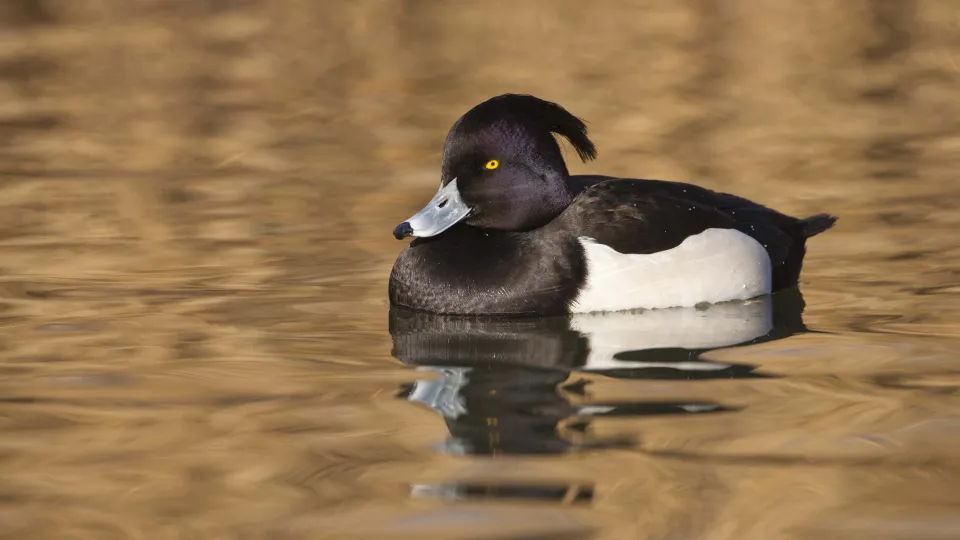
This comical little duck lives up to its name – look out for the black tuft of feathers on its head!
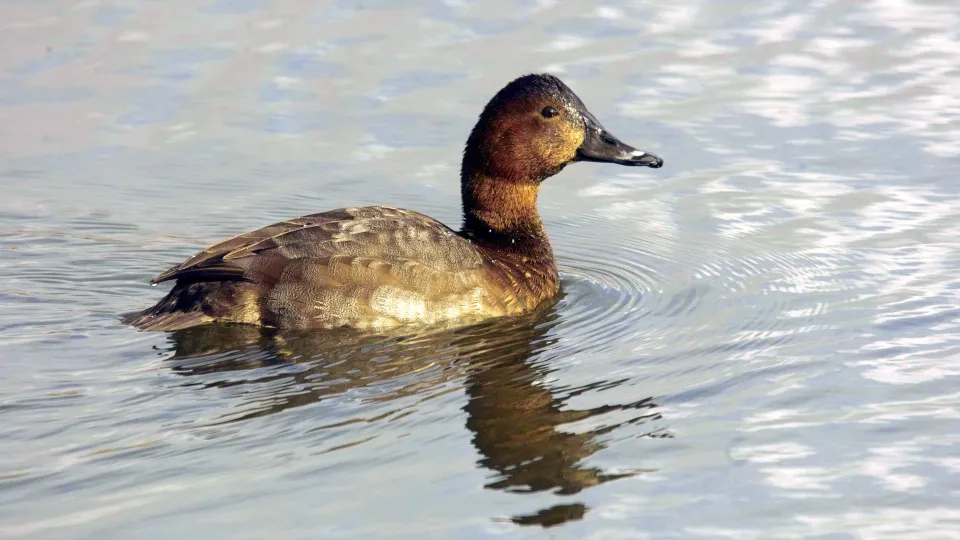
The once-common pochard is now under threat because its populations are declining rapidly. The UK is an important winter destination for the pochard, with 48,000 birds visiting our wetlands and coasts.