
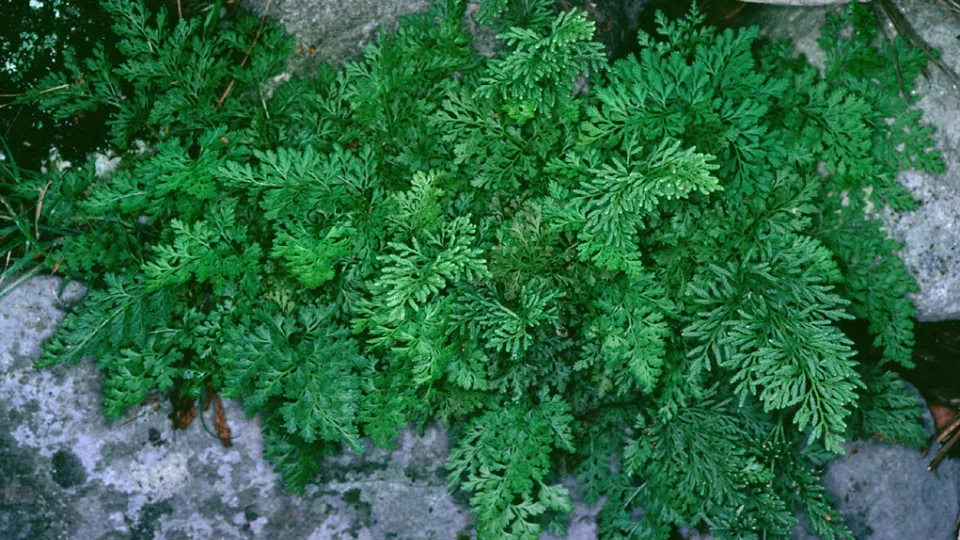
Parsley fern
Parsley fern lives up to its name - the pale green fronds form in clusters among rocks and look just like parsley. Look out for it in upland areas, particularly in Wales and Cumbria.
Parsley fern lives up to its name - the pale green fronds form in clusters among rocks and look just like parsley. Look out for it in upland areas, particularly in Wales and Cumbria.
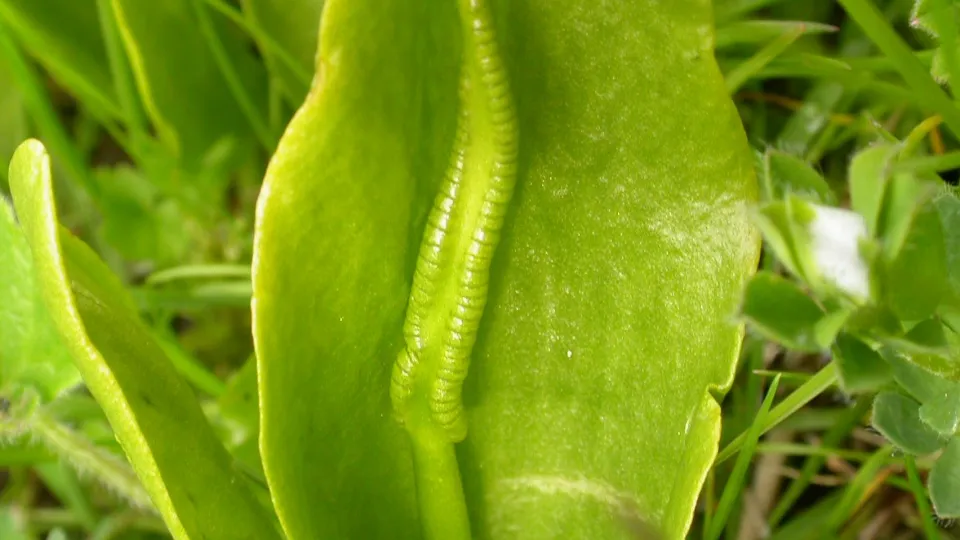
The adder's-tongue fern is so-named because the tall stalk that bears its spores is thought to resemble a snake's tongue. An indicator of ancient meadows, it can be found mainly in southern England.
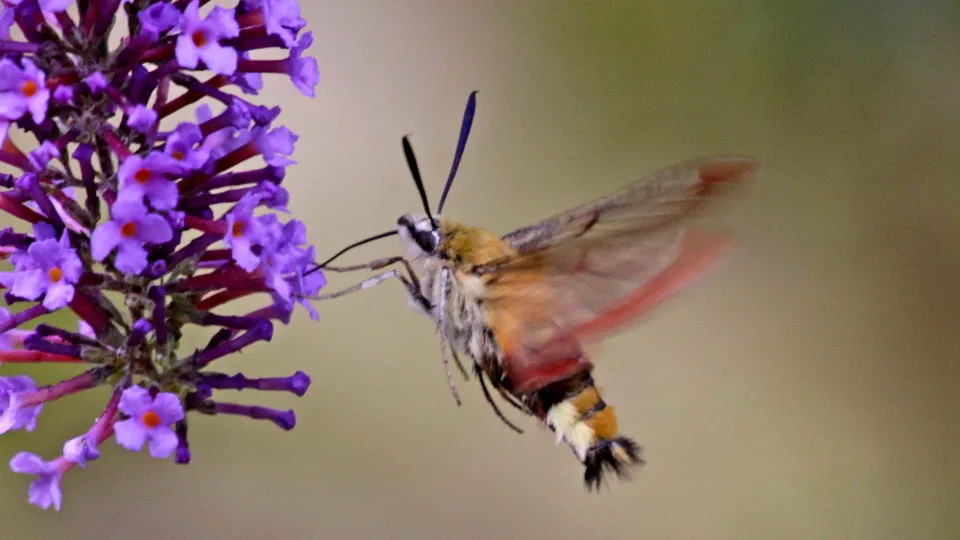
The broad-bordered bee hawk-moth does, indeed, look like a bee! A scarce moth, mainly of Central and Southern England, it feeds on the wing and can be seen during spring and summer.
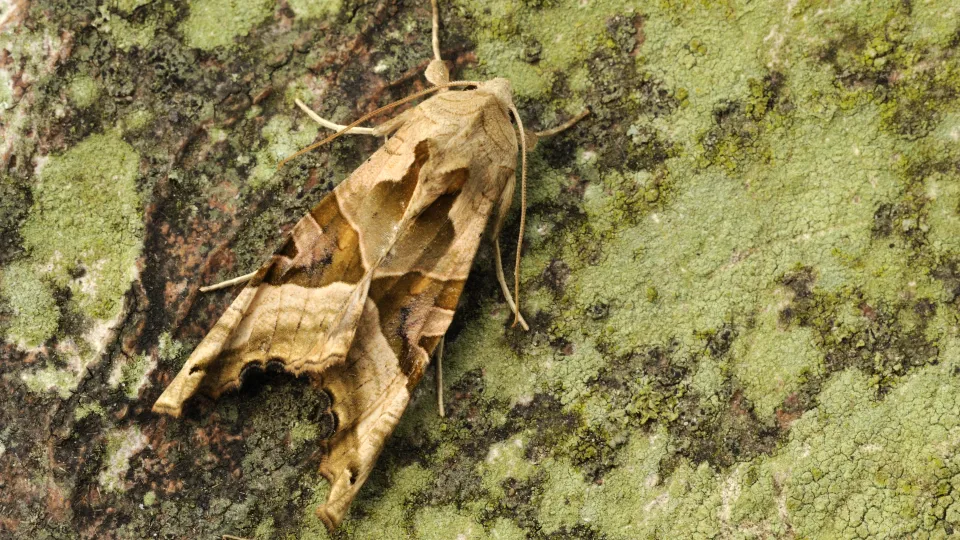
The angle shades can be well-hidden among the leaf litter - its pinky-brown markings and scalloped wings giving it the perfect camouflage. It is on the wing in gardens, woods and hedgerows from May.
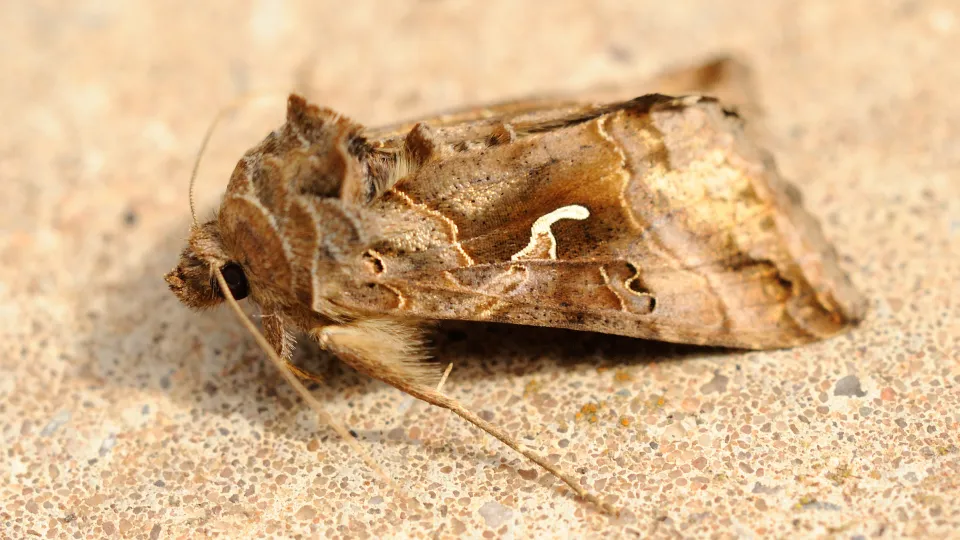
The Silver Y migrates to the UK in massive numbers each year - sometimes, an estimated 220 million can reach our shores in spring! Seen throughout the year, it is very common in gardens and grasslands.
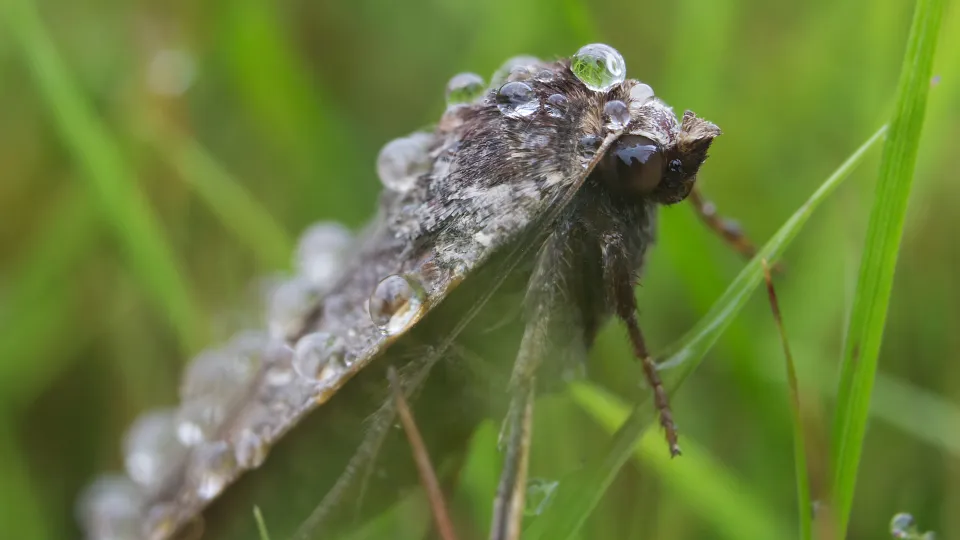
Found almost everywhere, the large yellow underwing is a night-flying moth that is often attracted to lights. It is brown with orangey-yellow hindwings.
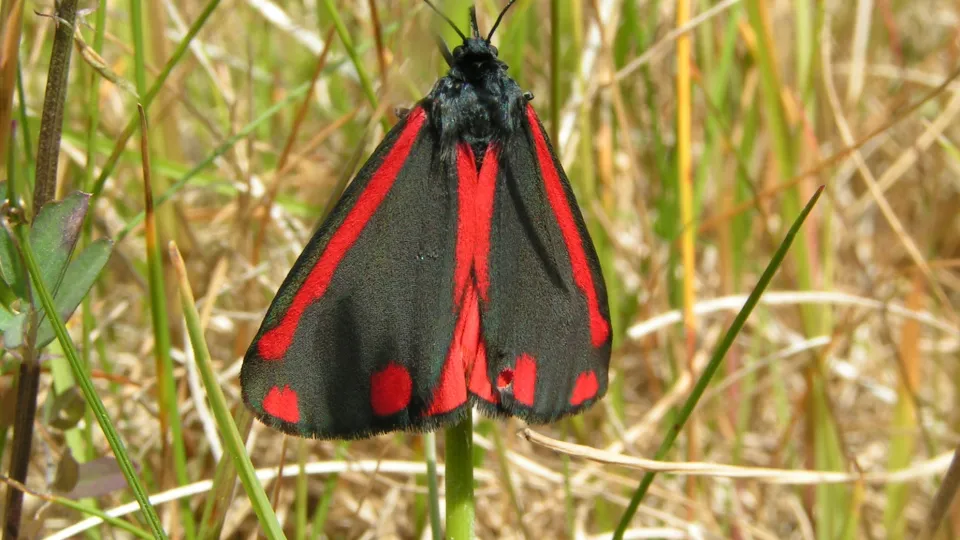
These pretty black and red moths are often confused for butterflies! Their black and yellow caterpillars are a common sight on ragwort plants. The caterpillar’s bright colours warn predators not to eat them, giving a strong signal that they are poisonous!
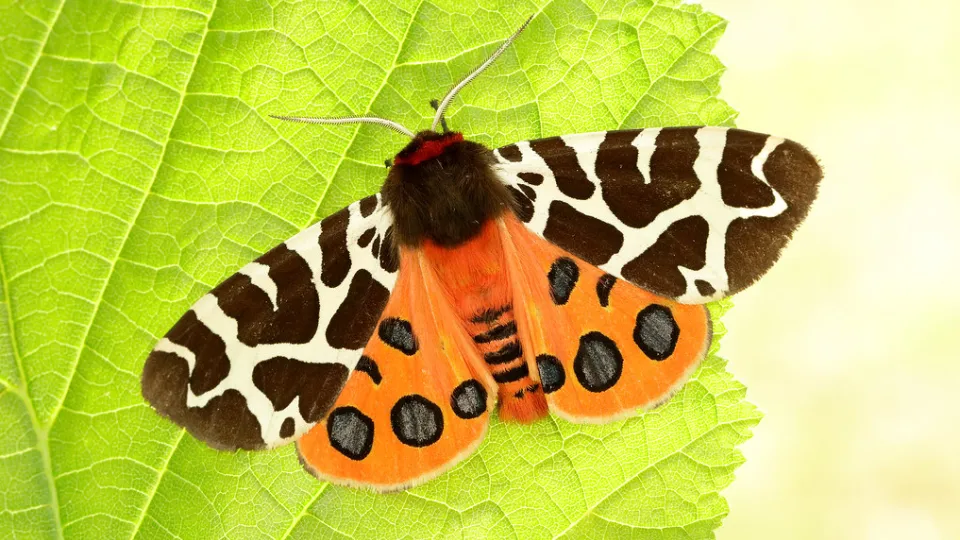
The garden tiger is an attractive, brown-and-white moth of sand dunes, woodland edges, meadows and hedgerows; it will also visit gardens. In decline, it is suffering from the 'tidying up' of our countryside.
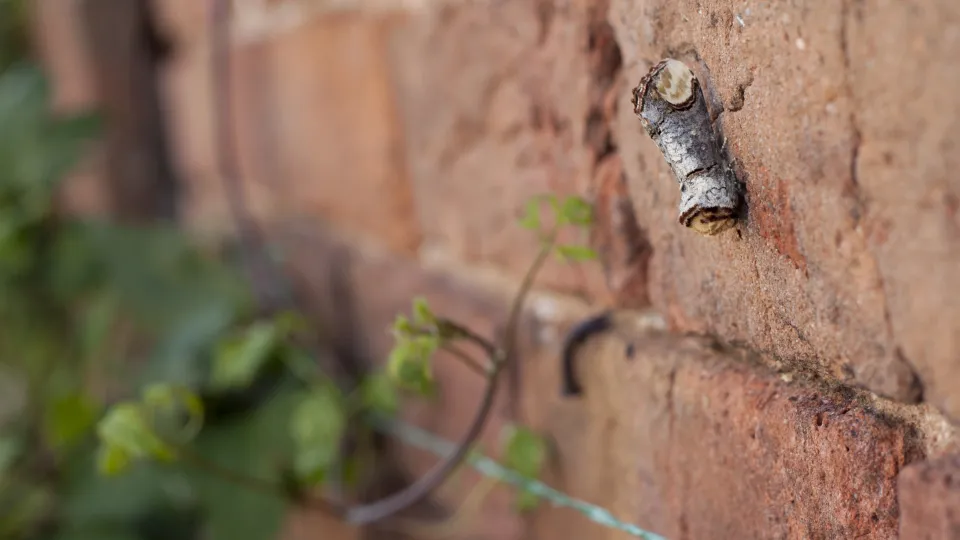
It is so easy to miss this clever little moth. It is a master of disguise, blending in perfectly as it looks just like the twig of a birch tree! Flying only at night, the buff-tip moth can be seen from May to July.
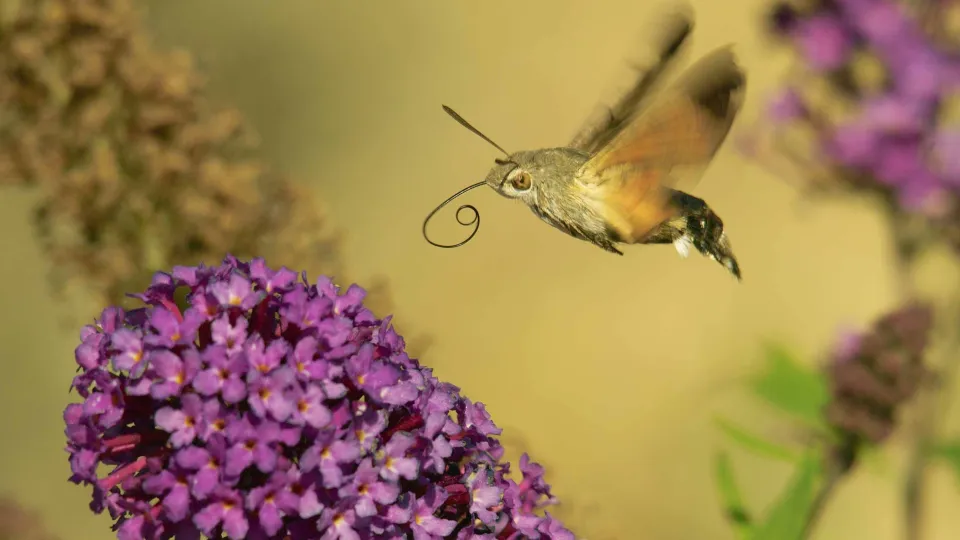
The humming-bird hawk-moth migrates to the UK from Southern Europe each year. It can be seen hovering over flowers, feeding with its long proboscis; its wings move so quickly that it 'hums'.