
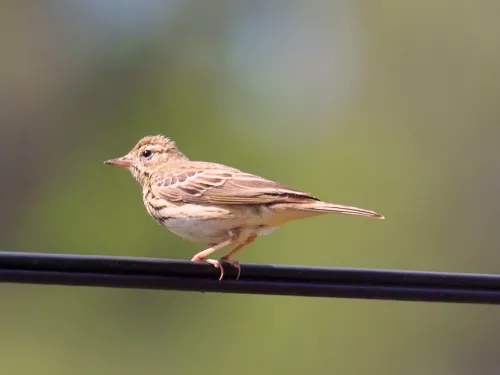
Nature recovery needs Government's new plan to succeed - but wildlife declines will persist
Dramatic increase of £1.2bn extra per year is needed to restore nature say Kent Wildlife Trust
Dramatic increase of £1.2bn extra per year is needed to restore nature say Kent Wildlife Trust
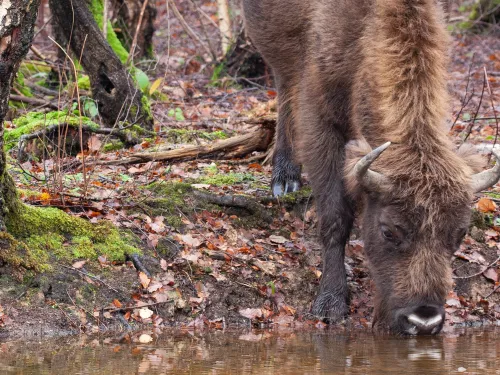
The city of Canterbury has been highlighted as one of the top 10 places in Britain to drive positive change in 2022.
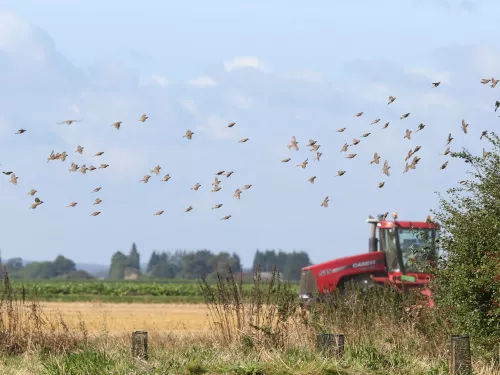
Today the Government has announced new payments for farmers which raise serious questions as to whether we’ll see any better environmental outcomes now than the era of the much-derided Common Agricultural Policy.
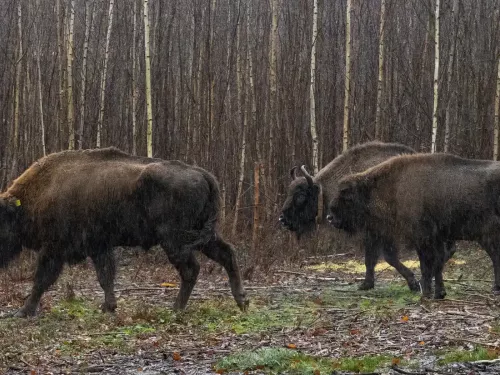
The Wilder Blean bison family is complete as bull from Germany finally meets the herd, just in time for Christmas
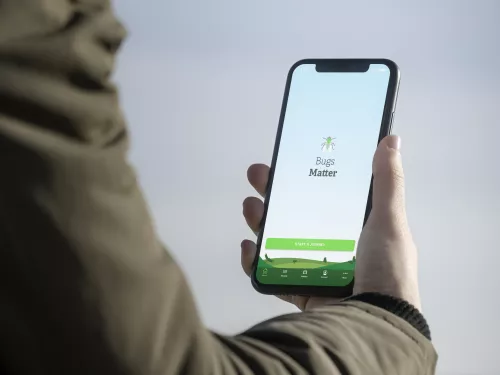
The Bugs Matter Citizen Science Survey, led by conservation charities Kent Wildlife Trust and Buglife, found a 64% decline in insect numbers sampled on vehicle number plates between 2004 and 2022 across the UK, highlighting the urgent need for more, large-scale research on insects, and action to reverse declines in their abundance.
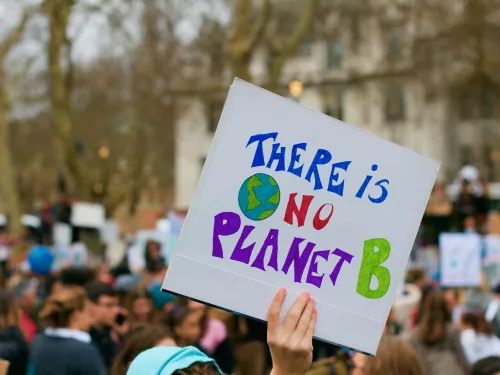
Kent Wildlife Trust urges MPs to back ambitious nature recovery targets
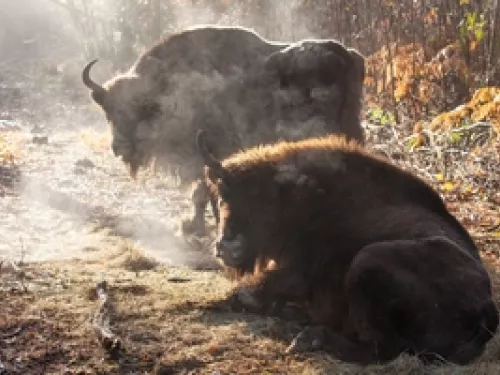
The gates of West Blean Woods have now been fully opened to the UK’s first free-roaming bison. The herd was released into 5 hectares of the ancient Canterbury woodland back in July.
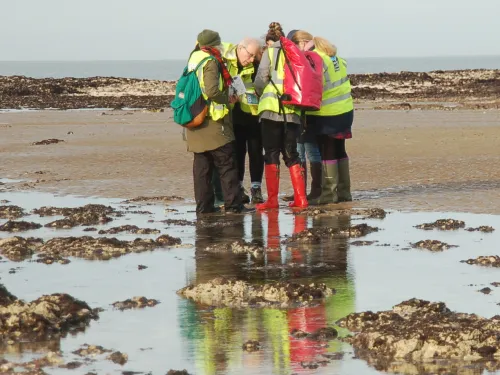
Charity volunteers have been forced to cancel a wildlife survey after raw sewage was pumped into the ocean off the coast of Margate.