
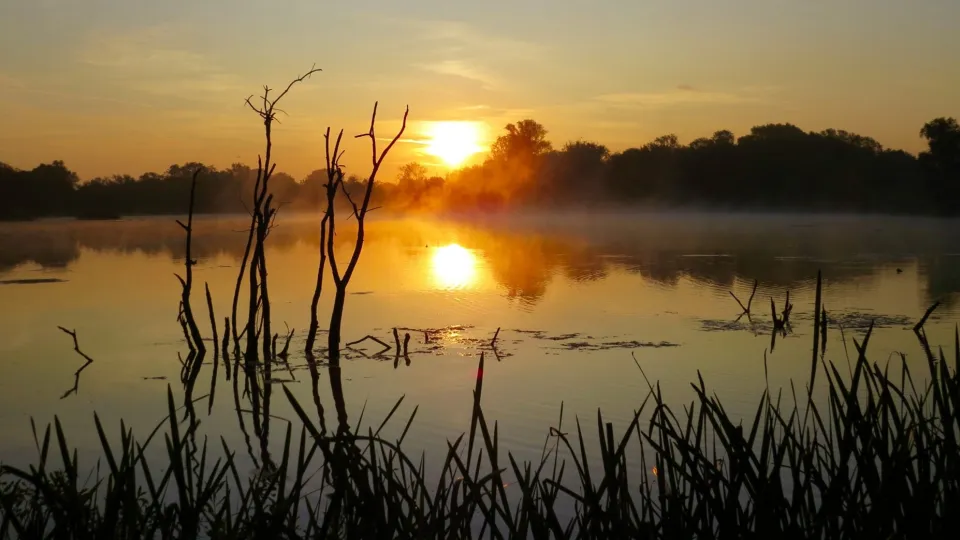
Wetlands
Healthy wetlands store carbon and slow the flow of water, cleaning it naturally and reducing flood risk downstream. They support an abundance of plant life, which in turn provide perfect shelter, nurseries and breeding grounds for wildlife.
Healthy wetlands store carbon and slow the flow of water, cleaning it naturally and reducing flood risk downstream. They support an abundance of plant life, which in turn provide perfect shelter, nurseries and breeding grounds for wildlife.
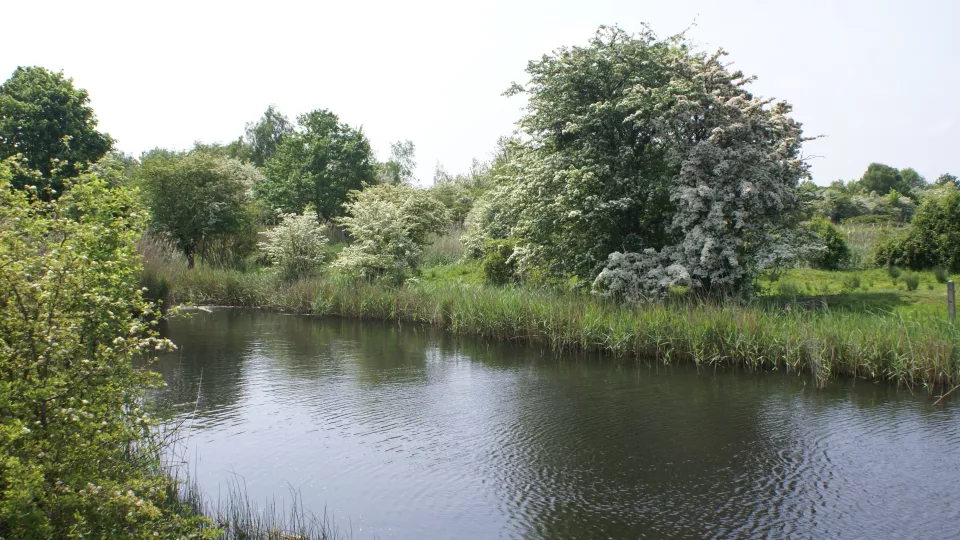
Lying along the edge of the river Medway, this patchwork of wet fields and scrub is criss-crossed by ditches and home to many rare and unusual plants and animals.
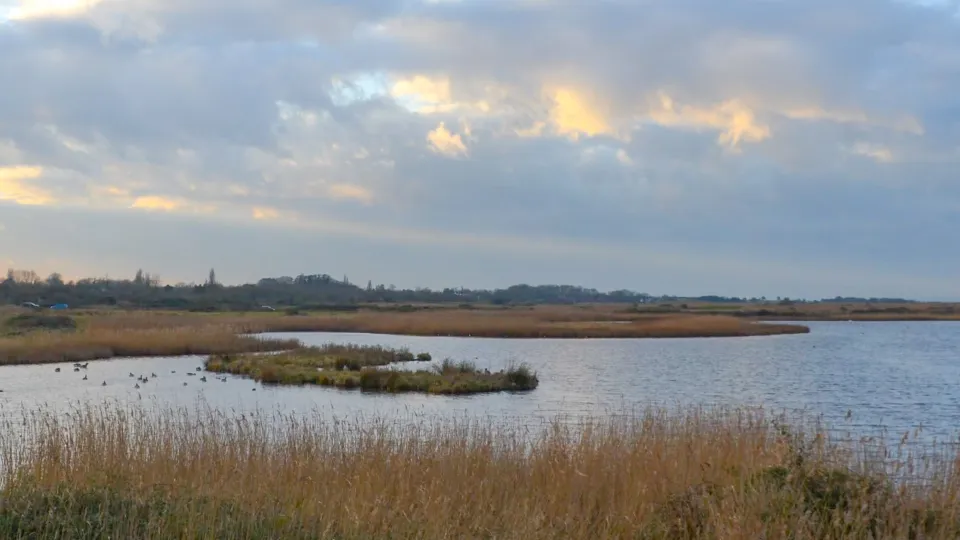
Oare Marshes is an international importance for migratory, overwintering and breeding wetland birds, the reserve consists of grazing marsh (one of a few left in Kent).
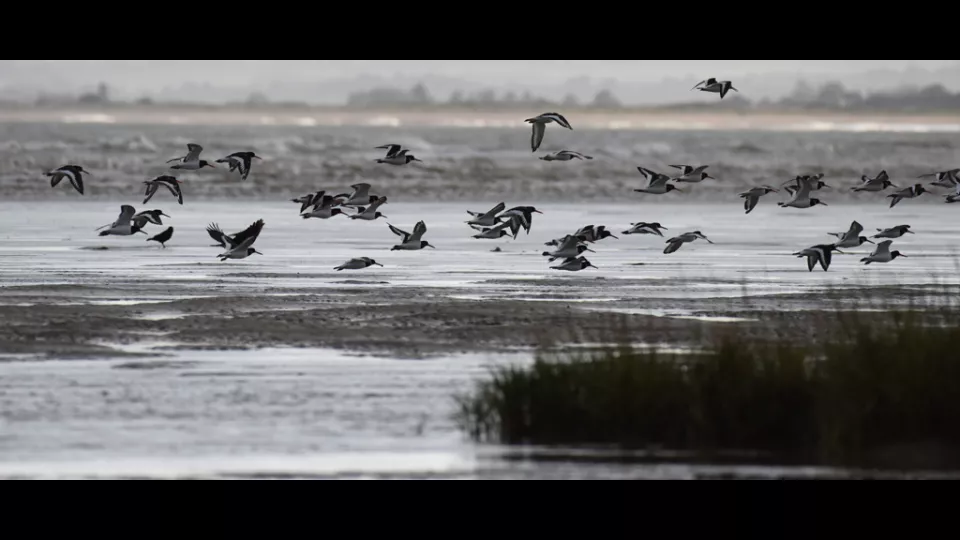
Listen to the rolling waves on the sand and shingle, breathe in the saline scents of the saltmarsh, and watch the wonderful wildlife this very important and sensitive National Nature Reserve has to offer.
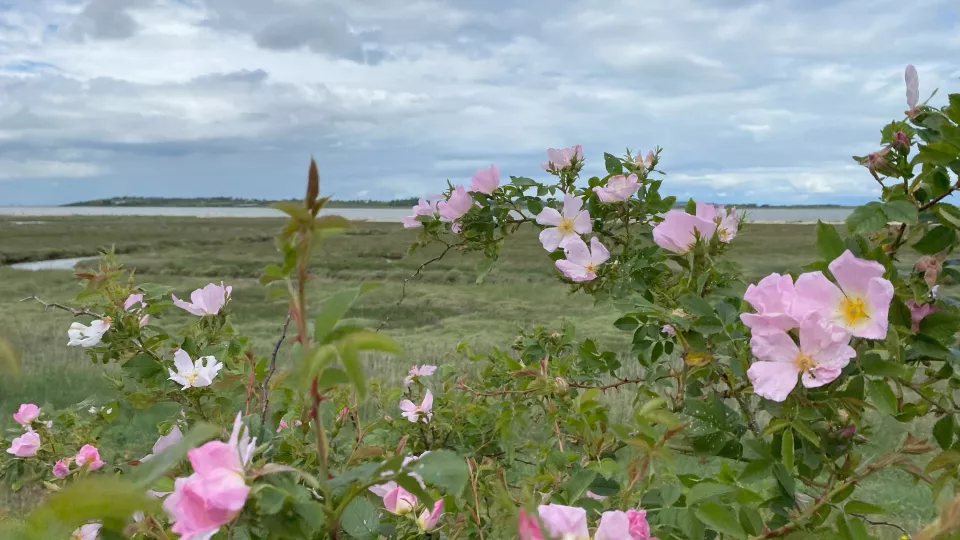
In the winter, South Swale welcomes migrating birds such as brent geese, turnstones, dunlin, avocets, osytercatchers and ringed plovers. In the summer, it's home to carpets of flowers which attract butterflies and some rare bee species!
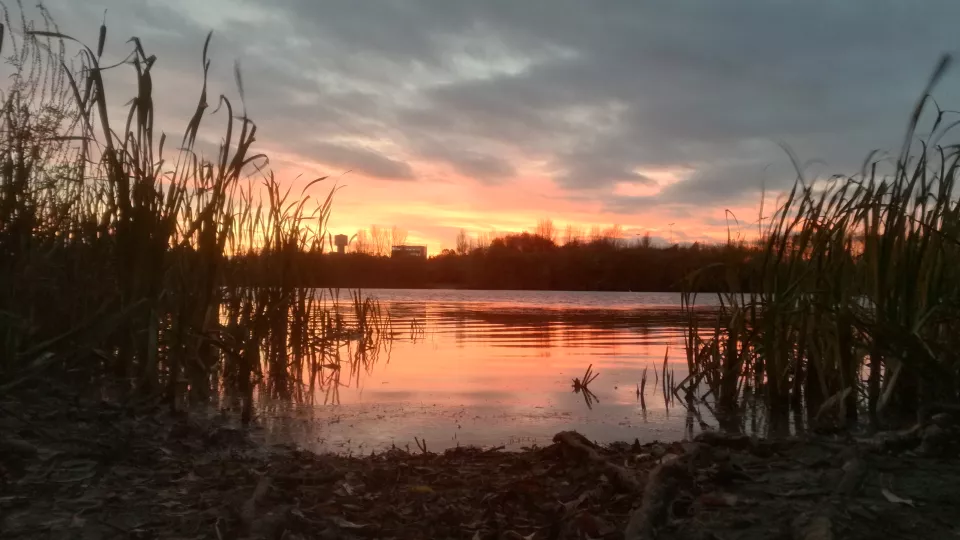
Conningbrook Lakes is made up of a series of lakes, ponds, river, wet woodland and grasslands – creating a great place for a riverside stroll, and host to a variety of wildlife.
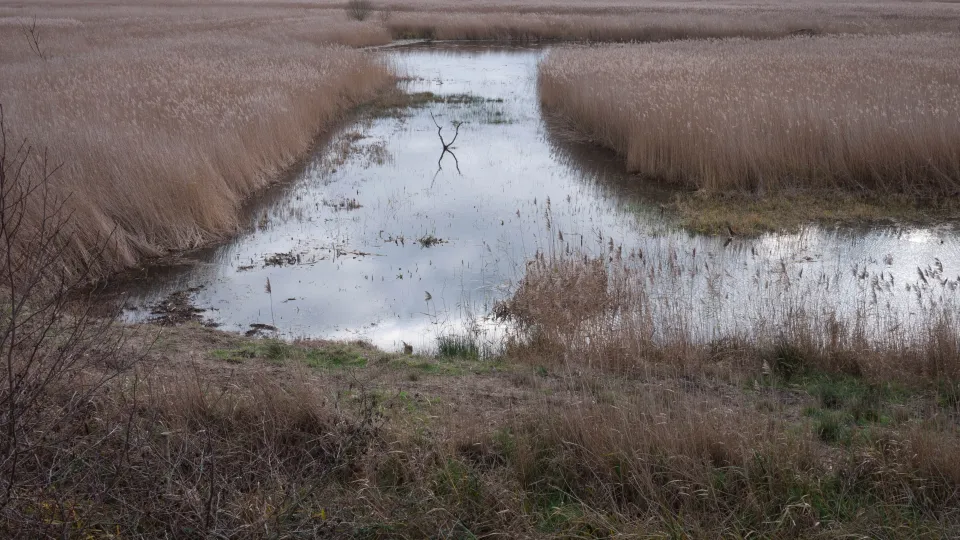
Found between water and land, reedbeds are transitional habitats. They can form extensive swamps in lowland floodplains or fringe streams, rivers, ditches, ponds and lakes with a thin feathery margin of reeds.