

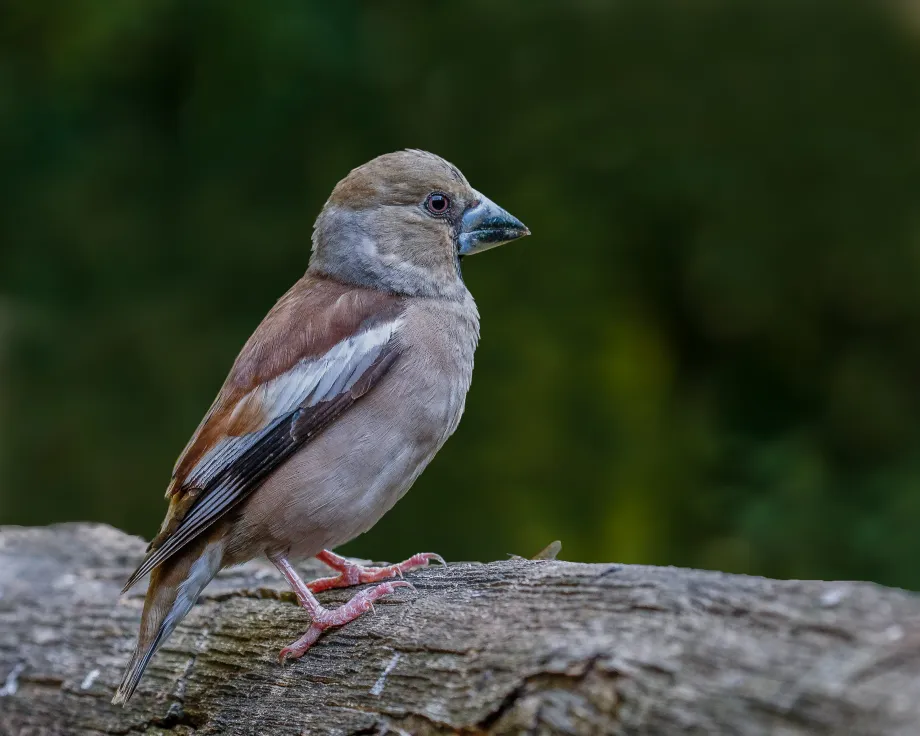
Andy Morffew
Berries are defined as small globular or ovate juicy fruits enclosing seeds rather than a stone. The skin colour and scent of the flesh attract attention so they are eaten and, usually, the seeds excreted, thus helping distribute new plants. The shiny juicy berries of late summer and early autumn have thin skins, and quickly disappear before the onset of real winter, either eaten, gathered or rotted by rain or frost. On the Reserve’s menu are wild cherries, Prunus avium, blackberries Rubus fruticosus, elderberries Sambucus nigra, honeysuckle Lonicera periclymenum, guelder rose Viburnum opulus, Rowan, Sorbus aucuparia, a twenty-first century arrival probably thanks to birds, and even raspberries, Rubus idaeus which botanist Alex Lockton found still here having been recorded since 1829.
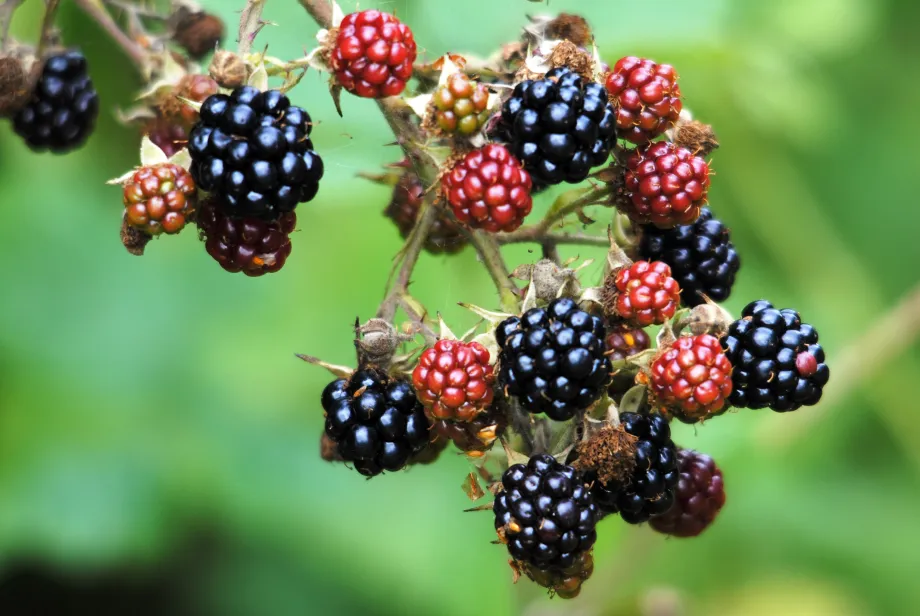
Blackberries. Amy Lewis
Now only berries with thicker skins persist and glimmer on bare branches or amid shiny evergreen foliage. The haws of the hawthorn, Crataegus monogyna, and berries of the holly Ilex aquifolium will remain well into the new year, unless migrant fieldfares and redwings arrived hungry from Scandinavia and stripped them, chattering the while. Yew, Taxus baccata, one of our three native conifers along with juniper and Scots pine, is dioecious, like the holly. It bears male and female cones on different trees, the female cone a warm red fleshy aril covering just one seed. Birds know to eat the aril and excrete the poisonous seed. The tight little berries of the blackthorn, Prunus spinosa need frosts to make them palatable. The hips of the dog-rose, Rosa canina, are too large for birds smaller than a blackbird, and are also often left until frost has softened them. Ivy, Hedera helix, produced its intoxicating flowers late so berries, themselves mildly toxic, only ripen now and may be left until the hungry month of February.
Now’s the ideal time to plant a bare-root berry-bearing tree or shrub in the garden or hedge to provide wild food next January.
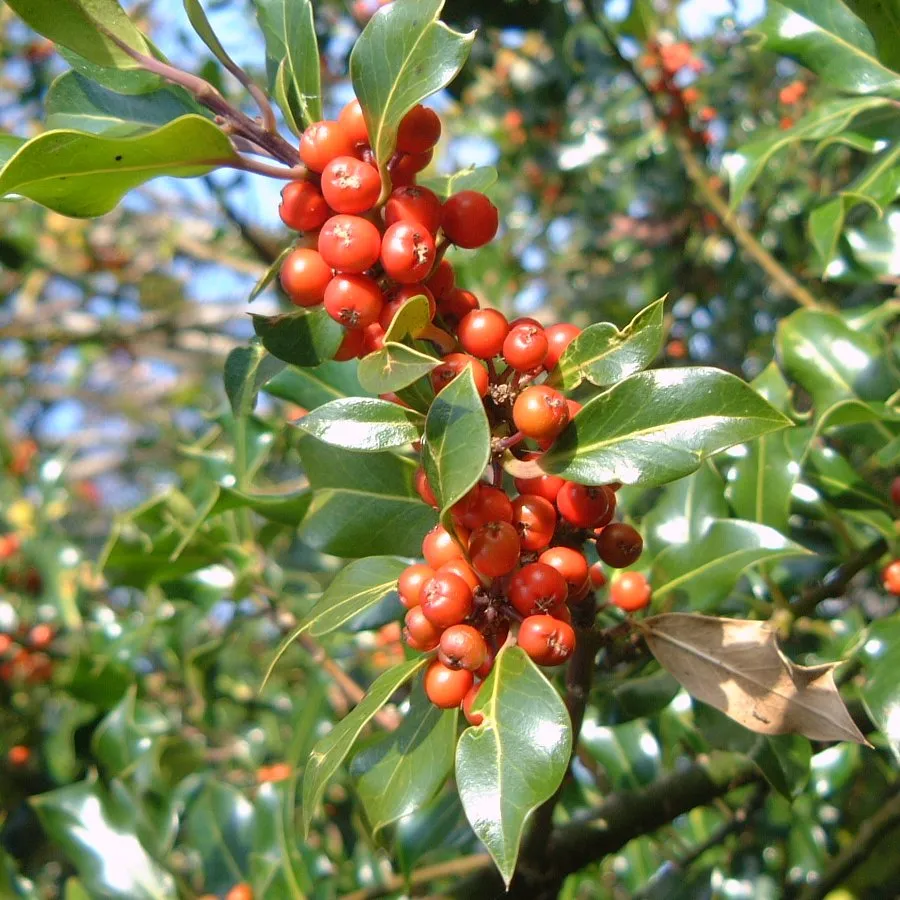
Holly berries
Food, glorious food - it’s Christmas party day
Our band of hard-working and very hardy volunteers continues to grow and they reported that on their ‘Hothfield festival’ in mid-December about 20 people enjoyed lots of hard work clearing brash and tree trunks around the pond. Lots of lovely food (bring and share) and the weather was kind this year.
New volunteers are always very welcome and with training and guidance and no pressure to turn up every time or take on tasks you would prefer not to do. Lots of information is available on the volunteering page.
If you haven’t yet explored this very special place, make 2026 the year you get to know it.
Wassail.
Margery Thomas

Volunteer with us
This new year why not make a difference and volunteer with us at Hothfield?