
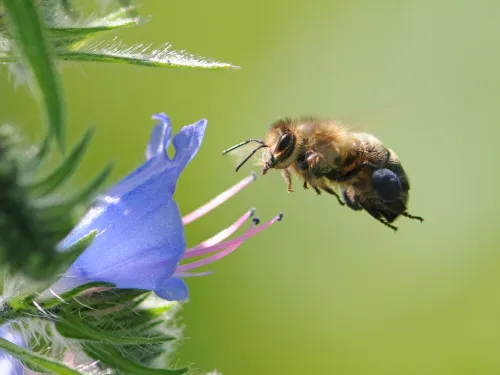
Ecosystem services & how they can save our planet
Blog
Healthy ecosystems give us everything we need to survive: water, clean air, food, and raw materials for building, making medicines... Learn more here.

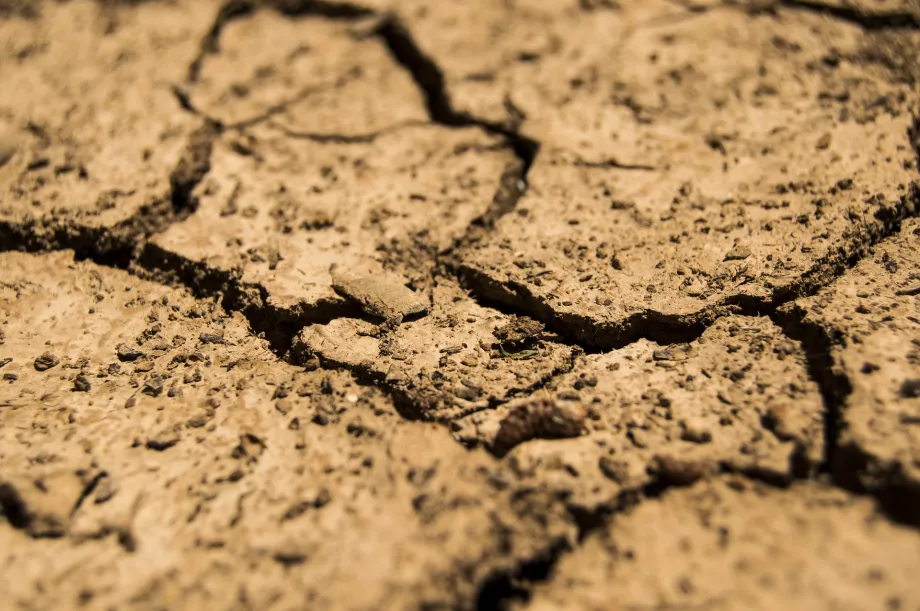
Image by Luis Iranzo Navarro-Olivares
Wetlands are some of nature's best water managers!
Their soils and vegetation can hold onto water, slowing its movement through the landscape. This can help reduce flooding downstream while creating the wet conditions that an incredible range of wildlife depends upon.
Here in Kent, we've seen the benefits of restoring these natural processes at places such as Ham Fen, where beavers have been working as ‘ecosystem engineers’ at the reserve for more than two decades. They've built dams, created pools and wetlands, and changed the way water moves through the landscape. Their work has helped raise water levels and restore areas of valuable peat fen.
Recently, we've welcomed an exciting new chapter for Ham Fen. In September 2026, Kent Wildlife Trust removed the enclosure barrier, allowing the beavers to move freely beyond the reserve and play their natural role across the wider landscape.
It's a brilliant example of what can happen when we give nature a little more room to do what nature does best.
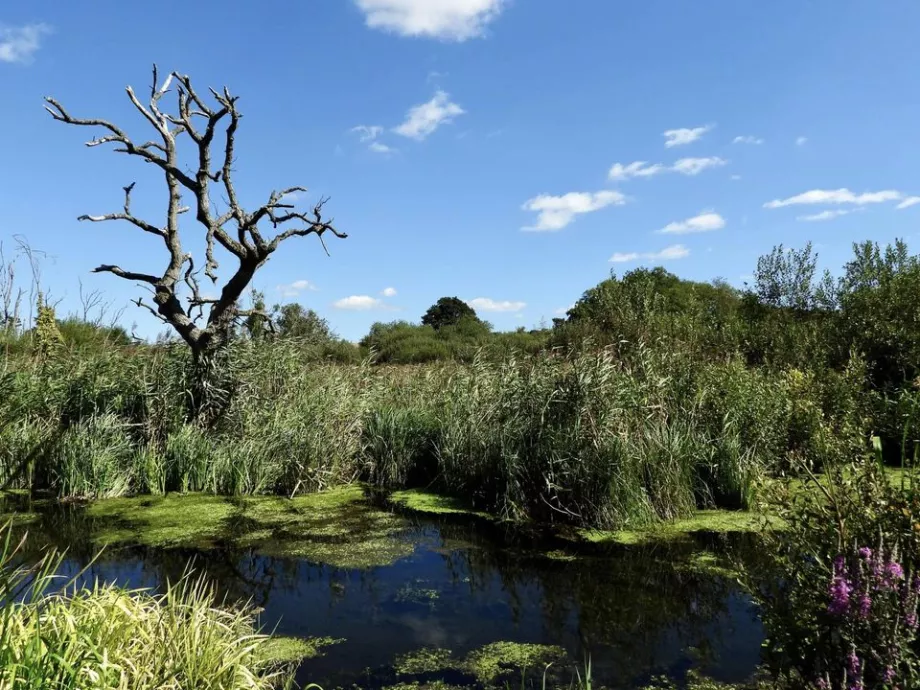
©️ Alan Boulter
We have a long and varied coastline, including mudflats, salt marshes, shingle beaches, and estuaries. These habitats are dynamic by nature. Tides, waves, wind, and sediment are constantly reshaping them.
Stormier weather can put additional pressure on coastal habitats, particularly when strong winds coincide with high tides and storm surges.
But, like wetlands, healthy coastal habitats can also help protect the land behind them!
Salt marshes and mudflats can absorb wave energy and trap sediment, helping to reduce the impact of flooding and erosion. They also provide vital habitat for birds, fish, invertebrates, and specialist plants.
So, when we protect a salt marsh, we're not just protecting somewhere beautiful to explore – we're protecting a living part of our coastline that can help both people and wildlife adapt to a changing climate.
Learn more about why salt marshes are important here.
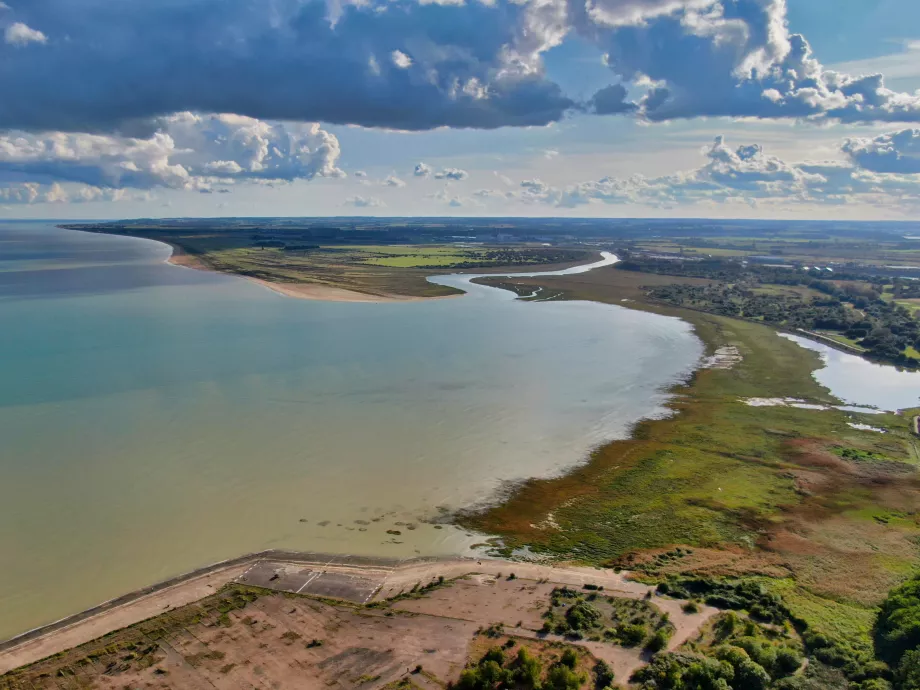
© Nik Mitchell
A particularly wet autumn and winter could change the availability of food, alter water levels, and influence where animals can find shelter.
For wetland species, more water can create valuable habitat. For others, prolonged rainfall, strong winds, or flooding could make finding food and shelter more difficult. The effects can also ripple through food webs. If, for example, weather conditions change the abundance or behaviour of plants and invertebrates, this can have consequences for the animals that feed on them.
There's also the fact that a strong El Niño this year affects the weather next year, too. Next summer (2027) is expected to be record-breaking again, which will undoubtedly have its own impacts on wildlife.
Of course, wildlife has always experienced changing weather. The challenge comes when natural fluctuations occur alongside longer-term changes to our climate and the loss and fragmentation of habitats.
This is why connected, wildlife-rich landscapes are so important. The more healthy habitats we have, and the better connected they are, the more opportunities wildlife has to move, find food and shelter, and adapt as conditions change.
For Kent, it's important we don't just think of this El Niño as a one-off problem to prepare for. Instead, it is another reminder of why building resilience into our landscapes matters.
Healthy ecosystems give us everything we need to survive: water, clean air, food, and raw materials for building, making medicines... Learn more here.
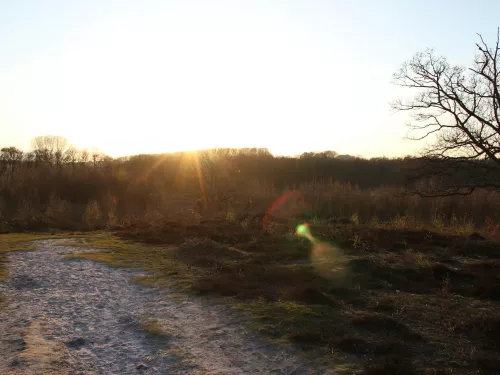
Habitat fragmentation poses significant threats to biodiversity and climate stability. In our lifetimes, we’re witnessing dramatic changes in the landscapes around us and the species that inhabit them.
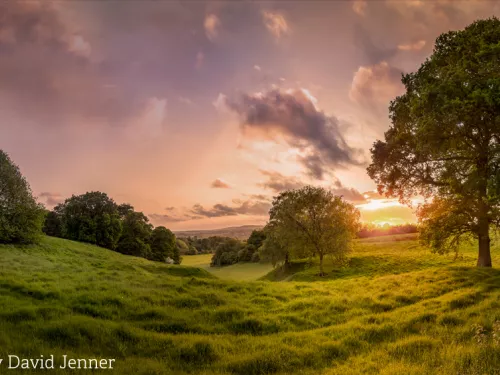
Industrial agriculture was designed to maximise the production of a single crop or animal, but these practices are not always best for the environment or the farmer. The solution is to build a resilient landscape where food production is maximised AND in…