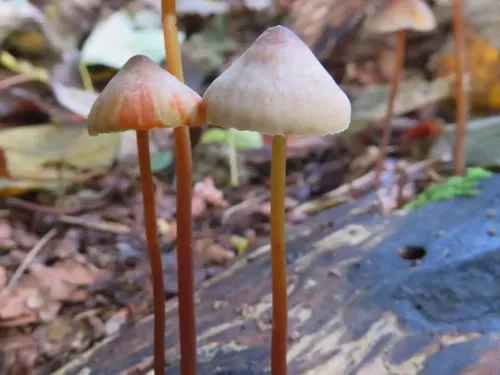
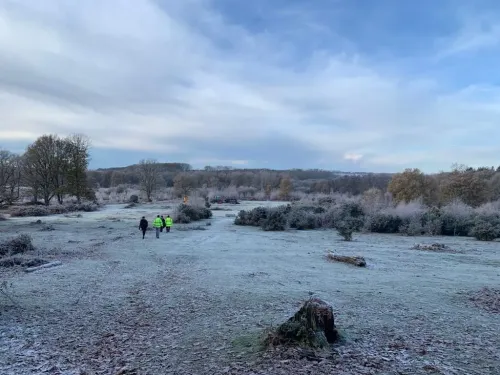
November on Hothfield Heathlands: All about fungi
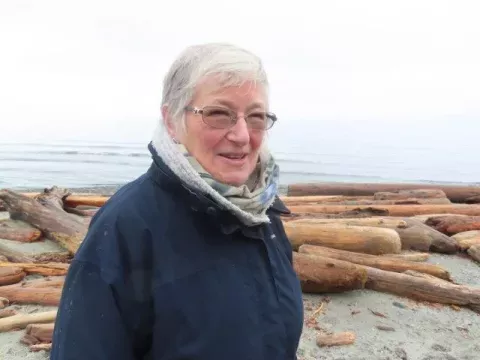
Long-time volunteer, Margery Thomas, talks us through all the exciting fungi at Hothfield Heathlands and their importance.
Kent Wildlife Trust Volunteer
Long-time volunteer, Margery Thomas, talks us through all the exciting fungi at Hothfield Heathlands and their importance.
Margery Thomas, Hothfield Volunteer and regular columnist looks at the lack of butterfly sightings in recent months, the work volunteers are doing to remove bracken and how this all impact the wider management of the last remaining fragments of heathland we have left in Kent.
By August, floral glory has passed from the orchids (heath spotted, southern marsh and a few large hybrids) to the heather or ling. As ever, we hope for a protracted display of purple in the heathy areas, which is likely if the cool nights persist. Orchid seed is now ripening. Dust-like, dispersed on the wind, the seed contains no nutrients to support germination so needs a mycorrhizal fungus to supply nutrients from the soil to its roots. From seed to flowering takes three years or more.
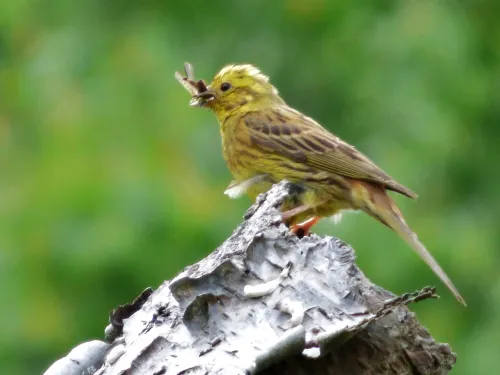
It’s all happening, and unlike February, this month you can see and hear the signs, including the welcome trickling of water thanks to leaky dams and, yes, an awful lot of rain, so the squelch of mud on paths as well. Birds are calling, to defend territory, attract a mate, claim their space in roosts or just celebrate the dawn.