Goal 1 - We defend and restore
We'll continue to develop nature-based land management practices, while giving wildlife a voice through our campaigns and communications.

Will you help bring nature back from the brink?
Help us raise £130,000 by September to keep nature’s recovery moving forward.
Kent Wildlife Trust is the county’s leading conservation charity, driving innovation to fight the climate and nature crises. We have over 31,000 members and volunteers, manage over 9,000 acres of land and influence much more. Together with our partners, supporters and grazing animals, we transform habitats, restore and protect species and bring ecosystems back to life across the county and beyond, to benefit wildlife and people.
We'll continue to develop nature-based land management practices, while giving wildlife a voice through our campaigns and communications.

We cannot deliver #WilderKent 2030 on our own. To inspire others, we will increase our engagement with communities, businesses and stakeholders to reach a larger, more diverse range of people.

We will innovate through continual learning from national and international best practice, and create and share it. This will allow us to become a more resilient, demonstrably impactful and sustainable organisation.

Join us in creating a Wilder Kent. We can’t do it without you.
Subscribe to our e-mailing list to hear the latest stories and updates about Kent's wildlife and our work to protect it.
Sign up to our newsletter
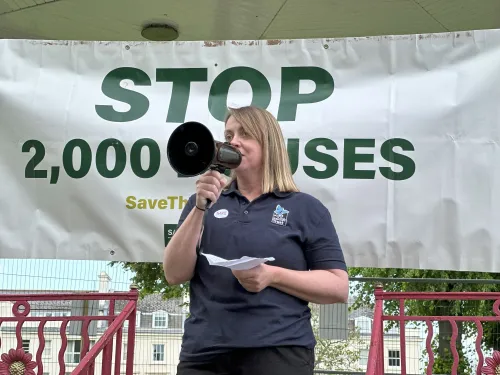
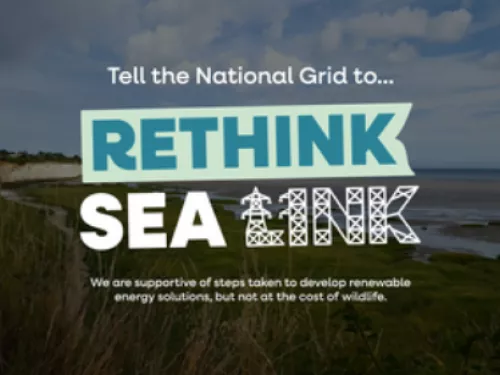
We campaign for positive change for nature and people and helping local communities to save special places for wildlife. We welcome the support of Kent's communities with these campaigns - together we can work to protect wildlife now and into the future.

Looking to align your business with a local charity that has a global impact? We're changemakers, but we can't do this alone - we need your support.

Your support has enabled us to make a difference to wildlife and their threatened habitats here in Kent for over 60 years.

Join us to create and protect your Wilder Kent. We can’t do it without you.

Experience beautiful natural landscapes, inspiring conservationists, lasting friendships and the chance to safeguard wild spaces for future generations.
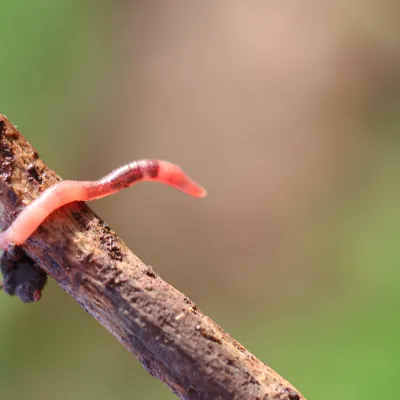
One of the many benefits of using grazing livestock in conservation management is that they produce dung. Their dung acts in various ways to enhance the landscape and provides benefits for a range of organisms that would otherwise be excluded in a machinery-based site management scheme.
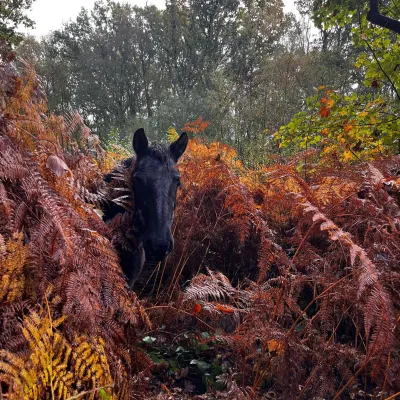
Koniks (sometimes referred to as Konik Polski) are a non-native primitive breed that originate from Poland. They are a descendant of the tarpan, a type of European wild horse that went extinct in the 19th century. They have been bred for almost 80 years to be the ideal breed for use in conservation grazing, specifically for traits of hardiness, longevity and ease of handling, and are used successfully across Europe in conservation grazing schemes.