
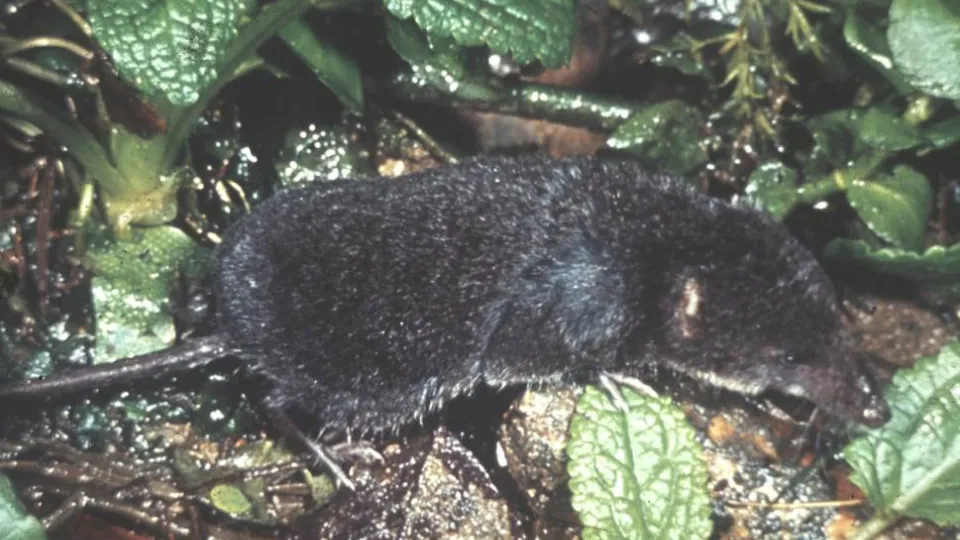
Water shrew
The large, dark grey water shrew lives mostly in wetland habitats. It's a good swimmer that hunts for aquatic insects and burrows into the banks.
The large, dark grey water shrew lives mostly in wetland habitats. It's a good swimmer that hunts for aquatic insects and burrows into the banks.
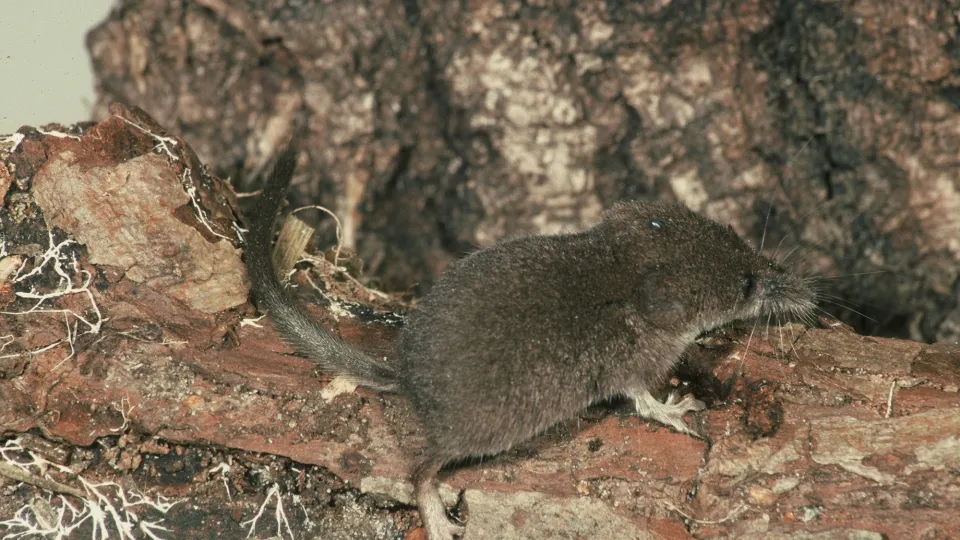
The diminutive pygmy shrew has a distinctively pointy nose and tiny eyes. It lives life in the fast lane, eating every 2-3 hours to survive, and only living for a year or so. Look out for it in the garden.
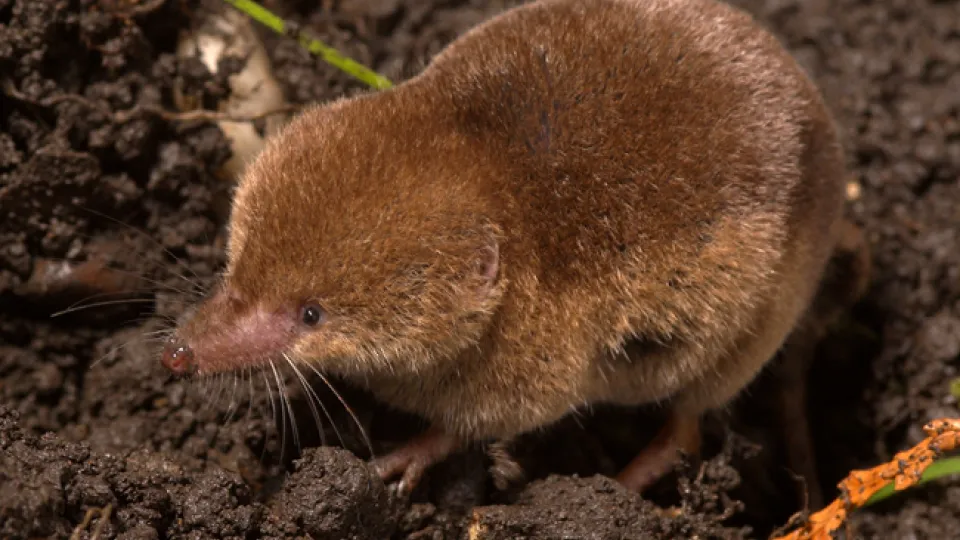
The diminutive common shrew has a distinctively pointy nose and tiny eyes. It lives life in the fast lane, eating every 2-3 hours to survive, and only living for a year or so. Look out for it in the garden.

The green spaces of our towns and gardens bring nature into our daily lives, brightening our mornings with birdsong and the busy buzzing of bees. Together, the UK's gardens are larger than all of our National Nature Reserves combined, making them as important for wildlife as they are for our own wellbeing.
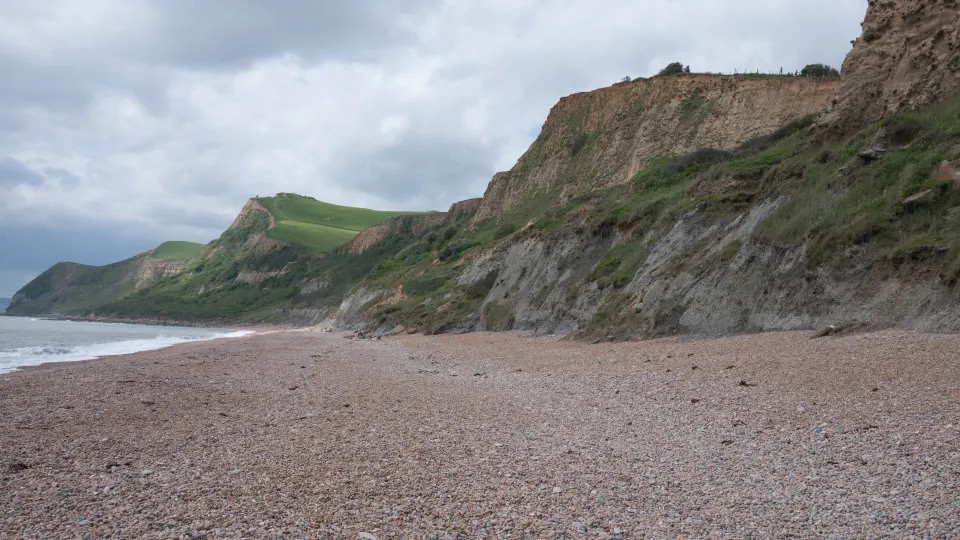
Whether they are tumbles of soft rock home to a variety of invertebrates, or hard, soaring rock faces bustling with huge seabird colonies, cliffs may be challenging to explore but are well worth the reward.
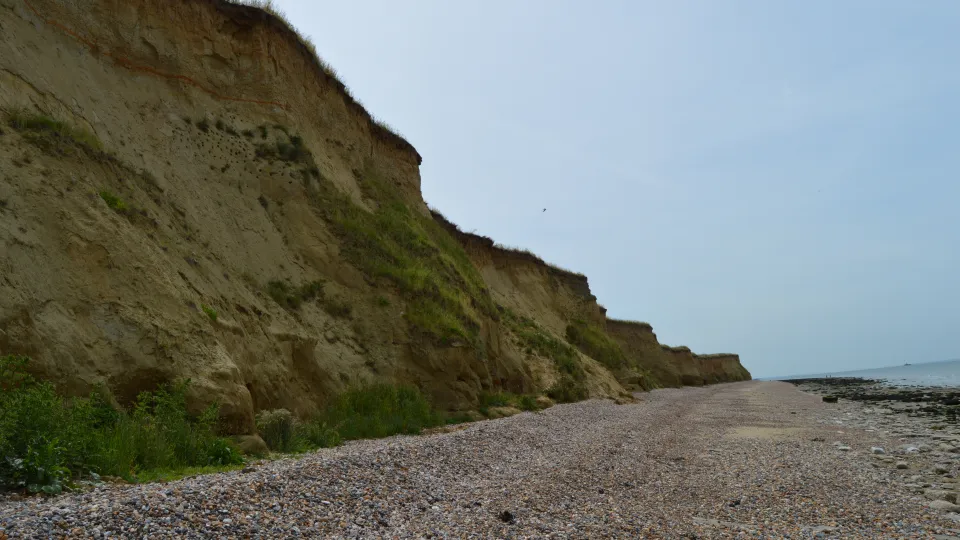
Skip the town beach and find an untamed shore to explore. Wild sand and shingle beaches are great places to see the variety of natural habitats and the amazing force of the elements that help shape them.
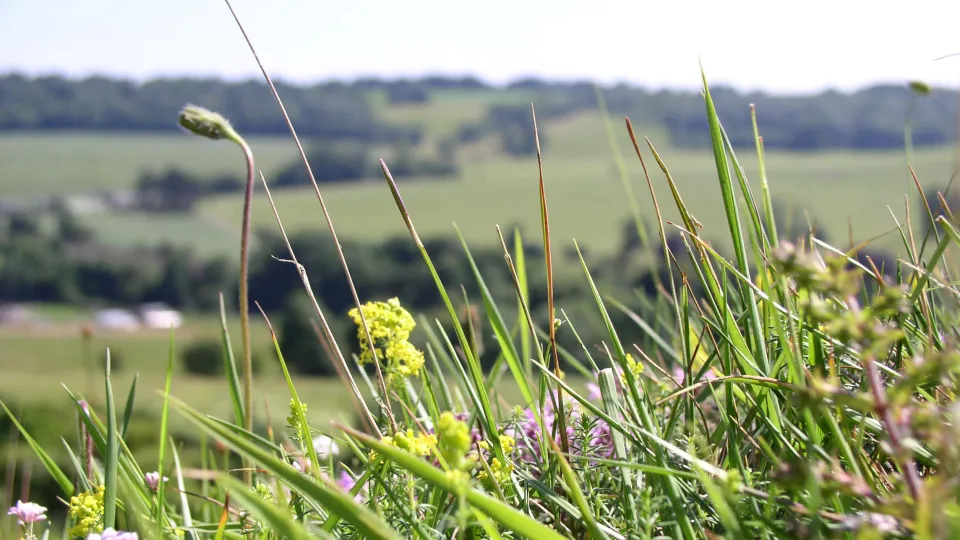
Typical of softly rolling pastoral landscapes, the short, aromatic turf of lowland calcareous grassland is flower-rich and humming with insects in the summer. Its long use by humans lends it an ancient feel and it is often seen amongst prehistoric burial mounds, hill forts and old trackways.
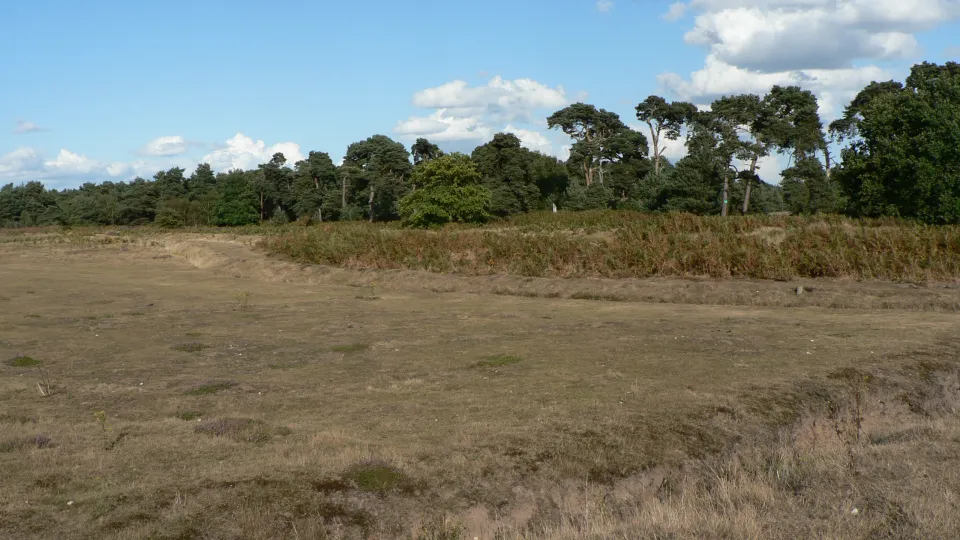
Sprinkled with diminutive, short-living flowers in spring and parched dry by July, this is a habitat of heathlands, coastal grasslands and ancient parkland.
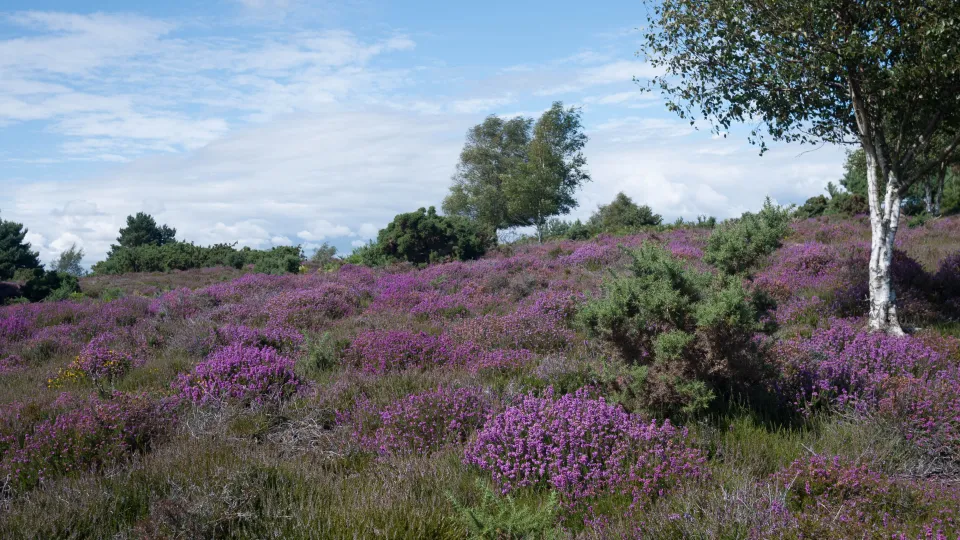
Heathlands form some of the wildest landscapes in the lowlands, where agriculture and development jostle for space, containing and limiting natural processes. Once considered as waste land of little value, lowland heathland is now appreciated and protected for its unique wildlife and austere beauty.
These wild, open landscapes stretch over large areas and are most often found in uplands. Although slow to awaken in spring, by late summer heathland can be an eye-catching purple haze of heather.