
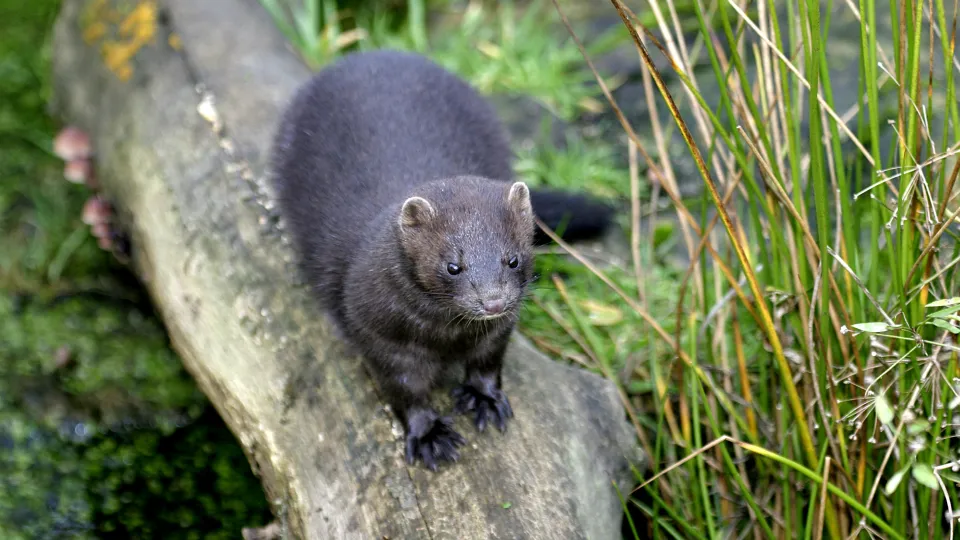
American mink
Escaped or intentionally freed from fur farms in the 1960s, the American mink is now well established in the UK. Its carnivorous nature is a threat to our native water vole and seabird populations.
Escaped or intentionally freed from fur farms in the 1960s, the American mink is now well established in the UK. Its carnivorous nature is a threat to our native water vole and seabird populations.
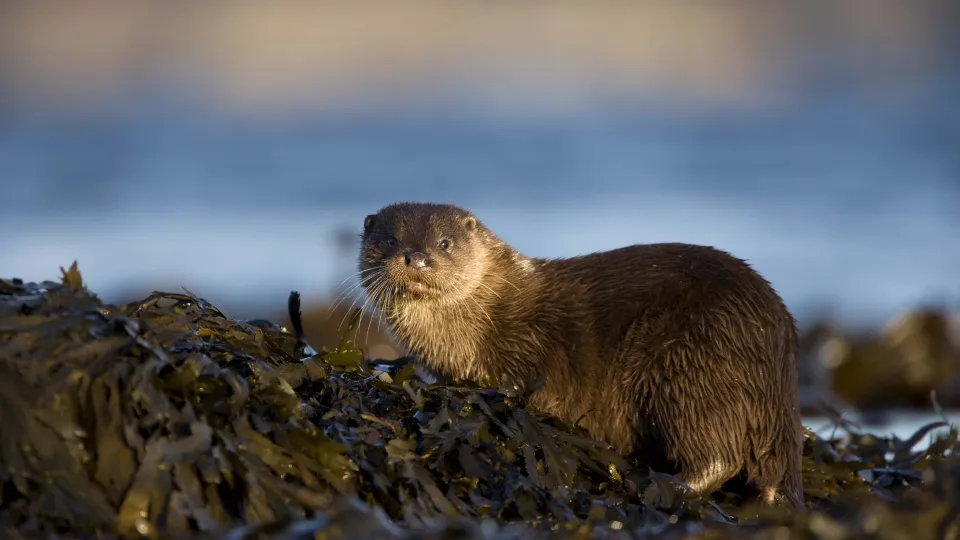
The sinuous otter is an excellent swimmer and can be seen hunting in wetlands, rivers and along the coast - try the west coast of Scotland, West Wales, the West Country or East Anglia for the best views.
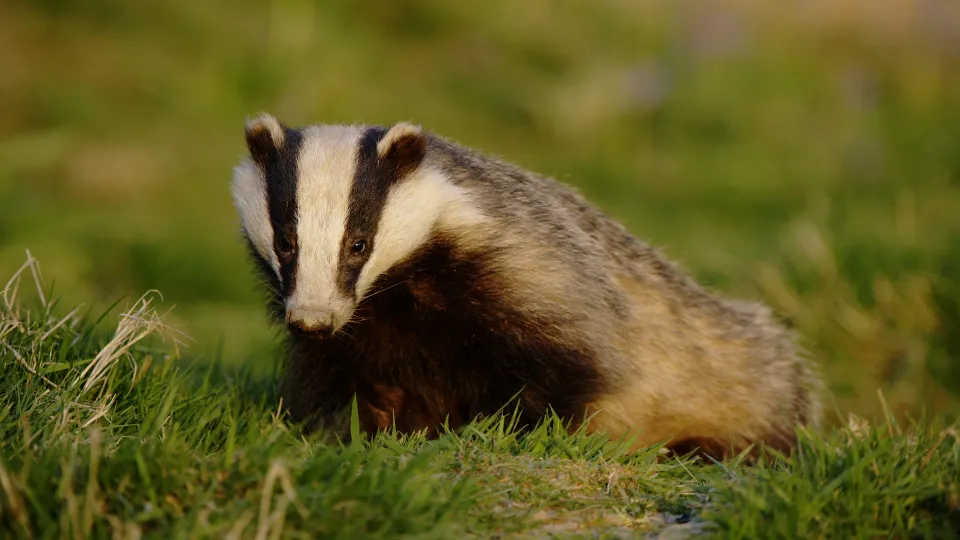
Badgers are the UK’s largest land predator and are one of the most well-known British species. They are famed for their black and white stripes and sturdy body, using their strong front paws to dig for food and to perfect their hobbit-like burrows, called ‘setts’.
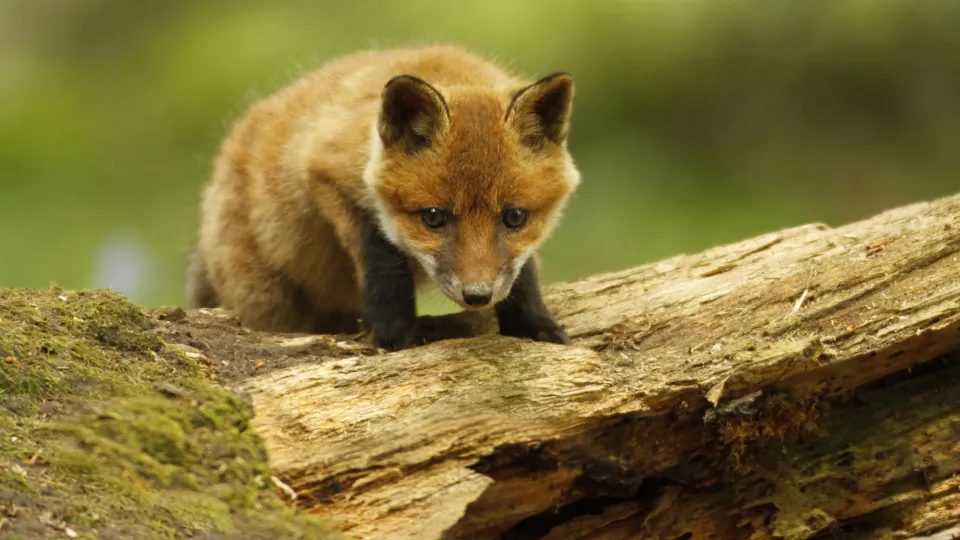
Famed for their cunning and stealth, these orangey-red dogs with their bushy tails can be seen in towns and the countryside. They come out mostly at night but can also be seen during the day if you’re lucky!
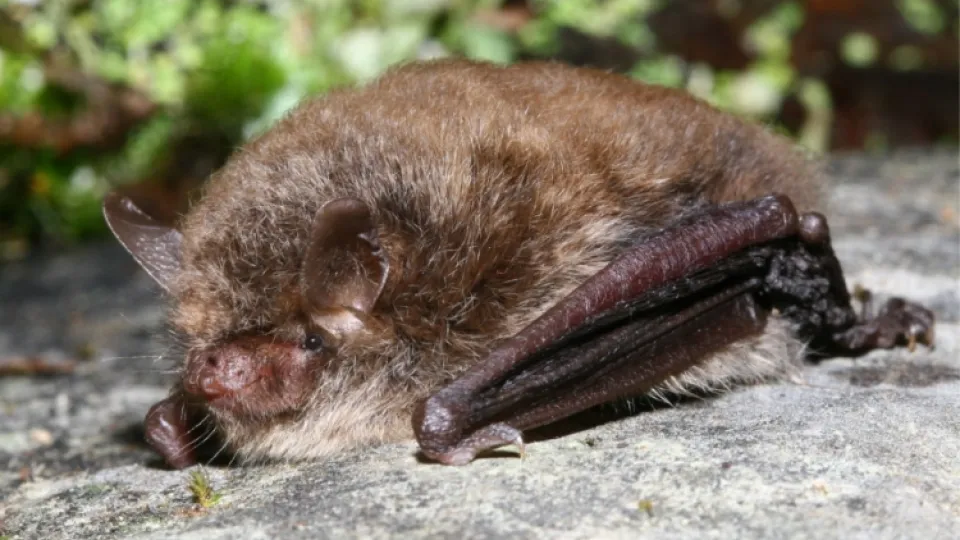
The Alcathoe bat was 'discovered' in the UK in 2010 when it was confirmed as a separate species to the very similar whiskered and Brandt's bats. Little is known about its range and habits, but it can be found in wooded areas.
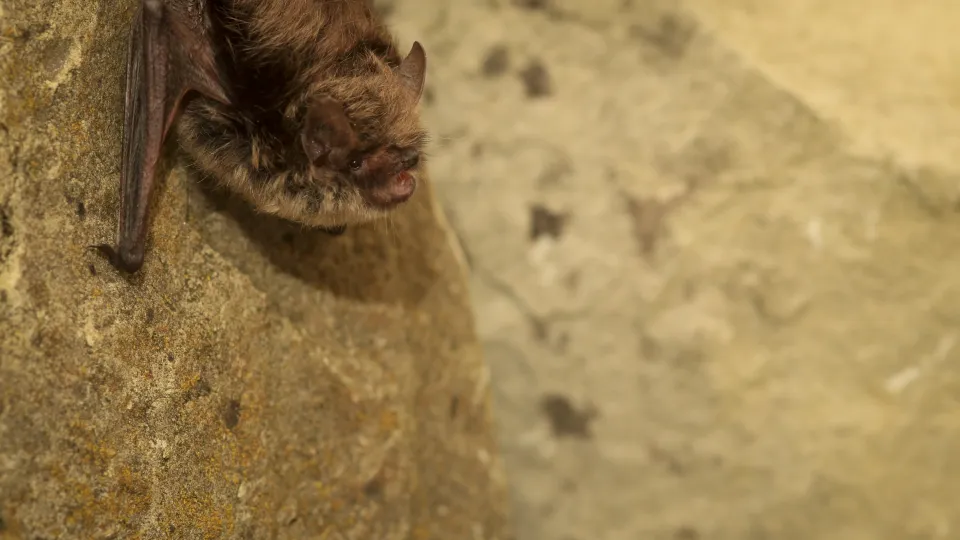
The small, shaggy-furred whiskered bat roosts in all sorts of houses, old or modern. It is similar to the Brandt's bat and they often roost together, but in separate colonies. It feeds along familiar routes, such as hedgerows and woodland edges.
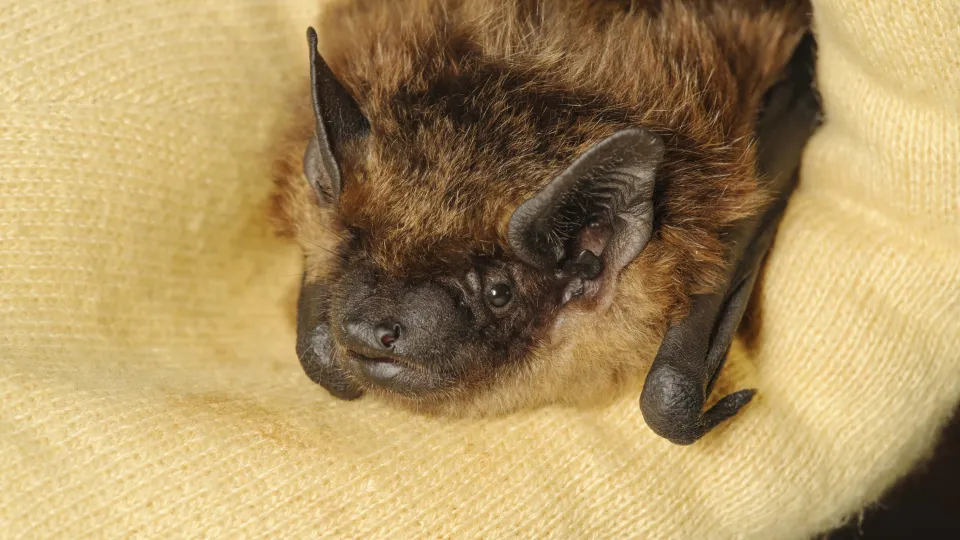
The serotine is one of the first bats to appear at night and can be seen around lamp posts chasing moths, or at treetop height. It likes to roost and hibernate in old buildings in the south of the UK.
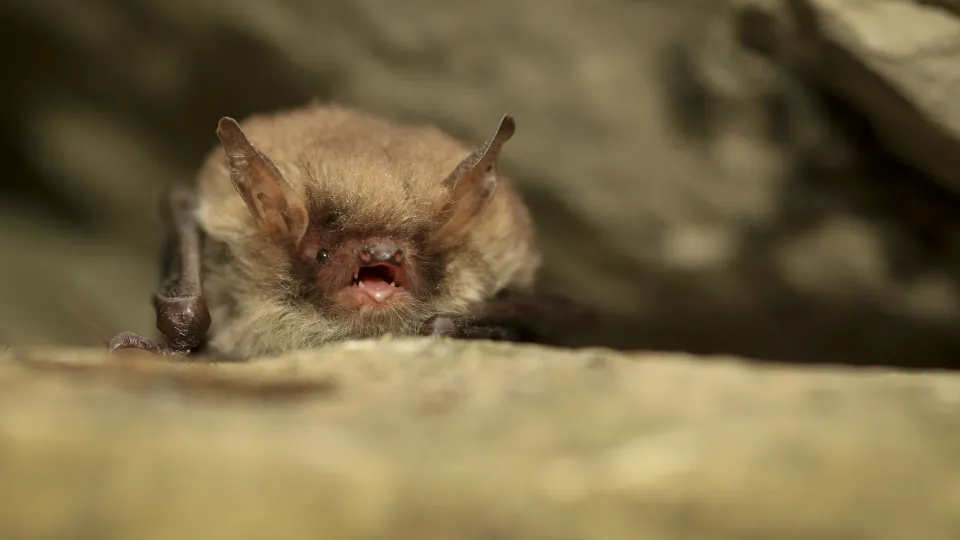
The Natterer's bat can found across the UK, although it is a scarce species. It prefers to forage low down among trees, often taking prey directly from the foliage.
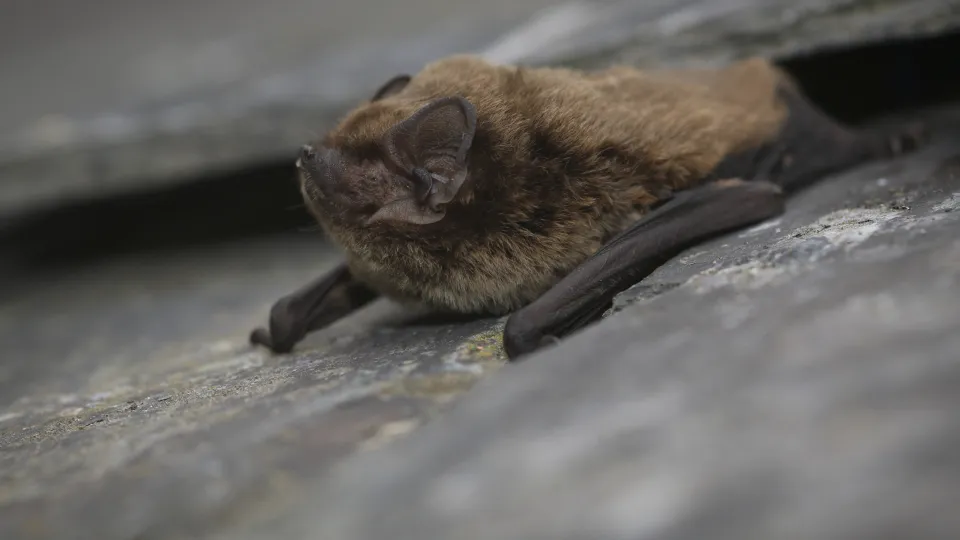
The Leisler's bat flies fast and high near the treetops, but you might also spot it flying around lamp posts, looking for insects attracted to the light.
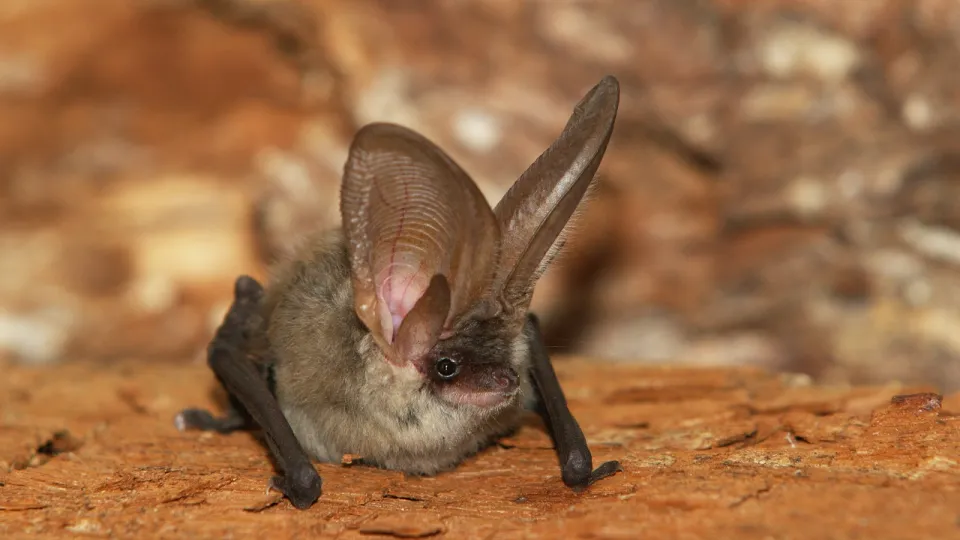
The grey long-eared bat certainly lives up to its name - its ears are nearly as long as its body! It mainly forages over grassland and meadows, but is very rare in the UK.