
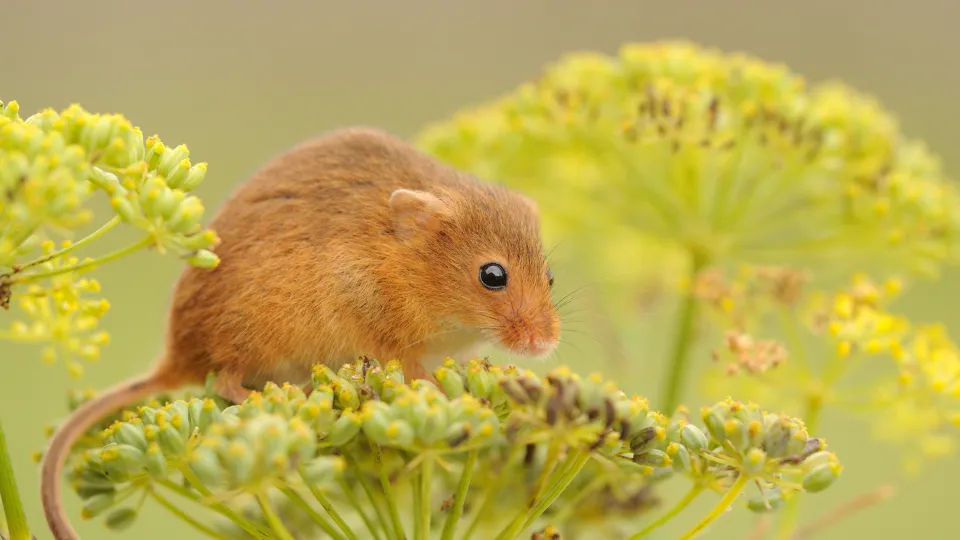
Harvest mouse
The harvest mouse is tiny - an adult can weigh as little as a 2p piece! It prefers habitats with long grass, but you are most likely to spot its round, woven-grass nests.
The harvest mouse is tiny - an adult can weigh as little as a 2p piece! It prefers habitats with long grass, but you are most likely to spot its round, woven-grass nests.
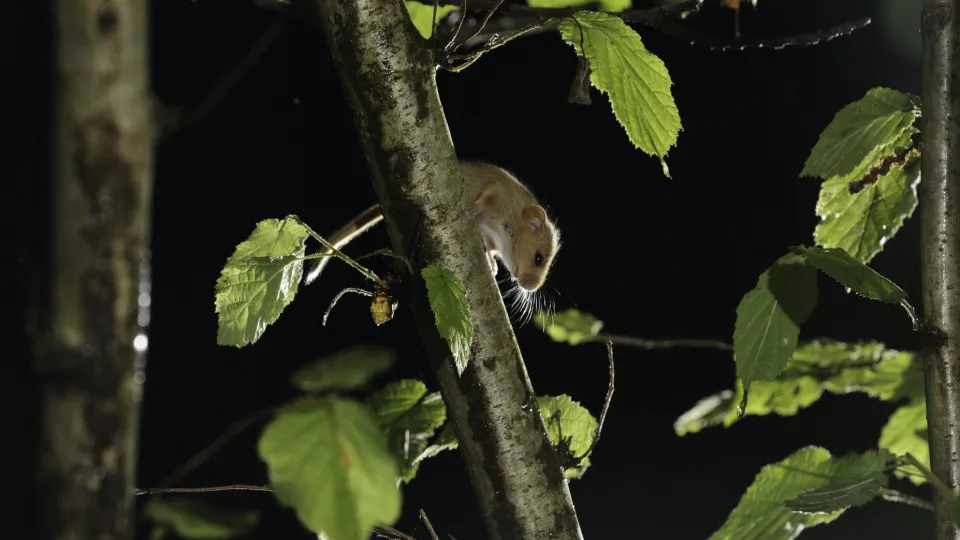
Hazel dormice are hard to spot – not only do they only come out at night, but they are also only found in very few places in the UK. Dormice spend a lot of their time hibernating – and are known to snore!
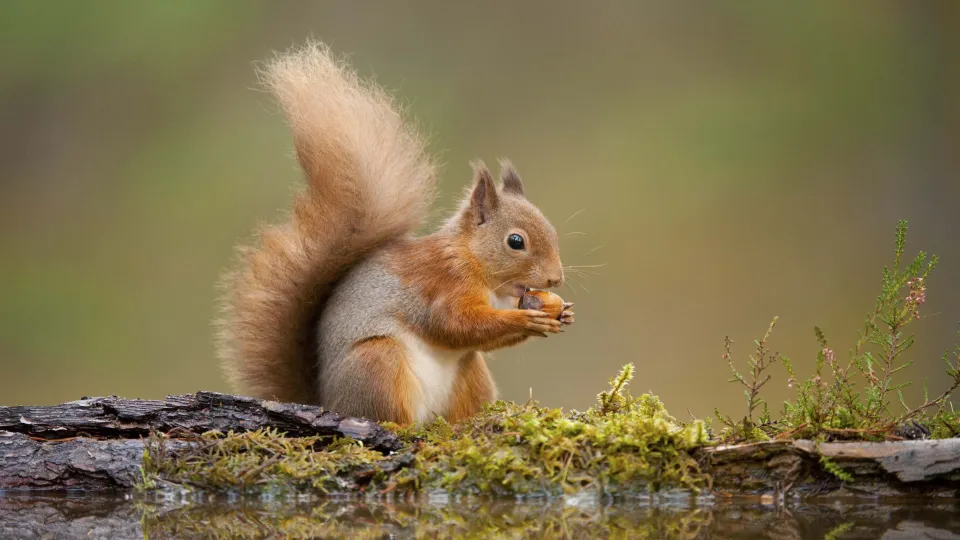
Red squirrels are native to the UK but are a lot rarer than their grey cousins. They live in a few special places across the UK thanks to reintroduction projects.
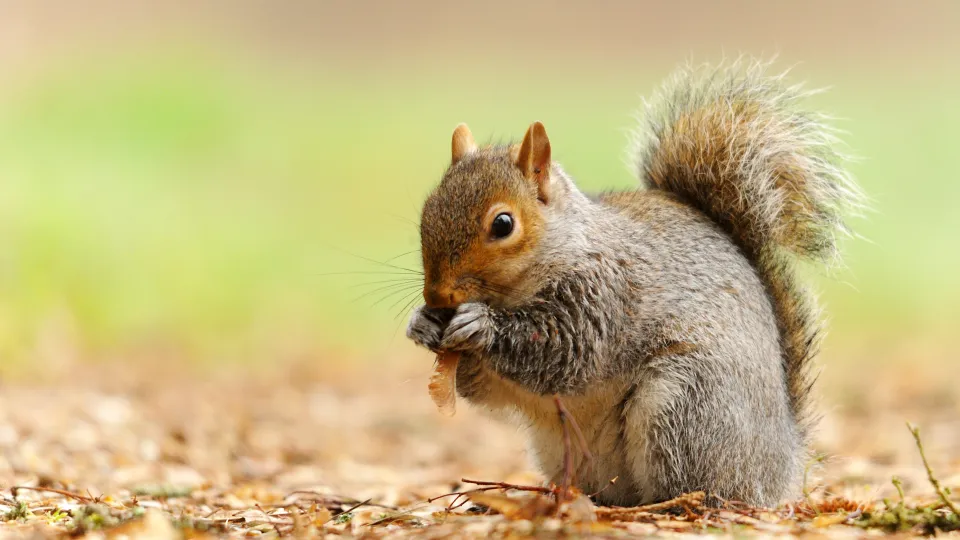
The grey squirrel was introduced into the UK in the 1800s. It provides an easy encounter with wildlife for many people, but can be damaging to woodlands and has contributed to the decline of the red squirrel.
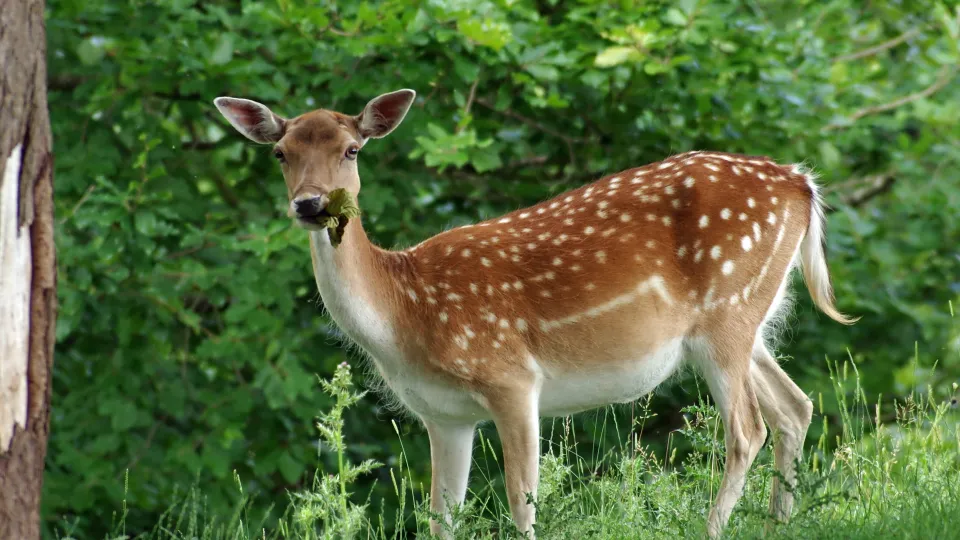
Although introduced by the Normans, the fallow deer has been here so long that it is considered naturalised. Look out for groups of white-spotted deer in woodland glades.
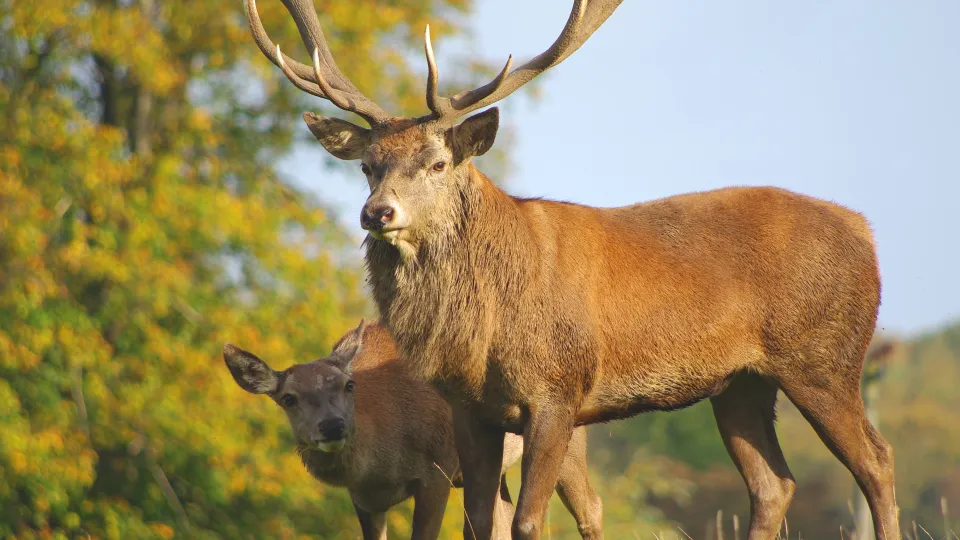
Standing proud and tall, the red deer is our largest deer. With its massive antlers, it is an unmistakeable icon of the Scottish Highlands, but can be seen in northwest and southern England, too.
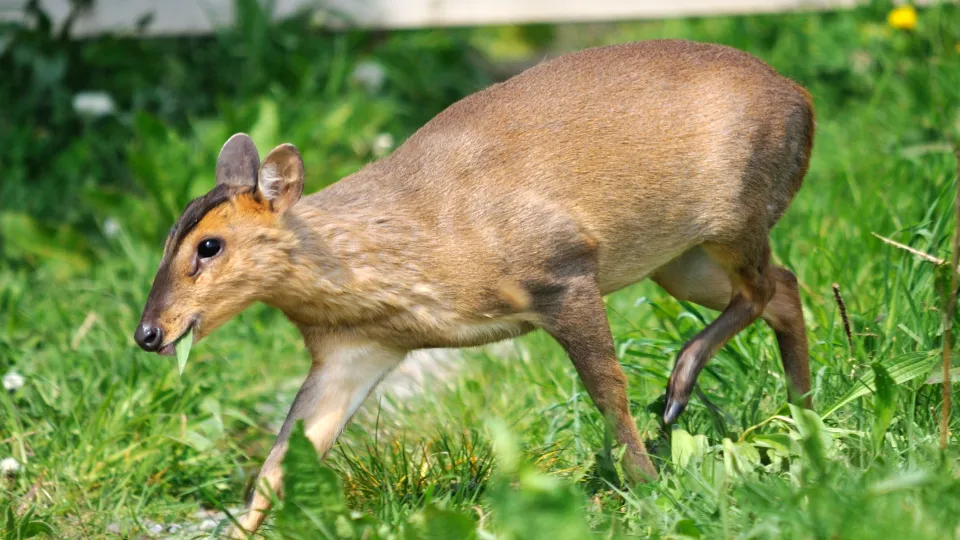
The muntjac deer was introduced into the UK from China in the 20th century. It has gained a stronghold in southeast England, where it can cause damage to our woods through browsing.
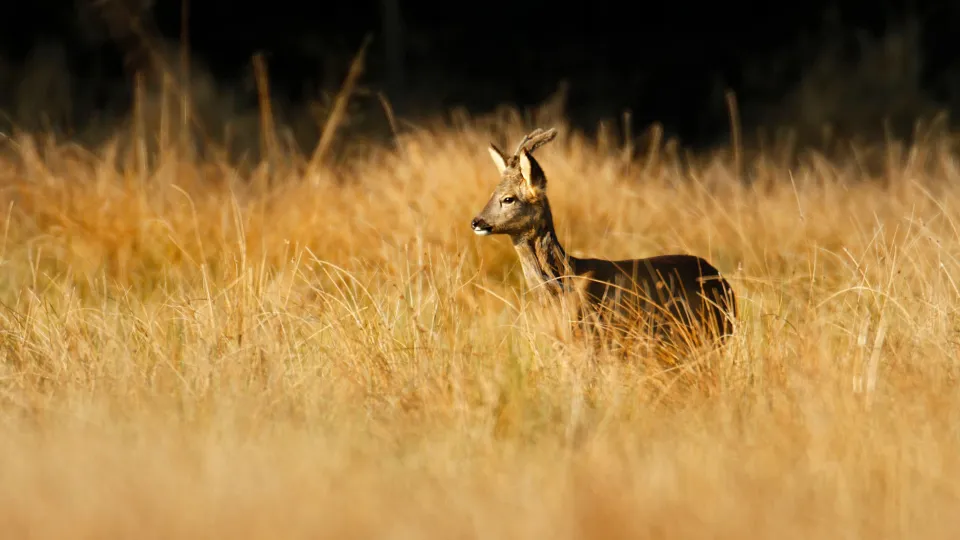
The attractive roe deer is native to the UK and widespread across woodland, farmland, grassland and heathland habitats. Look for its distinctive pale rump and short antlers.
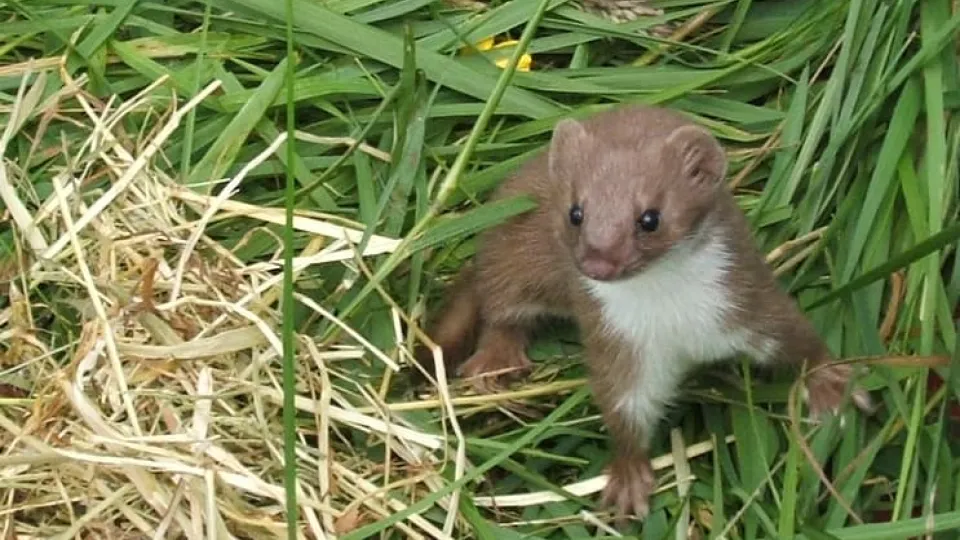
Weasels may look adorable, but they make light work of eating voles, mice and birds! They are related to otters and stoats, which is obvious thanks to their long slender bodies and short legs.
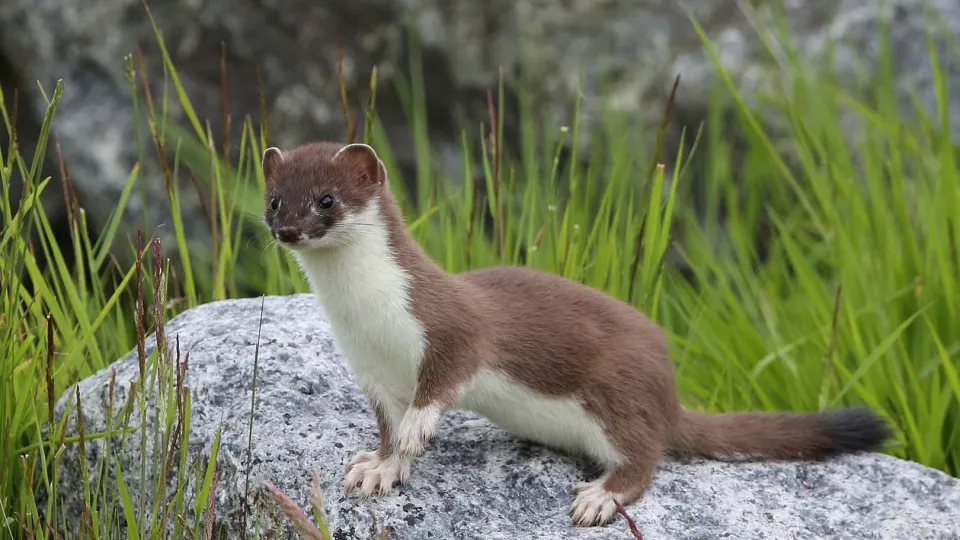
The stoat is a small mustelid, related to the weasel and otter. It has an orange body, black-tipped tail and distinctive bounding gait. Spot it on grassland, heaths and in woodlands across the UK.