
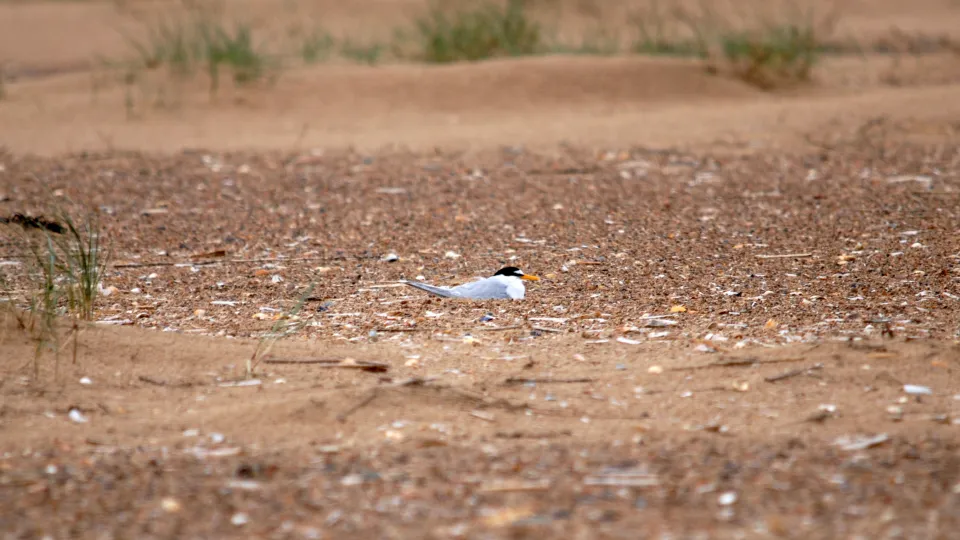
Little tern
Found around our coasts during the breeding season, the little tern is a diminutive seabird. Despite its size, it performs remarkable aerial courtship displays.
Found around our coasts during the breeding season, the little tern is a diminutive seabird. Despite its size, it performs remarkable aerial courtship displays.
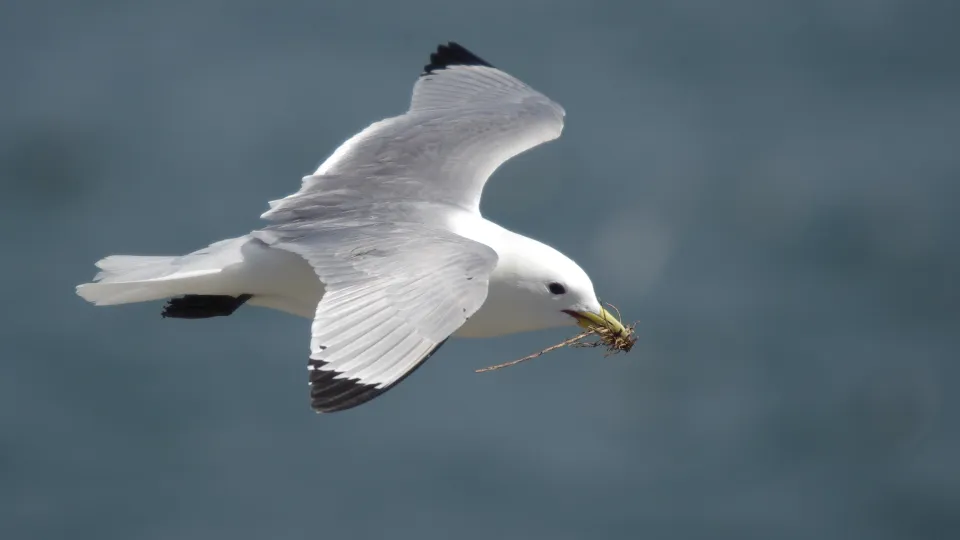
A pretty, little gull, the kittiwake can be spotted nesting in colonies on clifftops and rock ledges around the UK's coast. It spends the winter out at sea.
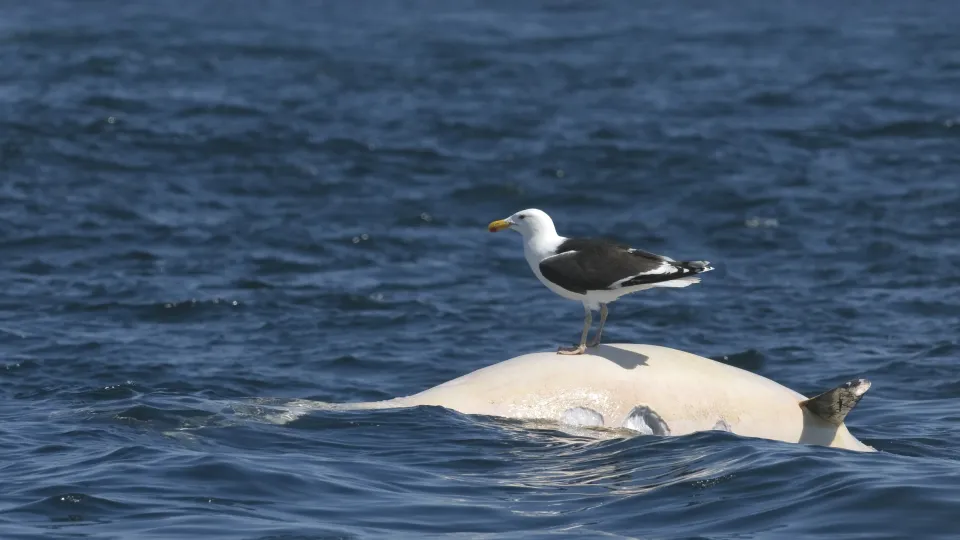
This huge gull can be seen around most of the UK's coasts in summer, with some venturing inland in winter.
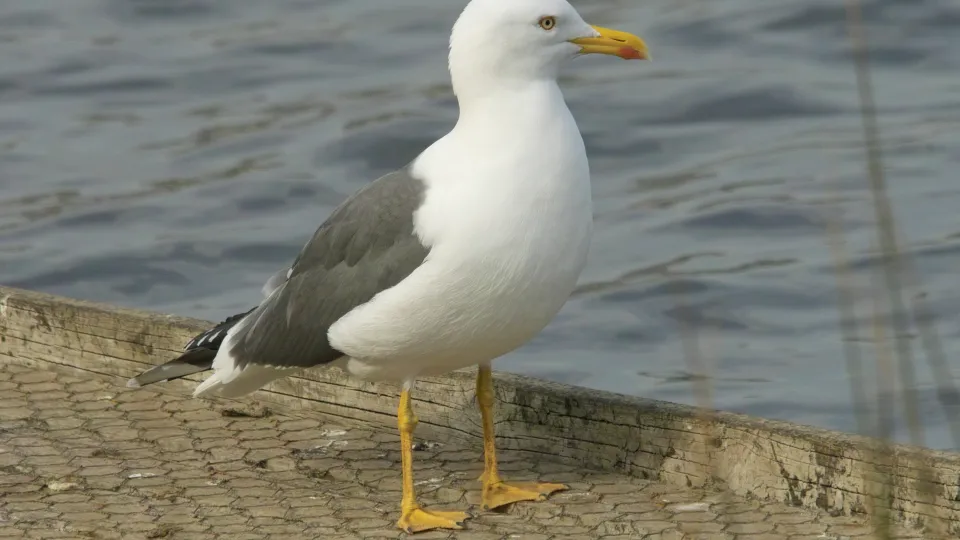
The lesser-black backed gull can be spotted around the coast in summer, with the biggest colony on Walney Island, Cumbria. Look for it over fields, landfill sites and reservoirs during winter.
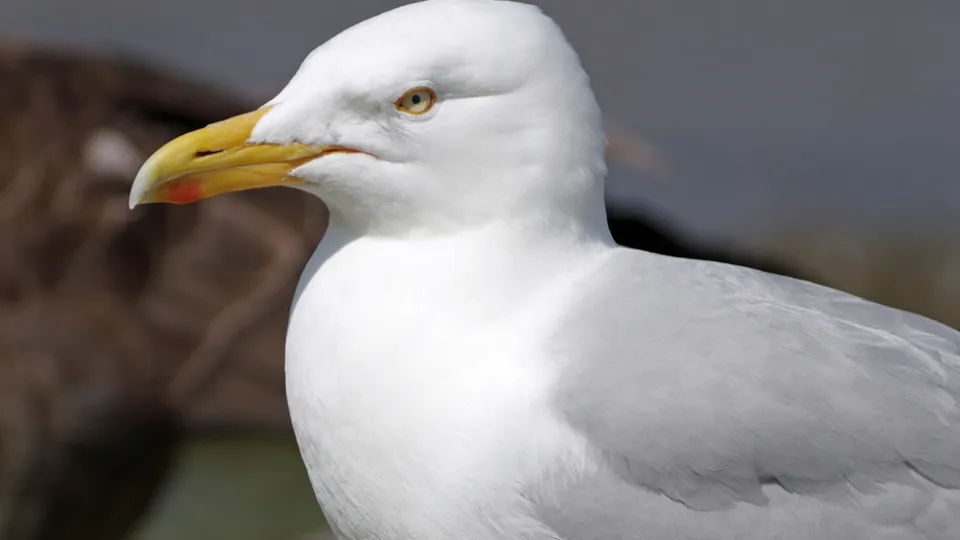
The herring gull is the typical 'seagull' of our seaside resorts, though our coastal populations have declined in recent decades.
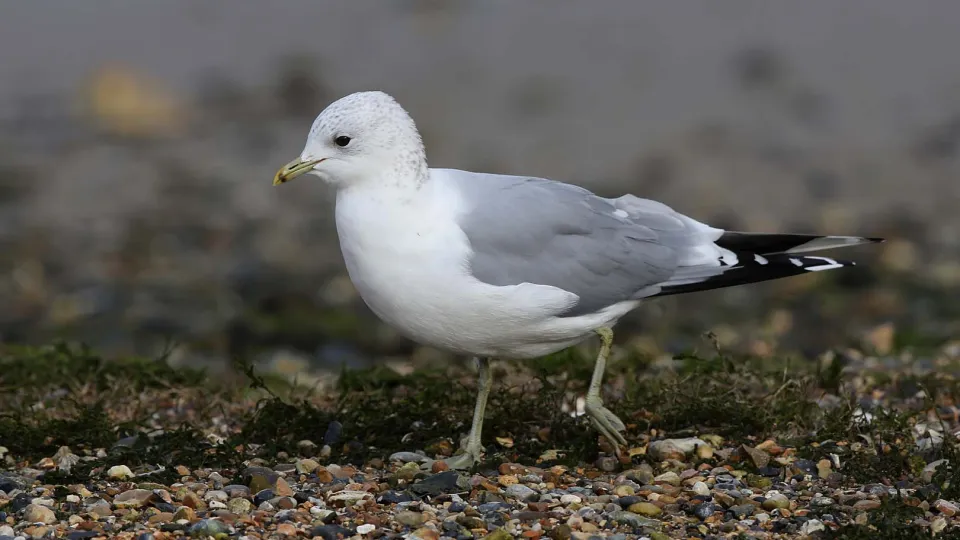
Despite its name, the common gull is not as common as some of our other gulls. It can be spotted breeding at the coast, but is also partial to sports fields, landfill sites and housing estates in winter.
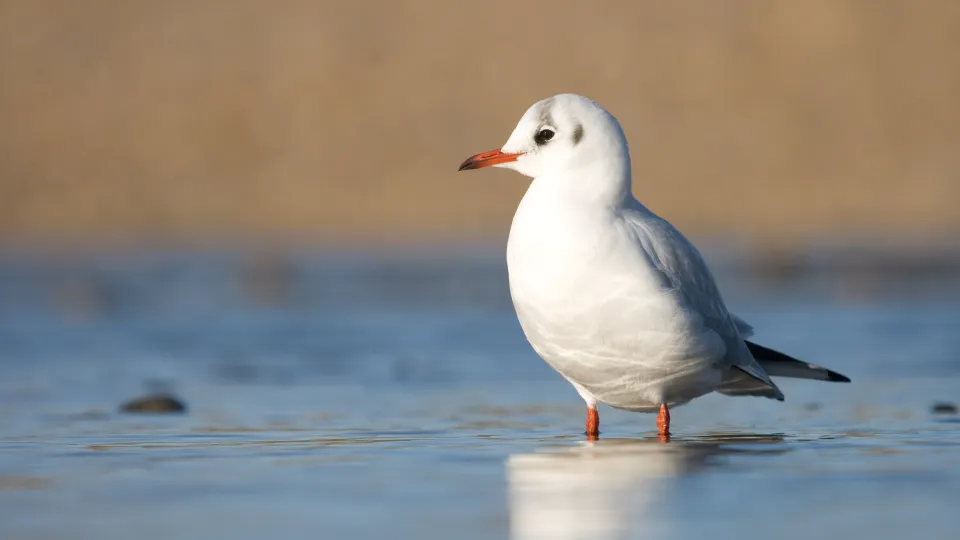
The black-headed gull is actually a chocolate-brown headed gull! And for much of the year, its head even turns white. Look out for it in large, noisy flocks on a variety of habitats.
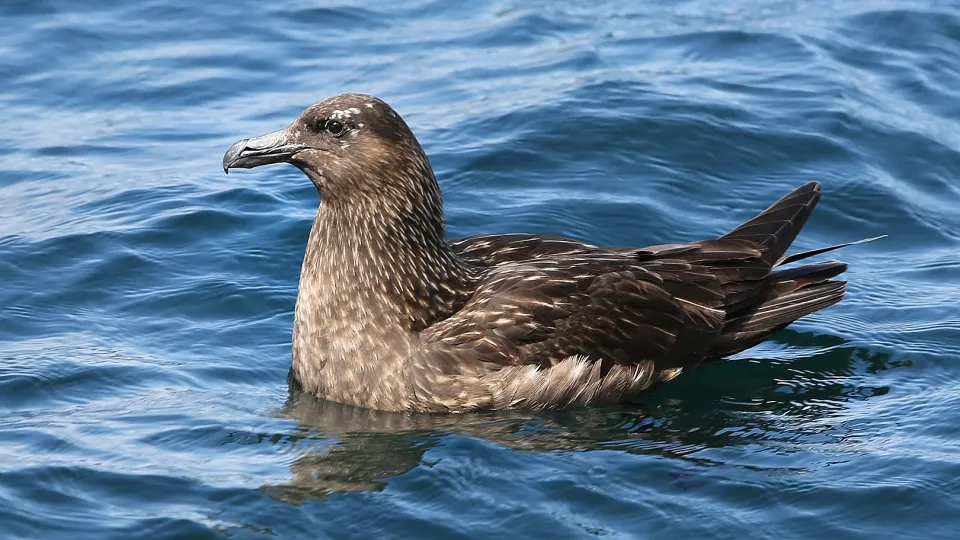
A fierce pirate of the sea, the great skua is renowned for stealing fish from other seabirds and dive-bombing anyone that comes near its nests. It breeds on the Scottish Isles.
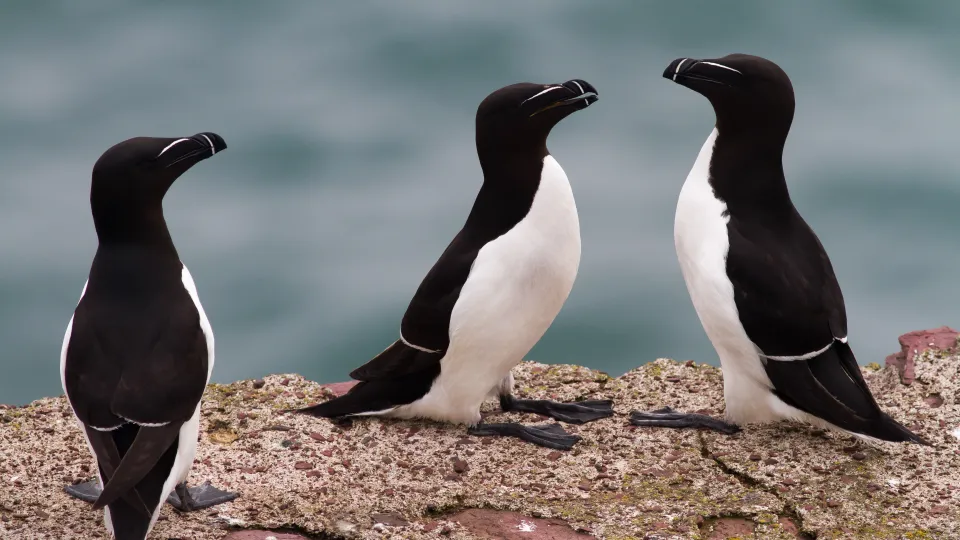
The razorbill has a characteristically thick, black bill, with a white stripe across it. It nests with other seabirds, such as guillemots, but prefers the lower ledges and rocky bottoms of cliffs and deep ravines.
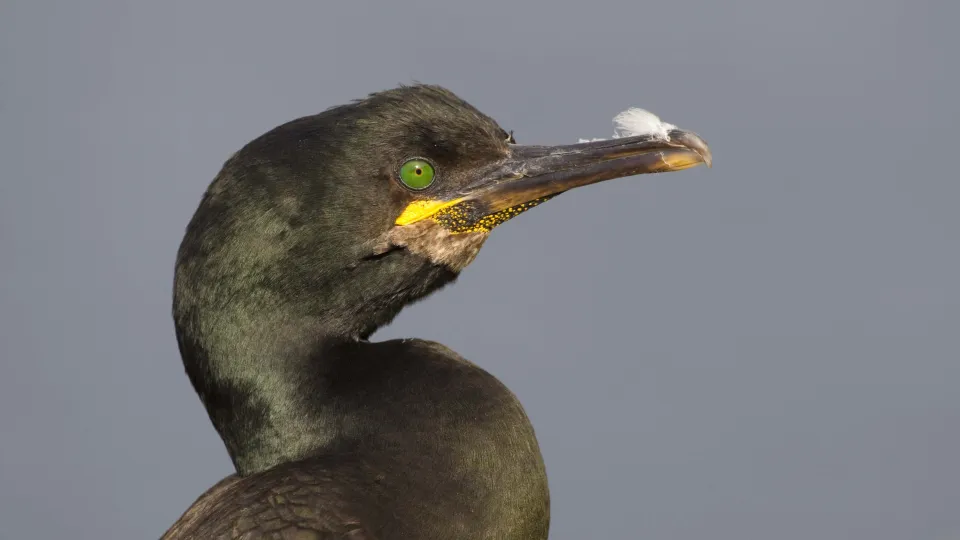
Shag' is a very old name that means 'tufted' and refers to the small crest that this bird sports. Look out for it in spring and summer either diving for fish from the surface of the sea or nesting on coastal cliffs.