El Niño: What could it mean for Kent’s wildlife?
You may have heard about the unusually strong El Niño developing in the Pacific Ocean. But what exactly is it? And what could it mean for wildlife and wild places in Kent?
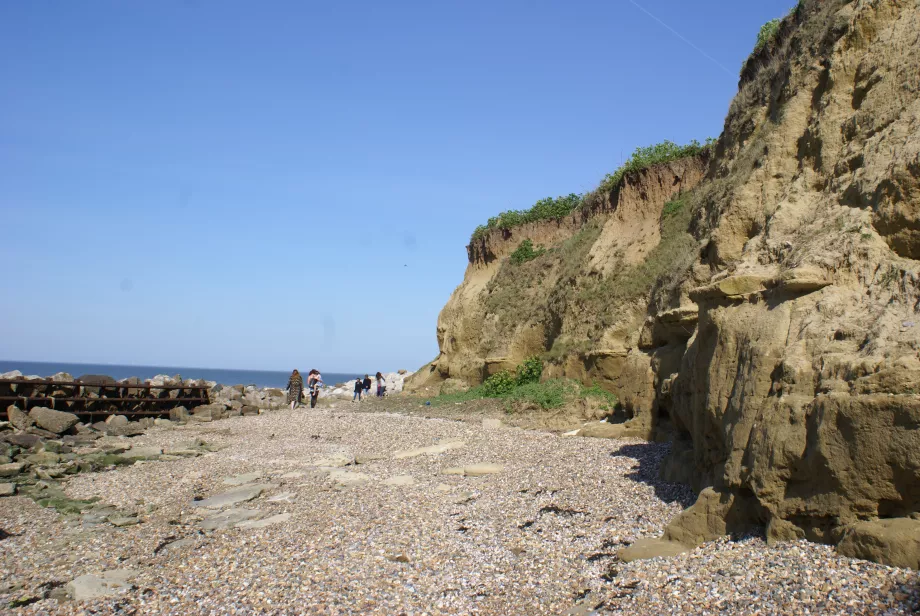
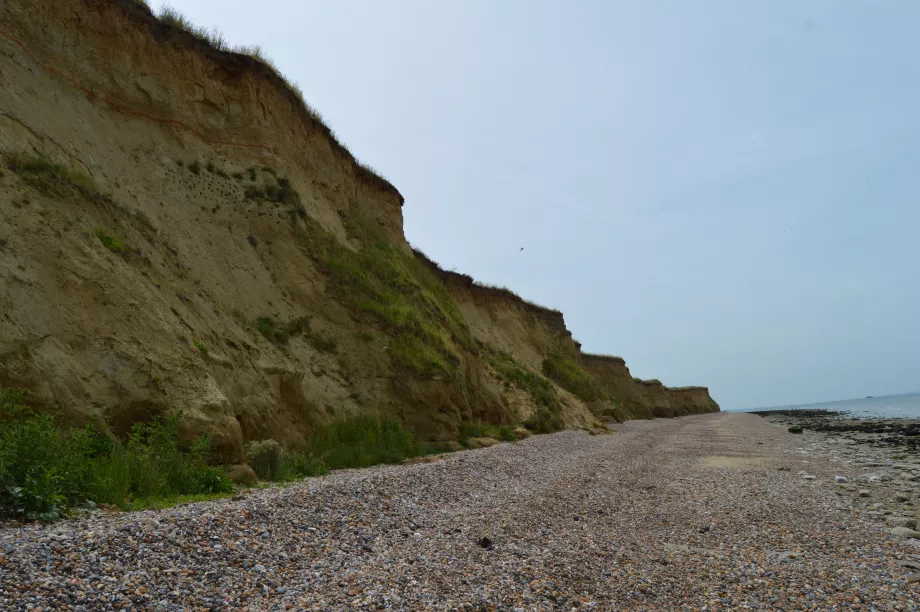
Cliffs and beach at Reculver. Cliffs and beach at Reculver
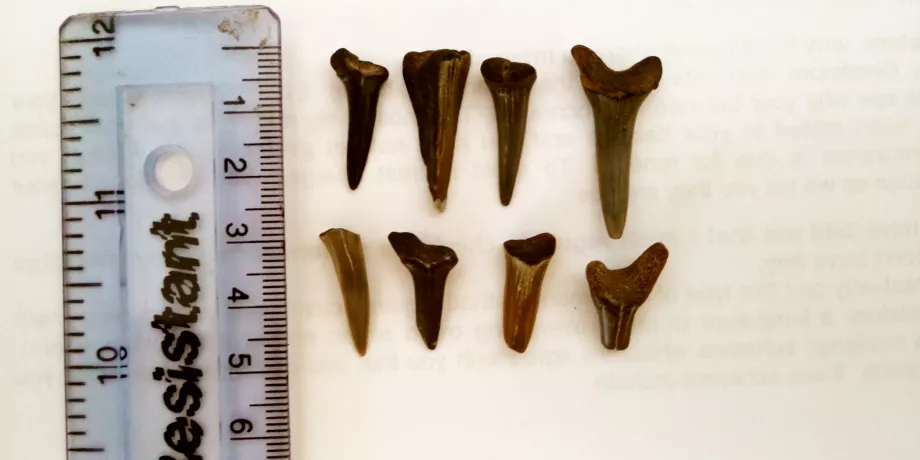
Fossilised sharks teeth found on Reculver beach
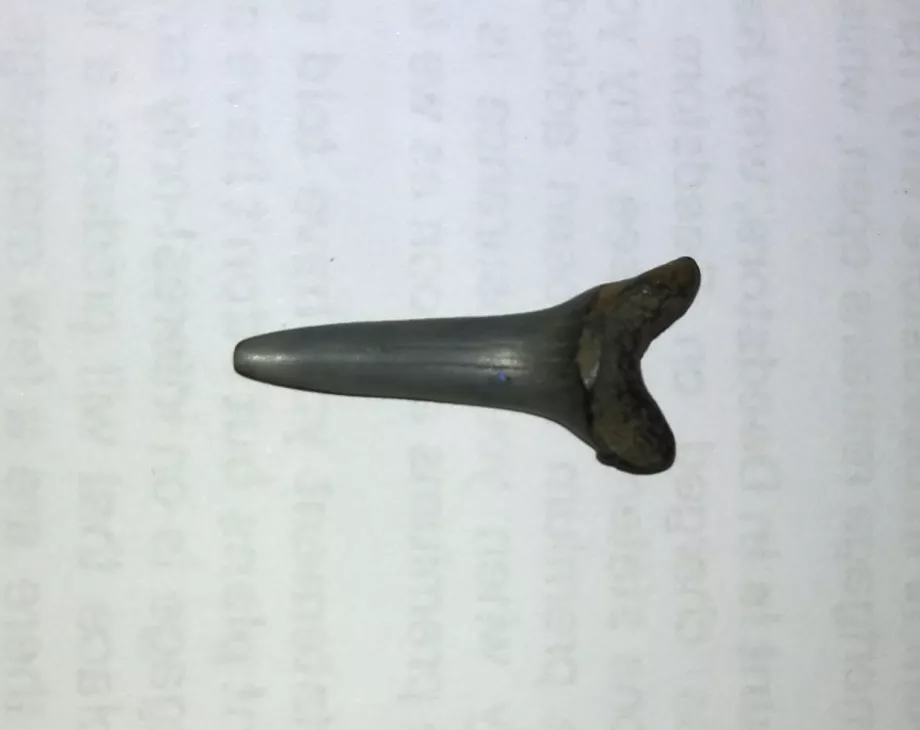
Below the cliffs, in the fine shingle (which looks a lot like pea gravel) the eagle-eyed can pull out 55 million-year-old sharks’ teeth.
It takes some persistence, but you need to be on the lookout for anything dark black. This photo shows our most recent haul and there are some real beauties to be had.
Shark tooth fossil
Please do not dig in the cliffs for fossils: they are safe as they stand, but the sands can collapse without warning The fossils are continually being washed out of the rock beds, so you will find some.
Afterwards, a continued walk along the beach will eventually lead to a return journey along the top of the cliff. Some outstanding views can be had so do take some binoculars.
Finally, if you really want to tire the kids out a little bit more, there is a great new play park next to the car park. There is a café, HatHats or for a longer afternoon, a pub The King Ethelbert. We have eaten at the pub a few times and can recommend.
Do let Kent Wildlife Trust know about your finds this summer by sharing with us on social media.
You may have heard about the unusually strong El Niño developing in the Pacific Ocean. But what exactly is it? And what could it mean for wildlife and wild places in Kent?
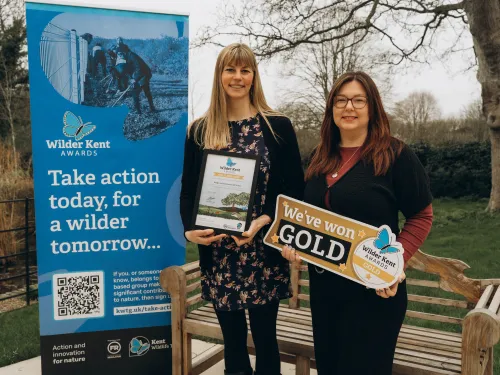
Bridge and Patrixbourne CEP School's gold Wilder Kent Award is an impressive achievement, with 1,000+ trees planted, Forest School for every pupil, and biodiversity research presented at the Royal Society.
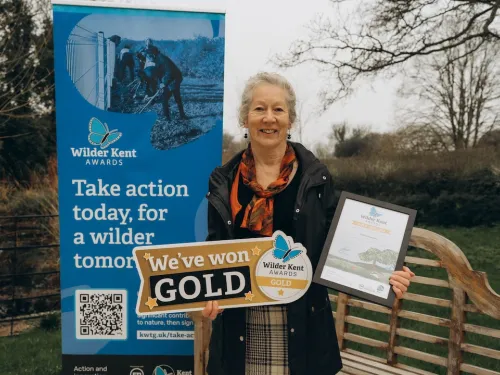
Invicta Sun Club was awarded Gold in the Community Group category at the Kent Wilder Awards, recognising years of dedicated ecological and environmental work.