
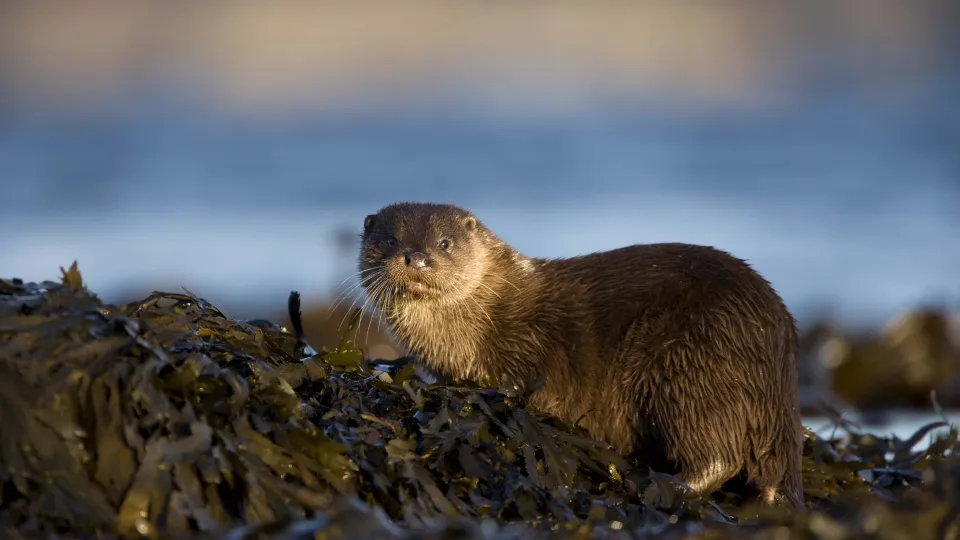
European otter
The sinuous otter is an excellent swimmer and can be seen hunting in wetlands, rivers and along the coast - try the west coast of Scotland, West Wales, the West Country or East Anglia for the best views.
The sinuous otter is an excellent swimmer and can be seen hunting in wetlands, rivers and along the coast - try the west coast of Scotland, West Wales, the West Country or East Anglia for the best views.
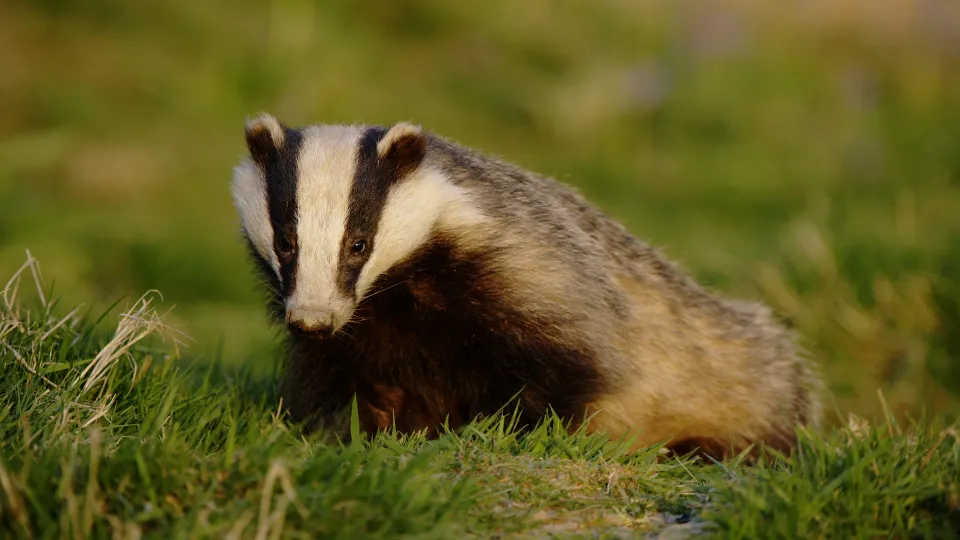
Badgers are the UK’s largest land predator and are one of the most well-known British species. They are famed for their black and white stripes and sturdy body, using their strong front paws to dig for food and to perfect their hobbit-like burrows, called ‘setts’.
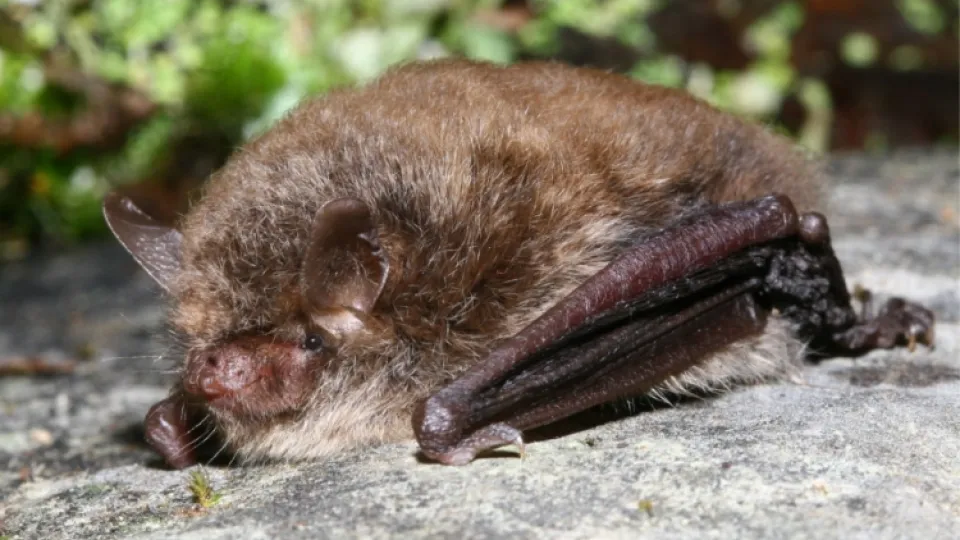
The Alcathoe bat was 'discovered' in the UK in 2010 when it was confirmed as a separate species to the very similar whiskered and Brandt's bats. Little is known about its range and habits, but it can be found in wooded areas.
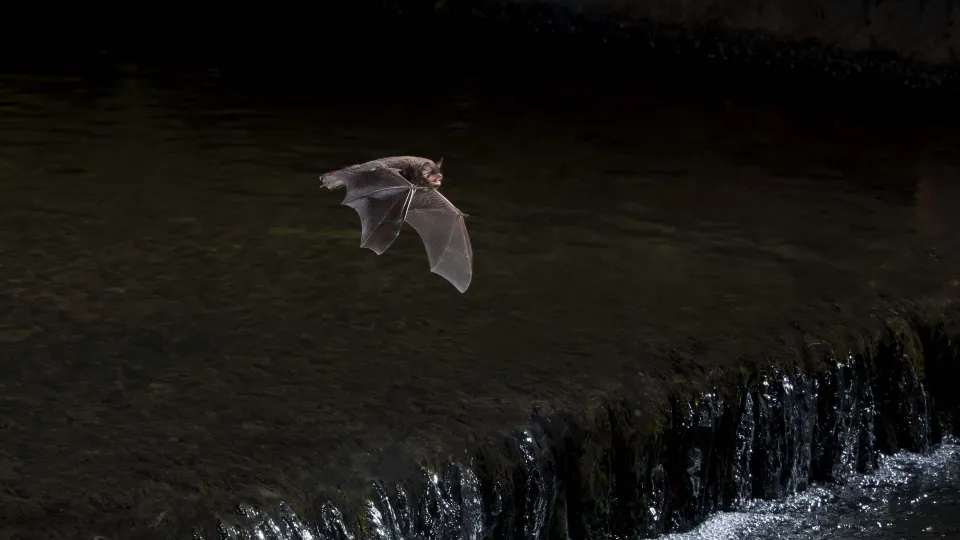
Look out for the Daubenton's bat foraging over wetlands across the UK at twilight. Its flight is fast and agile as it skims the water's surface for insect-prey.
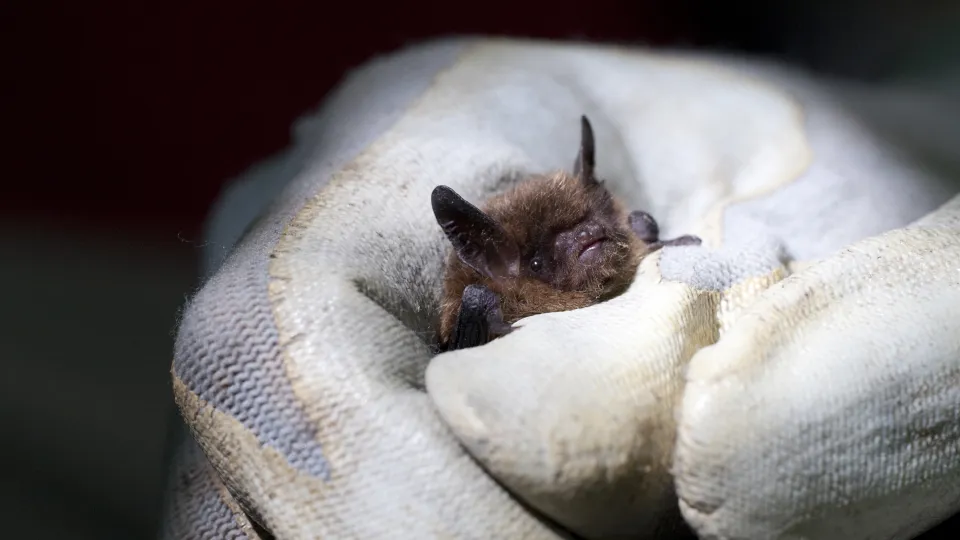
The small, shaggy-furred Brandt's bat roosts in all sorts of houses, old or modern. It is similar to the whiskered bat and they often roost together, but in separate colonies. It feeds low to the ground in woodland and near water.
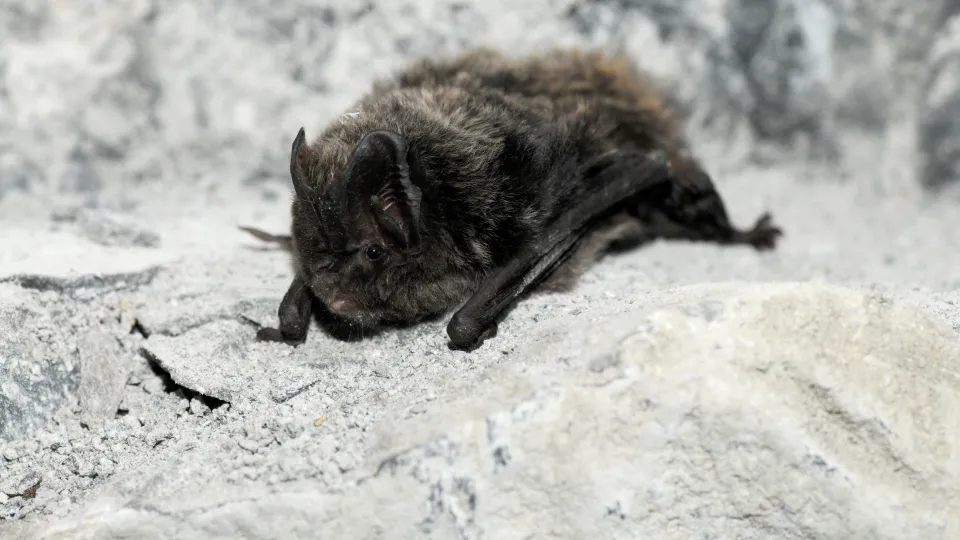
The barbastelle is a scarce bat that lives in woodland and forages over a wide area. It has a distinctive 'pug-like' appearance because of its upturned nose.
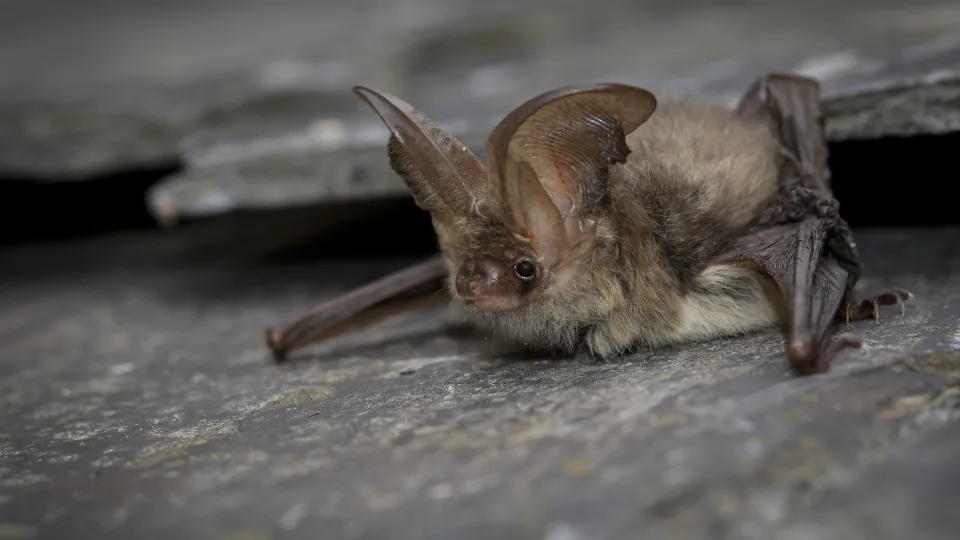
The brown long-eared bat certainly lives up to its name: its ears are nearly as long as its body! Look out for it feeding along hedgerows, and in gardens and woodland.
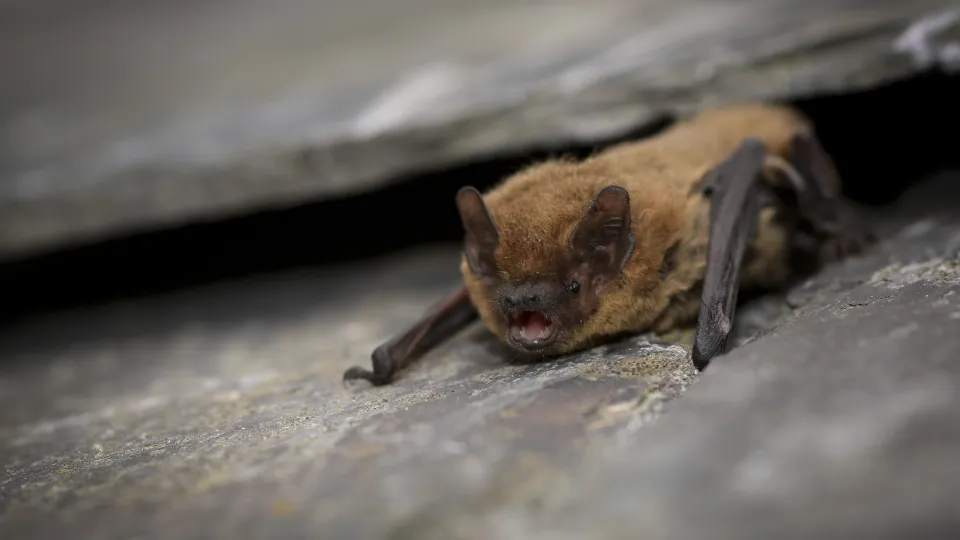
The common pipistrelle is so small, it can fit into a matchbox! Despite its size, it can easily eat 3,000 insects a night: look for it flitting around the garden or a lit lamp post as it chases its prey.
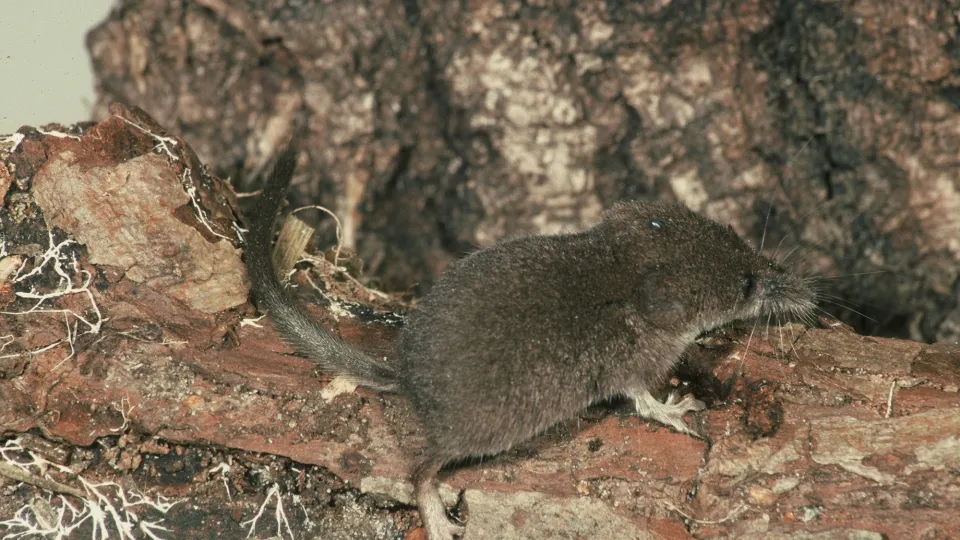
The diminutive pygmy shrew has a distinctively pointy nose and tiny eyes. It lives life in the fast lane, eating every 2-3 hours to survive, and only living for a year or so. Look out for it in the garden.
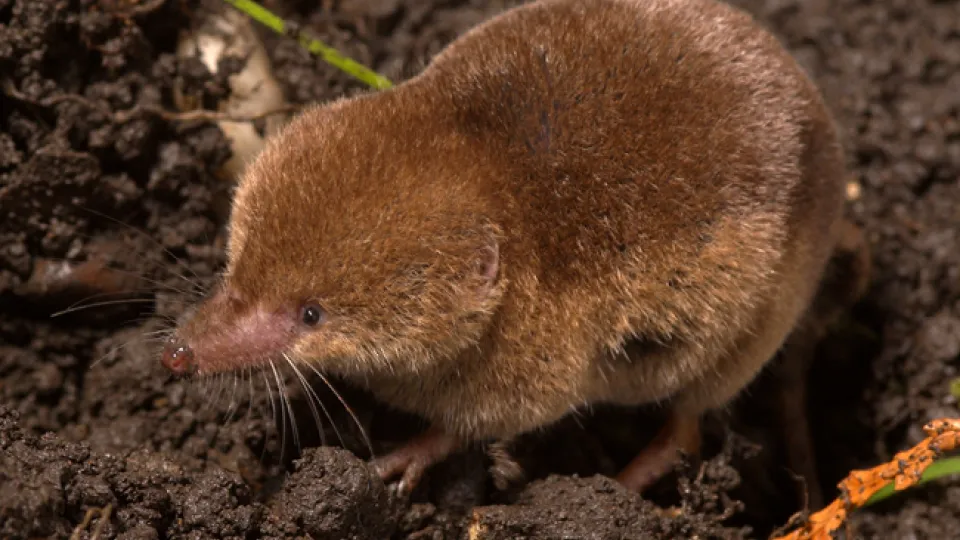
The diminutive common shrew has a distinctively pointy nose and tiny eyes. It lives life in the fast lane, eating every 2-3 hours to survive, and only living for a year or so. Look out for it in the garden.