
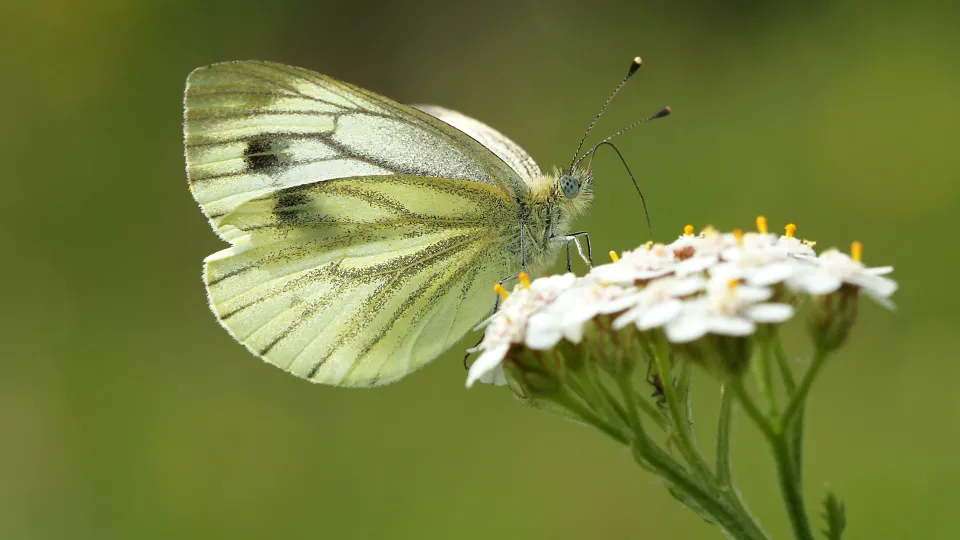
Green-veined white
The green-veined white is a common butterfly of hedgerows, woodlands, gardens and parks. It is similar to other white butterflies, but has prominent green stripes on the undersides of its wings.
The green-veined white is a common butterfly of hedgerows, woodlands, gardens and parks. It is similar to other white butterflies, but has prominent green stripes on the undersides of its wings.
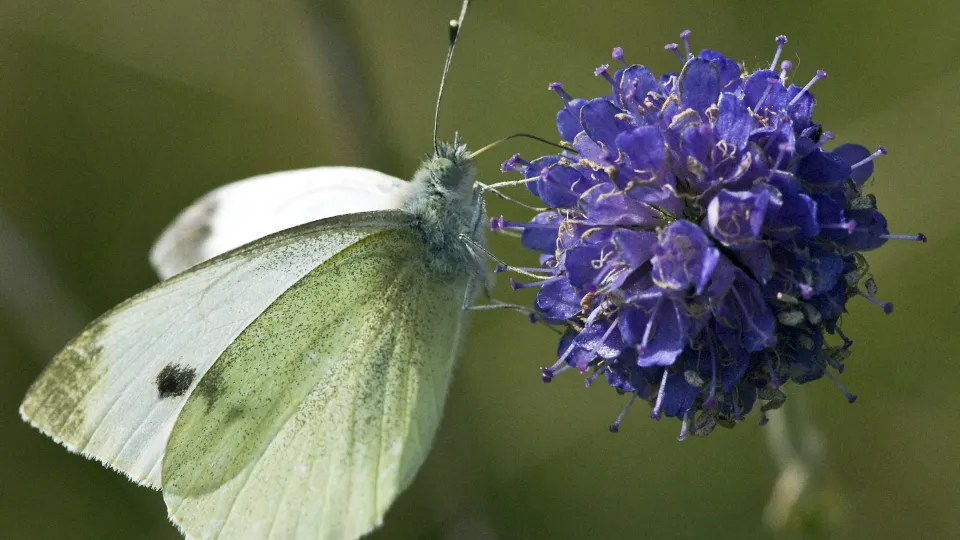
The small white is a common garden visitor. It is smaller than the similar large white, and has less black on its wingtips.
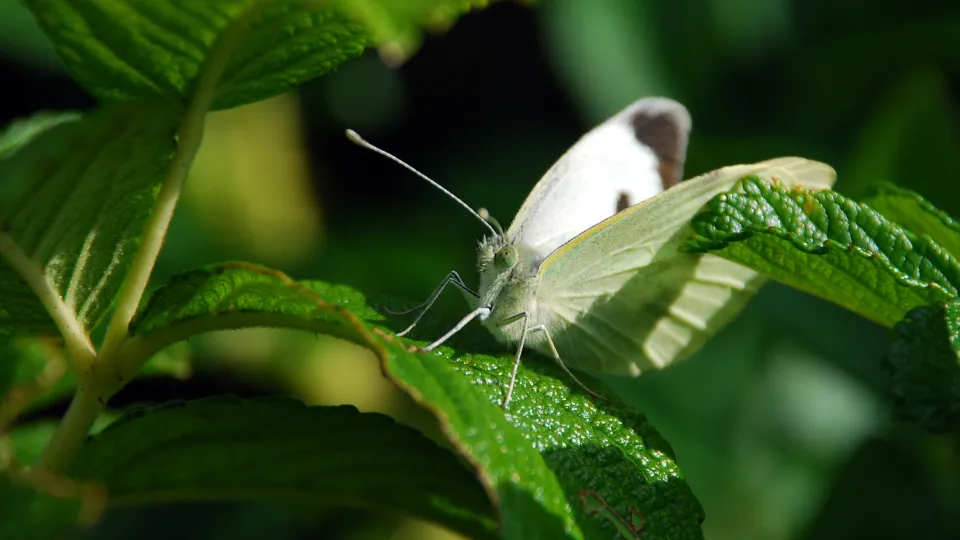
The large white is a common garden visitor - look out for its brilliant white wings, tipped with black.
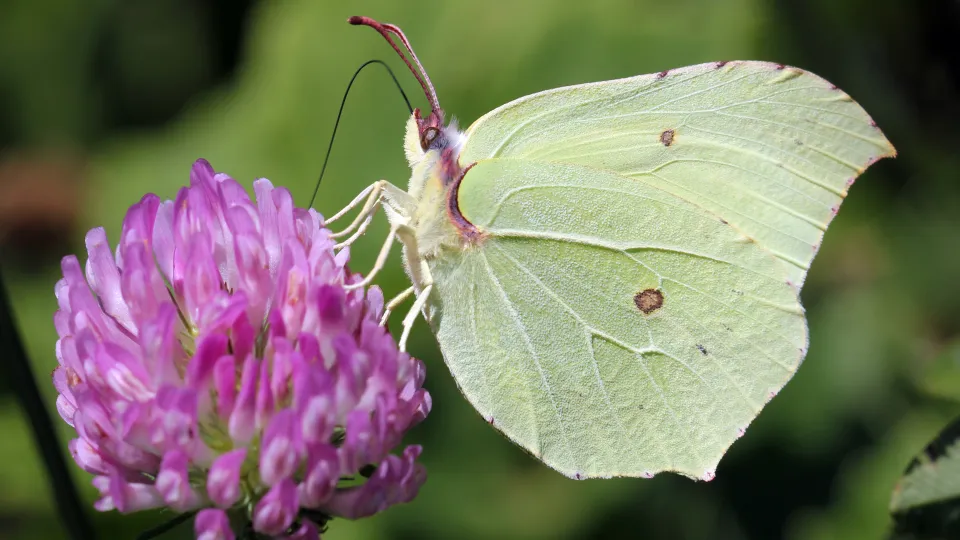
One of the joys of a spring day is watching a fluttering, lemon-yellow brimstone alight on a flower - an early sign that the seasons are changing. It is commonly spotted in gardens, woodland and parks.
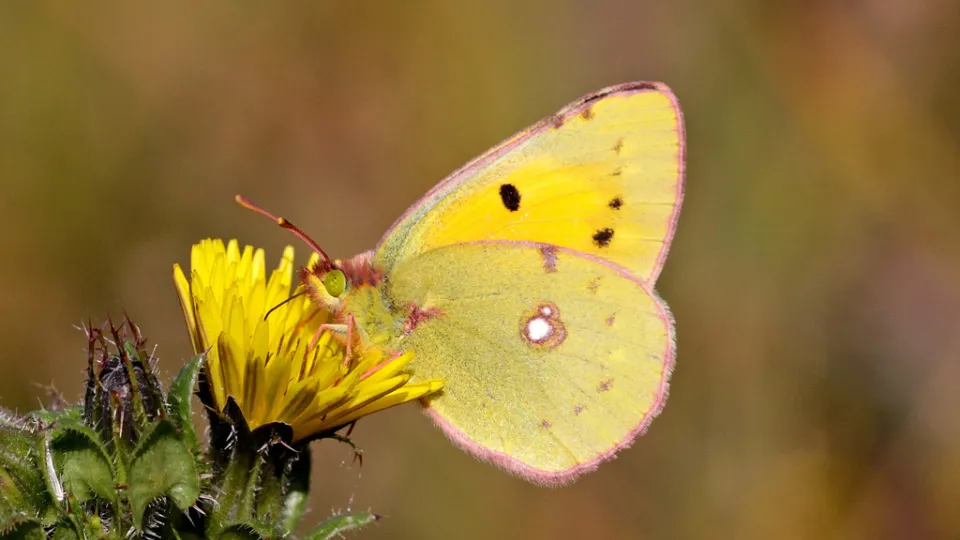
The clouded yellow is a migrant that arrives here from May onwards. Usually, only small numbers turn up, but some years see mass migrations. It prefers open habitats, particularly chalk grassland.
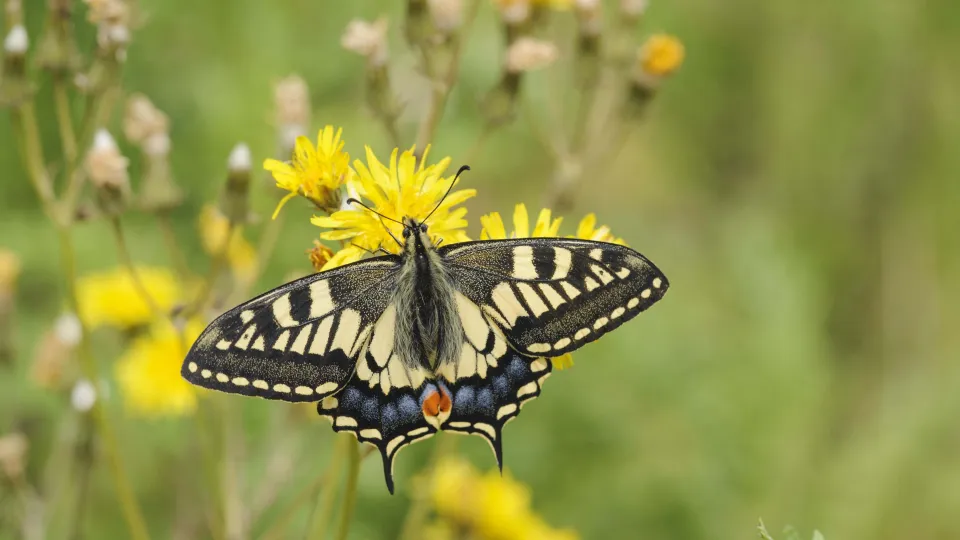
The exotic and beautiful swallowtail is the UK's largest butterfly. A strong flier, residents can be spotted over wetlands in Norfolk during summer. Migrants occasionally appear in southern England.
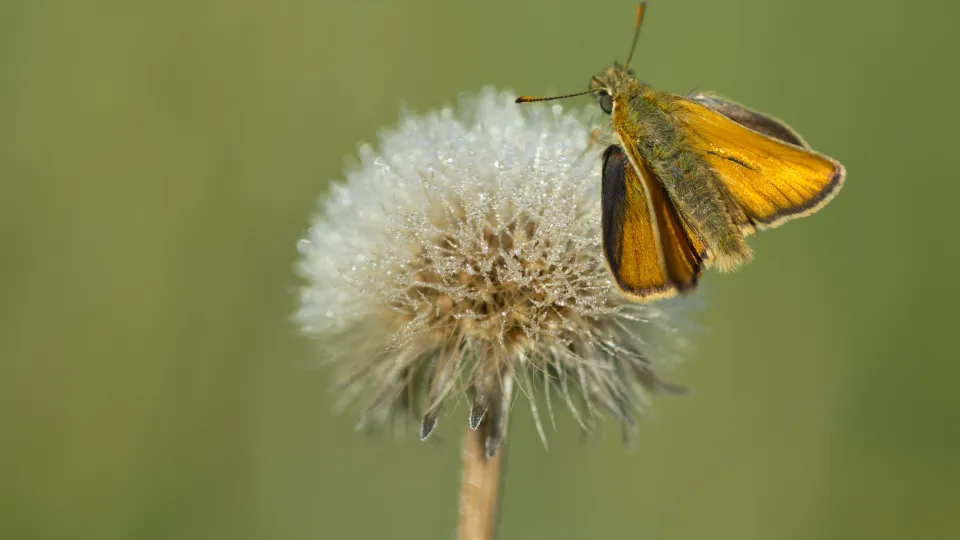
Often found basking on tall grasses, or buzzing between stems, the small skipper is a small, orange butterfly. It prefers rough grassland, verges and woodland edges.
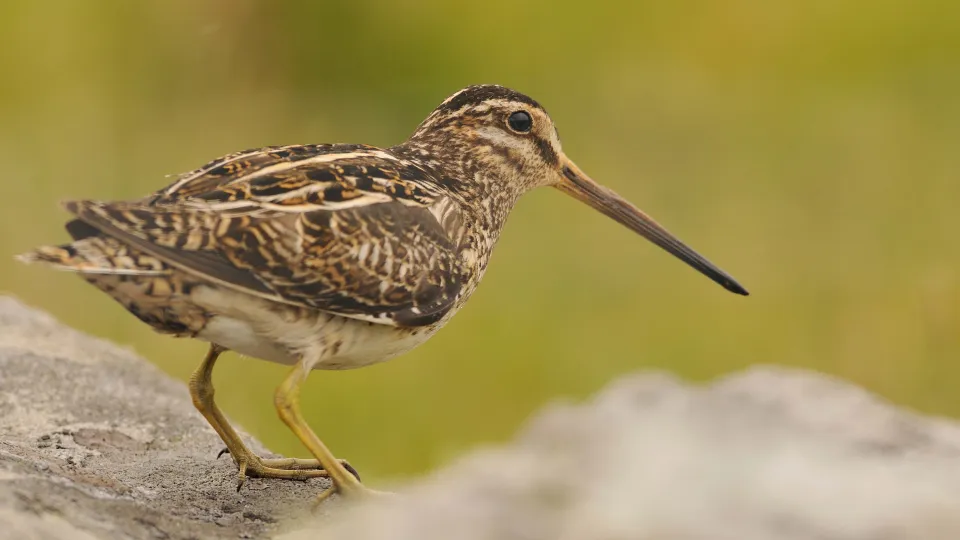
Listen out for the 'drumming' sound of a male snipe as it performs its aerial courtship display. It's not a call, but actually its tail feathers beating in the wind. Snipe live on wet grassland, marshes and moorlands throughout the UK.
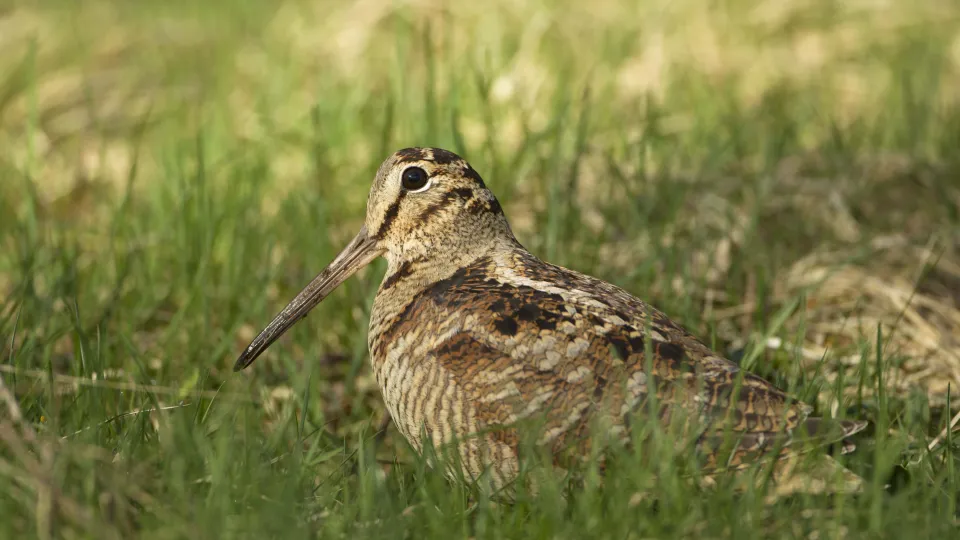
Sometimes known as the snipe of the woods, the exquisitely camouflaged woodcock is mainly nocturnal, hiding in the dense undergrowth of woodlands and heathlands during the day.
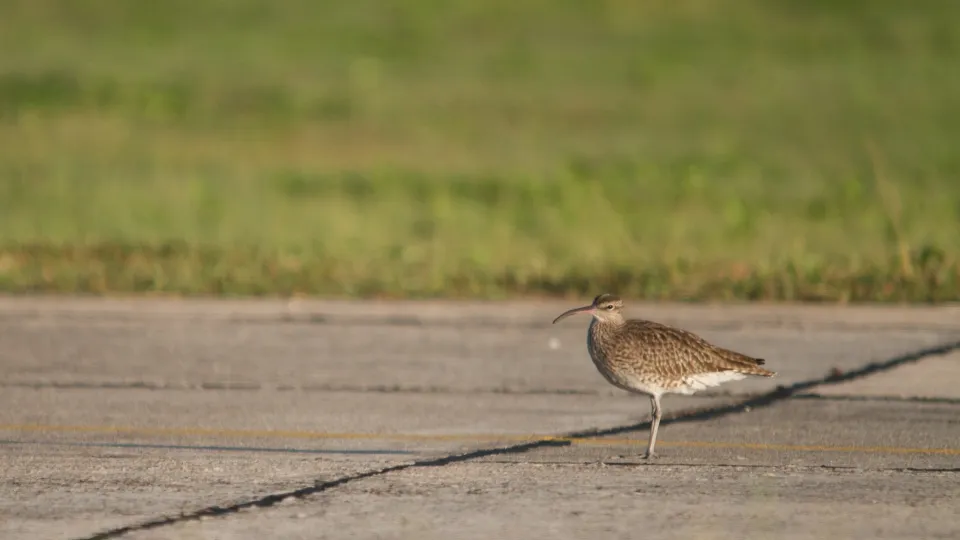
The whimbrel is very similar to the curlew, but a little smaller and with a striking face pattern. Its eerie call is a series of seven whistles; listen out for it around the coast as its passes through on migration.