
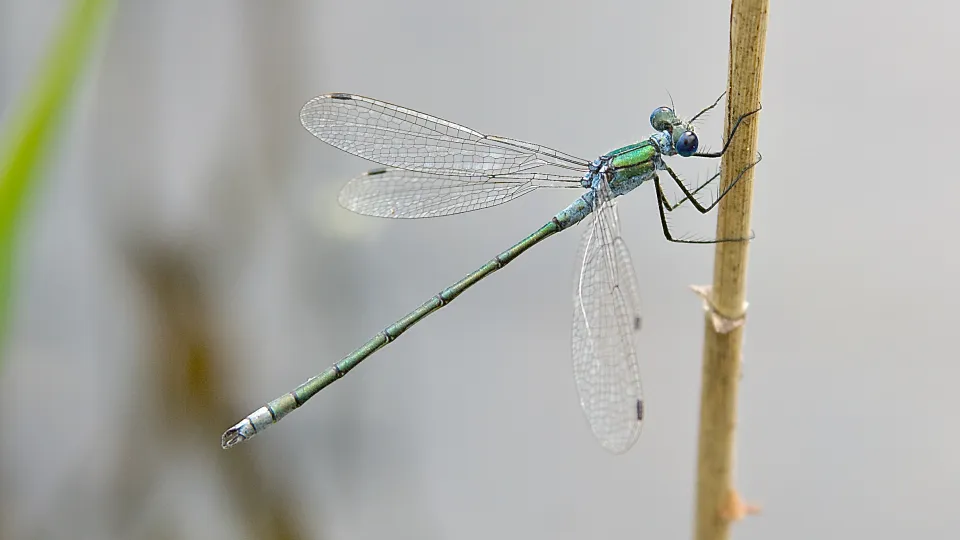
Emerald damselfly
The metallic-green Emerald damselfly can be seen from June to September around ponds, lakes, ditches and canals. Unlike other damselflies, it holds its wings half-open when perched.
The metallic-green Emerald damselfly can be seen from June to September around ponds, lakes, ditches and canals. Unlike other damselflies, it holds its wings half-open when perched.
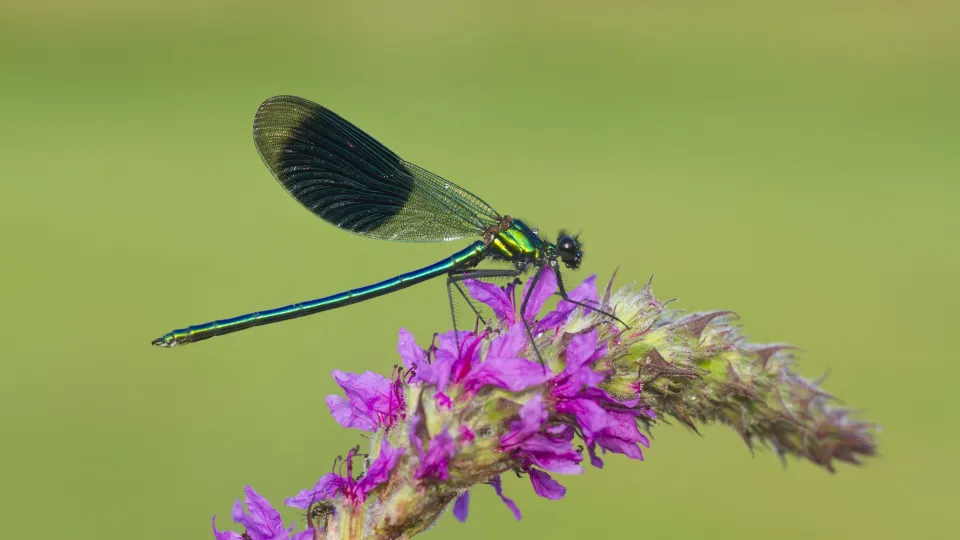
The Banded demoiselle can be seen flitting around slow-moving rivers, ponds and lakes. The males are metallic blue, with a distinctive dark band across their wings, and the females are a shiny green.
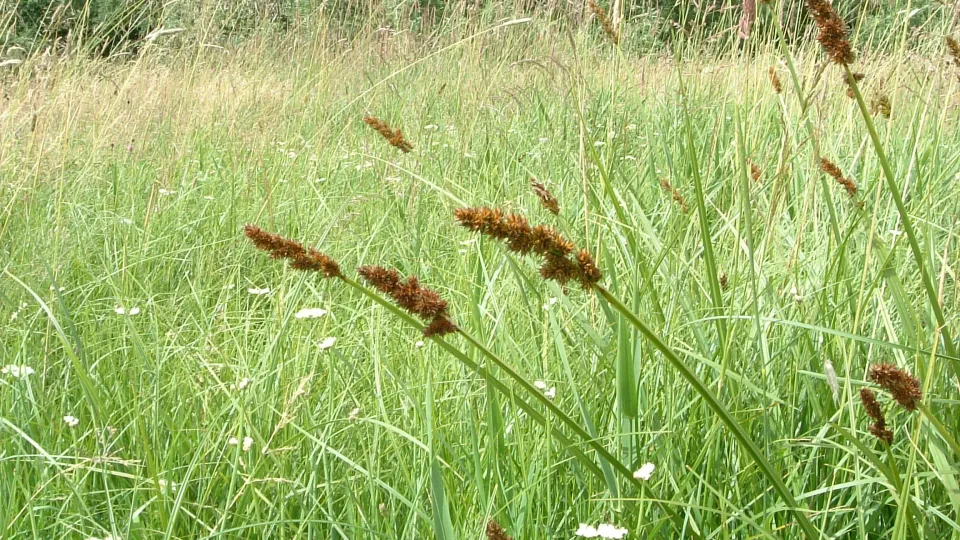
The true fox-sedge is a rare and threatened plant in the UK. It relies on lowland floodplain meadows and damp habitats, which are rapidly disappearing. Look for reddish-brown flowers in summer.
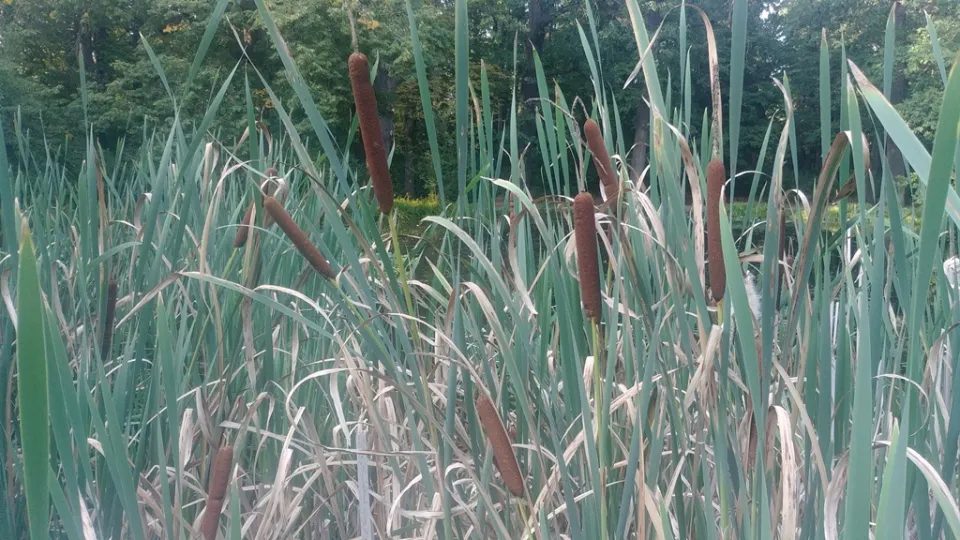
Great reedmace is familiar to many of us as the archetypal 'bulrush'. Look for its tall stems, sausage-like, brown flower heads and green, flat leaves at the water's edge in our wetland habitats.
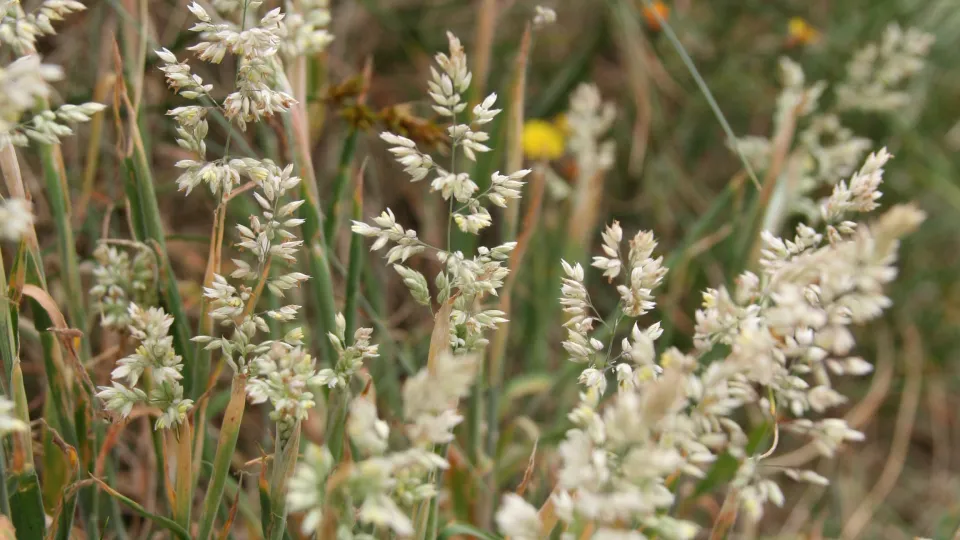
The soft, downy look of Yorkshire-fog makes it an attractive plant, even if it is considered a weed of cultivated land! It is also attractive to the caterpillars of the Small Skipper butterfly as a foodplant.
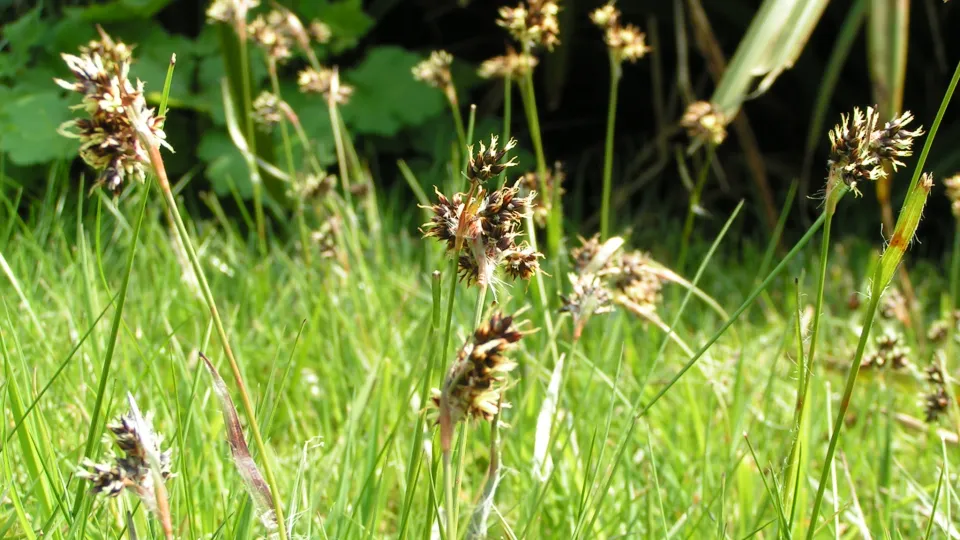
Field wood-rush is a short rush that forms tufts in grassy places, such as lawns, parks and downlands. A defining characteristic is its leaf-like leaves that are fringed with long, white hairs.

As its name suggests, the smooth stems of soft rush are thinner and more flexible than those of hard rush. It forms tufts in wetland habitats like wet woodlands, marshes, ditches and grasslands.
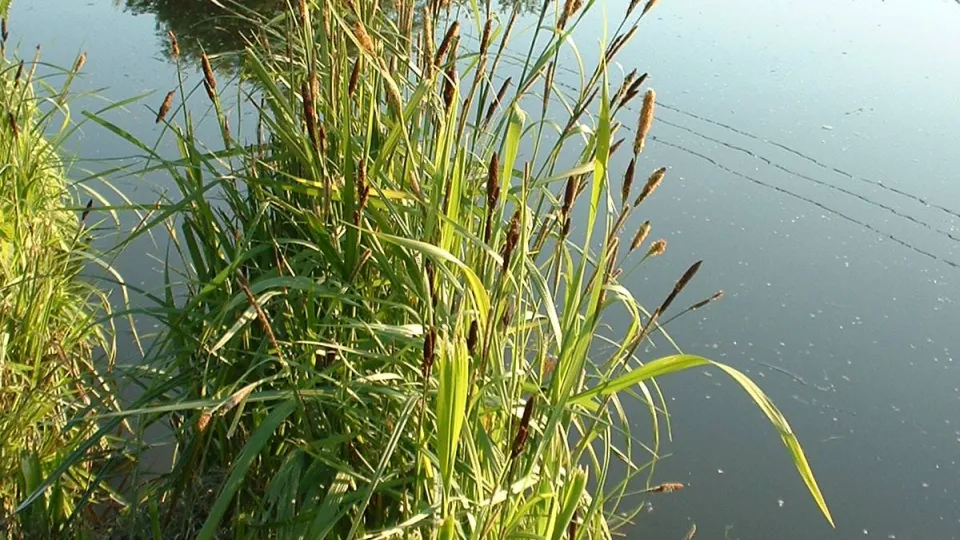
A tussocky sedge, Greater pond sedge has stout, upright flower spikes, strap-like leaves and triangular stems. It prefers lowland wetland habitats on heavy soils.
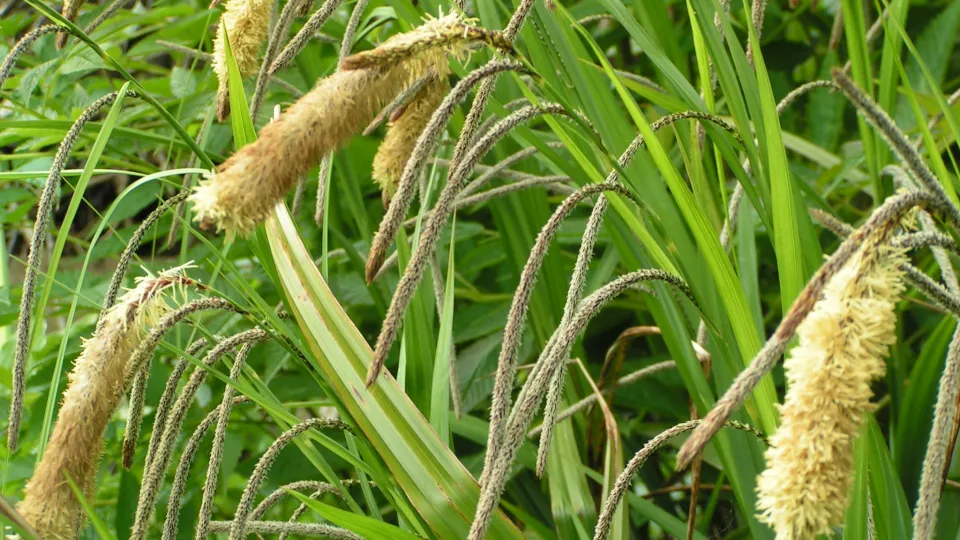
As its name suggests, pendulous sedge has drooping form with long, nodding flower spikes that give it an attractive and soft look. It can be found in wet woodlands and along riversides.

Sand sedge is an important feature of our coastal sand dunes, helping to stabilise the dunes, which allows them to grow up and become colonised by other species.