

On this page...
An outline of the steps to take if you see an injured animal
Specialist advice and numbers to call for different species
General principles for small wild animals
What to do if you see an injured animal
1. At a safe distance, watch for signs of injury or sickness
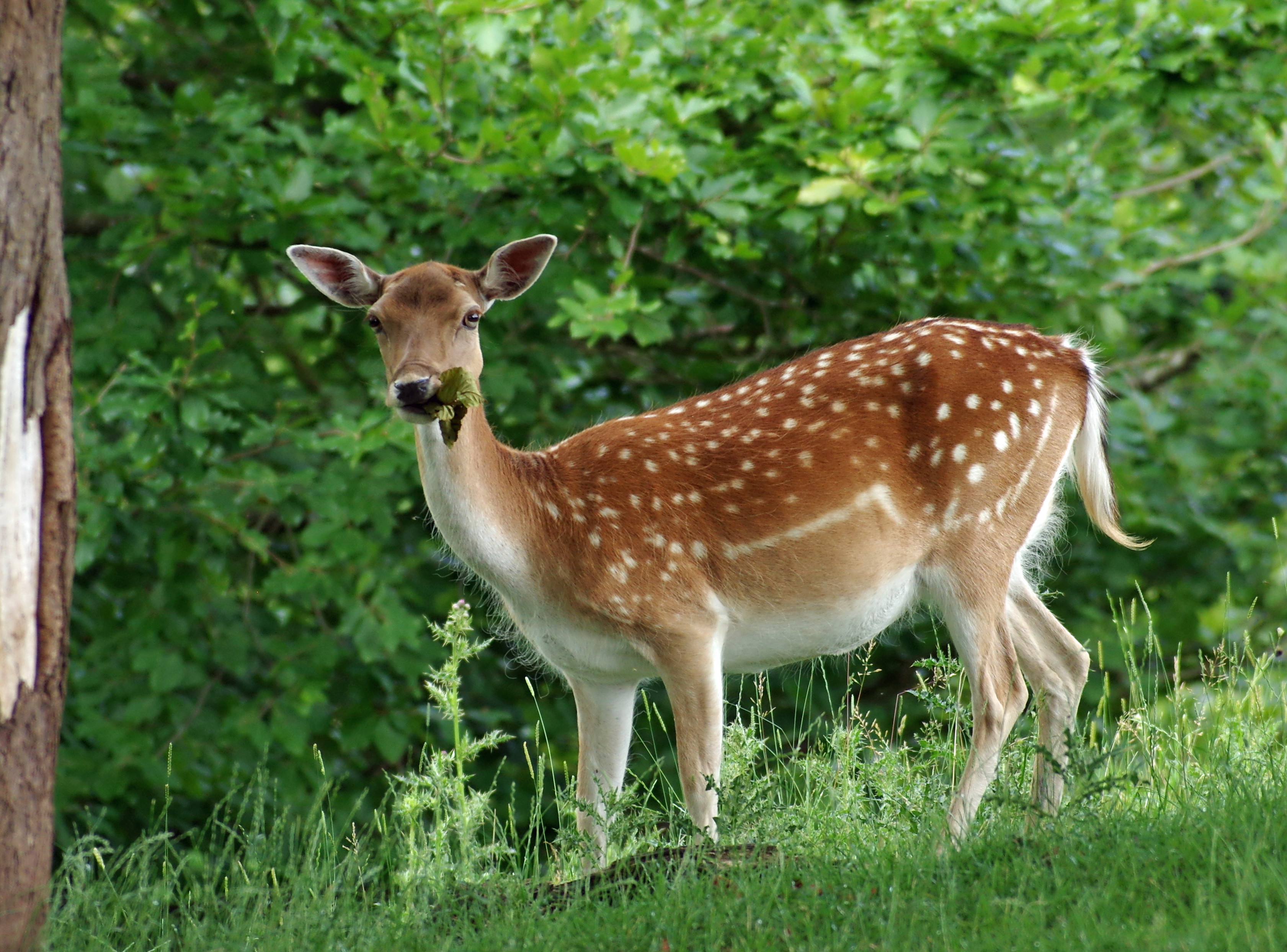
If you’re not sure whether an animal is really injured, your best bet is to back up and watch for a short while. Solitary baby animals may have been left only temporarily as their parent forages food. For example, fawns are often tucked away while their mum feeds, sometimes for several hours.
It’s also worth remembering that animals in the wild - particularly if they’re injured or scared - can be skittish and unpredictable. They can also carry diseases, so picking animals up (especially without gloves) is not advised.
Is the animal visibly limping, bleeding, or unable to move? Then you may need to continue to step number 2.
2. ONLY if it’s safe to do so, get yourself and the animal to a safe place
Some small animals, like injured rodents, can be placed in a warm, quiet place like a plastic box with a towel and breathing holes.
We recommend looking at the RSPCA pages for different types of injured animals for further advice.
3. Report the animal to a local vet or animal rehabilitator
If you’ve determined that the animal is in need of help, you can call your local vet or animal rehabilitator with your location.
Below are some helpful contacts:
- British Divers Marine Life Rescue - for whales, dolphins, or porpoises - 01825 765546
- Kent Wildlife Rescue – for birds, squirrels, hedgehogs, and more - 07824 893399
- Folly Wildlife Rescue Trust - for birds, bats, hedgehogs, foxes, badgers, and more – 01892 543213
- The Retreat Animal Recue - for all animals (farmed, domestic, and wild) - 07720 495238
Scroll further down this page for more species-specific advice and phone numbers across the county.
Whoever you call will be able to advise you on what to do next – in the meantime, the best thing you can do is sit tight out of harm’s way!
Species-specific advice and numbers
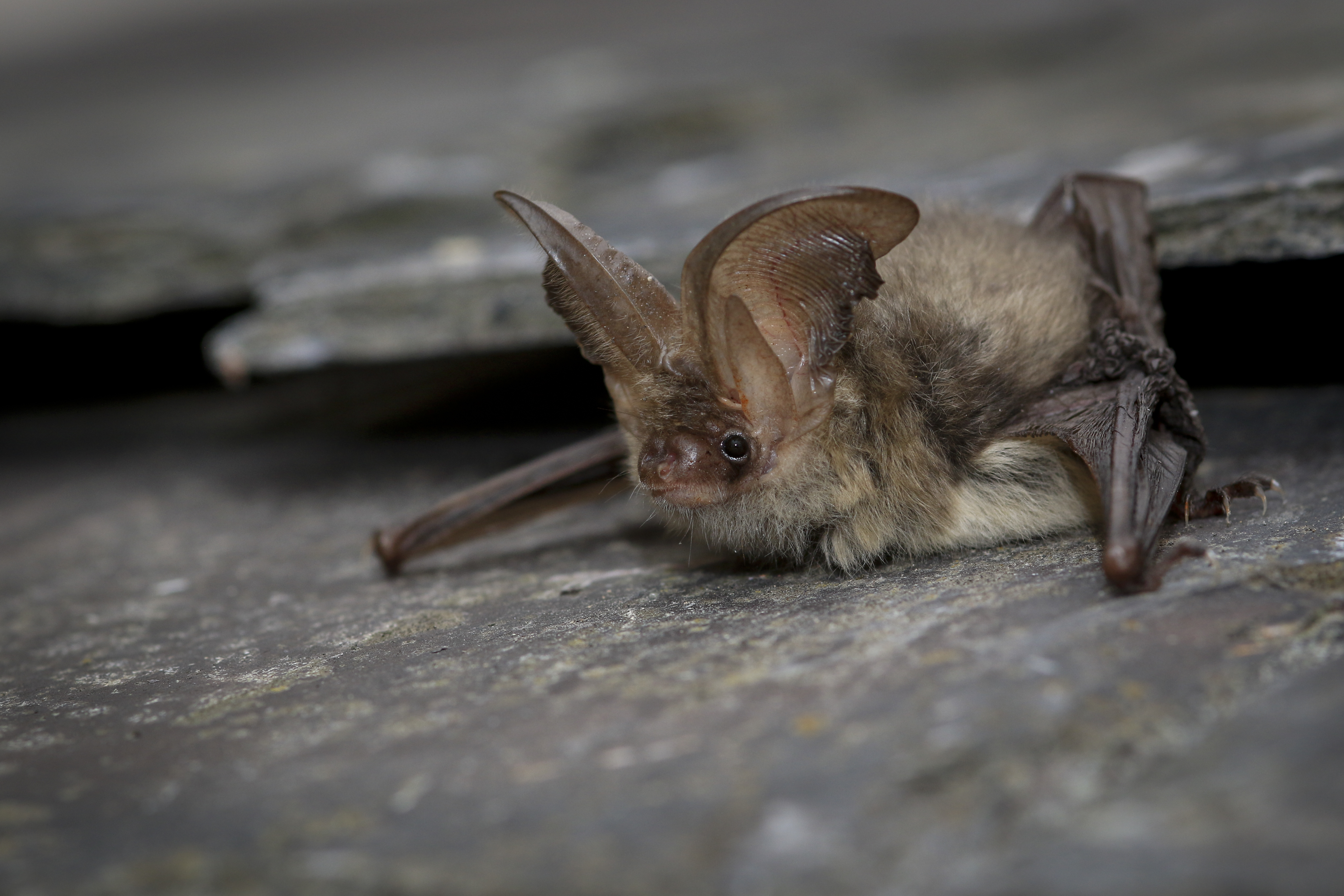
If you find a bat grounded on the floor, or exposed during daylight, treat it as an animal in distress. Wear gloves or use a soft cloth (never handle with bare hands) to gently scoop it into a ventilated box (e.g. a shoebox with small air holes). Line the box with a soft cloth, include a shallow dish of water (e.g. a milk-bottle top), and keep it somewhere quiet, dark and safe from pets or disturbance. Do not attempt to examine or treat wounds yourself, and do not release the bat immediately (especially in daylight) as there may be hidden injuries or the bat may still be weak.
Instead, contact the National Bat Helpline on 0345 1300 228, who can connect you with a volunteer bat carer, or a local animal rescue center – see contact details above.
Hedgehogs
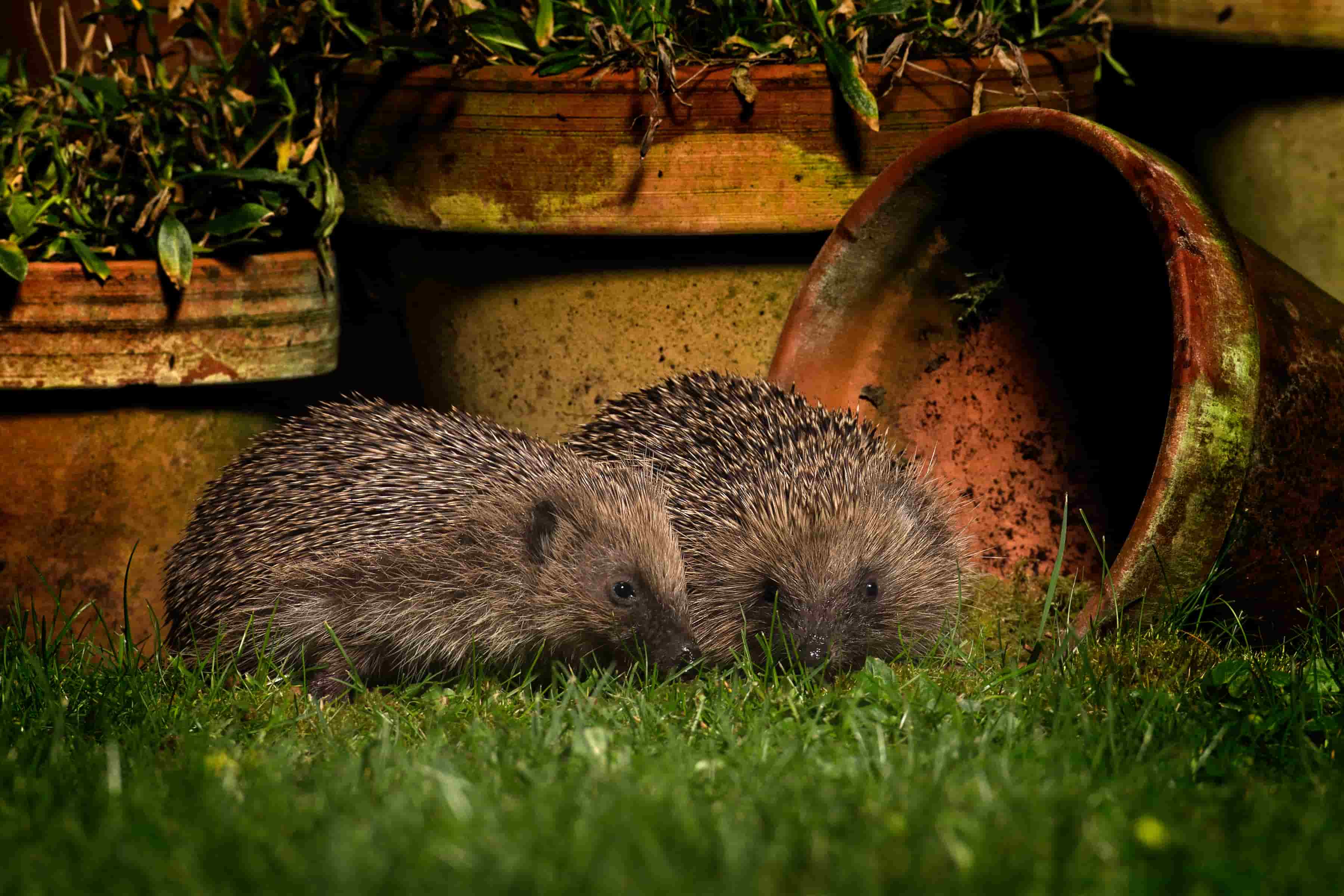
Hedgehogs found out during the day are often in trouble (ill or injured), as they are mainly nocturnal. If you’re confident it’s safe, wear gloves (or use a towel) and gently place the hedgehog in a cardboard box lined with a towel or scrunched newspaper. Avoid dusty bedding, and do not feed it or give milk, only fresh water if advised. Keep the box in a warm, quiet place and contact your nearest wildlife rescue, hedgehog carer, or vet as soon as possible.
Contact the British Hedgehog Preservation Society 01584 890 801.
Fawns
Do not pick up a baby deer if they find one while out walking or driving, even if it appears injured or abandoned. A mother deer will actually reject her young if she picks up the human scent – and most of the time she will be nearby already.
Check Wildlife Aid’s golden rules for if you find a fawn here.
Foxes
The Fox Project is a registered charity dedicated to the Red Fox.
Contact their mobile ambulance on 01892 731565 (09:00-21:00). If calling outside these hours, please call the RSPCA on 0300 1234 999.
Monday and Tuesday: 09:00-12:00 | Wednesday: 14:00-17:00 | Thursday and Friday: 09:00-15:00
Fox Deterrence Helpline: 01892 826222 (24 hours recorded DIY advice)
E-mail: [email protected]
Badgers
The Kent Badger Group is your best bet for either badger disturbance or injury. For general enquiries, contact [email protected]
For sett disturbance/wildlife crime in progress call the police on 999 or RSPCA Hotline on 0300 1234 999.
Between 9am and 9pm, for emergencies e.g. injured badgers or those needing rescuing, use the following numbers:
- West Kingsdown area - 07977798250
- Maidstone area - 07963767654
- Tunbridge Wells area - 07905160249 or above.
- Bromley area - 07941703404
- Sevenoaks area - 07792511593
- Meopham/Istead Rise area - 01474832500
Birds (adults, fledglings, nestlings)
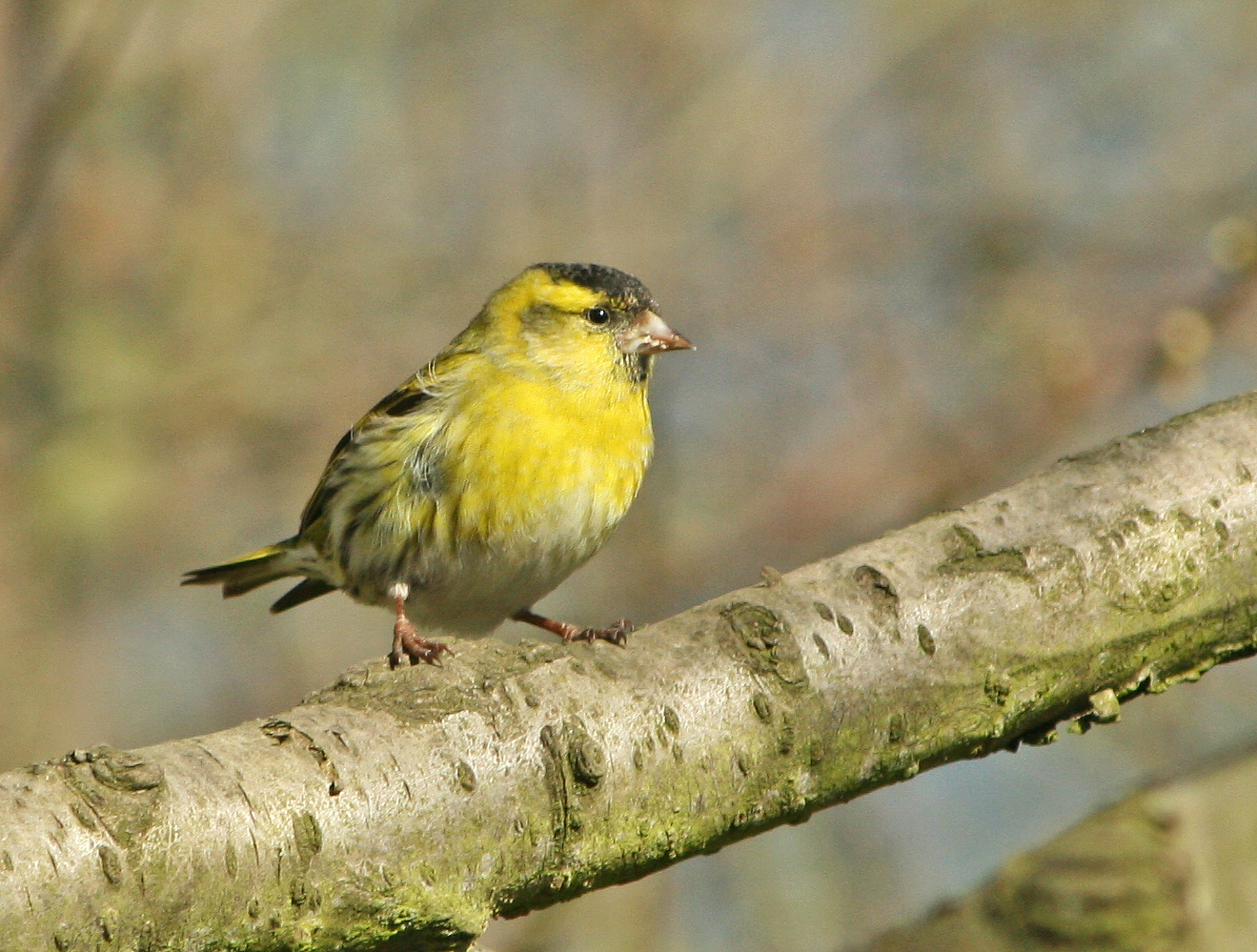
Birds present special challenges as many appear injured but are just in a vulnerable stage. The first step is to assess carefully:
- Nestling (few or no feathers): These birds will likely not survive long away from their nest. If you know where the nest is, you may carefully place them back, otherwise place them carefully in a box (e.g. a shoebox with small air holes) and line the box with a soft tea towel. Keep the box in a warm, quiet place and contact your nearest wildlife rescue as soon as possible.
- Fledgling (fully or mostly feathered, learning to fly): It’s normal for fledglings to spend some time on the ground while their wings develop. Unless it’s in immediate danger (road, predator, etc.), leave it where it is (or move it a short distance to a sheltered spot), as parents will usually still feed them.
- Obvious injury or immobility: If the bird cannot walk or fly, has visible wounds, or is distressed, you may carefully place it in a ventilated box lined with a soft cloth (avoid terry cloth loops). Keep it in a quiet, dark, warm space and contact a wildlife rehabilitator or vet. Do not offer food or water unless directed.
Kent wildlife rescue centres & their phone numbers
Centre Name | Telephone Number/s | Useful Information |
Folly Wildlife Rescue, Tunbridge Wells Open 9am-6pm, 365 days a year | Largest centre in Kent. Animals must be contained. Volunteers across Kent. Cannot accept squirrels. | |
West Kent Badger Group Open 9am-9pm | For other areas, or if no reply from above, contact the WKBG phone – 07366247747 See above for area contacts. | Badgers only. |
Bexhill and Hastings Rescue | Will rescue all wildlife collect or deliver, including squirrels. Open 24 hours. | |
Medway Hedgehog Rescue, Strood Medway | Hedgehogs only. Will rescue, rehabilitate, and release. | |
Kent Wildlife Rescue 8am-6pm daily | Birds and small wild animals orphaned and injured. | |
Swampy’s Wildlife Rescue Isle of Sheppey | All wildlife. Pigeon and rodent friendly. | |
Fur and Feather Wildlife Trust Folkestone | Most wildlife. Pigeon friendly. | |
Thanet Wildlife Rescue Ramsgate | Hedgehogs and bats. May take other small injured and orphaned wildlife and birds including pigeons. | |
Prickles Hedgehog Haven Bromley | Covers mainly North Kent. | |
The Swan Sanctuary UK Wide | 24-hour helpline for injured swans is: 07957 949826 – emergencies only. | |
Eagle Heights Eynesford, Dartford | All injured and orphaned raptors. Covers all of Kent. | |
Lord Whisky Sanctuary Stelling Minnis, Canterbury | All animals. Domestic only. | |
Folkestone Owl Rescue | Owls only. | |
Tamar Owl Sanctuary Ashford | Owls and birds of prey. | |
British Divers Marine life rescue | All marine, injured seals. | |
The Wildlife Lodge Beckenham | All wildlife. |
General principles for small wild animals
- Never handle wildlife with bare hands, always use gloves, or a towel or cloth barrier.
- Place the animal in a secure box with ventilation, lined with a soft cloth, and in a quiet, dark, warm spot away from pets or disturbance.
- Avoid giving food unless a trained rehabilitator or vet specifically instructs you to, incorrect feeding can harm them.
- For small animals (e.g. hedgehogs, small birds, bats) it may be acceptable to transport them yourself if safe, but always call the wildlife rescue center or vet first for guidance.
- For larger wildlife (deer, badgers, owls, swans, etc.), or animals you cannot safely move, do not attempt to catch or transport them yourself. Leave them where they are (if safe to do so at a distance) and contact a local wildlife rescue or RSPCA.
- If in doubt or the situation seems serious, always contact a wildlife rescue, vet, or RSPCA helpline for further advice (0300 1234 999).
Kent Wildlife Trust is not responsible for the managing of listed centres nor does their mention imply endorsement or approval.