
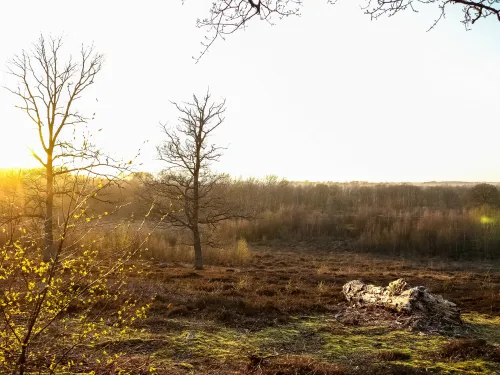
Changing seasons at Hothfield Heathlands
Blog
Ashford Area Warden, Will Glasson, explores autumn conservation and wildlife at Hothfield Heathlands - and how you can get involved.

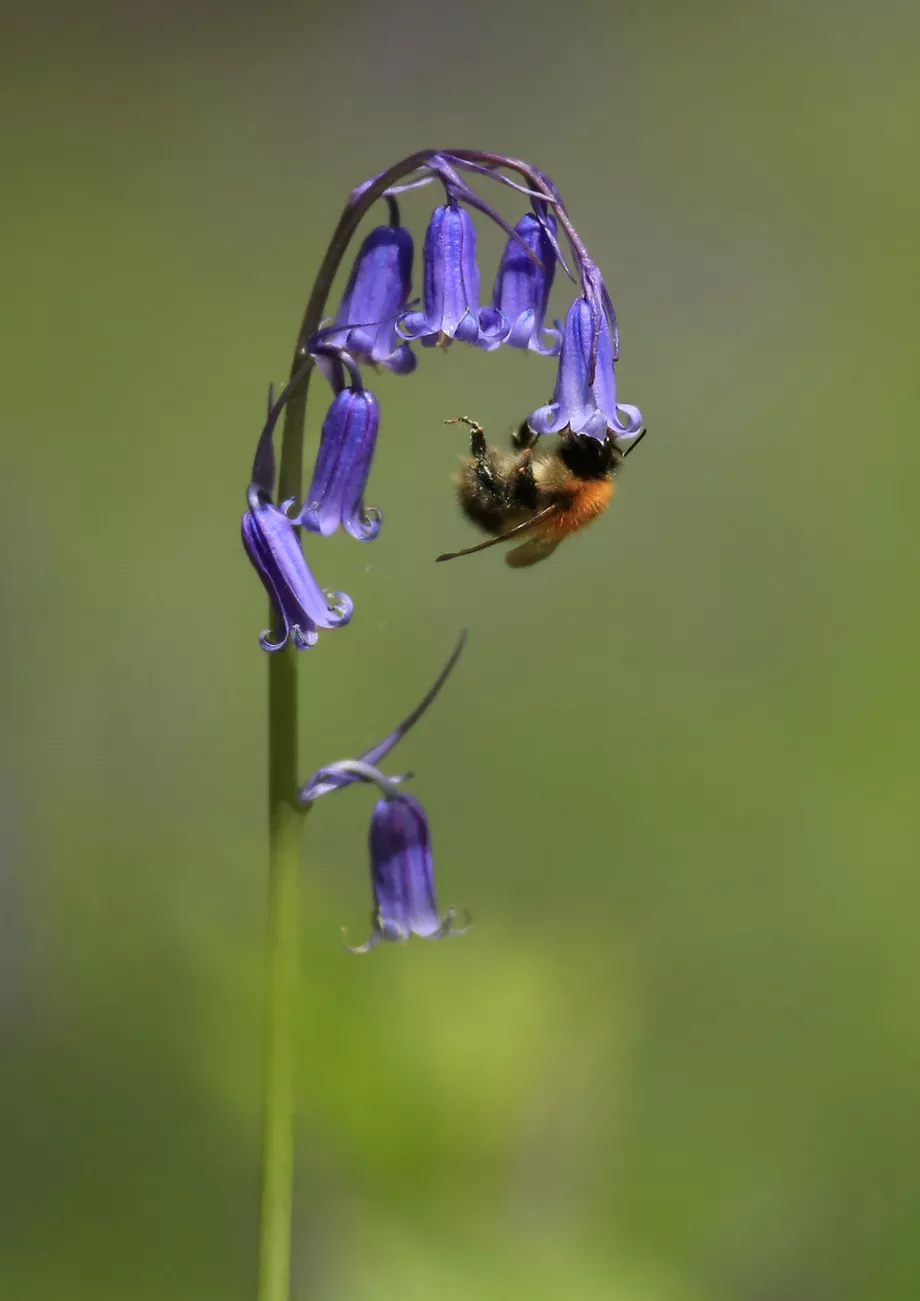
Jon Hawkins - Surrey Hills Photography
6. The chequered skipper butterfly also nectars on bluebells, as do several moth species.
7. Folklore used to tell that bluebells ring at daybreak to call fairies to the woods.
8. Bluebell bulbs contain a starch that in Elizabethan times was used to stiffen ruffs.
9. Gum from the roots was used to glue feathers to arrows & in bookbinding.
10. Bluebell juice was said to cure snake bites, but is chemically very potent & can be toxic in large doses.
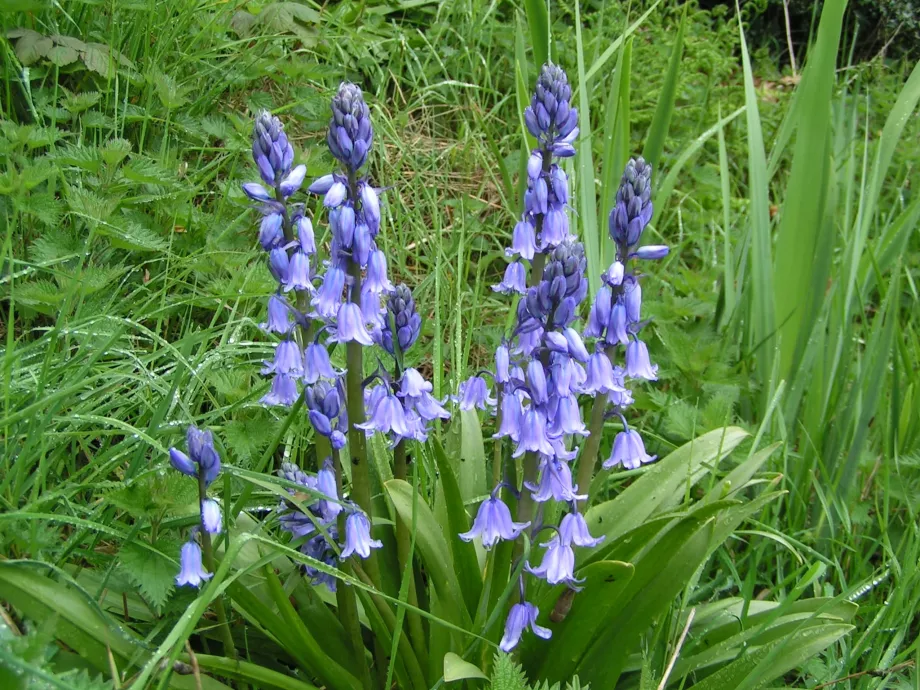
Spanish bluebells. Richard Burkmar
11. Spanish bluebell (Hyacinthoides hispanica) is a non-native garden escapee threatening our native species. They were originally introduced by plant hunters in the late 17th century. The Spanish bluebells became popular with gardeners as they grow more vigorously & suit the more open aspect of gardens, whereas native bluebells thrive best in dappled shade provided by deciduous woodland. However, Spanish bluebells lack the delicate perfume of our native species.
Unfortunately, the 2 species of bluebell hybridize easily so it can be quite difficult to tell them apart.
The native flower stem droops or nods distinctly to one side whereas the non-native’s stem is stiff and upright. The leaves are narrow 1 to 1.5cm, whereas the Spanish or hybrid can be up to 3cm wide. The native flower is often a much darker blue, although there can be occasional white ones.
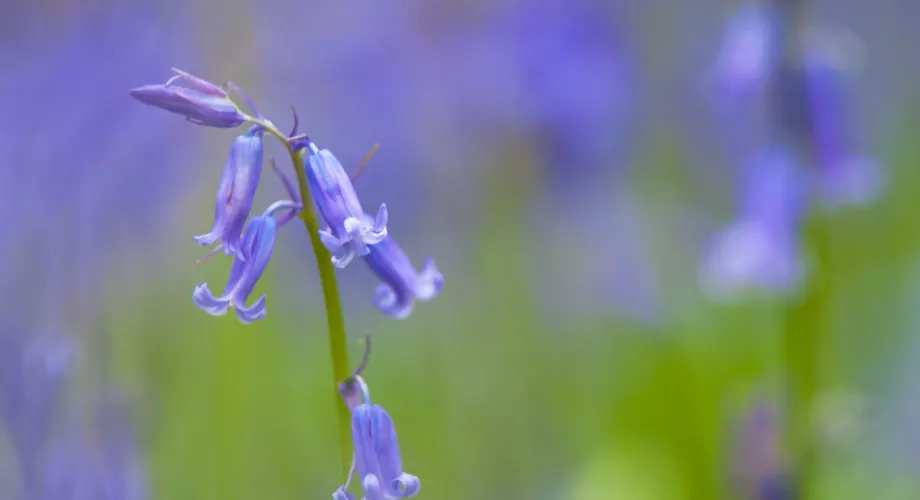
Bluebells (Hyacinthoides non-scripta), Hertfordshire, United Kingdom. April 2011. Neil Aldridge
Ashford Area Warden, Will Glasson, explores autumn conservation and wildlife at Hothfield Heathlands - and how you can get involved.
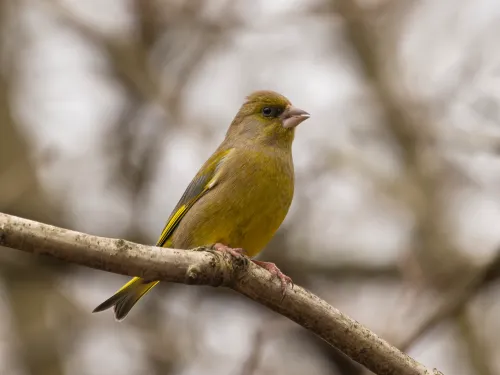
This guest blog is written by Rachel Rodwell, councillor and campaigner. She explores the respite that woodlands like Oaken Wood can provide through troubling times.
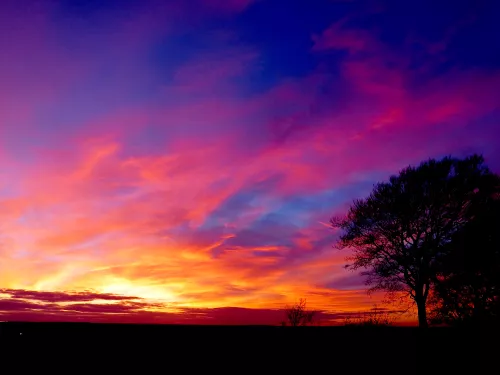
You may have heard about the unusually strong El Niño developing in the Pacific Ocean. But what exactly is it? And what could it mean for wildlife and wild places in Kent?